
For travelers planning a journey to the Golden State, understanding the intricacies of Daylight Saving Time (DST) in California is more than just a trivial detail; it’s a crucial element that can impact everything from flight schedules to dinner reservations. California, like most of the United States, observes Daylight Saving Time, meaning clocks adjust twice a year. This annual ritual shifts the local time forward by one hour in the spring and backward by one hour in the fall, altering daylight hours and, consequently, travel logistics and daily itineraries.
Understanding Daylight Saving Time in California
California adheres to the federal schedule for Daylight Saving Time. This means residents and visitors alike experience the change simultaneously across the entire state, from the vibrant streets of Los Angeles to the serene landscapes of Yosemite National Park. The primary purpose of DST, historically, was to make better use of daylight, saving energy by reducing the need for artificial lighting in the evenings. While its effectiveness and relevance are continually debated, it remains a consistent factor in travel planning.
The Annual Shift: Spring Forward, Fall Back
The twice-yearly time change follows a predictable pattern, which is vital for travelers to note:
- Spring Forward: Clocks move forward by one hour on the second Sunday in March at 2:00 AM Pacific Standard Time (PST). This effectively shifts California to Pacific Daylight Time (PDT). Travelers arriving on this particular Sunday might find themselves with one less hour of sleep but an extra hour of daylight in the evening for exploration. For instance, if you have a 7:00 AM flight out of San Francisco, you would need to adjust your internal clock and alarm accordingly, as 2:00 AM instantly becomes 3:00 AM.
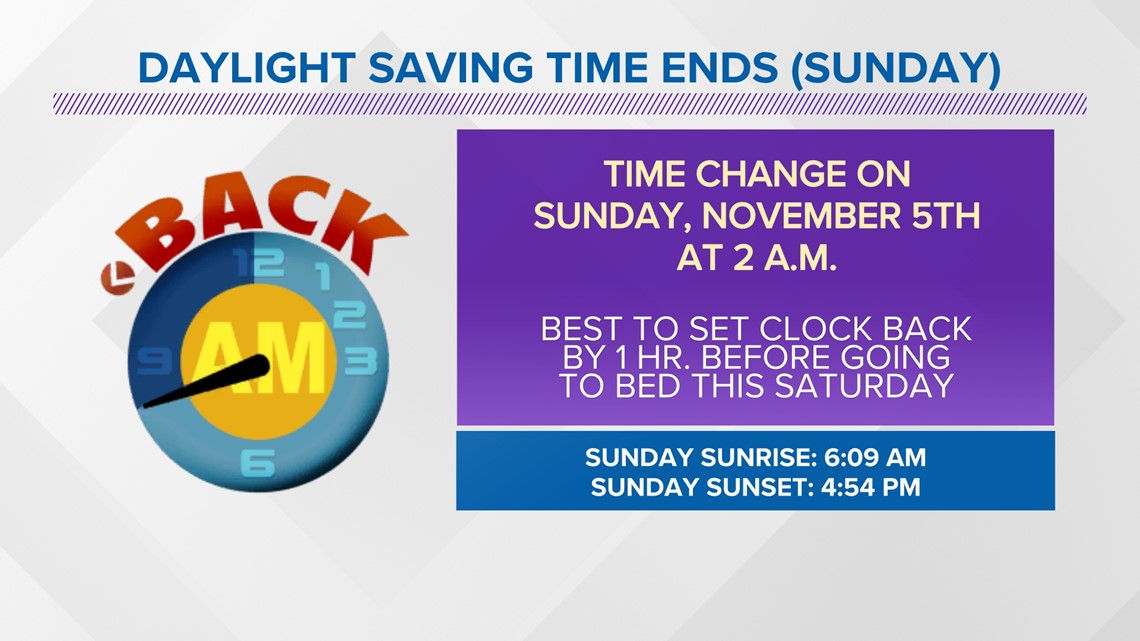
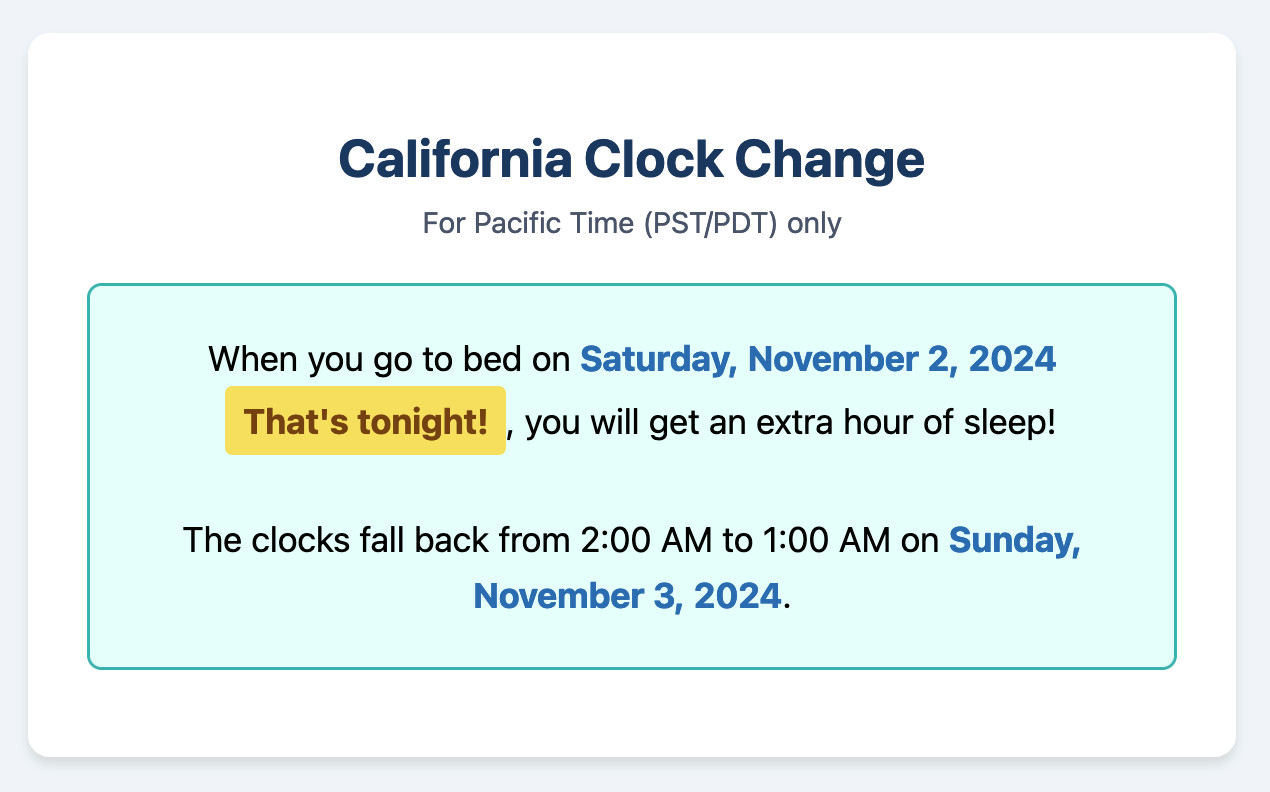
- Fall Back: Clocks move back by one hour on the first Sunday in November at 2:00 AM Pacific Daylight Time (PDT). This reverts California back to Pacific Standard Time (PST). This change grants an extra hour, which can be a welcome bonus for travelers. An early morning flight scheduled for, say, 6:00 AM might feel less strenuous as your body has had an additional hour to rest. Conversely, an evening event might start “earlier” relative to your body clock.
These precise dates and times are critical for travelers, especially those crossing multiple time zones or arriving/departing around the changeover weekends.
California’s Stance on DST: Proposition 7
While California currently observes Daylight Saving Time, its future has been a topic of discussion. In November 2018, California voters passed Proposition 7, which gave the state legislature the power to change or repeal DST, provided it aligns with federal law. While this proposition signaled a potential shift, the state legislature has not yet passed any subsequent laws to abolish or permanently observe DST. Therefore, for the foreseeable future, travelers should anticipate these biannual time adjustments. Keeping an eye on state legislative developments is prudent, though for now, the spring forward, fall back schedule remains firmly in place.
Navigating Travel Logistics During Time Changes
The time change impacts various facets of travel planning and execution. Awareness and preparation are key to a seamless California travel experience, particularly if your trip coincides with these specific weekends.
Flights, Trains, and Buses: Adjusting Schedules
One of the most significant impacts of Daylight Saving Time is on transportation schedules. Airlines, train operators like Amtrak, and bus companies rigorously adjust their timetables to reflect the time change.
- Arrivals and Departures: If you are traveling on the day of the time change, especially an early morning flight, confirm your departure time with your airline. While most airline systems automatically update, a miscalculation on your part can lead to a missed flight. For example, a 6:00 AM flight on the “spring forward” Sunday means you effectively lose an hour, and your alarm should be set for the new time. On the “fall back” Sunday, you gain an hour, potentially arriving at the airport earlier than necessary but certainly not late.
- Connecting Flights: Travelers with connecting flights, particularly those crossing time zones, need to be extra vigilant. A connection that seemed ample before the time change might become tight if one leg of the journey adjusts differently or if you misinterpret the local time at your layover airport. Always confirm local arrival and departure times for each segment of your journey.
- International Travel: For those flying internationally to or from California, the DST change adds another layer of complexity to already intricate time zone calculations. Ensure your travel documents and personal devices are updated to the correct local time at all points of your itinerary.
Road Trips and Inter-State Travel Considerations
California is a popular destination for road trips, often involving travel across state lines. While California observes DST, not all states or regions do. Arizona, for example (excluding the Navajo Nation), does not observe DST. This can lead to a one-hour time difference when crossing the border, even if you remain in the same geographical area.
- Border Crossings: When driving from a state that doesn’t observe DST (like Arizona) into California during the DST period, you will experience an immediate time shift. This affects GPS estimates, planned stops, and arrival times. Always verify the local time upon entering a new state.
- Driving Times: When planning your route, factor in the time change for rest stops, meal breaks, and reaching your destination by a specific time. An extra hour of daylight in the evening during spring can be beneficial for longer drives, while the earlier sunset in fall might necessitate earlier departures or adjustments to your driving schedule.
Impact on Accommodation Check-ins/Check-outs
Hotels and other accommodations operate strictly on local time. While less critical than flight schedules, it’s still worth noting the impact of DST.
- Check-in: If you arrive at your hotel or vacation rental on the “spring forward” Sunday morning, and you’ve lost an hour, your planned 3:00 PM check-in might feel like 4:00 PM to your body. Conversely, on the “fall back” Sunday, a 3:00 PM check-in might feel like 2:00 PM.
- Check-out: For early morning departures, especially on the “fall back” Sunday, you gain an hour. If check-out is 11:00 AM, you effectively have an extra hour from your body’s perspective. However, during the “spring forward” period, an 11:00 AM check-out comes an hour sooner than expected. Always adhere to the hotel’s local time for check-out to avoid extra charges.
Maximizing Your California Experience
Beyond pure logistics, the time change also subtly influences your daily travel experience, from how you plan your attractions to enjoying California’s culinary scene.
Planning Activities and Attractions
The change in daylight hours can significantly alter your touring strategy. California’s diverse attractions, from outdoor adventures in Redwood National Park to city explorations in San Diego, are best enjoyed with thoughtful planning around the sun.
- Extended Daylight in Spring/Summer (PDT): With the clocks springing forward, evenings are longer and brighter. This is perfect for enjoying outdoor activities later in the day, such as sunset cruises under the Golden Gate Bridge, leisurely strolls along Santa Monica Pier, or extended visits to attractions like the Disneyland Resort or Universal Studios Hollywood. You can fit more into your day, delaying indoor activities until after dark.
- Earlier Evenings in Fall/Winter (PST): When clocks fall back, sunsets occur earlier. This means less daylight for outdoor activities in the late afternoon. Travelers should adjust their schedules to tackle major outdoor attractions earlier in the day. Consider transitioning to indoor museums, galleries, or shopping experiences in the late afternoon and early evening. This also sets the scene for cozy evenings, perhaps enjoying a wine tasting in Napa Valley or a fireplace dinner in Lake Tahoe.
Dining Reservations and Evening Entertainment
Dining and entertainment are often time-sensitive. A small shift can impact your preferred reservation times or the start of a show.
- Dinner Rush: During PDT, with longer daylight hours, people tend to dine later. This can sometimes shift the peak dinner rush. During PST, with earlier sunsets, many prefer to dine earlier. Be mindful of these subtle shifts when making reservations, particularly in popular dining destinations in San Francisco or Los Angeles.
- Showtimes and Events: Concerts, theater performances, and other ticketed events will always adhere to local time. Ensure your internal clock is synchronized so you don’t miss the start of a highly anticipated show.
Leveraging Extended Daylight or Earlier Evenings
The time change can be leveraged to your advantage. In spring/summer, the extended daylight offers more flexibility for sightseeing and outdoor activities. Early risers can enjoy quiet mornings before the crowds, and still have a full, bright evening. In fall/winter, the earlier sunset creates a cozy ambiance, perfect for enjoying California’s indoor attractions, fine dining, or perhaps a stargazing experience in its less light-polluted areas.
Practical Tips for Travelers
To ensure a smooth journey, here are some actionable tips for travelers to California during the time change periods.
Before You Go: Pre-Trip Checklist
- Confirm All Schedules: Double-check flight, train, bus, tour, and accommodation reservation times, especially if your travel dates fall on the “spring forward” or “fall back” weekends. Most confirmation emails will state times in local time, which automatically accounts for DST, but a quick verification never hurts.
- Update Devices: Ensure your smartphone, tablet, and smartwatches are set to automatically update their time zone. This is usually the default setting, but manually checking can prevent issues.
- Consult Reliable Sources: Refer to official government websites or reputable travel guides for the exact dates of Daylight Saving Time changes each year, as they can occasionally vary (though the second Sunday in March and first Sunday in November are standard for the US).
While You’re There: Staying Synchronized
- Trust Your Devices: Rely on your updated smartphone or other smart devices for the correct local time. Resist the urge to manually adjust clocks unless absolutely necessary, as this can lead to confusion.
- Ask Locals: If in doubt, a quick query to hotel staff, tour guides, or locals can confirm the current time.
- Allow for Adjustment: Especially after the “spring forward” change, allow yourself a day or two to adjust. The loss of an hour can feel like a mini jet lag. Prioritize sleep and stay hydrated.
Technology and Time Zones
Modern technology has made navigating time changes significantly easier. GPS systems, mapping apps, and airline applications are generally excellent at keeping up with local time. Utilize these tools effectively. For instance, if you are driving through different time zones, your navigation app will typically alert you to the change and adjust estimated arrival times accordingly. When booking tours or making reservations online, the system usually defaults to the local time of the attraction or restaurant, but it’s always wise to confirm this detail to avoid any misinterpretations.
By understanding when California’s time changes and how these shifts can affect your itinerary, you empower yourself to plan a more efficient, enjoyable, and stress-free travel experience across the state. A little preparation goes a long way in ensuring your California adventure unfolds seamlessly, regardless of what the clock says.
LifeOutOfTheBox is a participant in the Amazon Services LLC Associates Program, an affiliate advertising program designed to provide a means for sites to earn advertising fees by advertising and linking to Amazon.com. Amazon, the Amazon logo, AmazonSupply, and the AmazonSupply logo are trademarks of Amazon.com, Inc. or its affiliates. As an Amazon Associate we earn affiliate commissions from qualifying purchases.