
Navigating the dynamic landscape of California as a traveler requires awareness, especially during wildfire season. For those planning a quintessential California getaway, understanding the current fire situation is paramount not only for safety but also for ensuring a fulfilling and uninterrupted experience. Wildfires, a recurring natural phenomenon in the state, can influence everything from air quality and road access to the very availability of popular destinations, making real-time information a crucial component of modern travel planning.
Navigating Travel in Fire Season: An Overview for California Visitors
California’s diverse geography, from dense forests and chaparral to rolling hills and dry plains, combined with seasonal winds like the Santa Anas and Diablo Winds, creates conditions conducive to wildfires. While fire season historically peaked in late summer and fall, climate change has expanded its duration and intensity, making it a year-round consideration in some areas. For travelers, this means exercising heightened vigilance and adaptability.
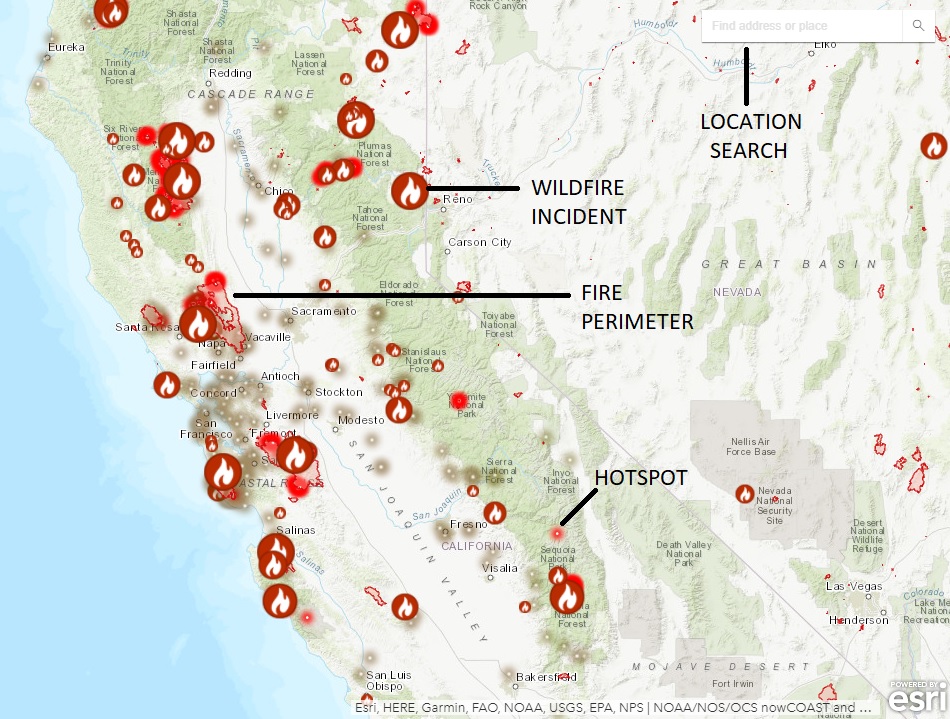
The key to a successful California trip during these periods lies in proactive research and flexibility. Instead of canceling plans outright, savvy travelers often adjust itineraries, opting for unaffected regions or shifting focus to urban and coastal destinations less prone to direct fire impact. Understanding the broader context of fire activity—where fires are currently burning, their containment status, and potential smoke plumes—allows visitors to make informed decisions that prioritize both personal safety and travel enjoyment. This proactive approach helps preserve the magic of a California adventure, even when nature presents its challenges.
Key Regions Impacted and Safe Alternatives
The vastness of California means that even when significant fires are active, large swaths of the state remain unaffected and open for tourism. However, specific regions are historically more vulnerable, and travelers should monitor these areas closely.
Northern California Considerations
Northern California, known for its majestic redwoods, dramatic coastline, and renowned Wine Country, can experience significant fire activity. Areas within the Shasta Cascade region, particularly national forests like Shasta-Trinity National Forest and Lassen Volcanic National Park, are often susceptible. Fires here can impact popular outdoor activities, leading to trail closures, campground evacuations, and reduced air quality. The famous Redwood National Park and surrounding state parks generally benefit from their proximity to the coast, making them less prone to large-scale fires, but smoke can still drift.
Wine Country destinations such as Napa Valley and Sonoma have faced fire threats in recent years, impacting vineyards and tourist infrastructure. While these communities are resilient, travelers should check local conditions for specific wineries or accommodations.
Safe Alternatives in Northern California: If inland areas or specific parks are impacted, consider focusing on San Francisco for its urban attractions, museums like the Exploratorium and the California Academy of Sciences, and world-class dining. Coastal towns like Mendocino, Fort Bragg, or even further south to Carmel-by-the-Sea and Monterey offer stunning scenery and activities often far removed from fire zones, providing excellent alternatives for scenic drives and ocean-based experiences.
Central California: Sierra Nevada and Central Valley
The Sierra Nevada mountain range, home to iconic destinations like Yosemite National Park, Sequoia National Park, and Kings Canyon National Park, is a primary area of concern for wildfires due to its vast forests and rugged terrain. Fires in these regions can lead to extensive park closures, evacuation orders, and severe air quality degradation, making hiking and camping impossible. Road closures, particularly along major arteries like Highway 140 or Highway 120 into Yosemite, are common.
The Central Valley, while generally less prone to direct fire ignition, can suffer from significant smoke impacts due to its topography, which traps air. This can affect air quality in cities like Fresno and Sacramento, even if fires are hundreds of miles away.
Safe Alternatives in Central California: If the Sierra Nevada is experiencing fire activity, consider coastal destinations along Highway 1, such as Big Sur (checking for local road closures unrelated to fire), Santa Cruz, or Pismo Beach. The Paso Robles wine region, further south, often presents a viable alternative to Napa or Sonoma with its distinct viticulture scene. Lake Tahoe is another magnificent destination, though it has also been impacted by fires in the past, so always verify local conditions before visiting.
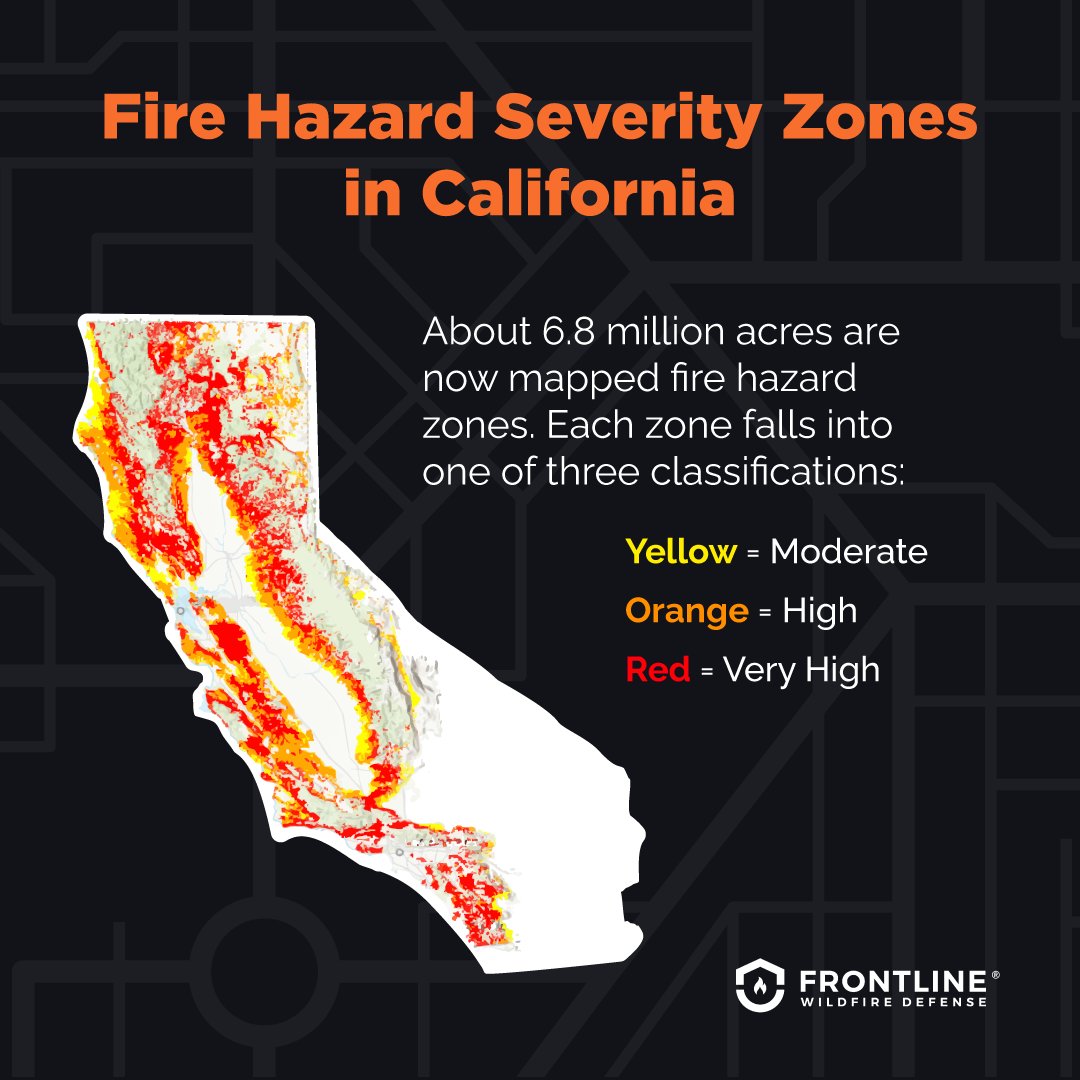
Southern California Travel Advisories
Southern California faces unique challenges with its dense population centers nestled against wildland-urban interfaces, especially in areas like the Santa Monica Mountains, the foothills around Los Angeles, and the national forests such as San Bernardino National Forest and Cleveland National Forest. Fires here can spread rapidly, driven by the dry Santa Ana winds, posing immediate threats to communities and infrastructure. Travel disruptions can include closures of hiking trails, state parks like Malibu Creek State Park, and even short-term freeway closures.
Major urban centers like Los Angeles and San Diego are generally not directly threatened by wildfires in their core, but they can experience significant smoke impacts, leading to poor Air Quality Index (AQI) readings. This can affect outdoor activities and general comfort. Desert destinations like Palm Springs or Joshua Tree National Park can also be affected by fires or smoke, despite their arid environment, particularly if fires ignite in surrounding mountains.
Safe Alternatives in Southern California: The vast coastline of Southern California generally offers safer alternatives. Focus on beach cities in Orange County like Newport Beach or Laguna Beach, or enjoy the urban attractions of San Diego, including Balboa Park and its many museums, the San Diego Zoo, and diverse culinary scene. Islands like Catalina Island remain excellent options for a fire-free escape, offering a completely different pace and environment.
Essential Travel Resources and Planning Tools
Accurate and timely information is your most valuable asset when traveling in California during fire season. Several official resources provide real-time updates:
- CAL FIRE Incident Map: The official source for current fire incidents across California, offering detailed maps, size, containment, and evacuation information.
- InciWeb: A national incident information system for large-scale fires and other incidents, providing updates for federal lands, including National Parks and Forests.
- AirNow.gov / PurpleAir: These platforms provide real-time Air Quality Index (AQI) data, which is crucial for assessing smoke impacts. If the AQI is consistently high (above 150), outdoor activities should be limited.
- Caltrans QuickMap: Essential for road closures and traffic conditions. Before embarking on any long drive, check this map to ensure your planned route is clear.
- National Park Service & California State Parks Websites: Always check the specific park website for alerts, closures, and visitor information before heading to a natural destination.
- Local County Emergency Services: Many counties have their own emergency alert systems that can provide hyperlocal information.
Additionally, consider purchasing travel insurance that covers “cancel for any reason” or has robust coverage for natural disasters if you are concerned about potential disruptions. Read policies carefully to understand what is covered.
Adapting Your California Itinerary for Safety and Enjoyment
Flexibility is the golden rule for traveling in California during fire season. Have contingency plans ready, even if they’re just alternative destinations or activities.
- Prioritize Coastal and Urban Destinations: These areas are generally less susceptible to direct fire impact and often have better air quality. Cities like San Francisco, Los Angeles, San Diego, and coastal towns along the Pacific Coast Highway offer a wealth of experiences, from world-class museums and dining to vibrant cultural scenes.
- Focus on Indoor Attractions: If air quality is a concern, pivot to indoor activities. California boasts an incredible array of museums, art galleries, aquariums, and culinary experiences. Think The Getty Center in Los Angeles, the California Academy of Sciences in San Francisco, or the USS Midway Museum in San Diego.
- Support Local Businesses: Many communities impacted by fires rely heavily on tourism. If safe and open, visit and support local businesses in these areas once the immediate threat has passed. This helps their recovery and shows solidarity.
- Stay Informed Locally: Follow local news outlets, weather forecasts, and social media from official emergency services in the regions you plan to visit.
- Pack Smart: Include N95 masks, saline eye drops, and other personal protective items if you anticipate encountering smoke. Stay hydrated, as smoke can exacerbate respiratory issues.
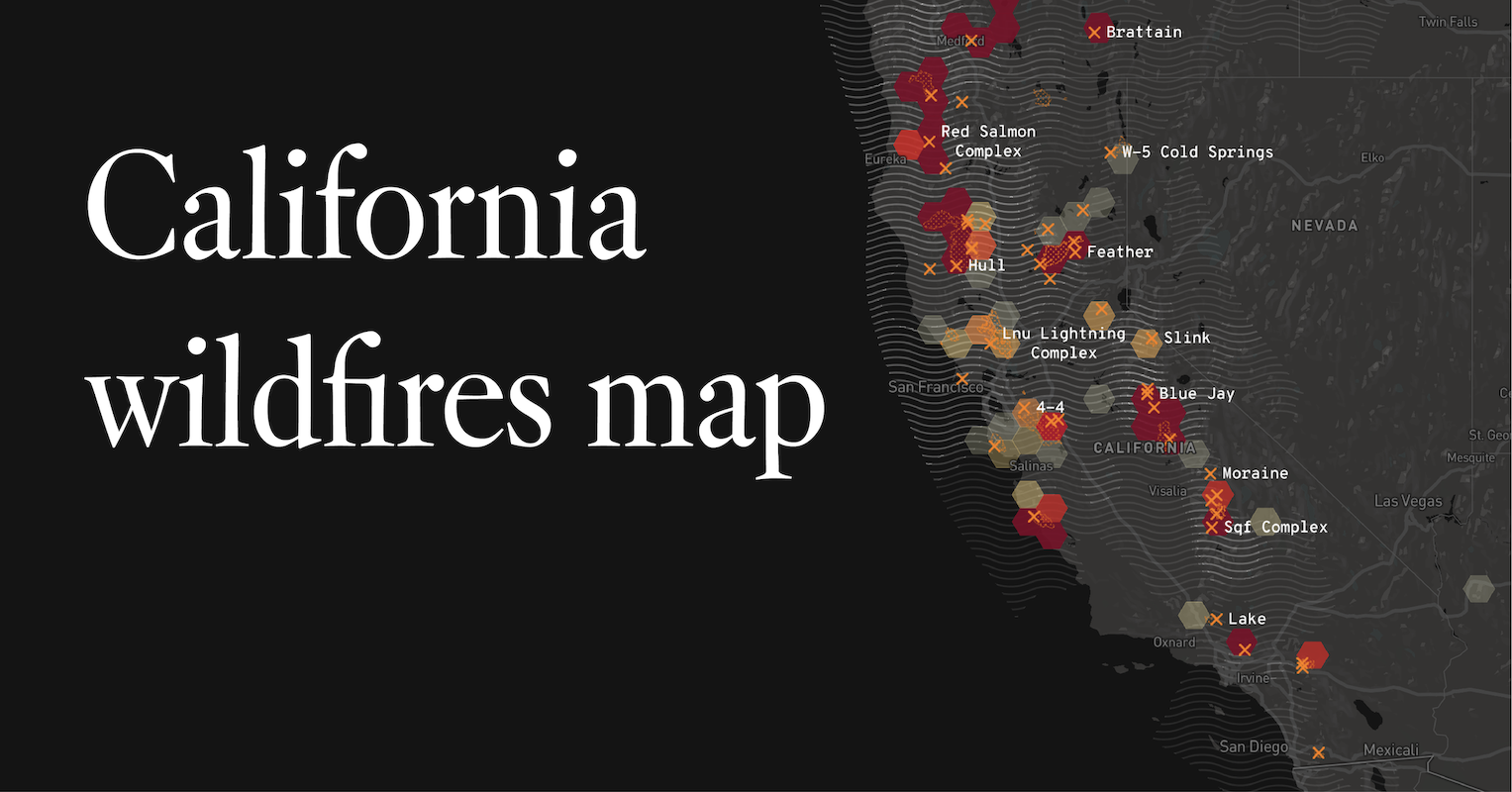
A Responsible Traveler’s Guide to California’s Wildfire Season
Traveling responsibly in California extends beyond personal safety to environmental stewardship.
- Practice Fire Safety: Adhere strictly to “Leave No Trace” principles. Be extremely cautious with anything that could spark a fire: properly dispose of cigarettes, never light campfires outside designated areas or during fire bans, and ensure your vehicle’s catalytic converter is in good condition, as they can cause roadside fires.
- Respect Evacuation Orders: If an area is under an evacuation order, do not attempt to enter or remain there. These orders are issued for your safety and to allow emergency services to work effectively.
- Understand Environmental Impact: Wildfires are a natural part of California’s ecosystem, but their increasing intensity and frequency are concerning. Travelers can contribute to conservation efforts by supporting organizations dedicated to forest health and fire prevention.
- Appreciate Resilience: The communities affected by wildfires in California demonstrate remarkable resilience. When it’s safe to do so, visiting these areas helps them rebuild and recover, reminding us of the enduring spirit of the Golden State.
By staying informed, being flexible, and acting responsibly, travelers can continue to explore the incredible beauty and diversity of California, even during its challenging fire season. The state offers countless unforgettable experiences, and with thoughtful planning, your adventure can remain safe and spectacular.
LifeOutOfTheBox is a participant in the Amazon Services LLC Associates Program, an affiliate advertising program designed to provide a means for sites to earn advertising fees by advertising and linking to Amazon.com. Amazon, the Amazon logo, AmazonSupply, and the AmazonSupply logo are trademarks of Amazon.com, Inc. or its affiliates. As an Amazon Associate we earn affiliate commissions from qualifying purchases.