
California is synonymous with natural grandeur, and among its most iconic treasures are the towering redwood trees. These arboreal giants, relics of an ancient forest, draw visitors from across the globe to witness their breathtaking scale and serene beauty. When planning a trip to experience these natural wonders, it’s essential to understand that California is home to two distinct types of redwoods: the Coast Redwood (Sequoia sempervirens) and the Giant Sequoia (Sequoiadendron giganteum). While both are magnificent, they thrive in different environments and offer unique travel experiences. The Coast Redwoods prefer the moist, foggy climate along the northern California coast, while the Giant Sequoias are found inland, high in the Sierra Nevada mountain range. Understanding these distinctions is the first step in charting your course to these incredible forests.

The Majestic Habitats of Coast Redwoods
The Coast Redwoods are the tallest living things on Earth, often reaching heights over 300 feet. They flourish in a narrow band along the Pacific coast, from just south of San Francisco up to the Oregon border. Their proximity to the ocean provides the consistent fog and moderate temperatures crucial for their survival and immense growth.
Redwood National and State Parks: The Crown Jewel
For an unparalleled immersion into the world of Coast Redwoods, the combined Redwood National and State Parks complex is an absolute must-visit. This sprawling network encompasses Redwood National Park and three California State Parks: Prairie Creek Redwoods State Park, Del Norte Coast Redwoods State Park, and Jedediah Smith Redwoods State Park. Located in northern California, primarily in Humboldt and Del Norte counties, this area protects nearly half of all remaining old-growth Coast Redwood forests.
Travelers here can find some of the world’s tallest trees, including the famous Hyperion (whose exact location is kept secret for protection). Popular drives like Newton B. Drury Parkway in Prairie Creek Redwoods State Park offer stunning views, while trails like the Tall Trees Grove Trail (requiring a permit during peak season) provide intimate encounters with these giants. Wildlife, including Roosevelt elk, is also a common sight.
Humboldt Redwoods State Park: Avenue of the Giants
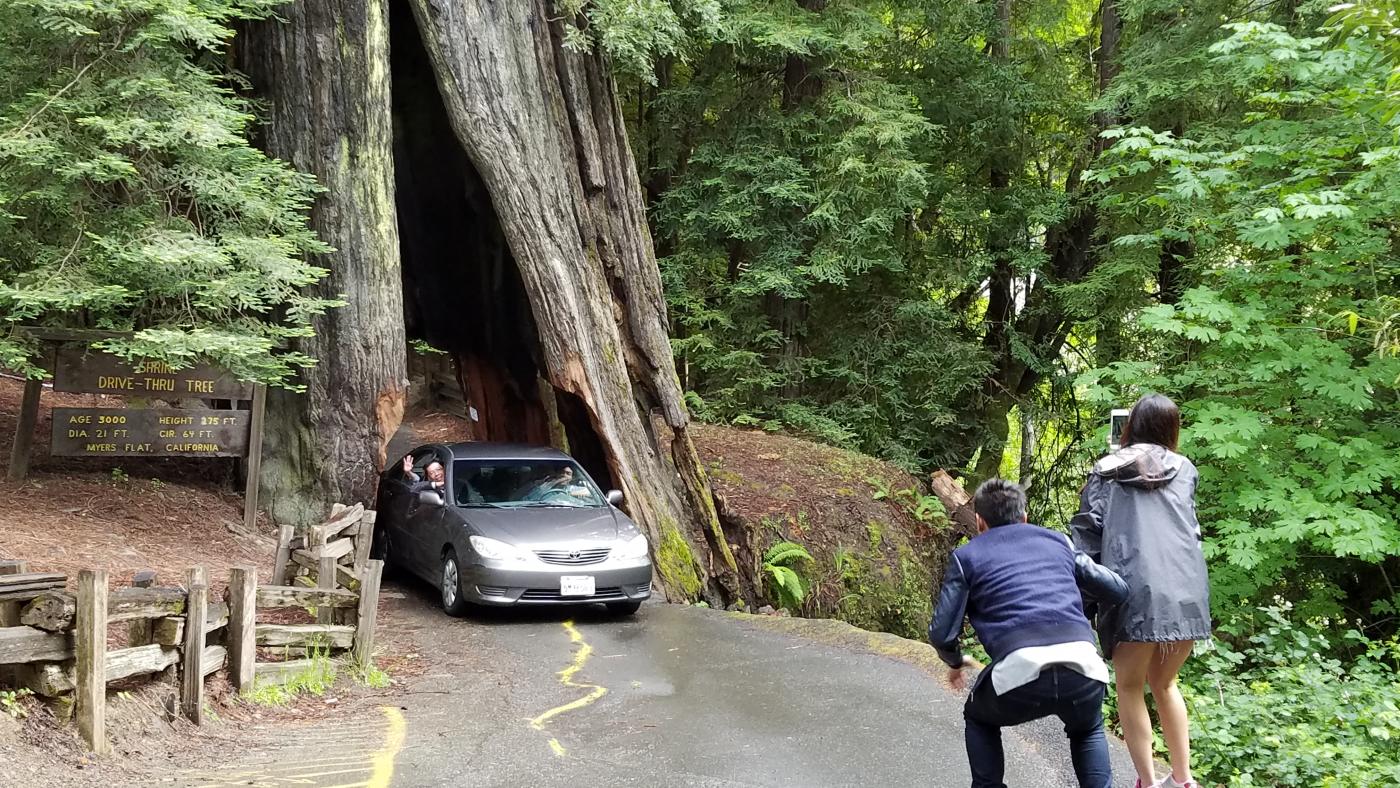
South of the main Redwood National and State Parks complex, Humboldt Redwoods State Park stands out as another premier destination. Its crown jewel is the 31-mile-long Avenue of the Giants, a scenic alternative to Highway 101 that winds through some of the most spectacular groves of old-growth Coast Redwoods. Here, you’ll find the Shrine Drive-Thru Tree and numerous opportunities for riverside picnics along the Eel River. The Rockefeller Forest within this park contains some of the world’s densest stands of Coast Redwoods and is accessible via easy walking trails.
Muir Woods National Monument: A Convenient Escape
For those based in or visiting the San Francisco Bay Area, Muir Woods National Monument offers a wonderfully accessible glimpse into a Coast Redwood forest. Located just a short drive north of San Francisco in Marin County, this park preserves a beautiful old-growth redwood grove. Due to its popularity and efforts to preserve its delicate ecosystem, timed entry reservations for both parking and shuttle are required, making pre-planning essential. The monument features well-maintained boardwalks and paved trails, making it an excellent option for visitors of all mobility levels to experience the tranquility and awe of these ancient trees.
Exploring the Sequoias: A Different Kind of Giant
While not as tall as their coastal cousins, Giant Sequoias are the most massive trees on Earth by volume, boasting colossal trunks and impressive lifespans, some over 3,000 years old. These magnificent trees thrive in the high-elevation groves of the Sierra Nevada mountains, typically between 4,000 and 8,000 feet.
Sequoia and Kings Canyon National Parks: Home of the General Sherman Tree
The most concentrated and impressive collection of Giant Sequoias can be found in Sequoia and Kings Canyon National Parks, located side-by-side in the southern Sierra Nevada. Sequoia National Park is home to the famous Giant Forest, where the General Sherman Tree resides. The General Sherman Tree is not only the largest living tree on Earth by volume but also one of the largest living organisms. Visitors can access it via a paved downhill trail from the main parking area, with a shuttle service available during peak season.
Further within the parks, the Grant Grove in Kings Canyon National Park features the General Grant Tree, often called “the Nation’s Christmas Tree.” Both parks offer numerous hiking trails, scenic overlooks, and opportunities to marvel at these ancient wonders. Exploring these parks requires navigating winding mountain roads, so allow ample travel time.
Yosemite National Park: Mariposa Grove and More
Yosemite National Park is world-renowned for its granite cliffs, waterfalls, and alpine meadows, but it also harbors three groves of Giant Sequoias. The most accessible and largest is the Mariposa Grove of Giant Sequoias, located near the park’s south entrance. After extensive restoration, the grove reopened with improved trails and facilities, offering a fantastic opportunity to see several notable trees, including the Grizzly Giant and the California Tunnel Tree.
The less-visited Tuolumne Grove and Merced Grove offer a more secluded experience but require longer, moderately strenuous hikes. Visiting Yosemite to see the Sequoias often means combining it with the park’s other iconic sights, making for a comprehensive Sierra Nevada adventure.
Planning Your Redwood Adventure
A trip to see California’s giant redwoods requires thoughtful planning to maximize your experience and ensure a respectful visit to these fragile ecosystems.
Best Time to Visit and What to Pack
The best time to visit Coast Redwoods is generally spring through fall. Summer offers warmer weather, but also the largest crowds. Spring brings vibrant green undergrowth and fewer visitors, while fall offers crisp air and beautiful foliage (outside the redwood groves themselves). Fog is common year-round along the coast and is essential for the redwoods’ health, so be prepared for cool, damp conditions even in summer. Layered clothing, waterproof jackets, and sturdy hiking shoes are always recommended.
For Giant Sequoias in the Sierra Nevada, late spring to early fall is ideal. Winter brings heavy snowfall, often closing roads and making access challenging, though snowshoeing among the giants can be a magical experience for prepared adventurers. Expect significant temperature swings between day and night, and bring layers, sun protection, and plenty of water.
Getting There and Navigating the Parks
Accessing the Coast Redwoods in Northern California primarily involves driving Highway 101. While major airports like San Francisco International Airport (SFO) or Oakland International Airport (OAK) are gateways, smaller regional airports like Eureka-Arcata Airport (ACV) can reduce driving time significantly for the northern parks. Car rentals are essential for flexibility.
For Giant Sequoias, Fresno Yosemite International Airport (FAT) is a convenient entry point for Sequoia and Kings Canyon National Parks, as well as Yosemite National Park. Be aware that mountain roads can be narrow and winding, and chain requirements may be in effect during winter months. Always check park websites for current road conditions and any required entry permits or reservations, especially during peak seasons.
Respecting Nature: Trail Etiquette and Preservation
Visiting these ancient forests comes with a responsibility to protect them. Stay on marked trails to prevent soil compaction and damage to shallow redwood roots. Do not carve into trees or collect natural souvenirs. Pack out everything you pack in, and leave no trace. Observe wildlife from a distance. Many of these parks operate on a reservation system or timed entry for certain areas; always check in advance and comply with park regulations to ensure these magnificent trees can be enjoyed by future generations.
Beyond the Trees: Experiences and Activities
While the redwoods are undoubtedly the main attraction, the areas surrounding these groves offer a wealth of complementary activities that enhance the travel experience.
Hiking and Camping Among Giants
Hiking is the quintessential way to experience the redwoods. Trails range from easy, accessible loops suitable for families to challenging backcountry treks. In Redwood National and State Parks, popular options include the Lady Bird Johnson Grove Trail and the Tall Trees Grove Trail. For a more immersive experience, several campgrounds are available within or near the parks, allowing you to spend nights under the canopy of these towering trees, listening to the forest sounds. Reservations for popular campgrounds are highly recommended, often months in advance.
Scenic Drives and Photography Opportunities
Beyond the Avenue of the Giants, other scenic byways provide incredible views and photo opportunities. The Newton B. Drury Parkway in Prairie Creek Redwoods State Park offers stunning vistas and the chance to spot Roosevelt elk. In the Sierra Nevada, the Generals Highway winds through the groves of Sequoia and Kings Canyon National Parks, providing numerous pull-offs for panoramic shots. Early morning light, especially when combined with coastal fog, creates magical photographic conditions among the Coast Redwoods, while the clear mountain air of the Sierra Nevada allows for dramatic shots of the Giant Sequoias against blue skies.

Local Towns and Communities
The areas surrounding the redwood parks offer charming towns where visitors can find lodging, dining, and local culture. Along the northern coast, towns like Orick, Orleans, Klamath, and Garberville provide a base for exploring the Coast Redwoods. Arcata and Eureka are larger cities offering more amenities and a vibrant arts scene.
For the Giant Sequoias, towns like Three Rivers (near Sequoia National Park) and Wawona (within Yosemite National Park) offer rustic charm and convenient access to the groves. Engaging with these local communities can add another layer of enjoyment to your redwood journey, providing insights into the region’s history and culture, complementing your awe-inspiring encounters with California’s magnificent giant trees.
LifeOutOfTheBox is a participant in the Amazon Services LLC Associates Program, an affiliate advertising program designed to provide a means for sites to earn advertising fees by advertising and linking to Amazon.com. Amazon, the Amazon logo, AmazonSupply, and the AmazonSupply logo are trademarks of Amazon.com, Inc. or its affiliates. As an Amazon Associate we earn affiliate commissions from qualifying purchases.