
California, renowned for its diverse landscapes, vibrant cities, and unparalleled natural beauty, consistently draws millions of tourists annually. From the sun-drenched beaches of Southern California to the majestic forests of the Sierra Nevada, the Golden State offers an endless array of experiences. However, the recurring challenge of wildfires has become an integral part of the state’s natural cycle, particularly during its warm, dry seasons. For those planning a visit, understanding the current wildfire situation is not just about safety, but also about ensuring a fulfilling and responsible tourism experience. This guide aims to provide essential insights into monitoring fire activity and navigating your California adventure safely and enjoyably.
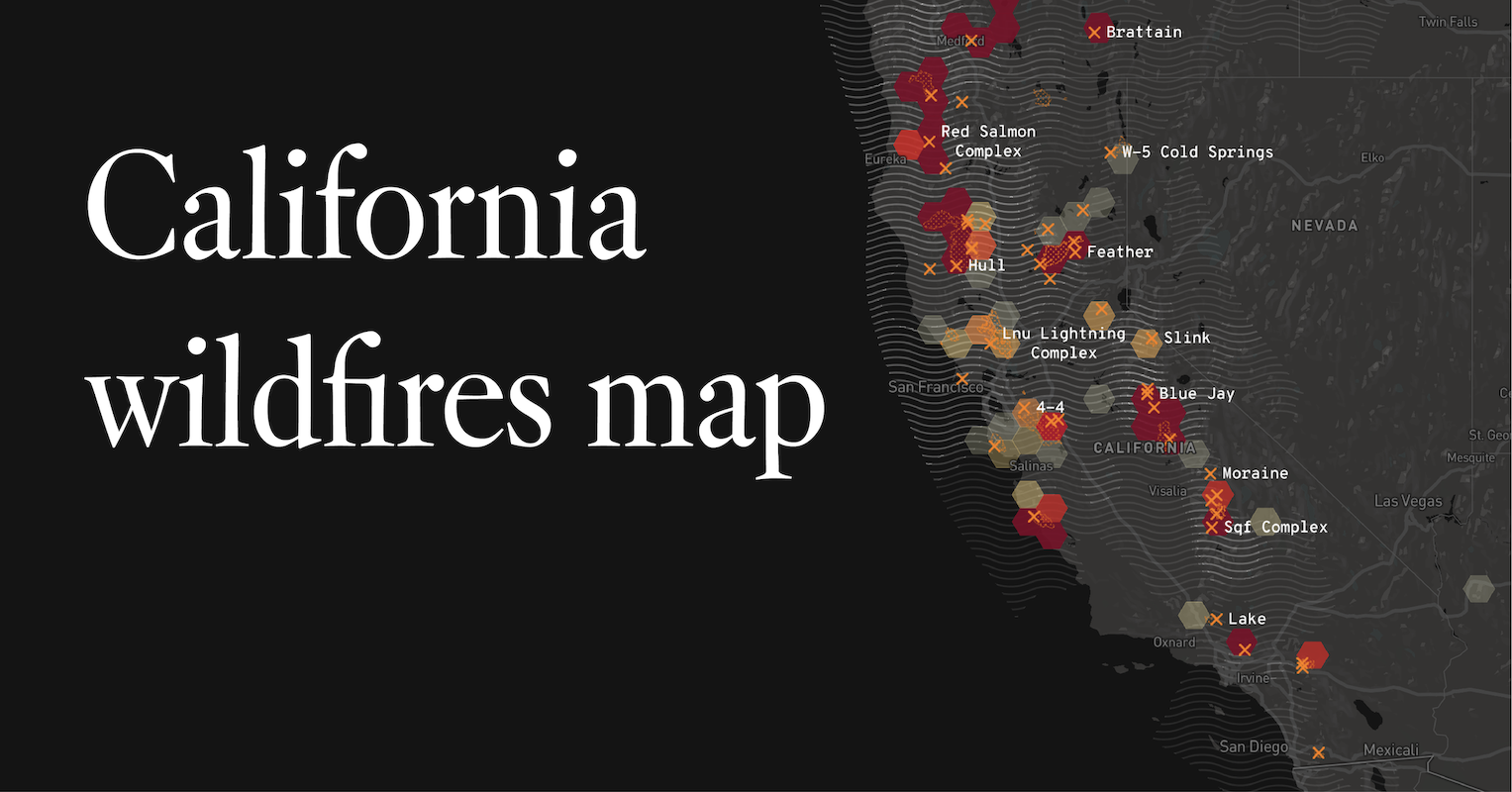
Understanding California’s Wildfire Landscape for Tourists
Wildfires in California are a complex phenomenon, influenced by climate, topography, and human activity. While they can occur year-round, the fire season typically intensifies during late spring, summer, and fall, peaking from August through November. For tourists, this means that awareness and preparedness are paramount, especially if your travel plans coincide with these drier months.
Seasonal Considerations for Your California Trip
The timing of your visit significantly impacts the likelihood of encountering wildfire-related disruptions. Summer and early autumn, while offering ideal weather for many outdoor activities, are also when vegetation is driest and winds can be strongest. This period often sees increased fire activity, particularly in forested areas, chaparral, and grasslands. During these months, it’s wise to build flexibility into your itinerary and have alternative plans for activities that might be affected by fire, such as hiking closures in National Parks or poor air quality in certain regions. Conversely, traveling during the wetter winter and early spring months generally carries a lower wildfire risk, though occasional fires can still occur.
Key Factors Influencing Fire Activity
Understanding the primary drivers of California wildfires can help tourists appreciate the dynamic nature of the situation. Drought conditions, prevalent in recent years, leave vegetation extremely dry and susceptible to ignition. High temperatures exacerbate this dryness, while strong winds – notably the Santa Ana winds in Southern California and Diablo winds in Northern California – can rapidly spread fires over vast distances. Topography, such as steep canyons and dense forests, also plays a crucial role in fire behavior and suppression challenges. Being aware of these factors can empower tourists to make more informed decisions about their activities and destinations.
Real-Time Resources for Tourist Safety
The most effective way for tourists to stay safe and informed about wildfires in California is by leveraging official, real-time information sources. Relying on current data ensures that your travel decisions are based on the most accurate assessment of risks and conditions.
Official Incident Information
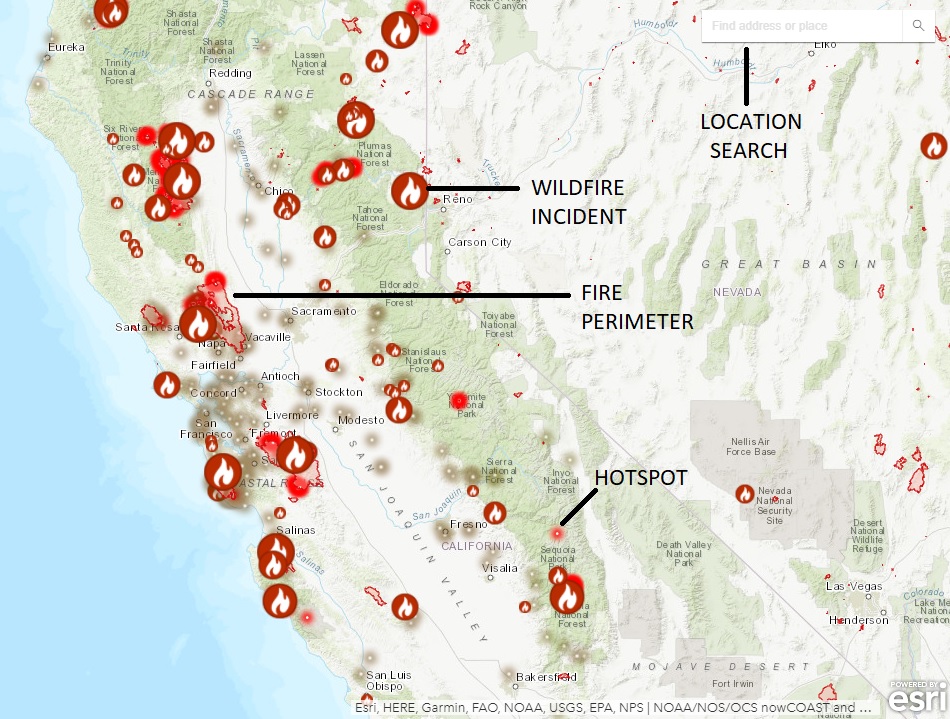
For comprehensive and up-to-date information on active wildfires, tourists should consult official government agencies. Cal Fire (the California Department of Forestry and Fire Protection) provides incident maps, status updates, and critical alerts for fires under state jurisdiction. Similarly, InciWeb serves as an interagency all-risk incident information management system, offering details on larger incidents, especially those affecting federal lands like National Parks and national forests. Regularly checking these sites before and during your trip allows you to pinpoint active fire locations, understand their containment status, and identify any evacuation orders or warnings that might impact your planned destinations.
Air Quality Monitoring
Beyond direct fire threats, smoke from wildfires can significantly impact air quality, posing health risks, especially for individuals with respiratory conditions. Websites like AirNow, a collaboration of U.S. federal, state, and local agencies, provide real-time air quality data by zip code. This allows tourists to monitor the Air Quality Index (AQI) in their current location or intended destination. If the AQI is high due to smoke, it’s advisable to limit outdoor activities, keep windows closed, and use air conditioning with recirculate settings. Many indoor attractions, such as museums, galleries, and culinary experiences, can serve as excellent alternatives during periods of poor air quality, allowing you to continue enjoying California’s cultural offerings.
Road Closures and Evacuation Routes
Wildfires often necessitate road closures, both for public safety and to allow emergency responders clear access. Before embarking on any road trip, especially through potentially affected areas, consult the California Department of Transportation (Caltrans) website or app for current road conditions and closures. Additionally, if you are in an area under an evacuation warning, familiarize yourself with designated evacuation routes. Local sheriff’s departments and emergency services often disseminate this information through their websites and social media channels. Having a clear understanding of potential alternative routes and emergency protocols is a crucial aspect of responsible tourism.
Navigating Popular California Tourist Regions During Fire Season
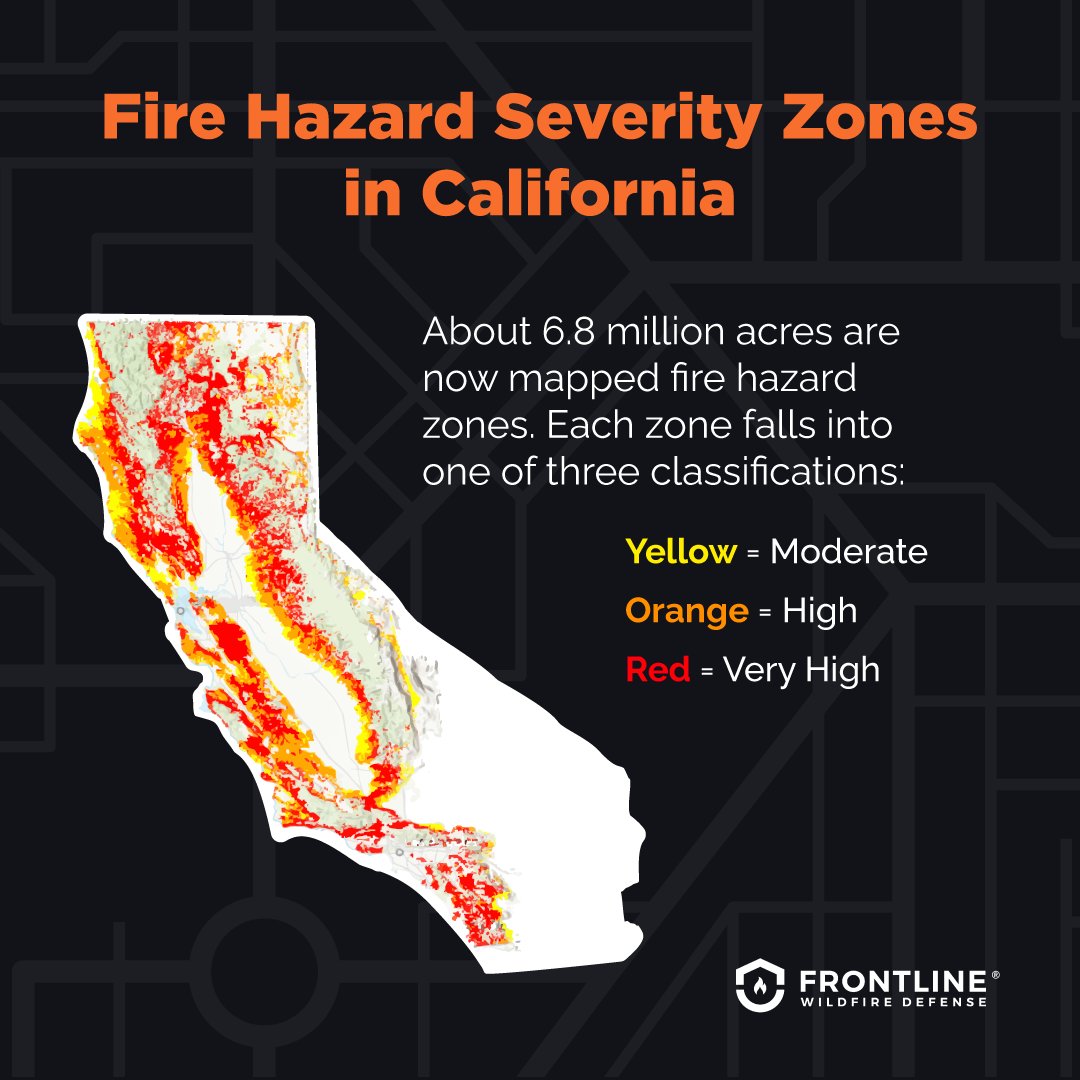
While wildfires can affect various parts of California, some regions are historically more prone or experience more significant impacts due to their topography and vegetation. Informed tourists can still enjoy these areas by staying vigilant and adapting their plans.
Northern California & Wine Country
Regions like Napa Valley and Sonoma County, famous for their vineyards and culinary scenes, have experienced significant fires in recent years. While the impact on wineries and restaurants can be profound, many operations bounce back with incredible resilience. Tourists visiting these areas during fire season should monitor local news, check for vineyard tour closures, and be aware of air quality, which can sometimes be affected even if fires are not directly adjacent. Alternative activities might include exploring indoor tasting rooms or focusing on urban attractions in nearby cities like San Francisco if rural areas are impacted. Mountainous regions like Lake Tahoe and the Tahoe National Forest are also susceptible, impacting hiking and outdoor recreation.
Central Coast & Southern California
The Central Coast, with its stunning Highway 1 vistas in areas like Big Sur, and Southern California, home to Los Angeles, San Diego, and popular coastal towns like Santa Barbara and Malibu, are also fire-prone. The chaparral-covered hillsides and dry conditions create a conducive environment for fires, often fanned by strong winds. While major metropolitan areas generally have strong emergency response systems, smoke can travel, and road closures impacting access to scenic routes or beaches can occur. Theme park visitors in Anaheim or beachgoers might experience smoke, but typically the immediate fire threat is to the wildland-urban interface. It’s crucial to heed local advisories and consider shifting plans from outdoor activities to indoor attractions like museums or shopping if air quality or direct threats are present.
National Parks and Wilderness Areas
California’s iconic National Parks such as Yosemite National Park, Sequoia and Kings Canyon National Parks, and Joshua Tree National Park are often at the heart of wildfire activity due to their vast natural landscapes. Park services are diligent in providing updates on fires, closures of trails, campgrounds, and sometimes entire sections of the park. Before visiting, always check the official park websites for current conditions, fire restrictions (like campfire bans), and any alerts. The Pacific Crest Trail also sees re-routes and closures during fire season. Flexibility is key; if a park is heavily impacted, consider exploring alternative natural attractions or focusing on accessible areas within the park that are not under immediate threat.
Responsible Tourism Practices Amidst Wildfire Threats
Tourism in California can continue safely and ethically, even with the presence of wildfires, by adopting a proactive and responsible approach.
Flexibility and Contingency Planning
The dynamic nature of wildfires means that travel plans might need to change rapidly. Tourists should cultivate flexibility in their itineraries, having backup plans for accommodations, activities, and routes. Consider booking refundable flights and lodging where possible, or purchasing travel insurance that covers wildfire-related cancellations or delays. This adaptive mindset not only enhances your personal safety but also reduces potential stress should unforeseen circumstances arise. Embrace the opportunity to discover new, unaffected areas of California or delve deeper into urban experiences if natural landscapes are temporarily inaccessible.
Supporting Local Communities Safely
When wildfires impact a region, local businesses, particularly those reliant on tourism, suffer significantly. Once areas are deemed safe and open, supporting these communities by visiting, dining, and shopping locally is an invaluable act of responsible tourism. However, it’s crucial to ensure your presence doesn’t impede recovery efforts or strain local resources. Always verify that an area is welcoming visitors again and operating normally before heading there. Check local tourism board websites or chamber of commerce resources for guidance on how to best support affected communities post-fire.
Personal Preparedness and Awareness
Every tourist has a role to play in fire prevention. Adhere strictly to all fire bans and regulations, especially regarding campfires and barbecues. Dispose of cigarettes properly, avoid parking hot vehicles on dry grass, and be mindful of anything that could spark a flame. Carry a basic emergency kit, including water, snacks, a first-aid kit, and a fully charged cell phone. Stay tuned to local news and emergency alerts, perhaps by signing up for county-specific alerts if available in your destination (e.g., Mono County alerts for Eastern Sierra). Knowing what to do in an emergency and being ready to evacuate if advised is crucial for personal safety and the safety of others.
Enjoying California Safely: A Proactive Approach
Despite the seasonal challenges posed by wildfires, California remains an extraordinary travel destination. By staying informed through official channels, understanding the environmental factors at play, and adopting responsible tourism practices, visitors can still experience the Golden State’s magnificent offerings. Prioritizing safety, showing flexibility, and supporting local communities are the cornerstones of a successful and impactful California adventure, allowing both residents and visitors to enjoy its unparalleled beauty with peace of mind.
LifeOutOfTheBox is a participant in the Amazon Services LLC Associates Program, an affiliate advertising program designed to provide a means for sites to earn advertising fees by advertising and linking to Amazon.com. Amazon, the Amazon logo, AmazonSupply, and the AmazonSupply logo are trademarks of Amazon.com, Inc. or its affiliates. As an Amazon Associate we earn affiliate commissions from qualifying purchases.