
Understanding the electoral college is fundamental to comprehending the mechanics of the United States presidential election. Each state is allocated a certain number of electoral votes, a figure directly tied to its representation in Congress. For the Granite State, this number holds significant weight in the quadrennial contest for the presidency. This exploration delves into New Hampshire’s electoral vote count, its historical context, and its impact on the broader electoral landscape.
The Foundation of Electoral Votes
The Electoral College, established by the Founding Fathers, is a unique American institution that determines the outcome of presidential elections. It’s not a direct popular vote system; instead, citizens vote for a slate of electors who, in turn, formally cast their ballots for president and vice president. The number of electoral votes each state receives is calculated based on its total number of representatives in the U.S. Congress. This congressional delegation comprises senators and representatives.
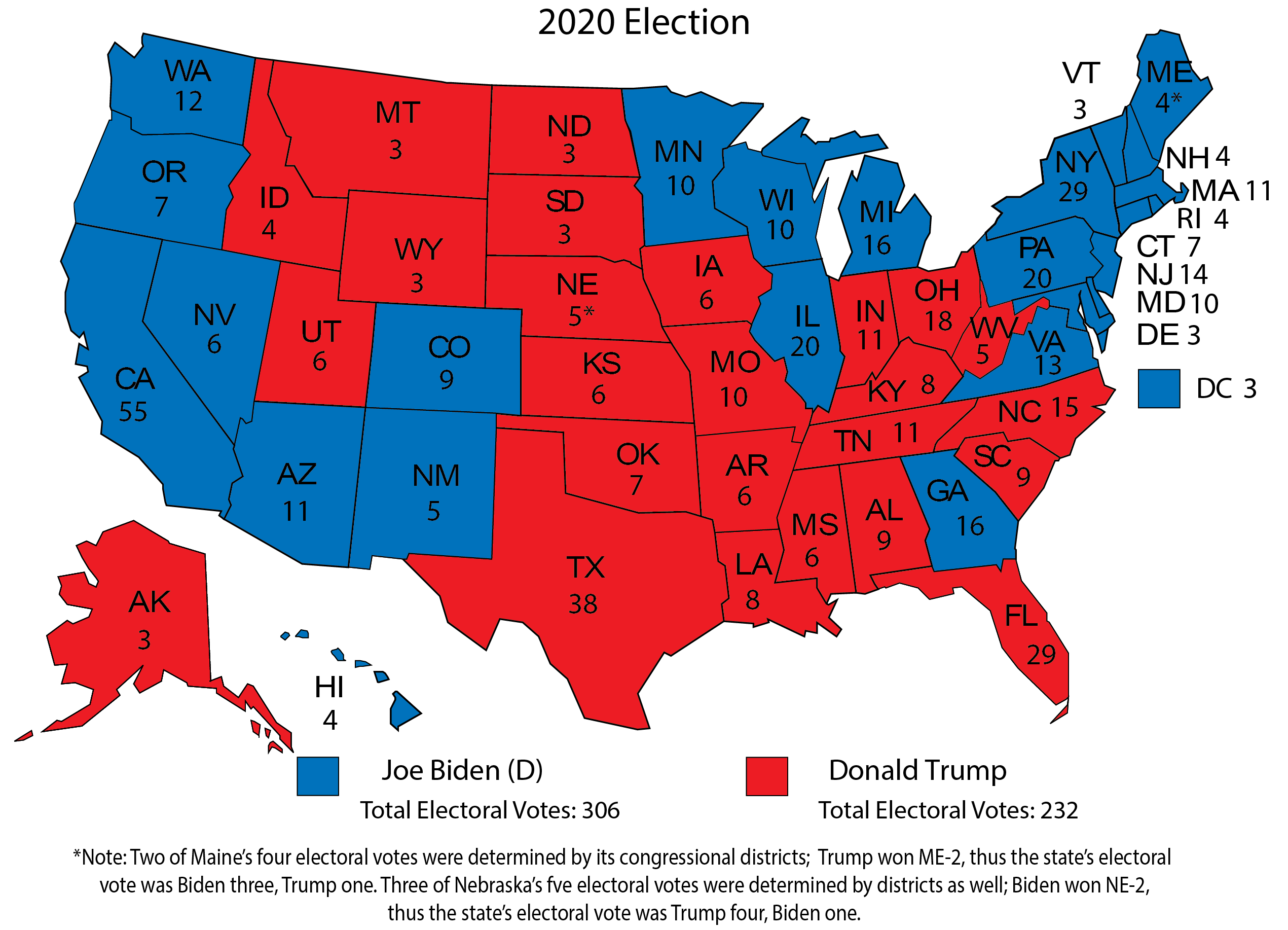
Congressional Representation: The Deciding Factor
Every state, regardless of its population size, is guaranteed two senators. The number of representatives in the House of Representatives, however, is based on each state’s population as determined by the decennial census. Consequently, states with larger populations tend to have more representatives in the House, thus increasing their total congressional delegation and, by extension, their electoral vote count.
- Senators: The United States Constitution grants each state two senators. This foundational principle ensures a degree of parity for smaller states in the Senate.
- Representatives: The number of representatives for each state is reapportioned every ten years after the census. This dynamic allocation reflects population shifts across the nation. The total number of representatives in the House is fixed at 435, distributed among the states according to their populations.
The sum of a state’s senators and its representatives in the House equals its total electoral votes. This simple formula is the bedrock of the Electoral College system.
New Hampshire’s Electoral Vote Count
Applying the aforementioned formula to the Granite State reveals its specific electoral vote allocation. New Hampshire has a congressional delegation consisting of two senators and two representatives in the House of Representatives.
Therefore, the calculation for New Hampshire’s electoral votes is:
- 2 Senators + 2 Representatives = 4 Electoral Votes
This means that New Hampshire is allocated four electoral votes in each presidential election. This number has remained consistent for several decades, reflecting the state’s population relative to other states in the Union. While the number of representatives can change based on census data, New Hampshire’s population has kept it at two House seats.
The Significance of Small States

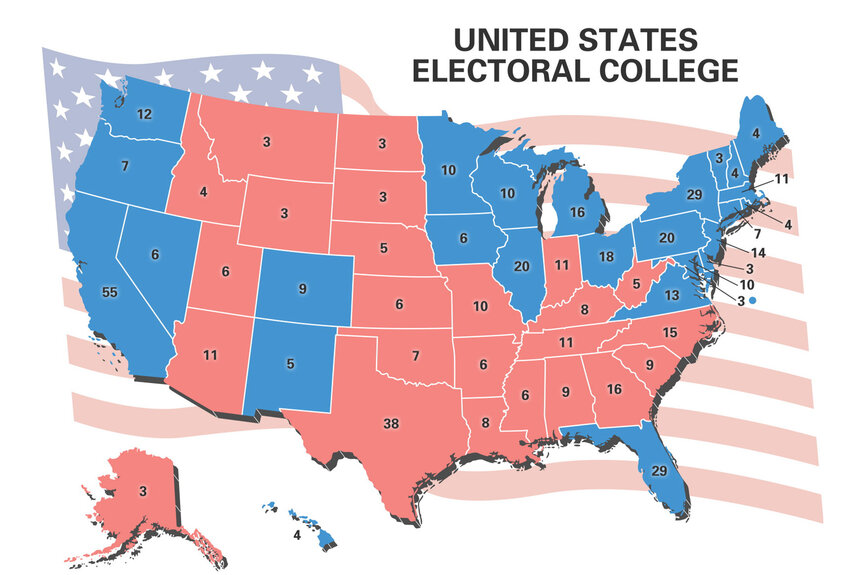
The allocation of electoral votes inherently gives disproportionate power to smaller states. Because every state receives at least three electoral votes (two senators + at least one representative), states with smaller populations have a higher ratio of electoral votes per capita than larger states. New Hampshire, as a relatively small state, benefits from this aspect of the Electoral College system. Its four electoral votes, while a small fraction of the total 538 electoral votes nationwide, can become crucial in closely contested elections.
Historical Context and Trends
New Hampshire’s electoral vote count has been a stable four for many presidential cycles. The state has historically been a swing state, meaning its electoral votes have often gone to either the Democratic or Republican candidate, making its outcome particularly important for both parties. This political dynamism, combined with its consistent electoral vote allocation, ensures that New Hampshire remains a focal point during presidential campaigns.
The Role of the First-in-the-Nation Primary
Beyond its electoral votes, New Hampshire holds a unique position in the presidential nominating process due to its status as the first state to hold a presidential primary. This “first-in-the-nation” status grants its voters and politicians an outsized influence in shaping the early narrative and momentum of a presidential campaign. Candidates often spend considerable time and resources in the Granite State, seeking to build a strong showing that can propel them forward. This early engagement naturally draws national attention to the state’s political landscape.
Shifting Demographics and Political Alignments
While the electoral vote count remains fixed, the political leanings of the state can evolve. Changes in demographics, economic conditions, and national political trends can influence how New Hampshire voters cast their ballots. Political analysts closely monitor these shifts, as a state with only four electoral votes can be decisive if the national election is very close. For instance, a few thousand votes in New Hampshire could potentially tip the balance of the entire presidential election.
The Impact on Presidential Campaigns
The presence of four electoral votes means that presidential candidates must pay attention to New Hampshire. While not as populous as states like California or Texas, its status as a swing state and its early primary role make it a vital stop on the campaign trail.
Strategic Importance in Close Elections
In a close presidential election, every electoral vote counts. The four electoral votes from New Hampshire could be the margin of victory for a candidate. This necessitates that campaigns allocate resources, such as advertising and candidate visits, to the state. Candidates often tailor their messaging to resonate with New Hampshire voters, addressing local concerns and issues.
The “Retail Politics” Environment
New Hampshire is known for its unique brand of “retail politics.” Candidates often engage in town hall meetings, intimate gatherings, and direct interactions with voters. This personal approach allows voters to feel a more direct connection with candidates and can influence their voting decisions. The state’s relatively small size and accessible geography facilitate this type of campaigning. For candidates, success in New Hampshire can provide a crucial boost of momentum and legitimacy.
Understanding the Electoral College Nuance
The question of “How Many Electoral Votes in [New Hampshire]?” is more than just a numerical inquiry; it touches upon the intricate workings of the United States presidential election system. With its four electoral votes, New Hampshire plays a role that belies its population size. Its consistent allocation, coupled with its historical status as a swing state and its pioneering role in the primary calendar, ensures that the Granite State remains a significant, though often overlooked, player in the pursuit of the presidency. The dynamic interplay of its congressional representation, its electoral vote count, and its unique political culture makes it a compelling case study in American democracy.
LifeOutOfTheBox is a participant in the Amazon Services LLC Associates Program, an affiliate advertising program designed to provide a means for sites to earn advertising fees by advertising and linking to Amazon.com. Amazon, the Amazon logo, AmazonSupply, and the AmazonSupply logo are trademarks of Amazon.com, Inc. or its affiliates. As an Amazon Associate we earn affiliate commissions from qualifying purchases.