
Navigating the picturesque highways and bustling urban streets of California is an iconic experience, whether you’re embarking on a scenic road trip along Highway 1 or cruising through the vibrant neighborhoods of Los Angeles. However, for both visitors and new residents, understanding local vehicle regulations is a crucial tip to ensure a seamless and penalty-free journey. Among the most common inquiries, especially from those accustomed to different state laws, is the requirement and placement of a front license plate. California law is quite specific on this matter, and non-compliance can lead to unexpected fines, dampening an otherwise perfect travel experience.

Understanding California’s Front License Plate Mandate
At its core, California Vehicle Code Section 5200 mandates that every vehicle operated on public roads must display two license plates: one mounted at the front and one at the rear. This seemingly simple rule is designed for several critical purposes, primarily related to public safety and law enforcement. The front plate significantly aids in vehicle identification, which is vital for automated toll collection, traffic monitoring, and, crucially, for law enforcement in identifying vehicles involved in traffic violations or criminal activities. From tracking stolen vehicles to assisting in Amber Alerts, the presence of a front license plate contributes to the overall safety and order on California’s roads.
While the regulation itself is straightforward, its application often raises questions, particularly for owners of certain vehicle types or those arriving from states with single-plate requirements. The law applies almost universally to passenger vehicles, trucks, and most other motor vehicles registered in California. This means that if you’re planning an extended stay, moving to the state, or even just passing through with a newly acquired vehicle that will be registered here, ensuring your front plate is correctly displayed is paramount. Ignoring this requirement, even inadvertently, can lead to direct interactions with law enforcement and financial penalties.
Legal Mounting Options for Your Vehicle
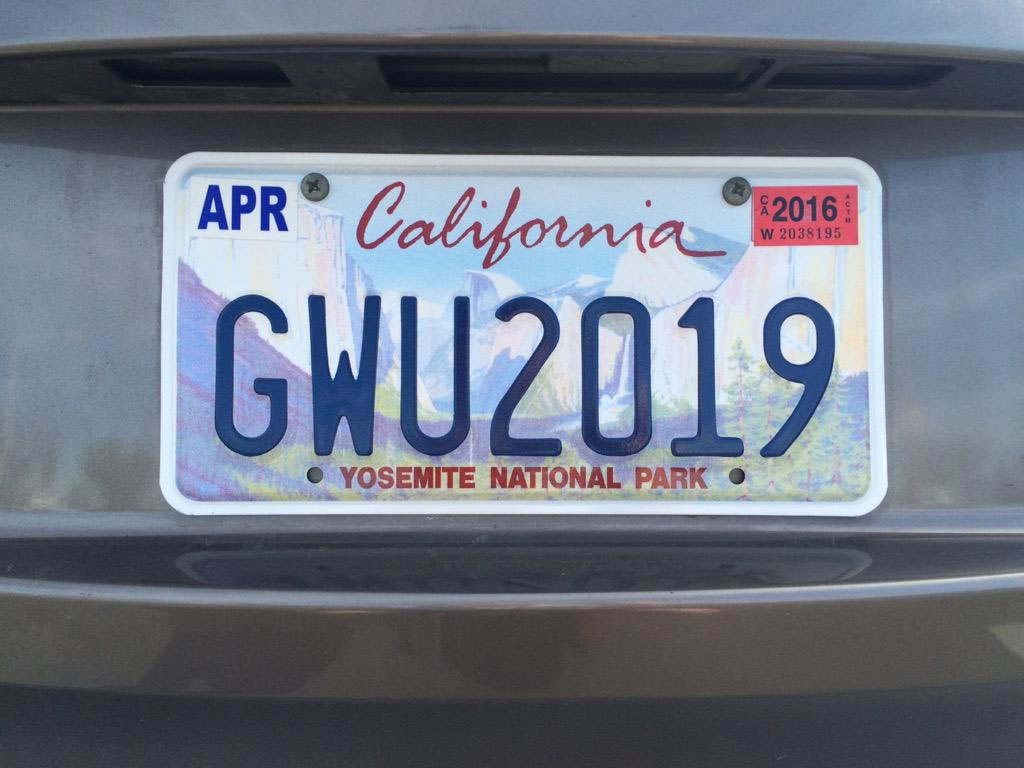
The California Department of Motor Vehicles (DMV) guidelines for license plate display are clear: the plates must be securely fastened to prevent swinging, clearly visible, and maintained in a condition so that all numbers and letters are legible. They must also be mounted in a horizontal position and at a height of no less than 12 inches from the ground, with some minor exceptions for specific vehicle designs. However, the specific location on the front of the vehicle often presents a challenge, especially for car enthusiasts or owners of vehicles with unique aesthetic designs that weren’t originally designed with a front plate in mind.
Standard Mounting Solutions
For most vehicles, car manufacturers include pre-drilled holes or designated mounting points on the front bumper. These are the simplest and most compliant locations for your front license plate. Utilizing these factory-intended spots ensures proper visibility and secure attachment, adhering directly to the DMV’s requirements. This is the recommended approach for the vast majority of drivers and offers the least likelihood of an issue.
Aftermarket Brackets and Adapters
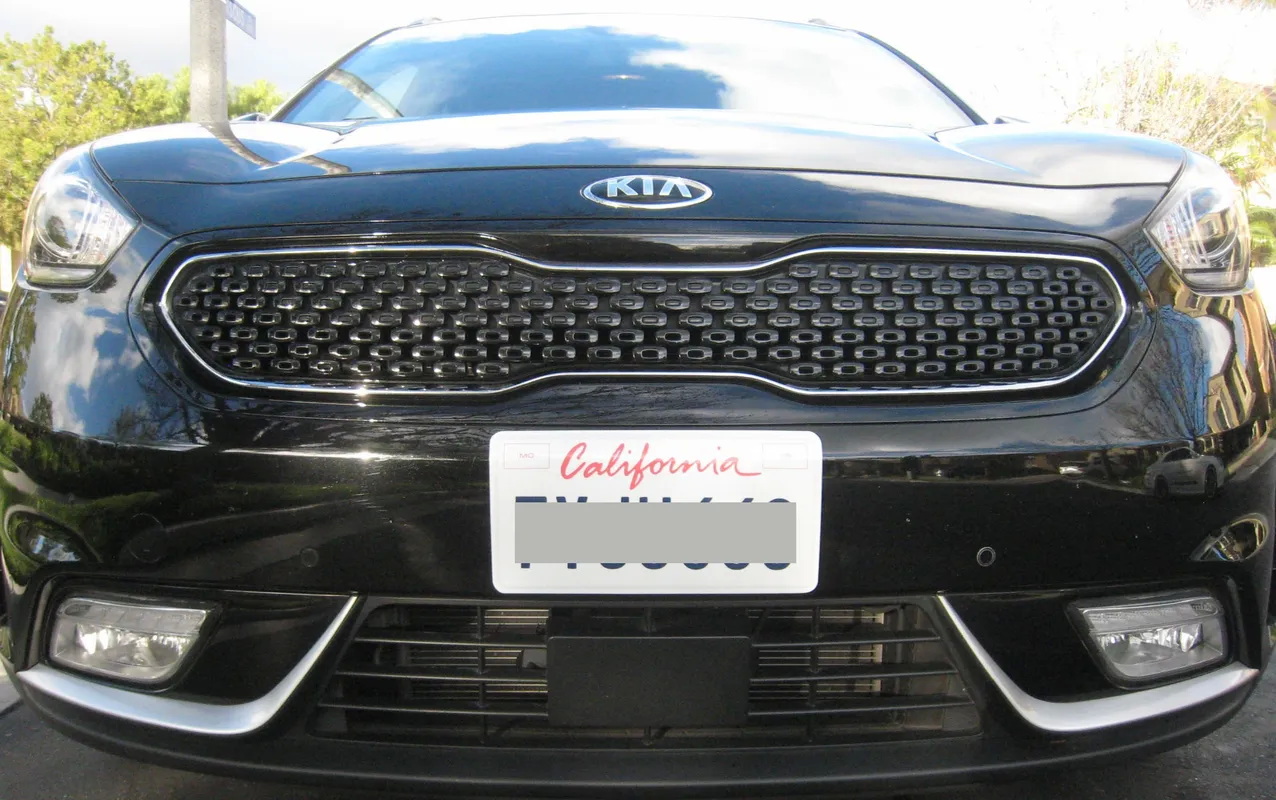
Where factory mounting points are absent or undesirable due to design, a variety of aftermarket solutions exist. These range from drill-free license plate brackets that attach via existing grilles or tow hook receivers to magnetic or adhesive-based mounts.
- Tow Hook Mounts: A popular option for sports cars or vehicles with oversized grilles, tow hook mounts screw into the vehicle’s existing tow hook receiver. These typically position the plate off-center, but still within legal visibility parameters, making them a common choice for those looking to preserve the front bumper’s aesthetics.
- Grille Mounts: Some brackets are designed to attach directly to the vehicle’s front grille, utilizing existing slats or openings. These are generally discreet and effective, often requiring no drilling into the bumper itself.
- Adhesive and Magnetic Mounts: Less common and often viewed with more skepticism by law enforcement due to potential for detachment or obscured visibility, these options aim for minimal alteration. If considering these, ensure they are robust enough to withstand highway speeds and weather conditions, and that they securely display the plate without obstruction. Always double-check with local laws or consult with a reputable automotive accessory provider to ensure compliance.
It’s crucial that any aftermarket solution chosen still meets the DMV’s visibility and security criteria. The plate must be rigidly fixed, visible from the front, and not obstructed by vehicle accessories (like bull bars or brush guards) or modifications. The goal is clear identification, and any setup that compromises this could still lead to a citation.
Vehicle Exemptions and Special Considerations
While the two-plate rule is widely applicable, there are a few specific exemptions and considerations that drivers should be aware of, though these are relatively rare.
Historic and Special Interest Vehicles
Certain vehicles designated as “historical vehicles” or “special interest vehicles” under California law may have different display requirements. These vehicles, often rare or collector’s items, may be eligible for special license plates that sometimes have different rules, particularly if the vehicle was manufactured before license plates were standardized or if a front plate would significantly detract from its historical accuracy or design. However, qualifying for these exemptions involves specific registration processes and meeting strict criteria outlined by the DMV, and it’s not a general waiver for modern vehicles.
Dealer and Manufacturer Plates
Vehicles operated by dealerships or manufacturers, often using temporary or dealer plates, may also have specific regulations regarding display, especially during transport or test drives. These typically involve temporary display methods that align with the interim nature of their use.
The “No Front Plate” Myth for Certain High-End Cars
There’s a persistent misconception, particularly among owners of high-end sports cars or luxury vehicles, that some models are exempt from the front plate requirement because their design aesthetic would be compromised, or because the manufacturer did not provide mounting points. This is largely a myth. Unless specifically exempted by California law (which is rare and usually tied to the historical vehicle category), all vehicles registered in California must display a front license plate. Manufacturers often provide a front bracket in the vehicle’s trunk for the owner to install post-purchase, or dealerships will install one as part of the sale process. Attempting to circumvent this rule for aesthetic reasons can result in fines and repeated citations.
Consequences of Non-Compliance
Ignoring California’s front license plate law is not merely a suggestion; it’s a legal requirement with tangible consequences. A missing or improperly displayed front license plate is considered an infraction under the California Vehicle Code.
Fines and Citations
The most immediate consequence of non-compliance is a traffic citation. The base fine for a missing front license plate can be around $25, but with additional court fees, surcharges, and penalties, the total cost can easily escalate to over $100 or even $200. This is a “fix-it ticket,” meaning that if you rectify the issue (i.e., install the plate) and provide proof to the court within a specified timeframe, the fine might be reduced or dismissed. However, the time and effort required to address the citation still represent an unnecessary hassle during your travels or daily life in California.
Traffic Stops and Further Scrutiny
A missing front license plate is a legitimate reason for law enforcement to initiate a traffic stop. While the initial reason for the stop may be minor, it can lead to further scrutiny of your vehicle, driver’s license, and registration. This can uncover other potential violations, turning a simple plate issue into a more complicated legal encounter. For tourists, such an interaction can be particularly disruptive and stressful, consuming valuable vacation time.
Vehicle Impoundment (Rare but Possible)
While highly unlikely for a first offense of a missing front plate, repeated non-compliance or a combination of other serious vehicle violations could, in extreme cases, lead to more severe actions, including vehicle impoundment. This is an extreme scenario but underscores the importance of adhering to all vehicle codes.
Practical Tips for Visitors and New Residents
For those exploring California or making it their new home, understanding and complying with the front license plate law is a straightforward way to avoid unnecessary complications.
Before You Arrive or Register
- Check Your Home State Laws: If you’re visiting from another state, verify if your home state requires a front license plate. If not, and you plan to register your vehicle in California, be prepared to install one.
- Inspect Your Vehicle: Before embarking on your California adventure, ensure both your front and rear plates are securely attached, visible, and legible. If your vehicle lacks a front plate and you’re moving to California, research appropriate mounting solutions in advance.
For New California Residents
- Prompt Installation: When you receive your California plates, install both of them immediately. Do not delay, even if you are waiting for a preferred aftermarket bracket.
- Dealership Assistance: If purchasing a new or used car in California, ensure the dealership handles the front license plate installation as part of the sale. They are typically well-versed in the requirements.
For Car Enthusiasts
- Prioritize Compliance: While aesthetics are important, legal compliance should always come first. Research and invest in high-quality, discreet mounting solutions that meet DMV guidelines without compromising your vehicle’s design or risking a citation. Many innovative solutions exist that cater to various car models.
- Stay Informed: Vehicle codes can evolve. Periodically check the California Department of Motor Vehicles website or consult with automotive experts to ensure your setup remains compliant.
Ultimately, the front license plate requirement in California is a simple regulation with a significant impact on public safety and smooth traffic flow. By understanding the law and proactively ensuring your vehicle is compliant, you can focus on enjoying the stunning landscapes and vibrant culture that California has to offer, free from the worry of avoidable fines or legal hassles.
LifeOutOfTheBox is a participant in the Amazon Services LLC Associates Program, an affiliate advertising program designed to provide a means for sites to earn advertising fees by advertising and linking to Amazon.com. Amazon, the Amazon logo, AmazonSupply, and the AmazonSupply logo are trademarks of Amazon.com, Inc. or its affiliates. As an Amazon Associate we earn affiliate commissions from qualifying purchases.