
Embarking on a California lifestyle, whether as a long-term resident, a business traveler on an extended stay, or a digital nomad soaking in the Golden State’s unique vibe, involves navigating various practicalities. Among these, understanding your state tax obligations and the mechanics of fulfilling them is paramount. While the question “Where do I send my California tax return?” might seem straightforward, its answer is deeply intertwined with your residency status, income sources, and chosen lifestyle in one of the most dynamic states in the nation. This guide aims to demystify the process, framing it within the broader context of managing your financial life in California.
Establishing Your California Lifestyle and Tax Residency
Your tax obligations in California begin with your residency status. This is not merely a formality but a foundational element that defines your financial relationship with the state and, by extension, shapes aspects of your lifestyle. Understanding whether you are a full-year resident, a part-year resident, or a non-resident is critical before you even consider where to send your return.
Defining Residency for the Golden State Lifestyle
For tax purposes, a California resident is generally anyone who is domiciled in the state, meaning California is your true, fixed, and permanent home. Even if you spend time outside California, you might still be considered a resident if your intent is to return. The Franchise Tax Board (FTB) looks at various factors to determine domicile and residency, including where you hold your driver’s license, register your vehicles, vote, own property, maintain bank accounts, or where your family resides. For those embracing a California lifestyle, these elements typically align, making residency clear. However, for individuals splitting their time, the lines can blur, necessitating careful consideration of your primary ties and intentions.
The Transient vs. Resident Taxpayer
The distinction between a transient visitor and an established resident has significant tax implications. If you’re on an extended business stay or enjoying a long-term vacation in California but maintain your primary domicile elsewhere, you might be classified as a non-resident or part-year resident. Non-residents are typically only taxed on income sourced within California, such as wages for work performed in the state or income from California-based properties. Part-year residents, on the other hand, will file a return for the portion of the year they were considered residents. Navigating this correctly is a cornerstone of responsible financial living, especially for those whose lifestyle involves frequent movement or maintaining residences in multiple locations. Misclassifying your status can lead to unexpected tax liabilities or missed opportunities for deductions.
Impact on Financial Planning and Lifestyle Choices
Your residency status directly impacts your overall financial planning. As a full-year resident, all your income, regardless of its source, is generally subject to California state income tax. This includes wages, investment income, and even passive income from out-of-state properties. This comprehensive taxation model means that individuals embracing a full California lifestyle need to factor state income tax rates into their budgeting, investment strategies, and retirement planning. For part-year residents or non-residents, careful tracking of income sources and periods of residency is crucial to avoid overpaying or underpaying your state taxes, ensuring your financial footprint in the Golden State is accurately represented.
The Franchise Tax Board (FTB): Your Key Destination for Returns
Once you’ve established your residency and understood your obligations, the next logical step is identifying the recipient of your California tax return. This agency is the Franchise Tax Board (FTB), California’s state tax collection agency, which functions much like the federal IRS for state-level taxation.
Navigating the FTB’s Role
The FTB is responsible for administering California’s personal income tax and corporation tax. Their website is an invaluable resource for forms, instructions, and general information regarding your state tax responsibilities. Understanding the FTB’s role is key to a smooth filing process and is an essential part of managing your financial lifestyle in the state. They provide comprehensive guidance for individuals, businesses, and various tax scenarios.
Physical Addresses for Mailing Returns
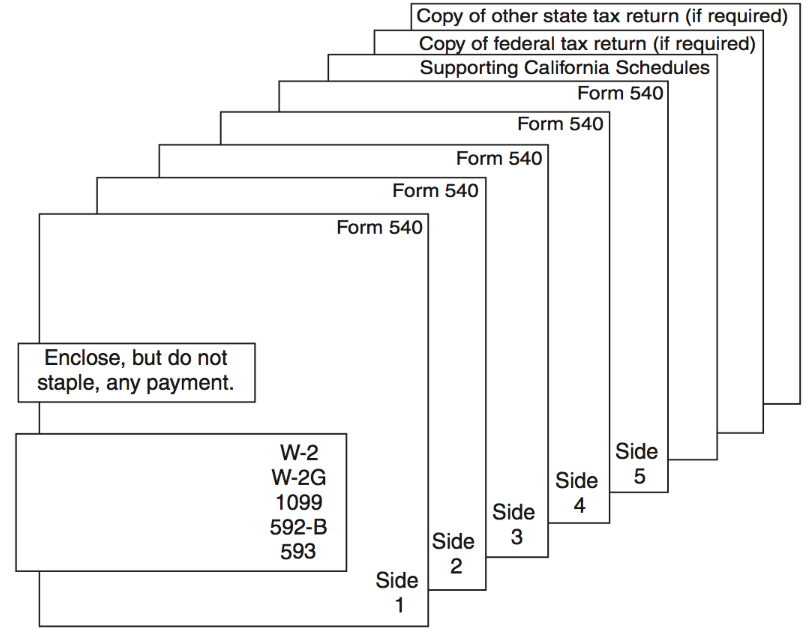
While e-filing has become the preferred and most efficient method, some individuals may still opt for traditional paper filing. If you are mailing your California tax return, the specific mailing address depends on whether you are enclosing a payment with your return. It’s crucial to use the correct address to ensure your return is processed promptly. The primary headquarters of the FTB is located in Sacramento, but specific P.O. Box addresses are used for different filing scenarios.
For returns with payment:
- FRANCHISE TAX BOARD
PO BOX 942867
SACRAMENTO CA 94267-0001
For returns without payment, or refund returns:
- FRANCHISE TAX BOARD
PO BOX 942840
SACRAMENTO CA 94240-0002
Always double-check the latest instructions on the official FTB website or your tax software, as addresses can occasionally be updated. Using certified mail with a return receipt is a prudent lifestyle choice for paper filers who wish to have proof of mailing and delivery.

The Digital Shift: E-filing for a Modern Lifestyle
For most California taxpayers, the question of “where to send” their return is increasingly answered by the digital realm. E-filing has become the standard due to its speed, accuracy, and convenience. The FTB strongly encourages electronic filing and offers various options:
- Approved Tax Software: Many popular tax software programs, such as TurboTax or H&R Block, allow you to prepare and e-file both your federal and California state tax returns simultaneously. This integrated approach streamlines the process, making it a seamless part of your modern lifestyle management.
- Tax Professionals: If you use an accountant or tax preparer, they will typically e-file your return on your behalf.
- FTB’s CalFile: For eligible taxpayers, the FTB offers CalFile, a free, direct e-filing service for simple California returns.
E-filing not only eliminates the need for mailing but also often results in faster processing of refunds and reduces the chances of errors. It’s a key component of a streamlined, tech-savvy financial lifestyle in California.
Digital Nomads, Remote Work, and California Tax Responsibilities
The landscape of work and lifestyle has been dramatically reshaped by remote work and the rise of digital nomadism. For those who choose the vibrant backdrop of California as their temporary or even semi-permanent base, understanding the nuances of state tax responsibility becomes even more critical. Your physical presence, even without establishing full residency, can trigger tax obligations.
The Evolving Work-Life Balance
The appeal of California for remote workers and digital nomads is undeniable, offering diverse environments from bustling cityscapes to serene coastal towns. However, the flexibility of working from anywhere doesn’t negate the need for tax compliance. If your lifestyle involves working remotely for an out-of-state company while physically present in California, your wages earned during that time are generally considered California-source income and are taxable by the state, regardless of your official residency status. This is a common pitfall for individuals who mistakenly believe they only owe taxes to their state of domicile.
Source Income vs. Residency Income
California employs a “source income” rule. This means that income derived from sources within California is taxable by the state, even if the recipient is a non-resident. For a digital nomad or remote worker, this often translates to wages for services performed while physically located in the state. For instance, if you live in Nevada but spend three months working remotely from Los Angeles, the income earned during those three months is California-source income. This requires careful tracking of your physical location relative to your work activities, a lifestyle discipline essential for modern mobile professionals.
Best Practices for the Mobile Professional
Managing tax obligations across multiple states or even countries requires a proactive approach. For digital nomads and remote workers enjoying the California lifestyle, consider these best practices:
- Maintain Detailed Records: Keep meticulous logs of your physical location and the dates you spent in California for work purposes. This documentation is invaluable if the FTB inquires about your income sourcing.
- Understand Employer Obligations: If your employer is aware you are working from California, they may have withholding obligations for state taxes. Discuss this with your HR or payroll department.
- Consider Estimated Taxes: If no California income tax is withheld, you may need to pay estimated taxes quarterly to avoid penalties. This is a crucial financial planning step for self-employed individuals or those with significant non-wage income.
- Seek Professional Advice: Given the complexities of multi-state taxation and residency rules, consulting a tax professional specializing in cross-state taxation is highly recommended. Their expertise can ensure compliance and optimize your tax strategy, allowing you to fully enjoy your mobile lifestyle without undue financial stress.
Beyond the Envelope: Strategic Financial Planning in the Golden State
Understanding where to send your California tax return is just one piece of the broader puzzle of managing your financial life in the state. For those embracing a California lifestyle, proactive and strategic financial planning extends far beyond the annual filing deadline, encompassing year-round awareness and smart resource utilization.
Proactive Tax Planning for Your California Lifestyle
A truly insightful approach to personal finance involves continuous tax planning, not just a scramble during tax season. For California residents, this means understanding the state’s specific deductions, credits, and exemption rules that can impact your overall tax liability. Are you maximizing contributions to retirement accounts? Are you aware of any state-specific tax credits for which you qualify, such as the California Earned Income Tax Credit (CalEITC)? Proactive planning can involve adjusting your payroll withholdings to avoid a large tax bill or overpayment, managing capital gains, and strategically planning charitable contributions. By integrating tax considerations into your daily financial decisions, you can foster a more secure and predictable financial lifestyle in the Golden State.
Leveraging Technology for Financial Wellness
In today’s digital age, technology offers powerful tools to simplify tax management and enhance financial wellness. Beyond e-filing, many online platforms and software solutions can help you track expenses, categorize income, and even project your tax liability throughout the year. Tools like TurboTax, H&R Block, and various personal finance apps offer integrations that can pull data directly from your bank accounts and investment platforms, streamlining the collection of information needed for your return. The FTB itself provides a wealth of online resources, FAQs, and interactive tools on its website, designed to empower taxpayers with the information they need to manage their state taxes effectively. Embracing these technological aids is a hallmark of a modern, efficient California lifestyle.
When to Seek Professional Guidance
While self-filing and online resources are sufficient for many, certain situations warrant the expertise of a qualified tax professional. If your California lifestyle involves complex financial scenarios, such as:
- Multi-state income or residency issues: Particularly for digital nomads or those with homes in different states.
- Business ownership or significant freelance income: Navigating business deductions, self-employment taxes, and pass-through entity taxation.
- Major life changes: Marriage, divorce, birth of a child, significant inheritance, or large property transactions.
- Investments with complex tax implications: Stock options, cryptocurrency, or extensive real estate portfolios.
A tax professional can offer personalized advice, ensure compliance with the latest tax laws, identify all eligible deductions and credits, and represent you if there’s an audit. Their guidance can save you time, reduce stress, and potentially optimize your financial outcomes, allowing you to focus on enjoying the rich and diverse lifestyle that California has to offer.
LifeOutOfTheBox is a participant in the Amazon Services LLC Associates Program, an affiliate advertising program designed to provide a means for sites to earn advertising fees by advertising and linking to Amazon.com. Amazon, the Amazon logo, AmazonSupply, and the AmazonSupply logo are trademarks of Amazon.com, Inc. or its affiliates. As an Amazon Associate we earn affiliate commissions from qualifying purchases.