
Fort Irwin, California, a name frequently heard in military circles, often remains an enigma for those outside its immediate community. Its location, a remote expanse within the vast Mojave Desert, is not merely a geographic point but a crucial aspect defining its purpose, accessibility, and the unique travel considerations it presents. For anyone seeking to understand or navigate this significant military installation, pinpointing its exact whereabouts and understanding the surrounding landscape is the essential first step in any travel itinerary.
Pinpointing Fort Irwin: A Desert Enclave in the Mojave
Understanding “where” Fort Irwin is begins with its geographical context: deep within the high desert environment of Southern California. It’s an area characterized by stark beauty, extreme temperatures, and an expansive, largely unpopulated landscape.
Geographical Coordinates and General Location
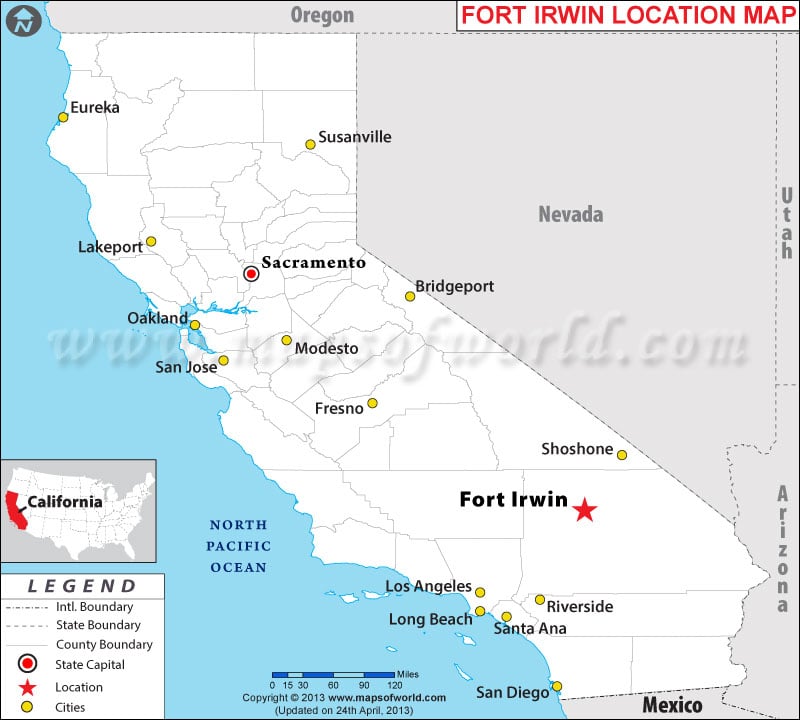
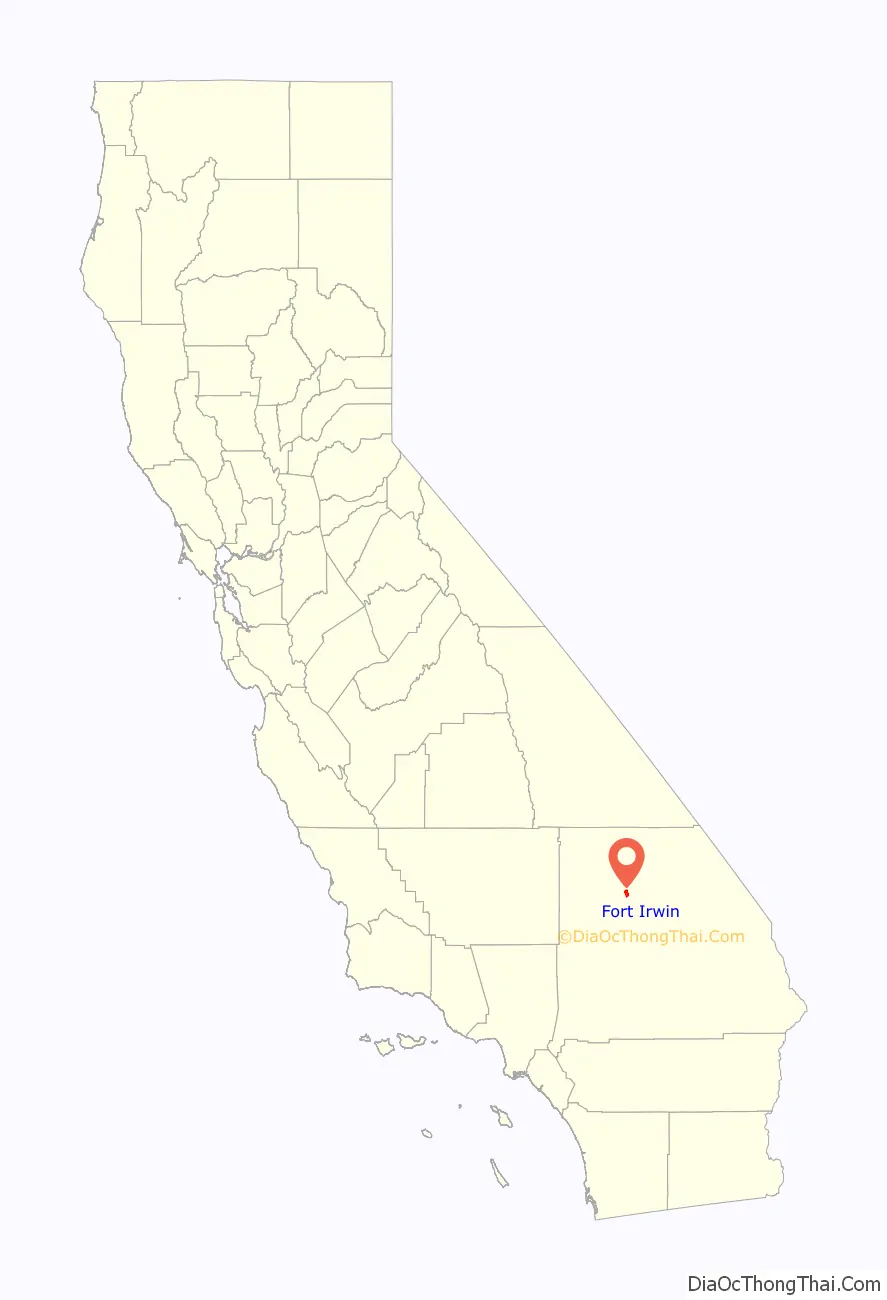
Fort Irwin is officially known as the National Training Center (NTC), a major maneuver area for the United States Army. It is situated approximately 37 miles northeast of the city of Barstow in San Bernardino County, California. Geographically, it falls roughly between the coordinates 35.2755° N latitude and 116.6908° W longitude. This places it firmly within the central Mojave Desert, an arid region known for its dramatic geological formations, unique desert flora, and vast open spaces.
The base itself encompasses an enormous area, spanning over 1,000 square miles (approximately 640,000 acres) of desert terrain. This vastness is integral to its function as a premier training facility, allowing for realistic large-scale military exercises that require significant land area away from civilian populations. Its remoteness is a feature, not a bug, providing the necessary isolation for these operations.
Distance from Major Hubs and Cities
While seemingly isolated, Fort Irwin is accessible from several key urban centers, albeit with considerable driving times. Travelers often approach from these larger cities, making understanding the distances crucial for planning:
- From Los Angeles, California: The drive from Los Angeles is approximately 150-180 miles, depending on the starting point within the metropolitan area. This journey typically takes between 2.5 to 3.5 hours, traversing Interstate 15 (I-15) through Cajon Pass and then heading north from Barstow.
- From Las Vegas, Nevada: For those traveling from the east, Las Vegas, Nevada, serves as another major access point. The distance is roughly 140 miles, translating to a driving time of about 2 to 2.5 hours. This route also primarily utilizes Interstate 15 southbound before the turn-off towards Fort Irwin.
- From Barstow, California: As the closest significant town, Barstow is the most direct gateway. The drive from central Barstow to the main gate of Fort Irwin is about 37 miles and generally takes 45 minutes to an hour, depending on traffic and road conditions on Fort Irwin Road.
These distances underscore the need for careful planning, particularly concerning fuel stops, vehicle readiness, and awareness of the desolate stretches of road.
The Unique Landscape and Environment of the Mojave
The setting of Fort Irwin within the Mojave Desert is not incidental; it is fundamental to its identity and function. This high desert environment presents unique challenges and opportunities, shaping everything from daily life on base to the specific nature of military training conducted there.
Climate and Terrain
The Mojave Desert is characterized by its extreme continental climate. Summers are intensely hot, with temperatures frequently exceeding 100°F (38°C), sometimes even reaching 120°F (49°C). Winters are generally mild but can see freezing temperatures at night. Rainfall is scarce, typically less than 5 inches (13 cm) annually, contributing to the arid conditions. Wind is a constant factor, often leading to dust storms that can reduce visibility and impact travel.
The terrain itself is a complex mosaic of broad valleys, rugged mountain ranges (such as the Granite Mountains and the Avawatz Mountains within the training area), dry lakebeds (playas), and vast expanses of creosote bush scrubland. This varied topography is precisely what makes it an ideal, challenging environment for military exercises, simulating diverse operational conditions. Travelers to the area must be prepared for these extremes, with adequate water, sun protection, and a reliable vehicle being paramount.
Why This Location? The Strategic Importance
The choice of the Mojave Desert for a major training center like Fort Irwin is rooted in strategic necessity. The expansive, largely uninhabited nature of the land provides an unparalleled opportunity for large-scale, live-fire maneuvers that would be impossible in more densely populated or environmentally sensitive regions. The desert environment itself acts as a formidable training ground, forcing soldiers to operate in harsh conditions akin to those found in various global theaters of conflict.
Furthermore, the remote location minimizes noise and environmental impact on civilian communities, allowing for round-the-clock training with heavy artillery, air support, and ground forces. For visitors or personnel traveling to Fort Irwin, understanding this context clarifies why the travel experience differs significantly from reaching a typical urban military base. It’s a journey into a strategically chosen wilderness.
Accessing Fort Irwin: Travel Considerations
While Fort Irwin is geographically isolated, it is not inaccessible. Strategic planning and an understanding of the available routes and services are crucial for a smooth journey.
Primary Routes and Highways
The primary artery connecting Fort Irwin to the rest of California and beyond is Interstate 15 (I-15). This major north-south freeway links Southern California with Las Vegas and points further north.
- From Interstate 15: The most common approach for visitors is to take the Fort Irwin Road exit (Exit 189) from I-15. This exit is located just north of Barstow. Once off the freeway, travelers proceed north on Fort Irwin Road directly to the base’s main gate. This road is well-maintained but traverses a considerable distance through undeveloped desert.
- Other Routes: While less common for direct access, Highway 58 (CA-58) can be used to approach Barstow from the west (e.g., from Bakersfield or other Central Valley locations) before connecting to I-15 and then Fort Irwin Road. Regardless of the starting point, the final leg of the journey almost always involves the dedicated Fort Irwin Road.
Nearest Commercial Airports
For those traveling long distances, flying into a major airport and then driving is the most practical option.
- Ontario International Airport (ONT): Located in Ontario, California, ONT is the closest major airport within California. It’s approximately 100 miles south of Barstow, making the total drive to Fort Irwin around 2.5 to 3 hours. ONT offers a good range of domestic flights and rental car services.
- Harry Reid International Airport (LAS): Situated in Las Vegas, Nevada, LAS is another popular choice, particularly for those coming from outside California. The drive from LAS to Fort Irwin is comparable in length to the drive from ONT, usually around 2 to 2.5 hours. LAS offers extensive flight options, both domestic and international, along with comprehensive car rental facilities.
- Los Angeles International Airport (LAX): While further away (approximately 175 miles), LAX remains a viable option for international travelers or those seeking specific flight connections. However, the drive from LAX is longer, typically 3.5 to 4.5 hours, and can be significantly impacted by Los Angeles traffic.
From any of these airports, renting a car is almost a necessity for the final leg of the journey, as public transport options to Fort Irwin are extremely limited. Shuttle services may be available for military personnel but are not typically offered for general visitors.
Fort Irwin’s Role and Its Impact on Regional Travel
While not a conventional tourist destination, Fort Irwin’s presence profoundly shapes the travel landscape of the surrounding Mojave Desert region, particularly impacting nearby communities and the flow of specific types of travelers.
A Military Community in Isolation
Fort Irwin functions as a self-contained military city. It provides housing, schools, healthcare, and recreational facilities for the thousands of service members and their families stationed there. Access to the base is restricted to authorized personnel, visitors with a sponsor, or those with official business. This means that unlike a public landmark, one cannot simply drive onto Fort Irwin for sightseeing. Travel to Fort Irwin is almost exclusively for those with a direct connection to the military or official duties. Understanding this restriction is critical for any potential traveler.
Nearby Towns and Traveler Services
Despite its isolation, the presence of Fort Irwin significantly bolsters the economy and services of nearby towns, most notably Barstow.
- Barstow, California: As the gateway to Fort Irwin, Barstow serves as a critical hub for travelers. It offers a range of hotels, motels, gas stations, restaurants, and essential retail services. Military families often utilize Barstow for supplies not available on base or for a change of scenery. The town also benefits from the constant flow of military personnel traveling to and from the NTC. For history enthusiasts, Barstow is also a significant stop along the historic Route 66, featuring attractions like the Mojave River Valley Museum and several classic Route 66 diners.
- Baker, California: Further east along I-15 and still within the Mojave Desert, Baker offers limited services, primarily gas and fast food. While not a direct gateway, it’s a common stop for those traveling the longer distance from Las Vegas or heading deeper into the desert.
- Regional Attractions: For visitors to the wider region, the Mojave National Preserve, a stunning protected area of diverse desert landscapes, is located relatively close to Fort Irwin. While unrelated to the base itself, its proximity offers opportunities for outdoor recreation and scenic drives for those in the area for other reasons, highlighting the desert’s natural appeal.

A Unique Travel Destination for Specific Interests
Fort Irwin is not a destination for the casual tourist, but it is a critical location for a specific demographic. It’s a destination for military families visiting loved ones, contractors supporting base operations, and military personnel deploying for training exercises. For these individuals, knowing “where is Fort Irwin?” transcends simple geography; it is foundational to their personal and professional travel plans, dictating logistics, preparation, and understanding the unique environment they will encounter. Its remote location in the heart of the Mojave Desert makes the journey itself part of the experience, demanding respect for the vast, arid beauty and careful planning for a destination unlike most others in California.
LifeOutOfTheBox is a participant in the Amazon Services LLC Associates Program, an affiliate advertising program designed to provide a means for sites to earn advertising fees by advertising and linking to Amazon.com. Amazon, the Amazon logo, AmazonSupply, and the AmazonSupply logo are trademarks of Amazon.com, Inc. or its affiliates. As an Amazon Associate we earn affiliate commissions from qualifying purchases.