
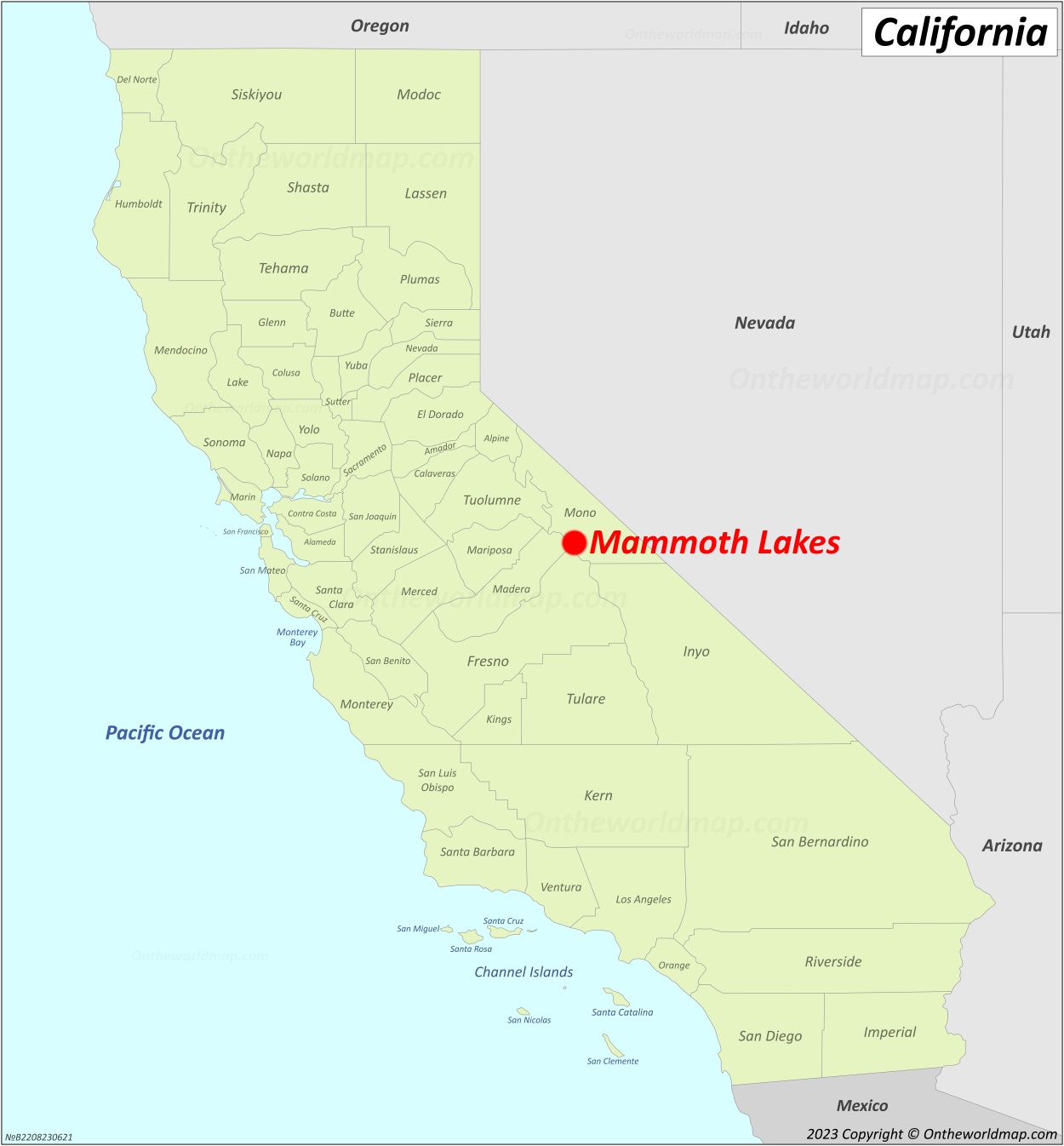
Perched majestically in the heart of California’s Eastern Sierra Nevada mountains, Mammoth Lakes is not just a geographical point; it’s a premier travel destination drawing adventurers and nature enthusiasts year-round. While often colloquially referred to as “Mammoth Lake,” the town and its surrounding region are officially known as Mammoth Lakes, encompassing numerous alpine lakes and a vibrant mountain community. Pinpointing its exact location on a map reveals a strategically situated gateway to some of the most stunning wilderness areas in the United States.
Pinpointing Mammoth Lakes: A High Sierra Gem
Mammoth Lakes is nestled at an elevation of approximately 7,880 feet (2,400 meters) above sea level in Mono County, California. It lies on the eastern slope of the expansive Sierra Nevada mountain range, making it a critical hub for exploring the high country. Its position offers unparalleled access to a diverse array of landscapes, from towering peaks and ancient forests to vast desert expanses just a short drive away. Understanding its location is the first step in planning an unforgettable journey to this alpine paradise.

Geographical Context and Elevation
The town of Mammoth Lakes is specifically located at roughly 37.6485° N latitude and 118.9723° W longitude. It’s cradled by significant natural landmarks. To its west rises Mammoth Mountain, a dominant volcanic peak that serves as one of California’s most renowned ski resorts. To the east, the landscape descends into the Owens Valley, offering dramatic contrasts in scenery. The entire region falls within the Inyo National Forest, characterized by its pristine wilderness, abundant wildlife, and thousands of miles of trails.
This high elevation means Mammoth Lakes experiences distinct four seasons, each offering a unique travel experience. Winter blankets the town in deep snow, transforming it into a ski and snowboard haven. Spring brings melting snow, rushing waterfalls, and blooming wildflowers. Summer is ideal for hiking, fishing, and boating, while autumn paints the aspens in brilliant hues of gold and crimson, attracting photographers and leaf-peepers. The town’s infrastructure is well-prepared to handle these seasonal shifts, ensuring accessibility for travelers year-round, though some high mountain roads may close during winter.
Major Access Routes
Traveling to Mammoth Lakes typically involves scenic drives along key highways. The primary artery is U.S. Route 395, a historic highway that runs north-south along the eastern side of the Sierra Nevada. This highway is celebrated for its breathtaking vistas, guiding travelers through a corridor of natural wonders.
- From Southern California: Travelers departing from major cities like Los Angeles or San Diego will typically head north on US-395. The drive from Los Angeles takes approximately 5-6 hours, covering about 300 miles. Key towns passed along the way include Palmdale, Mojave, and Bishop, offering opportunities for fuel, food, and rest stops. The ascent into the Eastern Sierra becomes increasingly dramatic, with views of towering peaks and vast desert valleys.
- From Northern California: Visitors from San Francisco or the Bay Area have a few options, depending on the season. During summer and fall, when Tioga Pass (Highway 120) through Yosemite National Park is open, this route provides an incredibly picturesque, albeit slower, journey. The total travel time from San Francisco via Tioga Pass can be around 6-7 hours. Alternatively, especially when Tioga Pass is closed (typically November through May/June), travelers must loop around the Sierra Nevada, usually heading east on Interstate 80 to Reno, then south on US-395. This route from San Francisco can take 7-9 hours.
- From Nevada: Reno, Nevada, serves as a northern gateway. The drive south on US-395 from Reno to Mammoth Lakes is approximately 3 hours, covering about 160 miles, passing notable sights like Lake Tahoe and Mono Lake.
For those preferring air travel, Mammoth Yosemite Airport (MMH) offers limited commercial flights, primarily connecting to major California hubs. This provides a quicker, albeit often more expensive, option for reaching the destination.
Why Mammoth Lakes is a Premier Travel Destination
Beyond its geographical coordinates, Mammoth Lakes stands out as a premier travel destination due to its incredible versatility and natural beauty. It’s a place where the journey itself is part of the experience, unfolding through dramatic landscapes leading to a vibrant mountain town brimming with activities. Its appeal is deeply rooted in the ease of access to world-class outdoor recreation, seamlessly blending adventure with the comforts of a well-equipped resort community.
Winter Wonderland Activities
During winter, Mammoth Lakes transforms into a snowy paradise, primarily centered around Mammoth Mountain Ski Area. This renowned resort boasts one of the longest ski seasons in North America, often running from early November into July. Travelers come from across the globe to experience its extensive terrain, catering to all skill levels from beginner slopes to challenging expert runs.
Beyond downhill skiing and snowboarding, the travel experience in winter extends to cross-country skiing and snowshoeing on groomed trails, snowmobiling through vast wilderness areas, and ice skating. The Lakes Basin, a stunning collection of alpine lakes just a short drive from the main village, offers frozen landscapes perfect for tranquil snowshoe treks. The travel guides for winter in Mammoth Lakes emphasize vehicle preparedness, including four-wheel drive or chains, due to heavy snowfall, ensuring a safe and smooth journey to this winter haven.
Summer and Autumn Adventures
When the snow melts, Mammoth Lakes unveils an equally impressive array of warm-weather travel opportunities. The spring melt fills rivers and streams, making it a prime time for fly-fishing and whitewater rafting. As summer peaks, the emphasis shifts to hiking, mountain biking, and exploring the vast network of trails in the surrounding Inyo National Forest.
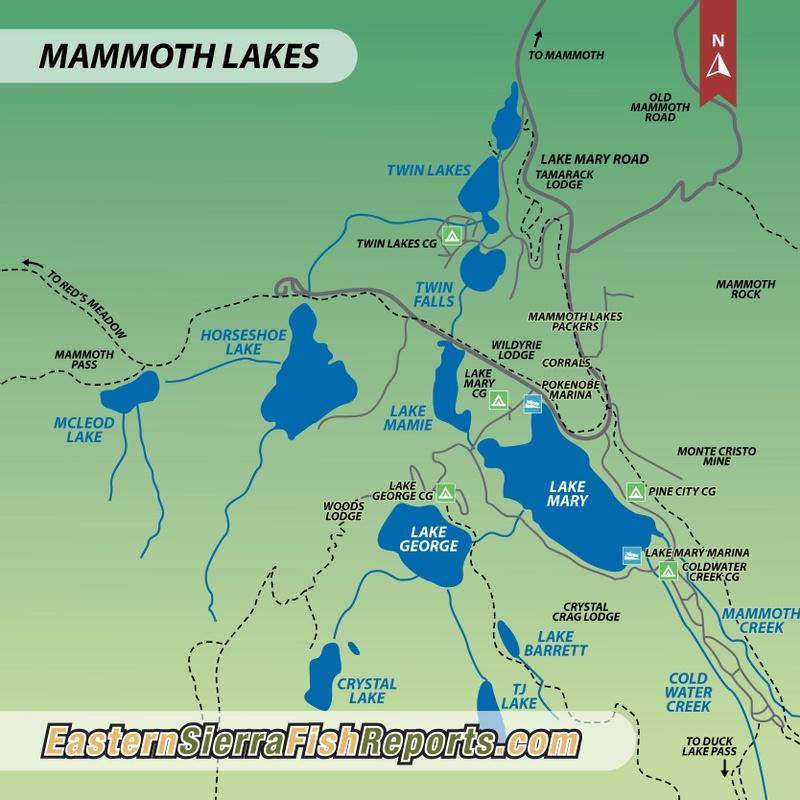
Iconic natural attractions like Devils Postpile National Monument and Rainbow Falls become accessible, offering stunning geological formations and picturesque waterfalls. The Lakes Basin becomes a hub for fishing, kayaking, and stand-up paddleboarding, with numerous campgrounds and day-use areas. Travelers can drive the scenic June Lake Loop, a 16-mile drive known as “Switzerland of California,” linking several beautiful lakes including June Lake, Gull Lake, and Silver Lake.
Autumn is celebrated for its spectacular fall foliage, particularly vibrant in the June Lake Loop and along US-395. This season offers a more serene travel experience, with crisp air, fewer crowds, and ideal conditions for hiking and photography before the winter snows return.
Navigating the Mammoth Lakes Region
Once you’ve made the journey to Mammoth Lakes, understanding how to navigate the area is crucial for maximizing your travel experience. The town itself is compact, but the surrounding wilderness and satellite attractions require some planning.
Getting Around Town
The town of Mammoth Lakes offers an efficient free public transit system known as the “Mammoth Lakes Transit System” (MLTS). This bus service connects major points of interest, including the Village at Mammoth, various lodges, the main Mammoth Mountain ski lifts, and key neighborhoods. During peak seasons, particularly winter, this service is invaluable for reducing traffic congestion and parking stress. Many hotels and accommodations are conveniently located near bus stops.
For shorter distances or exploring the immediate village area, walking is a pleasant option. During summer, cycling is popular, with paved bike paths linking different parts of the town and extending towards the Lakes Basin.
Exploring Beyond the Main Village
To truly experience the breadth of what Mammoth Lakes and the Eastern Sierra offer, a personal vehicle is often recommended, especially for venturing further afield. A car provides the freedom to explore scenic drives like the June Lake Loop, visit Mono Lake with its distinctive tufa towers, or embark on a day trip south towards Big Pine and the Bristlecone Pine Forest, or even as far as Death Valley National Park (seasonal access and conditions permitting).
Road conditions can change rapidly, especially in winter. Always check road closures and chain requirements before heading out. The visitor centers in Mammoth Lakes provide up-to-date information on trail conditions, road status, and weather forecasts, essential resources for any traveler.
Planning Your Journey to Mammoth Lakes
A successful travel experience to Mammoth Lakes begins with thoughtful planning. Considering the best time to visit and preparing for the unique aspects of mountain travel will ensure a smooth and enjoyable trip.
Best Times to Visit
The “best” time to visit Mammoth Lakes entirely depends on the desired activities:
- Winter (December – April): Ideal for skiing, snowboarding, and snow sports. Expect heavy snow, cold temperatures, and busy resort conditions. Book accommodations and ski passes well in advance.
- Spring (May – June): A transitional period offering a mix of late-season skiing and early-season hiking. Waterfalls are at their peak, and wildflowers begin to bloom. Some high-elevation roads may still be closed.
- Summer (July – September): Perfect for hiking, fishing, mountain biking, and water activities. Warm days, cool nights, and full access to all trails and lakes. This is peak season, so expect crowds and higher prices.
- Autumn (October – November): A quieter time known for stunning fall foliage. Excellent for hiking and photography. Ski season usually begins in early November.
Each season presents a distinct natural spectacle and recreational opportunity, making Mammoth Lakes a year-round travel destination.
Essential Travel Tips
Regardless of the season, a few key travel tips will enhance your trip to Mammoth Lakes:
- Altitude Sickness: Given the high elevation, travelers should be aware of altitude sickness. Stay hydrated, avoid strenuous activity on arrival, and consider spending a night at a lower elevation if susceptible.
- Weather Preparedness: Mountain weather can be unpredictable. Pack layers, even in summer, and be prepared for sudden changes. In winter, appropriate cold-weather gear is essential.
- Vehicle Preparation: If driving, ensure your vehicle is in good condition. In winter, snow tires or chains are often required, and four-wheel drive is highly recommended. Always carry extra water, snacks, and an emergency kit.
- Reservations: During peak seasons (winter and summer), accommodations, popular restaurant reservations, and even some trail permits (e.g., for Yosemite) should be booked far in advance.
- Leave No Trace: Practice responsible tourism. Pack out everything you pack in, stay on marked trails, and respect wildlife to preserve the pristine beauty of the Eastern Sierra for future travelers.
By understanding its location, how to get there, and what to expect, travelers can fully immerse themselves in the unparalleled beauty and adventure that define Mammoth Lakes, California. It’s not just a point on a map; it’s an experience waiting to be discovered.
LifeOutOfTheBox is a participant in the Amazon Services LLC Associates Program, an affiliate advertising program designed to provide a means for sites to earn advertising fees by advertising and linking to Amazon.com. Amazon, the Amazon logo, AmazonSupply, and the AmazonSupply logo are trademarks of Amazon.com, Inc. or its affiliates. As an Amazon Associate we earn affiliate commissions from qualifying purchases.