
California, the Golden State, renowned for its diverse landscapes, vibrant cities, and innovative spirit, operates under a system that often prompts a moment of confusion for residents and travelers alike: Daylight Saving Time (DST). Whether you’re planning a serene escape to Napa Valley, an adventurous trek through Yosemite National Park, or a bustling city break in Los Angeles, understanding when the time shifts is crucial for a seamless experience. This biennial adjustment of clocks can impact everything from your flight schedule and hotel check-in to dinner reservations and the timing of that perfect sunset photo over the Pacific Ocean. For anyone immersed in the world of travel, hospitality, and lifestyle experiences, being aware of these transitions is not just a matter of punctuality but a key element of effective trip planning and enjoying California’s myriad offerings.
Understanding Daylight Saving Time in California
At its core, Daylight Saving Time is an effort to make better use of daylight, traditionally by advancing clocks during warmer months so that darkness falls later in the evening. In California, like much of the United States, this means an annual ritual of “springing forward” and “falling back,” which can have subtle yet significant ramifications for both daily life and tourism.
The Annual Rhythm: Spring Forward and Fall Back
The precise dates for the time change in California follow a national standard established by the Uniform Time Act of 1966 and later amended.
- Spring Forward: Clocks “spring forward” by one hour on the second Sunday in March at 2:00 AM Pacific Standard Time (PST), shifting to 3:00 AM Pacific Daylight Time (PDT). This means you lose an hour of sleep, but gain an extra hour of daylight in the evening for several months. For travelers, this transition can make early morning flights feel even earlier, and affect the timing of breakfast at your hotel or the start of a morning tour.
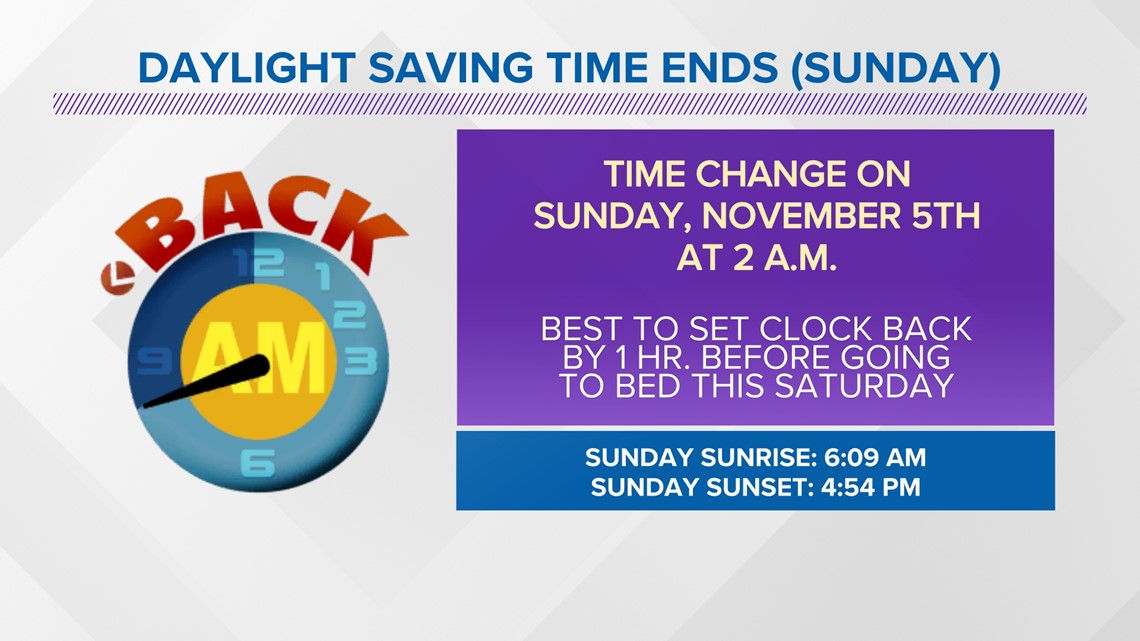
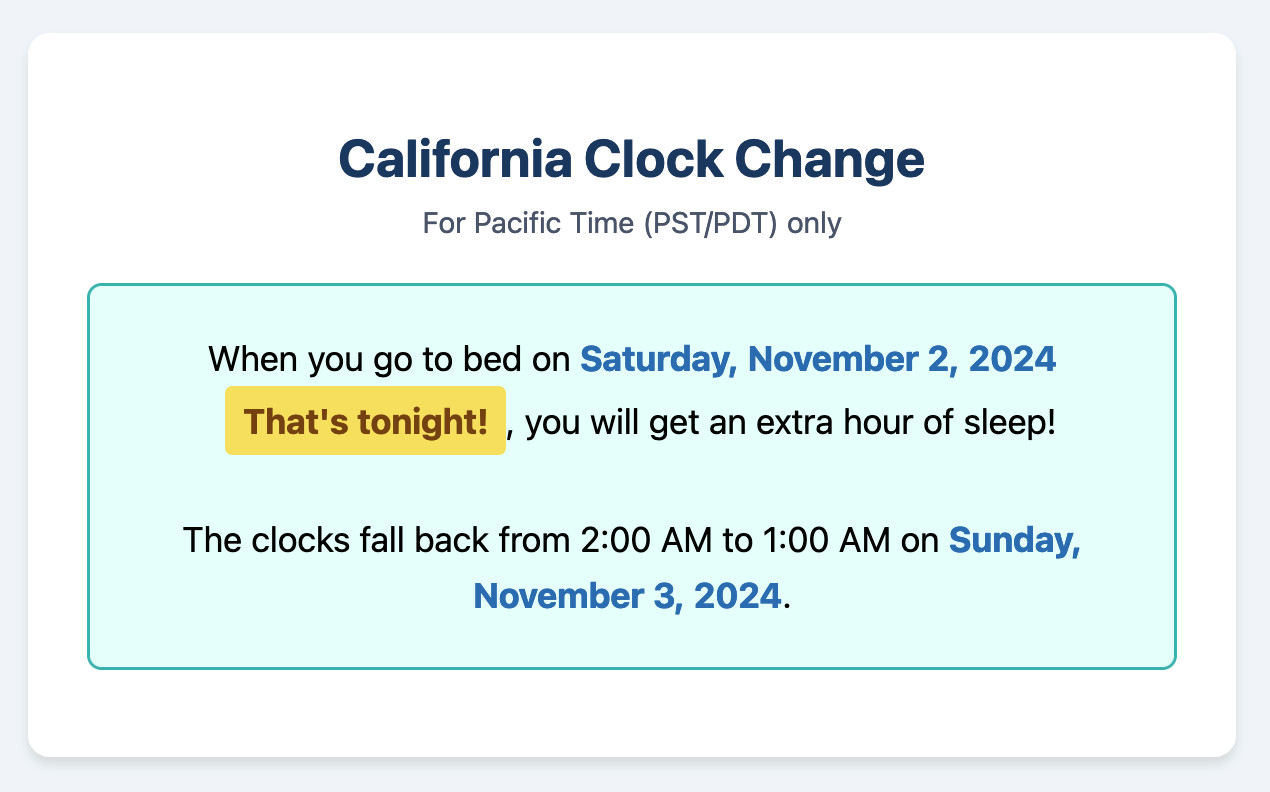
- Fall Back: Clocks “fall back” by one hour on the first Sunday in November at 2:00 AM Pacific Daylight Time (PDT), reverting to 1:00 AM Pacific Standard Time (PST). This effectively grants an extra hour, often touted as an additional hour of sleep, and brings earlier sunsets. While this might seem like a welcome bonus, it can also mean that outdoor attractions or activities might close earlier than expected for those accustomed to longer summer evenings.
These shifts define the rhythm of time in California, moving between Pacific Standard Time (PST) and Pacific Daylight Time (PDT). Being mindful of these dates is the first step in mastering your schedule in the Golden State, especially when booking travel, accommodation, or planning visits to landmarks.
A Brief History of DST in the Golden State
California’s relationship with Daylight Saving Time is a storied one, mirroring broader debates across the United States. While the federal law dictates the timing of DST, states have the option to opt out and remain on Standard Time year-round (as Arizona and Hawaii do). California, however, has historically observed DST.
The idea behind Daylight Saving Time initially aimed to conserve energy during wartime and later to optimize daylight for economic and recreational benefits. For a state like California, with its vast agricultural sector and an outdoor-centric lifestyle, the concept of extending evening daylight has always held appeal. More daylight hours in the evening can mean more time for outdoor activities, tourism, shopping, and dining, all crucial components of California’s economy.
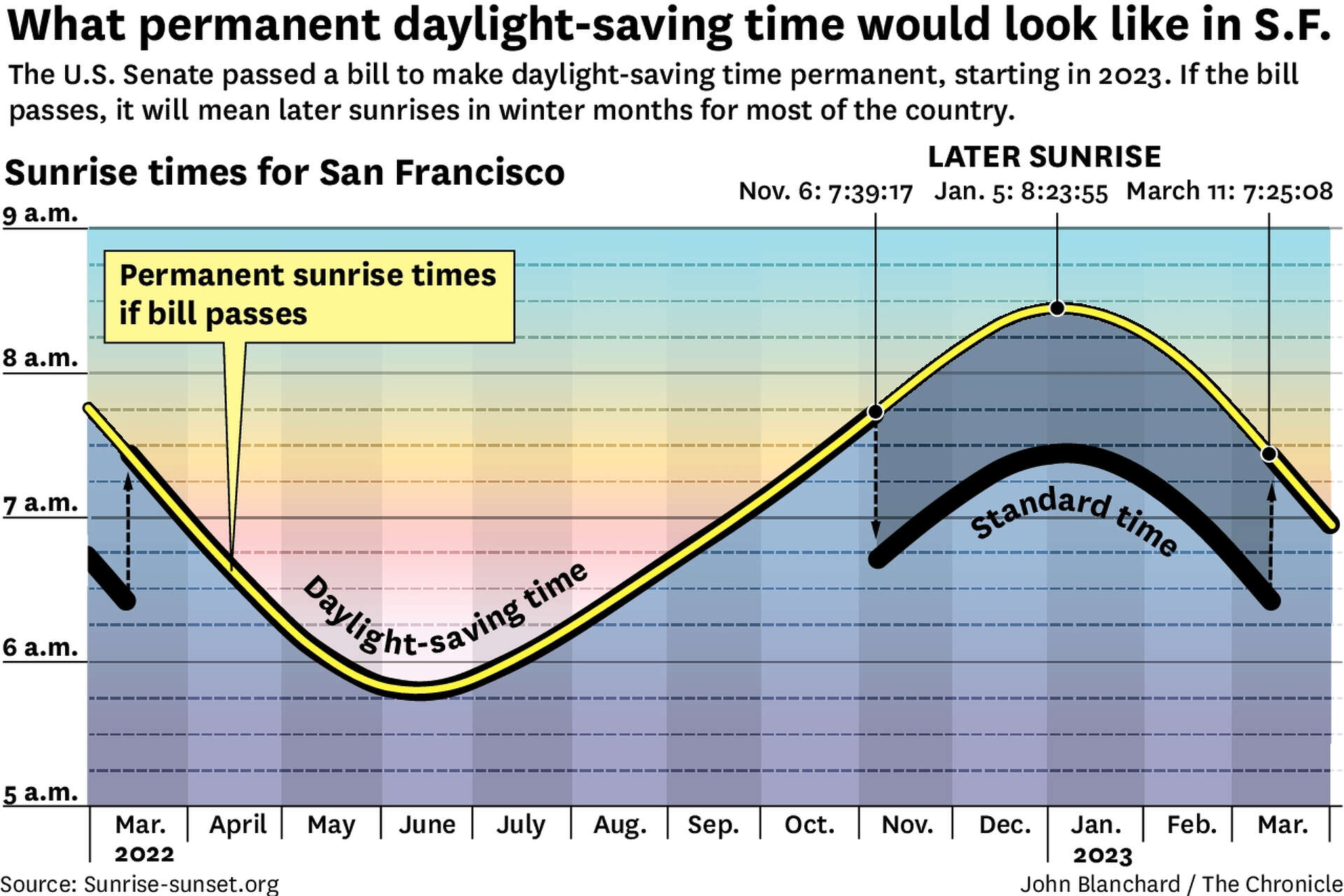
In recent years, however, the debate around Daylight Saving Time has intensified. Concerns about the impact on public health (sleep disruption), energy savings (which some studies suggest are minimal or even negative), and the general inconvenience of changing clocks have led to calls for its abolition or for California to adopt year-round Daylight Saving Time. In 2018, California voters passed Proposition 7, granting the state legislature the power to change DST. While this doesn’t automatically eliminate DST, it opens the door for future legislative action, potentially leading to California either remaining on Standard Time permanently or adopting year-round Daylight Saving Time, pending federal approval. For now, the biennial clock change remains an integral part of the Californian calendar.
Navigating Your California Journey Through Time Changes
For travelers and those involved in the tourism and hospitality industries, understanding the nuances of Daylight Saving Time in California is paramount. A seemingly small shift can ripple through your entire itinerary, affecting everything from waking up for a sunrise hike to catching a show in San Francisco.
Accommodation and Booking Adjustments
One of the first areas where DST impacts travel is accommodation. Hotels, resorts, and other lodging providers operate on strict schedules, and an unexpected hour can cause minor hiccups.
- Check-in/Check-out Times: While most hotels will automatically adjust their systems, it’s always wise to double-check your confirmed check-in and check-out times if your stay falls directly on a DST transition day. An early morning arrival on “spring forward” Sunday could feel even earlier, especially if you’re already battling jet lag. Similarly, on “fall back” Sunday, you might inadvertently miss an early check-out time if you forget the clock change.
- Booking Systems: When booking flights, tours, or accommodation far in advance, ensure that the booking system automatically accounts for the DST change. While most modern online platforms are sophisticated enough to handle this, a quick verification can prevent any last-minute confusion, particularly for international bookings where multiple time zones and DST rules might be at play.
- Resort Amenities: Services like breakfast hours, spa appointments, or shuttle schedules at resorts in areas like Palm Springs or Lake Tahoe will also adjust. Confirming these times with the front desk upon arrival or consulting the hotel’s app can help you stay on schedule and enjoy every amenity.
Synchronizing with Attractions, Tours, and Dining
California’s wealth of attractions, from theme parks to museums and natural landmarks, often have fixed operating hours that shift with DST.
- Theme Parks and Attractions: Iconic destinations like Disneyland Resort in Anaheim or Universal Studios Hollywood in Los Angeles adjust their opening and closing times with the seasonal shift. During “spring forward,” they might extend evening hours, offering more time for rides and shows. Conversely, after “fall back,” they might close earlier, requiring visitors to plan their day more efficiently. Always check the official website for the most up-to-date schedule.
- Guided Tours and Excursions: Whether you’re embarking on a wine tasting tour in Napa Valley, a scenic drive along Big Sur, or a city tour in San Diego, tour operators meticulously plan their departure and return times. Confirm your tour schedule if it falls on a DST transition day to avoid missing your bus or boat.
- Dining Reservations: A reservation for 7:00 PM on the “spring forward” Sunday is still at 7:00 PM, but your internal clock might feel like it’s 6:00 PM, leading to an earlier appetite or making you feel rushed. Conversely, on “fall back” Sunday, your 7:00 PM reservation will feel like 8:00 PM, potentially making you feel delayed. Factor this into your culinary plans, especially in popular dining districts like those in West Hollywood or Santa Monica.
Travel Logistics: Flights, Trains, and Road Trips
Transportation hubs and schedules are rigorously managed, yet DST can still introduce a layer of complexity.
- Flights: Airlines and airports operate on the local time of their respective locations. When flying into or out of California during a DST transition, your flight times will reflect the local time change. This means a flight departing at 8:00 AM PST on a “spring forward” Sunday will still depart at 8:00 AM PDT, effectively an hour later by your internal clock. Always confirm your flight details with the airline and ensure your personal devices have automatically updated to the correct time zone.
- Trains and Buses: Similar to flights, train and long-distance bus schedules will adhere to local time. If your journey spans a DST change, the timetable will adjust accordingly. Commuters on local services like BART in the San Francisco Bay Area or Metrolink in Southern California should also be aware of the shift, as early morning services might subtly adjust their relative timing.
- Road Trips: For those exploring California by car, the time change primarily affects arrival estimates and the timing of activities. If you’re driving from Nevada or Oregon into California on a DST Sunday, your devices should automatically update. However, if crossing into Arizona (which doesn’t observe DST in most areas) or Mexico (which has its own DST rules along the Mexican border in some states), manual adjustment or double-checking is often necessary to avoid confusion.
Maximizing Your California Experience During DST Transitions
Embracing the time changes as part of your California adventure, rather than a disruption, can enhance your travel lifestyle. Strategic planning allows you to mitigate the negatives and capitalize on the positives.
Embracing the “Spring Forward” Challenge
The “spring forward” transition can be the more challenging of the two, as it essentially “steals” an hour of sleep. For visitors to California, especially those arriving from other time zones, this can exacerbate jet lag.
- Pre-Adjust Your Sleep Schedule: In the days leading up to the second Sunday in March, try to shift your bedtime earlier by 15-30 minutes each night. This gradual adjustment can make the one-hour leap feel less jarring.
- Optimize Morning Activities: If you have an early flight or plan to visit popular landmarks like the Golden Gate Bridge or Griffith Observatory when crowds are thinner, be extra diligent with alarms. Consider a wake-up call from your hotel or set multiple alarms.
- Hydrate and Energize Naturally: Combat the initial fatigue by staying well-hydrated, opting for lighter meals, and incorporating gentle exercise into your routine. A brisk walk along a California beach or through a city park can do wonders.
- Enjoy Longer Evenings: The silver lining of “spring forward” is the extended daylight in the evenings. Plan your evening activities, such as exploring Santa Monica Pier, dining al fresco in San Francisco, or enjoying a sunset cruise, to take full advantage of the lingering golden hour.
Relishing the “Fall Back” Bonus Hour
The “fall back” transition, occurring on the first Sunday in November, is often perceived more positively, as it grants an extra hour. This can be a boon for those seeking relaxation or extra time to explore.
- Savor the Extra Sleep: If your travel schedule allows, indulge in the extra hour of sleep. This can be particularly beneficial after a long itinerary or before a busy day of sightseeing in cities like San Diego or Sacramento.
- Early Bird Opportunities: That extra hour can also be used for an early start to beat crowds at popular attractions or to catch a magnificent California sunrise. Imagine photographing the mist over Big Sur or enjoying a quiet moment at a deserted beach.
- Adjust to Earlier Sunsets: While the morning gains light, evenings become darker sooner. Plan your outdoor activities, such as hikes in Joshua Tree National Park or exploring Sequoia National Park, to conclude before dusk. This is also a perfect time to pivot to indoor tourism experiences, like museum visits, theatre shows, or cozy dinners.
Managing Jet Lag and Time Zone Shifts
For international visitors or those crossing multiple time zones within the United States to reach California, Daylight Saving Time adds another layer to managing jet lag.
- Prioritize Sleep: Ensure you get adequate rest before and after your flight. A well-rested body adapts more easily to time changes.
- Hydration and Light: Stay hydrated and expose yourself to natural light upon arrival to help reset your circadian rhythm. During “spring forward,” seek morning light; during “fall back,” ensure you get enough light exposure in the late afternoon to prevent premature sleepiness.
- Gradual Adaptation: Instead of trying to instantly adjust to the new time, gradually shift your meal times and sleep schedule by an hour each day. This strategy is particularly effective for children and can make family trips more enjoyable.
- Utilize Apps and Alerts: Modern smartphones and travel apps are indispensable. Ensure your phone’s time settings are set to automatic, and consider setting alerts for key appointments in both your original and destination time zones.
The Broader Impact: California’s Lifestyle and the DST Debate
Beyond the immediate practicalities for travelers, Daylight Saving Time profoundly influences the broader lifestyle and daily rhythms of California residents. Its continued existence remains a topic of spirited discussion, reflecting the diverse perspectives within the state.
Daily Rhythms Across California’s Cities
From the bustling metropolis of Los Angeles to the tech hub of San Francisco and the state capital of Sacramento, the time change affects how millions live, work, and play.
- Work-Life Balance: The extra hour of daylight in the evening during Pacific Daylight Time can mean more opportunities for after-work recreation, whether it’s a beach volleyball game in Santa Monica, a trail run in the Hollywood Hills, or an evening stroll along the San Francisco waterfront. This aligns perfectly with California’s active outdoor lifestyle.
- Commuting and School Schedules: While school and work start times generally remain fixed, the perception of daylight changes. Children might wait for the school bus in the dark for a few weeks after “fall back,” while commuters might drive home in twilight during “spring forward.” This impacts safety and comfort for many.
- Social and Cultural Activities: California’s vibrant arts and culture scene, from outdoor concerts in parks to evening markets, often thrives on extended daylight. When the clocks “fall back,” these activities might shift to earlier times or move indoors, altering the character of local social life.
- Agricultural Impact: California’s robust agricultural sector, particularly in areas like the Central Valley, also feels the effects. Farmers’ schedules are often dictated by the sun, regardless of clock time, which can create logistical challenges when aligning with delivery schedules, market openings, and the broader supply chain that operates on clock time.
The Ongoing Discussion: To Change or Not to Change?
The debate surrounding Daylight Saving Time in California is ongoing and multifaceted.
- Health Concerns: Advocates for abolishing DST often cite studies linking the spring forward transition to an increase in heart attacks, strokes, and traffic accidents, attributing these to sleep disruption and circadian rhythm misalignment. The overall impact on public health and well-being is a significant concern for many.
- Economic Arguments: Proponents of DST argue that it boosts the economy by encouraging more shopping and outdoor recreational activities during the longer evenings. However, opponents counter that any energy savings are minimal and that the disruption to various industries (like transportation or agriculture) can incur hidden costs.
- Technological Adjustments: In the modern era, with most devices automatically updating their time, the argument for DST’s inconvenience is often dismissed. Yet, the mental adjustment for millions, and the manual changes still required for some clocks (like car radios or older appliances), still present a minor hassle.
- The Desire for Consistency: Many in California and across the United States express a desire for year-round consistency, either by permanently adopting Daylight Saving Time or by remaining on Standard Time. The passage of Proposition 7 indicates a popular mandate for the state legislature to explore these options, though federal approval is still required for year-round DST. Until such legislative changes come to pass and receive federal assent, California will continue its biennial time dance.
In conclusion, understanding when the time changes in California is more than just a trivial detail; it’s a fundamental piece of knowledge for anyone planning to travel to, live in, or conduct business within the state. From managing your accommodation bookings to maximizing your visits to iconic landmarks and attractions, being aware of the “spring forward” in March and the “fall back” in November is key to a smooth and enjoyable California experience. As the debate over the future of Daylight Saving Time continues, for now, remember to adjust your clocks – and your expectations – accordingly.
LifeOutOfTheBox is a participant in the Amazon Services LLC Associates Program, an affiliate advertising program designed to provide a means for sites to earn advertising fees by advertising and linking to Amazon.com. Amazon, the Amazon logo, AmazonSupply, and the AmazonSupply logo are trademarks of Amazon.com, Inc. or its affiliates. As an Amazon Associate we earn affiliate commissions from qualifying purchases.