
When planning a grand American adventure, the sheer scale of the United States can be daunting. Two states consistently capture the imagination of travelers: California and Texas. Both evoke images of vastness, diverse landscapes, and unique cultural identities. But when it comes to the question of which is physically bigger, the answer has significant implications for how one might approach exploring these colossal destinations. Understanding their respective sizes is key to appreciating the scope of travel experiences they offer, from sprawling national parks to bustling urban centers.
The Geographical Giant: Unpacking the Numbers
At first glance, the perception might be that Texas, the “Lone Star State,” is undeniably the largest. Its iconic status as a vast, independent-minded territory often overshadows other states in terms of perceived landmass. However, the raw numbers tell a slightly different, though equally impressive, story.
Land Area and Coastlines
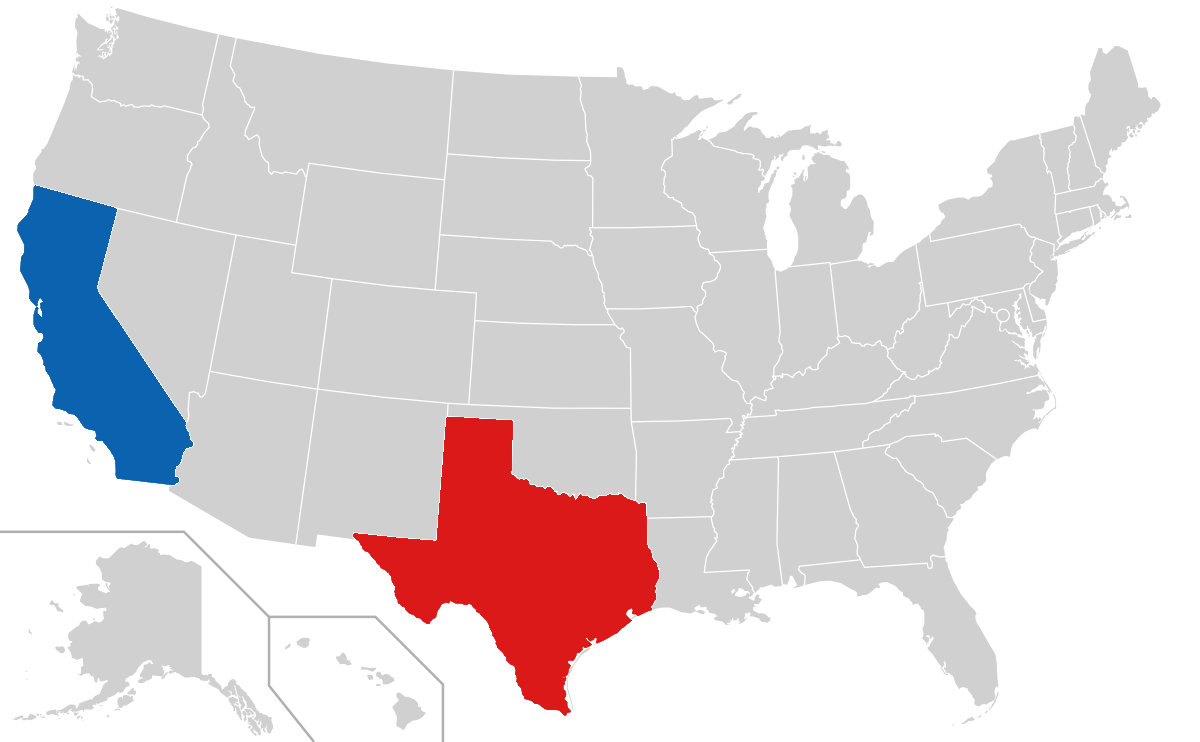
When we talk about total area, including land and inland waters, California edges out Texas in specific metrics, but Texas holds the title for pure land area.
Texas spans approximately 268,596 square miles (695,662 square kilometers) of land, making it the second-largest state by land area in the United States, surpassed only by Alaska. California, while also immense, covers roughly 163,695 square miles (423,970 square kilometers). This means that Texas is indeed significantly larger than California by more than 100,000 square miles of land. This substantial difference translates directly into the sheer amount of ground a traveler would need to cover to experience the breadth of each state.
However, the comparison doesn’t end there. California boasts an incredibly long and diverse coastline stretching over 840 miles along the Pacific Ocean, offering an unparalleled array of beaches, cliffs, and coastal cities like San Diego, Los Angeles, and San Francisco. Texas, while having a coastline on the Gulf of Mexico, which is approximately 367 miles long, offers a different coastal experience, often characterized by barrier islands and extensive wetlands. For a traveler seeking extensive oceanfront vistas and seaside towns, California’s coastal reach provides a far greater number of distinct destinations and experiences.
Population Density and Urban Sprawl
While Texas covers more land, California has a significantly larger population, making it the most populous state in the nation. This high population density, particularly in coastal and central valley regions, means that while California might be smaller in land area, its human footprint is more concentrated. This impacts travel in several ways: a denser network of infrastructure, more varied cultural attractions within closer proximity, and potentially more congested travel routes, especially in metropolitan areas like Los Angeles and the San Francisco Bay Area.
Texas, despite its larger land area, has a lower overall population density. Its major cities – Houston, San Antonio, Dallas, and Austin – are spread out across the vast landscape, often requiring substantial drives between them. This allows for more expansive rural stretches, offering travelers a sense of genuine wide-open spaces and the classic American road trip experience between cultural hubs.
California’s Vast Tapestry of Travel Experiences
California’s size, though smaller than Texas in land area, is still colossal, offering an incredible diversity of travel experiences packed into its boundaries. Its geographical variations are legendary, making it a state where one can ski in the mountains in the morning and surf in the afternoon.
Iconic Landscapes and Natural Wonders
The “Golden State” is a treasure trove of natural beauty. From the towering granite cliffs and ancient giant sequoias of Yosemite National Park to the otherworldly desert landscapes of Death Valley National Park (the lowest point in North America), California offers an unparalleled range of environments for outdoor enthusiasts. The Sierra Nevada Mountains provide world-class hiking and skiing, while the serene beauty of Lake Tahoe offers year-round recreation. The dramatic cliffs of Big Sur along Highway 1 are a quintessential California road trip destination, showcasing the state’s rugged coastal charm. Even within its smaller landmass compared to Texas, California has meticulously preserved large tracts of wilderness, making them highly accessible for travelers.
Bustling Metropolises and Cultural Hubs
California’s major cities are global icons. Los Angeles is a sprawling entertainment capital, home to Hollywood, Beverly Hills, and a vibrant arts scene. San Francisco, with its cable cars, the Golden Gate Bridge, and historic neighborhoods, offers a distinct European-meets-Pacific charm. San Diego provides a relaxed beach city vibe with renowned attractions like the San Diego Zoo and a rich craft beer culture. The state’s diverse population contributes to a rich tapestry of cuisines, festivals, and neighborhoods that celebrate cultures from around the world. Theme parks like Disneyland and Universal Studios Hollywood also draw millions, adding another layer to California’s appeal as a diverse travel destination.
Diverse Activities for Every Traveler
Whether you’re an adventurer, a foodie, a culture enthusiast, or a family seeking entertainment, California caters to all. Wine tasting in Napa Valley or Sonoma County, surfing at Huntington Beach, exploring the artistic communities of Laguna Beach, or delving into the history of the Gold Rush towns in the Sierra foothills – the options are almost limitless. The state’s well-developed tourist infrastructure makes navigating these diverse offerings relatively seamless, though traffic in major urban areas can be a consideration.
Texas’s Expansive Charm: A Lone Star Journey
Texas, the true geographical giant between the two, offers an expansive and deeply rooted American experience. Its sheer size means that landscapes and cultures can shift dramatically over hundreds of miles, presenting a different challenge and reward for the adventurous traveler.
From Deserts to Piney Woods: A Realm of Variety
The massive land area of Texas encompasses an astonishing array of ecosystems. In the west, the rugged Chihuahuan Desert stretches towards the Guadalupe Mountains and the stunning landscapes of Big Bend National Park, a remote wilderness offering unparalleled stargazing and hiking. Moving eastward, travelers encounter the rolling hills of the Texas Hill Country, famous for its spring wildflowers, wineries, and picturesque small towns. Further east still are the dense, humid Piney Woods, reminiscent of the Deep South, offering different natural experiences like fishing and canoeing. The diversity contained within Texas’s borders means a road trip across the state is a journey through multiple distinct geographical regions.
Historic Cities and Modern Marvels
Texas’s cities are as unique and varied as its landscapes. Houston is a global energy capital, home to NASA’s Johnson Space Center and a thriving culinary scene. Dallas boasts world-class museums, high-end shopping, and a sophisticated urban core. San Antonio is steeped in history, famous for the Alamo and the beautiful River Walk, offering a rich blend of Texan and Mexican heritage. Austin, the state capital, is celebrated for its live music, vibrant arts scene, and progressive culture. These cities, while spread far apart, serve as powerful magnets for travelers seeking cultural immersion, historical insights, and modern amenities. The distances between them underscore the state’s vastness, making internal flights or extended road trips common for visitors.
Unique Cultural Immersion and Adventures
Texas offers a truly distinct cultural experience, often referred to as “Texan exceptionalism.” This manifests in its delicious Tex-Mex cuisine, hearty barbecue, country music traditions, and a proud independent spirit. Travelers can visit historic ranches, participate in rodeos, explore frontier towns, or enjoy the vibrant live music venues in Austin. The state’s connection to space exploration at NASA and its rich oil history also provide unique educational and experiential opportunities. For those looking for an authentic taste of the American Southwest, infused with a distinct Southern influence, Texas delivers on a grand scale.
Beyond Size: What Does “Bigger” Mean for Your Trip?
Ultimately, while Texas holds the title for being the larger state in terms of land area, both states offer immense and varied travel opportunities. The question of “bigger” then shifts from a purely geographical one to an experiential one.
Planning Your Itinerary
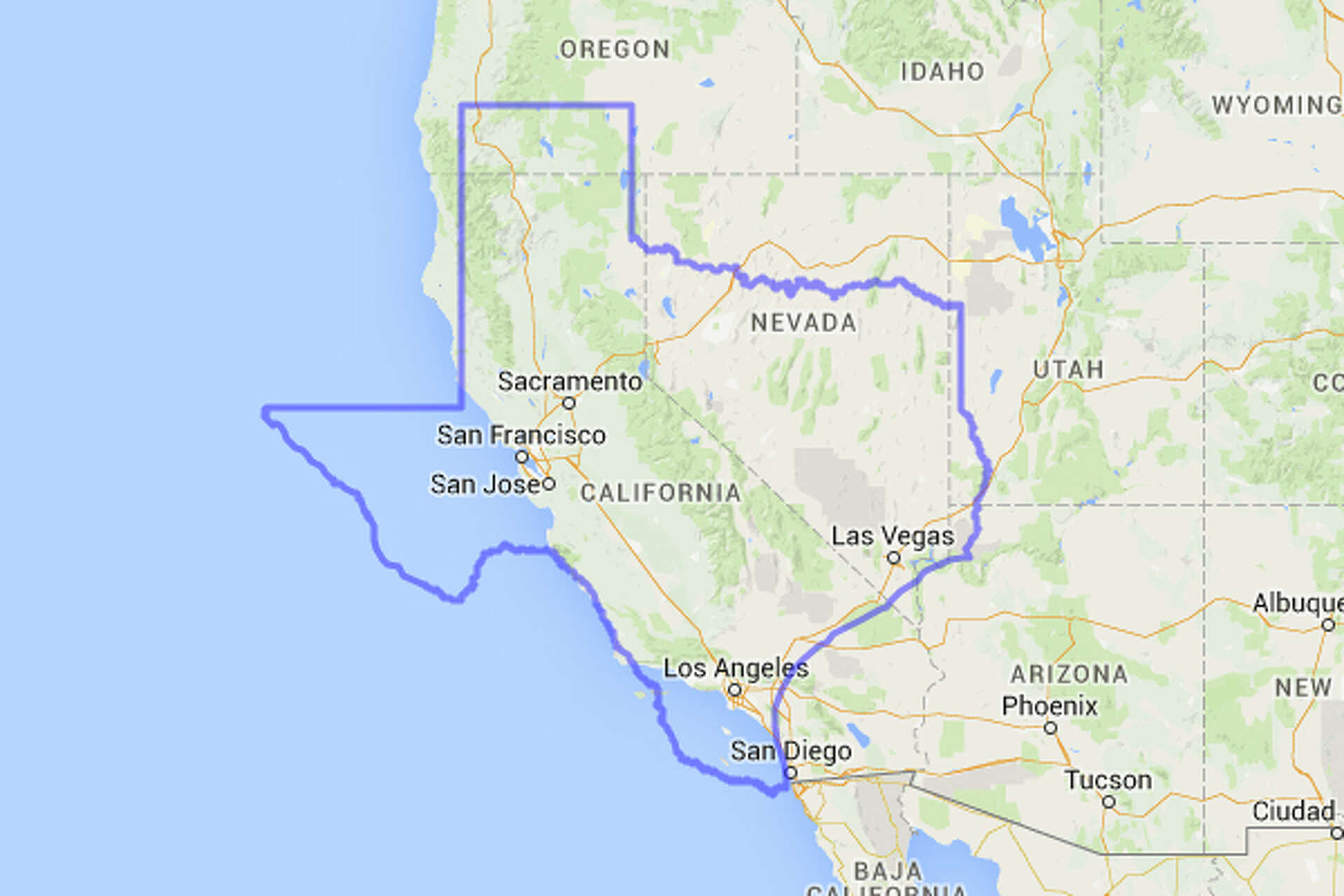
The sheer size difference means that traveling through Texas often involves longer distances between major points of interest. A multi-city trip in Texas might mean committing to several days of driving or considering internal flights. California’s diverse attractions, while still requiring significant travel, are often more densely packed along its coastal spine or within specific regions, making multi-destination trips potentially more efficient by car for certain itineraries. For instance, combining San Francisco with Yosemite National Park and then Napa Valley is a classic example of maximizing diverse experiences within a manageable geographical triangle. In Texas, moving from Houston to El Paso is a cross-state journey that rivals the distance from Los Angeles to Salt Lake City.
The Scale of Exploration
For travelers seeking a true sense of vastness and open landscapes, Texas’s larger land area delivers. Its sprawling ranches, endless highways, and immense natural parks provide a profound feeling of freedom and exploration. Conversely, California’s concentrated diversity means travelers can experience dramatically different environments and cultures within a relatively shorter span. From desert to mountains, and from vineyards to beaches, the “Golden State” offers a condensed, yet equally profound, array of landscapes and experiences.
In conclusion, while Texas is indeed the physically bigger state by land area, both states are monumental in their offerings. Your choice depends on the scale of your adventure and the specific experiences you seek. Do you yearn for the sprawling, wide-open spaces and distinct regional cultures of a truly colossal landmass, or the intense concentration of diverse landscapes, iconic cities, and world-renowned attractions along a magnificent coastline? Either way, both California and Texas promise an unforgettable journey.
LifeOutOfTheBox is a participant in the Amazon Services LLC Associates Program, an affiliate advertising program designed to provide a means for sites to earn advertising fees by advertising and linking to Amazon.com. Amazon, the Amazon logo, AmazonSupply, and the AmazonSupply logo are trademarks of Amazon.com, Inc. or its affiliates. As an Amazon Associate we earn affiliate commissions from qualifying purchases.