
When planning a stay, whether for a quick business trip, a romantic getaway, or an extended family vacation, the comfort of your sleeping arrangements often ranks high on the list of priorities. Within the realm of accommodation, understanding bed sizes is crucial for setting appropriate expectations and ensuring a restful experience. Among the most popular larger bed options are the King and California King, often leading to a common query: which one is actually bigger? The answer, while seemingly straightforward, involves a nuance of dimensions that can significantly impact your lodging comfort.
Unpacking Standard Bed Dimensions in Accommodation
The global accommodation industry offers a variety of bed sizes designed to cater to diverse guest needs. From compact twin beds ideal for solo travelers to expansive options suitable for families, each size serves a specific purpose. Understanding these standards is fundamental, especially when booking rooms and comparing different lodging options, from boutique hotels to serviced apartments and resort suites.
Standard bed sizes in the United States typically follow a well-defined structure:
- Twin (Single): 38 inches x 75 inches (approx. 97 cm x 191 cm) – Best for single occupancy or children.
- Twin XL: 38 inches x 80 inches (approx. 97 cm x 203 cm) – Common in college dorms or for taller individuals traveling alone.
- Full (Double): 54 inches x 75 inches (approx. 137 cm x 191 cm) – Can accommodate two adults, but offers limited space.
- Queen: 60 inches x 80 inches (approx. 152 cm x 203 cm) – A popular choice for couples, offering a good balance of space and room footprint.
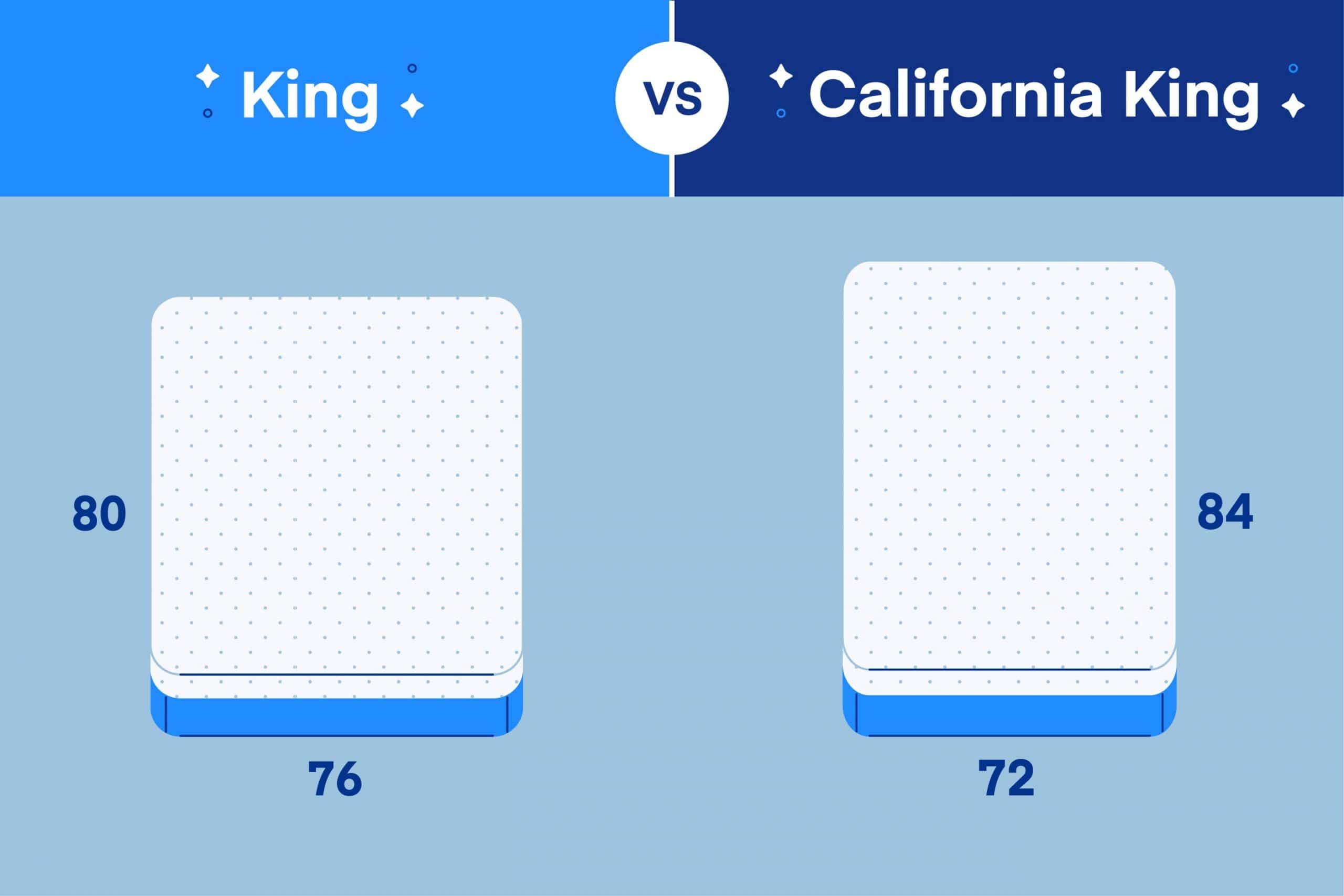
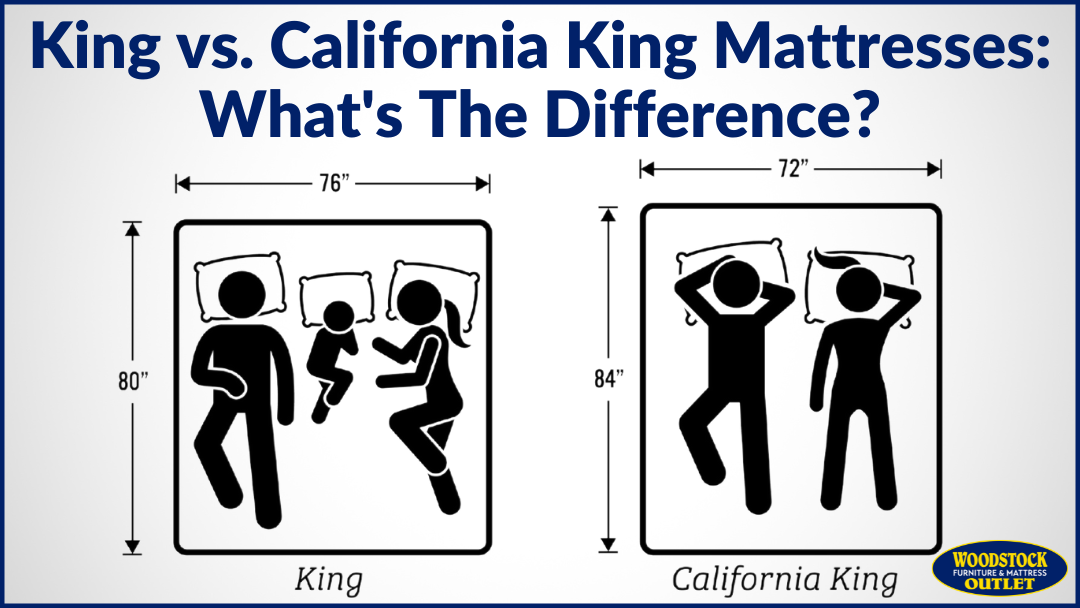
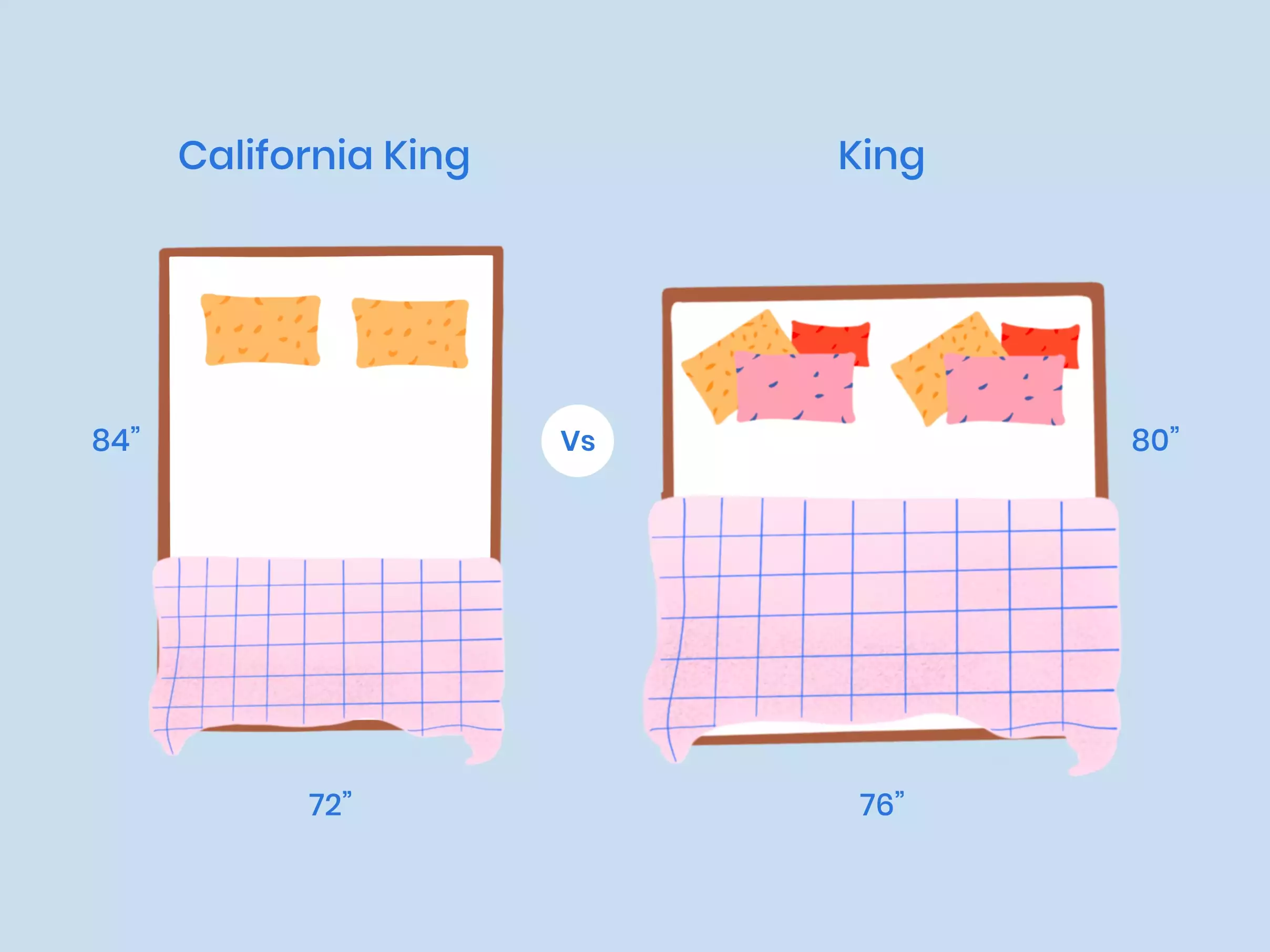
- King: 76 inches x 80 inches (approx. 193 cm x 203 cm) – Known for its generous width, ideal for couples seeking ample personal space.
- California King: 72 inches x 84 inches (approx. 183 cm x 213 cm) – Distinguishing itself with extra length, perfect for taller guests.
While these dimensions are generally consistent, minor variations can occur depending on the specific mattress manufacturer or even regional standards in different countries. For instance, European “King” sizes might differ slightly from their American counterparts. Therefore, when reviewing accommodation listings, it’s always prudent to check the specified dimensions if precise sizing is a critical factor for your comfort.
King vs. California King: A Detailed Comparison
The central question of “Which is bigger?” regarding King and California King beds requires a careful look at their dimensions.
The Standard King: Width for Days
A standard King bed measures 76 inches wide by 80 inches long.
- Total Surface Area: Approximately 6,080 square inches.
- Key Advantage: Its significant width makes it an excellent choice for couples who value personal sleeping space or those who frequently share their bed with pets or young children. Each person effectively gets the width of a twin XL bed.
- Prevalence in Accommodation: King beds are widely available in various types of accommodation, from luxury suites at a Ritz-Carlton property to executive rooms in a Marriott hotel. They are a staple for providing a premium sleep experience, often featured in master bedrooms of vacation rentals and high-end serviced apartments.
The California King: Length is Its Forte
A California King bed, often referred to as a “Cal King,” measures 72 inches wide by 84 inches long.
- Total Surface Area: Approximately 6,048 square inches.
- Key Advantage: The defining characteristic of the California King is its four extra inches of length compared to a standard King, making it the longest standard bed size available. This makes it the superior choice for very tall individuals, typically those over 6 feet 2 inches, who find their feet dangling off the end of a standard King or even a Queen.
- Prevalence in Accommodation: While slightly less common than the standard King, California King beds are often found in upscale hotels, luxury suites, and premium vacation rentals, particularly in regions where taller guests are anticipated or where a specific focus on accommodating all body types is paramount. You might find them more frequently on the West Coast of the United States, reflecting its origin.
The Verdict on “Bigger”
In terms of overall surface area, the standard King (6,080 sq. in.) is technically slightly larger than the California King (6,048 sq. in.). However, the difference is negligible. The real distinction lies in how that size is distributed:
- Standard King: Offers more width.
- California King: Offers more length.
Therefore, “bigger” is subjective and depends on whether you prioritize width or length for your sleeping comfort. For most guests, a standard King provides a more expansive feel side-to-side, while a California King is a godsend for those needing extra legroom.
Choosing the Right Bed for Your Stay
Selecting the appropriate bed size is paramount for a satisfactory accommodation experience. When booking a hotel room, a short-term rental, or a long-term stay, consider the following factors:
Guest Height and Build
For individuals over 6 feet 2 inches, a California King bed can dramatically improve sleep quality by eliminating the discomfort of feet hanging off the edge. Taller couples will particularly appreciate the extra length. If height isn’t a major concern, the standard King’s generous width typically suffices for most couples, providing ample space to spread out without disturbing one another.
Number of Occupants
Both King and California King beds are designed for two adults. However, if you anticipate sharing your bed with small children or even a pet, the extra width of a standard King might offer slightly more practical space. For guests specifically traveling with infants who co-sleep, the wider King can provide a more comfortable and secure arrangement.
Room Dimensions and Layout
While guests primarily focus on bed comfort, understanding the impact of bed size on the overall room layout is also insightful for accommodation providers and guests seeking specific room types. A larger bed, whether wider or longer, occupies more floor space.
- King beds require a room with sufficient width to accommodate the bed itself, plus nightstands and walking space.
- California King beds demand extra length in the room, which might influence the placement of other furniture like dressers or desks.
When booking, photos and floor plans provided by the accommodation can offer clues about room dimensions and how different bed sizes fit within the space. A room designated as a “King Room” will be proportioned to comfortably house a standard King, whereas a ” California King Suite” will likely have a layout that benefits from the bed’s extra length.
Personal Preference for Sleep Space
Some individuals prefer to spread out horizontally, while others prioritize full extension of their legs. Your personal sleeping style plays a significant role in determining which bed size will offer you the most restful sleep. If you tend to move a lot in your sleep or enjoy having significant space between you and your partner, the extra width of a standard King will be beneficial. If you often sleep stretched out completely, the California King’s length will be more advantageous.
Beyond the King: Other Bed Sizes and Accommodation Implications
While King and California King beds cater to the desire for maximum space, accommodation options often feature a range of other bed sizes, each with its own implications for guest experience and room booking.
Queen Beds
The Queen bed (60″ x 80″) remains the most popular bed size in the accommodation sector due to its versatility. It comfortably fits two adults without demanding as much room space as a King, making it ideal for standard hotel rooms, smaller suites, and many vacation rentals. Many properties offer “Double Queen” rooms, featuring two queen beds, which are perfect for families or friends traveling together who want separate sleeping arrangements without sacrificing too much comfort.
Full (Double) Beds
Full beds (54″ x 75″) are generally less common for two adults in premium accommodation but can be found in budget hotels, hostels, or as secondary beds in family suites. They offer limited space for two and are often best suited for single occupancy or children. Understanding this distinction is vital when comparing booking options, as a “double room” might imply a full bed rather than a more spacious queen.
Twin and Twin XL Beds
Twin beds (38″ x 75″) and Twin XL beds (38″ x 80″) are primarily for individual sleepers. You’ll find them in rooms designed for solo travelers, children, or as part of a multi-bed setup in family suites or hostel-style rooms. Twin XLs are particularly valuable in long-term stay accommodation or student housing due to their extra length for taller individuals.
The Impact on Room Design and Guest Experience
The choice of bed size by an accommodation provider significantly influences the overall guest experience and room design.
- Room Flow and Functionality: Larger beds necessitate larger rooms to maintain comfortable clearances for walking and accessing other furniture. A poorly chosen bed size can make a room feel cramped or hinder the functionality of other amenities. For example, a California King in a room designed for a Queen might block a window or limit wardrobe access.
- Perceived Luxury and Value: Offering King or California King beds in suites and premium rooms often adds to the perception of luxury and comfort, justifying higher price points. Guests often associate a larger bed with a more indulgent and relaxing stay.
- Targeting Specific Demographics: Accommodation providers strategically select bed sizes to target specific guest demographics. Grand Hyatt hotels, for instance, often feature ample King beds to cater to business travelers and couples, while family resorts might prioritize rooms with two Queen beds or a King with additional sleeping arrangements like sofa beds.
- Reviews and Satisfaction: Bed comfort is a frequently cited factor in guest reviews. Ensuring the right bed size for the target guest can lead to higher satisfaction scores and repeat bookings. Guests who find their ideal bed size, whether it’s the width of a King or the length of a California King, are more likely to report a positive and comfortable experience.
In conclusion, while the standard King bed offers slightly more overall surface area and superior width, the California King stands out for its unmatched length, making it the preferred choice for taller individuals. When booking any form of accommodation, considering these nuanced differences can significantly enhance your comfort and overall satisfaction, transforming a good stay into a truly great one. Always consult the specific room details provided by hotels or rental agencies to ensure your chosen bed size aligns perfectly with your preferences.
LifeOutOfTheBox is a participant in the Amazon Services LLC Associates Program, an affiliate advertising program designed to provide a means for sites to earn advertising fees by advertising and linking to Amazon.com. Amazon, the Amazon logo, AmazonSupply, and the AmazonSupply logo are trademarks of Amazon.com, Inc. or its affiliates. As an Amazon Associate we earn affiliate commissions from qualifying purchases.