
The iconic Texas Longhorn is more than just a symbol of the Lone Star State; these magnificent cattle possess a rich history and a multifaceted utility that has shaped the state’s heritage and economy. From their origins as hardy, semi-wild descendants of Spanish cattle to their modern-day roles, understanding their purpose reveals a fascinating story of resilience, adaptation, and enduring appeal. While often associated with the rugged landscapes and cowboy culture of Texas, the uses of the Longhorn extend far beyond the realm of picturesque imagery, encompassing practical applications in agriculture, conservation, and even unique tourism experiences.
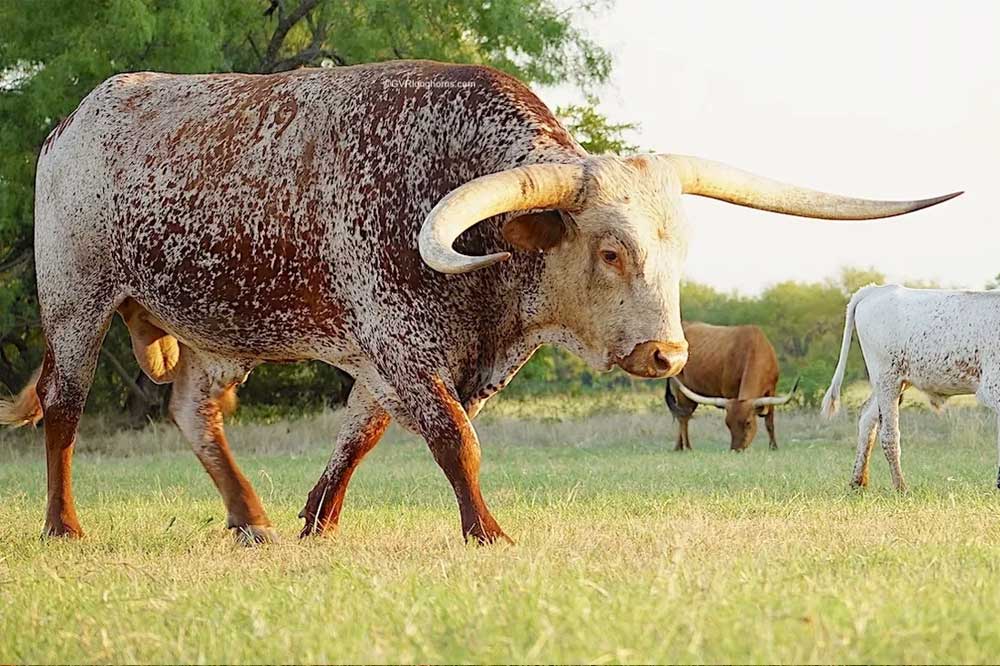
Historical Significance and Agricultural Adaptability
The lineage of the Texas Longhorn traces back to the cattle brought to the Americas by Spanish explorers in the 16th century. These early breeds, left to roam and fend for themselves in the vast, untamed territories, evolved into a hardy, disease-resistant, and exceptionally fertile breed. Their ability to thrive on sparse vegetation and survive harsh environmental conditions made them ideally suited for the challenges of early Texas.
Foundation of the Texas Cattle Industry
In the post-Civil War era, the demand for beef surged in the burgeoning cities of the United States. The Texas Longhorn, with its widespread presence across Texas, became the primary source of this demand. Cowboys would round up these semi-wild herds, often numbering in the thousands, and drive them north on epic cattle drives to railheads in Kansas, such as Abilene and Dodge City. These drives, spanning hundreds of miles, were instrumental in establishing the foundation of the American cattle industry and played a significant role in the westward expansion. The Longhorn’s lean meat, while not as marbled as modern breeds, was a crucial source of protein for a growing nation.
Resilience and Low-Maintenance Characteristics
One of the defining traits of the Texas Longhorn is its remarkable resilience and low-maintenance nature. Unlike many modern beef breeds that require intensive management, specialized feed, and controlled environments, Longhorns are naturally efficient grazers. They can subsist on a variety of grasses and forages, often in less-than-ideal pastures, making them an economical choice for ranchers. Their hardiness also translates to fewer veterinary interventions and a generally lower cost of ownership. This adaptability has made them a sustainable choice for ranching in challenging climates and terrains.
Modern Applications and Economic Value
While the era of the great cattle drives has long passed, the Texas Longhorn continues to hold significant economic value. Their unique characteristics are being rediscovered and leveraged in various modern agricultural and commercial pursuits.
Beef Production
The meat of the Texas Longhorn is experiencing a resurgence in popularity, particularly among consumers seeking leaner, healthier protein options. Longhorn beef is naturally lower in fat and cholesterol compared to many conventionally raised beef breeds, making it an attractive choice for health-conscious individuals. The meat is also known for its robust, natural flavor. Ranchers are increasingly focusing on producing high-quality Longhorn beef for niche markets, gourmet restaurants, and direct-to-consumer sales. This trend highlights a growing appreciation for heritage breeds and their superior nutritional profiles.
Breeding and Genetics
The genetic diversity and robust health of the Texas Longhorn make them a valuable asset for breeding programs. Their genetic lineage can be crossed with other breeds to introduce desirable traits such as disease resistance, fertility, and calving ease. Breeders actively seek out Longhorns with exceptional horn length, conformation, and temperament for both purebred and crossbreeding initiatives. The sale of breeding stock represents a significant economic sector for Longhorn enthusiasts and commercial ranchers alike, with top-quality animals commanding substantial prices.
Hide and Horns
The distinctive horns of the Texas Longhorn are highly prized and have been used for centuries to create a variety of decorative and functional items. The horns can be polished and fashioned into anything from trophies and decorative wall mounts to furniture accents and personal accessories like belt buckles and jewelry. The thick, durable hide of the Longhorn is also utilized in leather goods, offering a unique texture and aesthetic that is distinct from other cattle hides. This secondary market for horns and hides adds another layer to the economic viability of raising these animals.

Cultural and Conservation Roles
Beyond their direct economic benefits, Texas Longhorns play crucial roles in preserving heritage and contributing to ecological balance. Their symbolic status in Texas also lends itself to unique cultural and educational endeavors.
Preserving Heritage Breeds
As modern agriculture often favors specialized, high-yield breeds, heritage breeds like the Texas Longhorn face the risk of decline. Dedicated breeders and enthusiasts work diligently to preserve the genetic integrity and unique characteristics of the Longhorn. This conservation effort ensures that future generations can appreciate and benefit from this historically significant breed. Organizations like the Texas Longhorn Breeders Association of America play a vital role in maintaining breed registries and promoting the welfare and advancement of the Longhorn.
Ecological Grazing and Land Management
The grazing habits of the Texas Longhorn can be beneficial for land management and conservation efforts. Their ability to thrive on coarser vegetation and their tendency to graze varied areas can help control invasive species and improve pasture health. In some ecological restoration projects, Longhorns are employed as “biological tools” to manage landscapes, promoting biodiversity and preventing overgrowth. Their less intensive impact on pastures compared to some other cattle breeds also contributes to soil health and ecosystem stability.
Symbols of Texas Identity and Tourist Attractions
The Texas Longhorn is an indelible symbol of Texas identity, deeply embedded in the state’s history and culture. They are a popular attraction at rodeos, agricultural fairs, and living history museums across the state. Many ranches and farms offer tours and experiences that allow visitors to see Longhorns up close, learn about their history, and even participate in simulated cattle drives or branding demonstrations. These encounters provide a tangible connection to the state’s pioneering past and contribute to the vibrant tourism industry. For instance, the Fort Worth Stockyards National Historic District often features Longhorns as part of its daily cattle drives, drawing crowds eager to witness a piece of living history.
Unique Experiences and Educational Opportunities
The enduring appeal of the Texas Longhorn extends into creating unique visitor experiences and educational opportunities that connect people with the state’s heritage.
Ranch Stays and Agritourism
Numerous ranches across Texas now offer agritourism experiences, with Texas Longhorns often being a central feature. Visitors can opt for ranch stays, where they can participate in daily ranch activities, including feeding and caring for Longhorns, learning about cattle management, and enjoying the wide-open spaces of Texas. These immersive experiences provide a deeper understanding of ranch life and the role of these animals.
Educational Programs and Historical Reenactments
Educational institutions and historical societies often utilize Texas Longhorns in their programs. From school field trips to historical reenactments, the presence of Longhorns helps to vividly illustrate the challenges and triumphs of early settlers and the development of the cattle industry. Museums like the Texas Ranger Museum in Fort Worth might feature displays or live demonstrations involving Longhorns to bring history to life for visitors. These initiatives foster appreciation for the breed’s historical significance and its contribution to the fabric of Texas.
Art and Media Representation
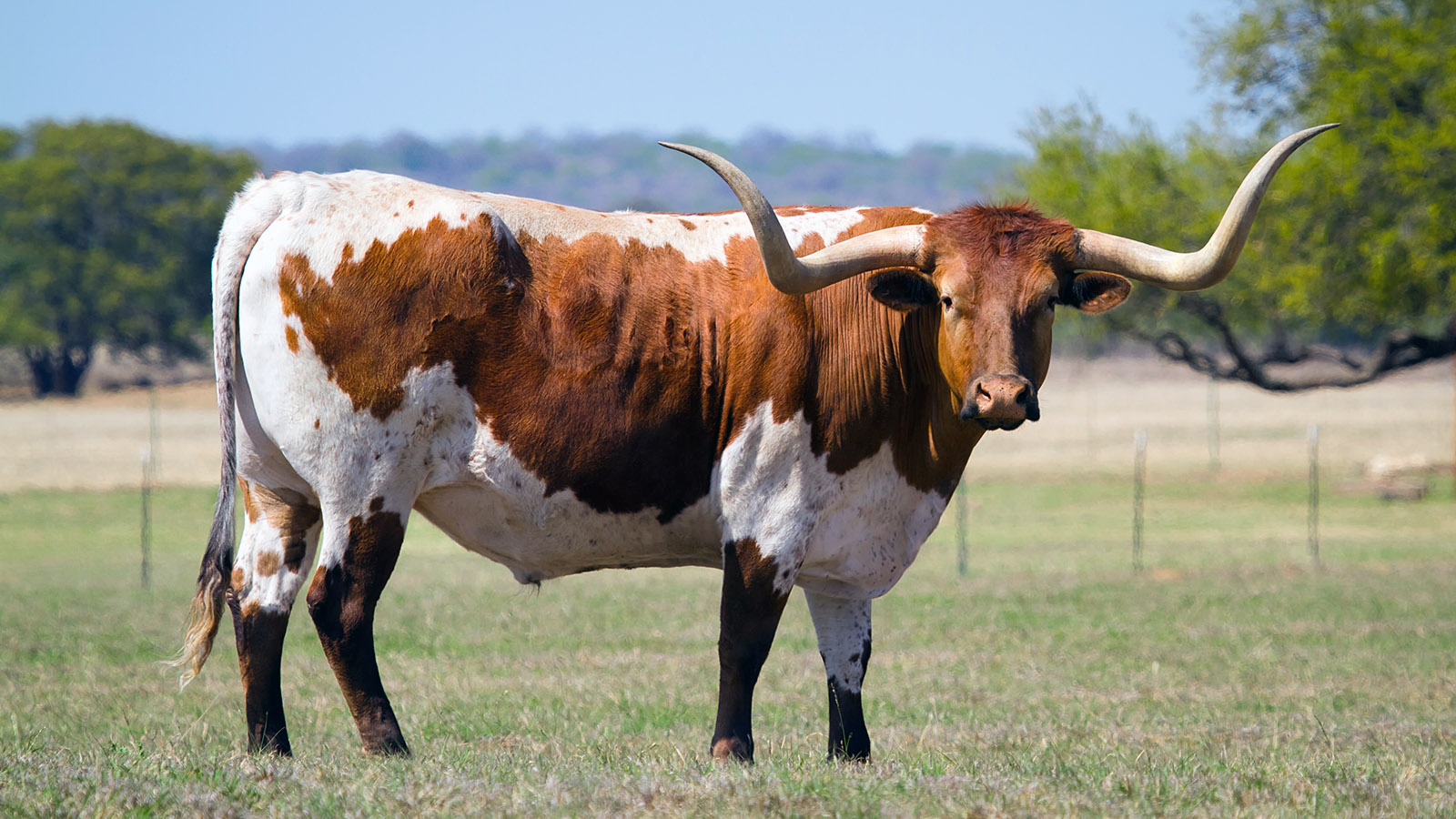
The striking appearance of the Texas Longhorn, particularly its impressive horns, has made it a popular subject in art, photography, and media. They are frequently depicted in paintings, sculptures, and films that celebrate the spirit of the American West. This artistic representation further solidifies the Longhorn’s status as a cultural icon and contributes to its enduring legacy, inspiring awe and fascination in audiences worldwide. The visual impact of a herd of Longhorns against a sunset, or a single magnificent bull with its imposing rack of horns, is an image that continues to capture the imagination.
LifeOutOfTheBox is a participant in the Amazon Services LLC Associates Program, an affiliate advertising program designed to provide a means for sites to earn advertising fees by advertising and linking to Amazon.com. Amazon, the Amazon logo, AmazonSupply, and the AmazonSupply logo are trademarks of Amazon.com, Inc. or its affiliates. As an Amazon Associate we earn affiliate commissions from qualifying purchases.