
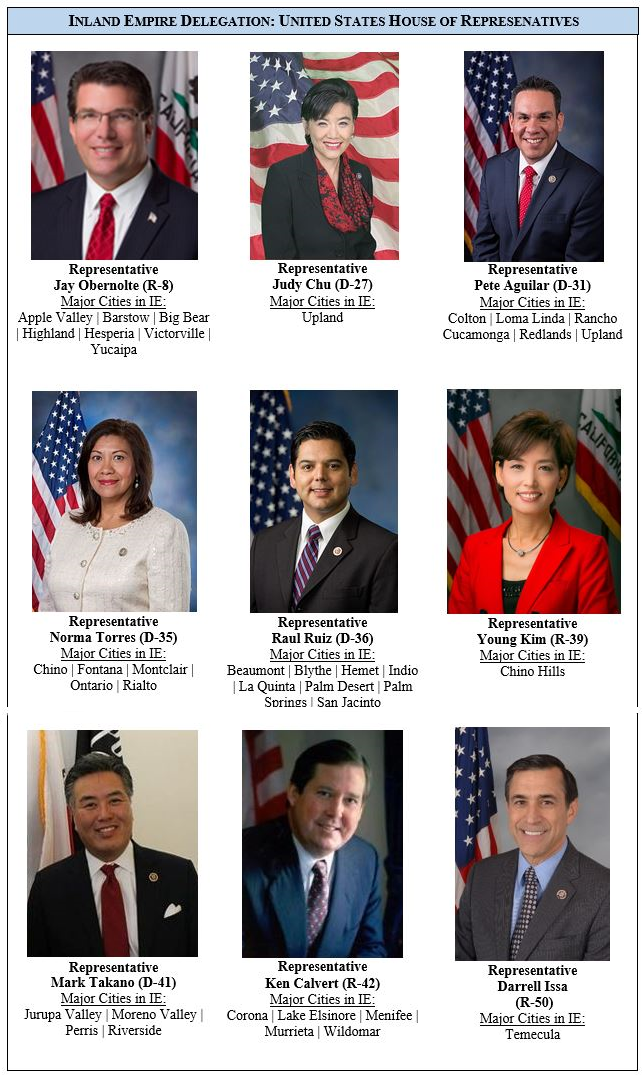
For professionals traveling to the Golden State for business, understanding the intricacies of California‘s political landscape is not just a civic curiosity, but a crucial component of a successful business stay. While the federal government has a U.S. House of Representatives, at the state level, California operates with a bicameral legislature. The body most closely analogous to a “House of Representatives” in California’s state government is the California State Assembly. Its members, known as Assemblymembers, play a pivotal role in shaping the laws and policies that directly impact businesses, industries, and the overall economic climate of the state. For those on a business trip to Sacramento, the state capital, understanding who these individuals are and how the legislative process works is paramount for effective engagement and strategic planning.

Understanding California’s Legislative Landscape for Business Professionals
California’s sheer economic size and its progressive approach to regulation mean that state-level legislation often sets national trends. Business leaders, lobbyists, and policy analysts frequently visit Sacramento to monitor, influence, and adapt to new laws. A core part of this engagement involves interacting with, or at least understanding the actions of, the California State Assembly.
The California State Assembly: Your Key Contact
The California State Assembly is the lower house of the California State Legislature. It consists of 80 members, each representing an Assembly District for a two-year term. These districts are drawn based on population, ensuring diverse representation across the state’s vast geography and demographic makeup. From the urban centers of Los Angeles and the Bay Area to the agricultural heartland and coastal communities, each Assemblymember brings unique perspectives and priorities to the legislative process. For a business professional, identifying the Assemblymember(s) who represent their company’s operational areas or whose committees align with their industry interests is a critical first step in engaging with the state government.
The Role of Assemblymembers
Assemblymembers are primarily responsible for introducing, debating, and voting on bills that can become state law. Their work spans a broad spectrum of issues, including:
- Budget Allocation: The California State Assembly plays a significant role in approving the state’s annual budget, which impacts everything from infrastructure projects to funding for state agencies that regulate various industries.
- Regulatory Frameworks: They establish and revise regulations concerning environmental protection, labor standards, consumer protection, public health, and industry-specific licensing. For businesses, these regulations directly affect operational costs, compliance requirements, and market access.
- Economic Development: Assemblymembers often champion legislation aimed at fostering economic growth, attracting investment, and supporting specific sectors within their districts or statewide.
- Social Policy: While often seen as separate from business, social policies related to education, healthcare, and housing can indirectly influence workforce availability, consumer spending patterns, and community stability, all vital for business success.
Understanding these roles allows business visitors to frame their concerns and proposals in a way that resonates with legislators’ broader responsibilities and the needs of their constituents.
Navigating Sacramento: A Hub for Policy and Commerce
Sacramento is more than just the capital city; it’s a dynamic ecosystem where policy, politics, and commerce intersect daily. For business travelers, a successful stay often involves strategically navigating this environment, whether it’s for networking, advocacy, or simply gathering intelligence.
Engaging with the Legislature
For many on a business stay, direct engagement with Assemblymembers or their staff is a primary objective. This can take several forms:
- Lobbying Efforts: Companies and industry associations often employ lobbyists to represent their interests, providing legislators with information, data, and perspectives on proposed bills. Understanding the legislative calendar, committee schedules, and key players is essential for effective lobbying.
- Committee Hearings: Many significant bills undergo scrutiny in various committees before reaching a full vote on the Assembly floor. Attending these hearings can provide invaluable insight into the arguments for and against a bill, and sometimes offer opportunities for public testimony.
- Networking Events: Numerous professional organizations, trade associations, and civic groups host events in Sacramento that bring together legislators, their staff, and members of the business community. These events are crucial for building relationships and understanding prevailing political sentiments.
- Constituent Visits: If your business is located within an Assemblymember’s district, scheduling a visit as a constituent can be an effective way to communicate your perspective on an issue directly.
It is vital to approach these interactions with a clear understanding of your objectives and how they align with the broader public interest, as legislators are ultimately accountable to their constituents.
Resources for Business Travelers
Several resources in Sacramento can assist business professionals in their efforts to understand and engage with the California State Assembly:

- California State Capitol Museum: Located in the iconic California State Capitol building, this museum offers guided tours and exhibits that explain the state’s legislative history and current operations. It’s an excellent starting point for those new to the Sacramento scene.
- California Legislative Information Website: This online portal provides comprehensive access to bill texts, legislative calendars, committee analyses, and information on Assemblymembers. It’s an indispensable tool for tracking legislation.
- California Chamber of Commerce: As a leading advocate for businesses in the state, the California Chamber of Commerce provides valuable insights into legislative priorities, hosts events, and offers resources for businesses looking to engage with the state government.
- Professional Associations: Industry-specific associations often have strong presences in Sacramento and can offer tailored guidance and networking opportunities.
Leveraging these resources can significantly enhance the effectiveness of a business stay focused on legislative matters.
Impact on Lifestyle and Economy
The decisions made by the California State Assembly have profound and direct implications for the lifestyle of California residents and the broader state economy. For a business professional, understanding these impacts is crucial for long-term strategic planning and risk management.
Key Policy Areas
Several policy areas consistently dominate the legislative agenda and directly affect businesses:
- Environmental Regulations: California is a global leader in environmental protection, with policies on emissions, waste management, and resource conservation that frequently impact industries from manufacturing to agriculture and energy.
- Labor and Employment Laws: The state has some of the most comprehensive labor laws in the nation, covering minimum wage, worker protections, benefits, and workplace safety. Businesses must meticulously adhere to these evolving standards.
- Data Privacy and Technology Governance: As a tech hub, California is at the forefront of crafting laws related to data privacy (e.g., CCPA/CPRA) and artificial intelligence, which have significant implications for tech companies and any business handling customer data.
- Housing and Infrastructure: Policies addressing California’s housing crisis and infrastructure needs affect workforce availability, transportation logistics, and the overall cost of doing business in the state.
Staying abreast of legislative developments in these and other critical areas is not just good practice, but a necessity for ensuring operational resilience and competitiveness.
Staying Informed
For those whose lifestyle involves frequent business engagement with California’s political landscape, staying informed is an ongoing process. Subscribing to legislative alerts, following reputable political news outlets, and maintaining strong relationships with industry advocacy groups are all part of a proactive approach. Many businesses also invest in legislative tracking services that provide real-time updates on bills and legislative proceedings. Understanding the political leanings of key Assemblymembers and the dynamics within various caucuses can also offer valuable insights into potential legislative outcomes.
Making the Most of Your Business Stay in California’s Capital
A business stay in Sacramento focused on the legislative process requires careful planning and a strategic mindset. Beyond the immediate objectives of meetings and hearings, there are opportunities to deepen one’s understanding of California’s unique blend of governance and culture.
Beyond the Capitol
While the California State Capitol is the epicenter of legislative activity, Sacramento itself offers a rich environment for business travelers. Old Sacramento State Historic Park provides a glimpse into the city’s Gold Rush past, offering a break from policy discussions. The city’s burgeoning farm-to-fork culinary scene offers excellent venues for business dinners and networking, showcasing California’s agricultural bounty. Exploring the city’s cultural attractions can provide a broader context for the diverse interests and values that shape the legislative agenda.
Planning Your Visit
When planning a business stay in Sacramento with legislative engagement in mind, consider the following:
- Timing: The legislative session runs from January through August/September, with peak activity during the budget approval process (June) and the final push for bills at the end of the session. Strategic timing can maximize impact.
- Appointments: Schedule meetings with Assemblymembers or their staff well in advance, recognizing their demanding schedules. Be clear and concise in your communication, respecting their time.
- Preparation: Arrive with a thorough understanding of the issues you wish to discuss, backed by data and a clear articulation of how your position benefits constituents or the state economy.
- Follow-Up: A professional follow-up after meetings is crucial for reinforcing your message and maintaining relationships.
Understanding “Who Are The House Of Representatives Of California?” means recognizing the vital role of the California State Assembly and its members in shaping the future of one of the world’s largest economies. For the astute business traveler, this knowledge is an indispensable asset for navigating the complexities of the Golden State’s political and economic landscape.
LifeOutOfTheBox is a participant in the Amazon Services LLC Associates Program, an affiliate advertising program designed to provide a means for sites to earn advertising fees by advertising and linking to Amazon.com. Amazon, the Amazon logo, AmazonSupply, and the AmazonSupply logo are trademarks of Amazon.com, Inc. or its affiliates. As an Amazon Associate we earn affiliate commissions from qualifying purchases.