
Integrating into the California Lifestyle: Understanding Civic Participation
For many drawn to the Golden State, California offers an unparalleled lifestyle, from its vibrant cities and stunning natural landscapes to its innovative spirit and diverse cultural tapestry. While many visitors experience California through its world-class attractions and unique experiences, a deeper connection to this dynamic state often involves understanding the fabric of its society and the rights and responsibilities of those who call it home. Among these, the ability to participate in its democratic processes – specifically, who can vote – is a fundamental aspect of civic life and a key consideration for anyone envisioning a long-term stay, relocation, or simply a more profound immersion into the state’s ongoing narrative.
The Foundation of Residency: More Than Just a Visit
Moving beyond the fleeting excitement of a vacation, making California your home opens up a new dimension of engagement. The “lifestyle” of a California resident is distinct from that of a tourist; it involves contributing to and shaping the community in which one lives. Voting is one of the most direct and impactful ways to do this. It’s not merely about casting a ballot, but about participating in the collective decision-making that influences everything from local schools and public safety to environmental policies and economic development. For those who are considering a permanent move or an extended stay, understanding voter eligibility becomes an integral part of planning their new California lifestyle, offering a pathway to truly invest in their adopted home.
From Tourist to Citizen: A Deeper Connection
The journey from being a tourist admiring California’s beauty to becoming a contributing member of its society is a significant one. While tourists enrich the state’s economy and cultural exchange, citizens and eligible residents have the power to shape its future directly. This shift in perspective is crucial for anyone seeking a comprehensive California lifestyle. It moves beyond merely consuming experiences to actively participating in the processes that define them. Understanding voting rights and responsibilities is a gateway to a deeper, more meaningful engagement with California’s communities, allowing individuals to truly belong and influence the direction of their new environment.
Key Eligibility Criteria for California Voters
For those embarking on a new California lifestyle and wishing to participate in its democratic process, specific criteria must be met. These requirements ensure that voters are genuinely connected to the state and its communities, reflecting the principles of responsible citizenship.
Age and Citizenship: Fundamental Requirements
The bedrock of voter eligibility in California, as across the United States, rests on two primary qualifications: age and citizenship. To register and vote in California elections, an individual must be:
- A United States Citizen: This is a non-negotiable requirement. While California is a global magnet for individuals from all walks of life, only U.S. citizens are afforded the right to vote in state and federal elections. This distinction is vital for foreign nationals residing in California, who, despite contributing significantly to the state’s economy and culture, cannot participate in the electoral process.
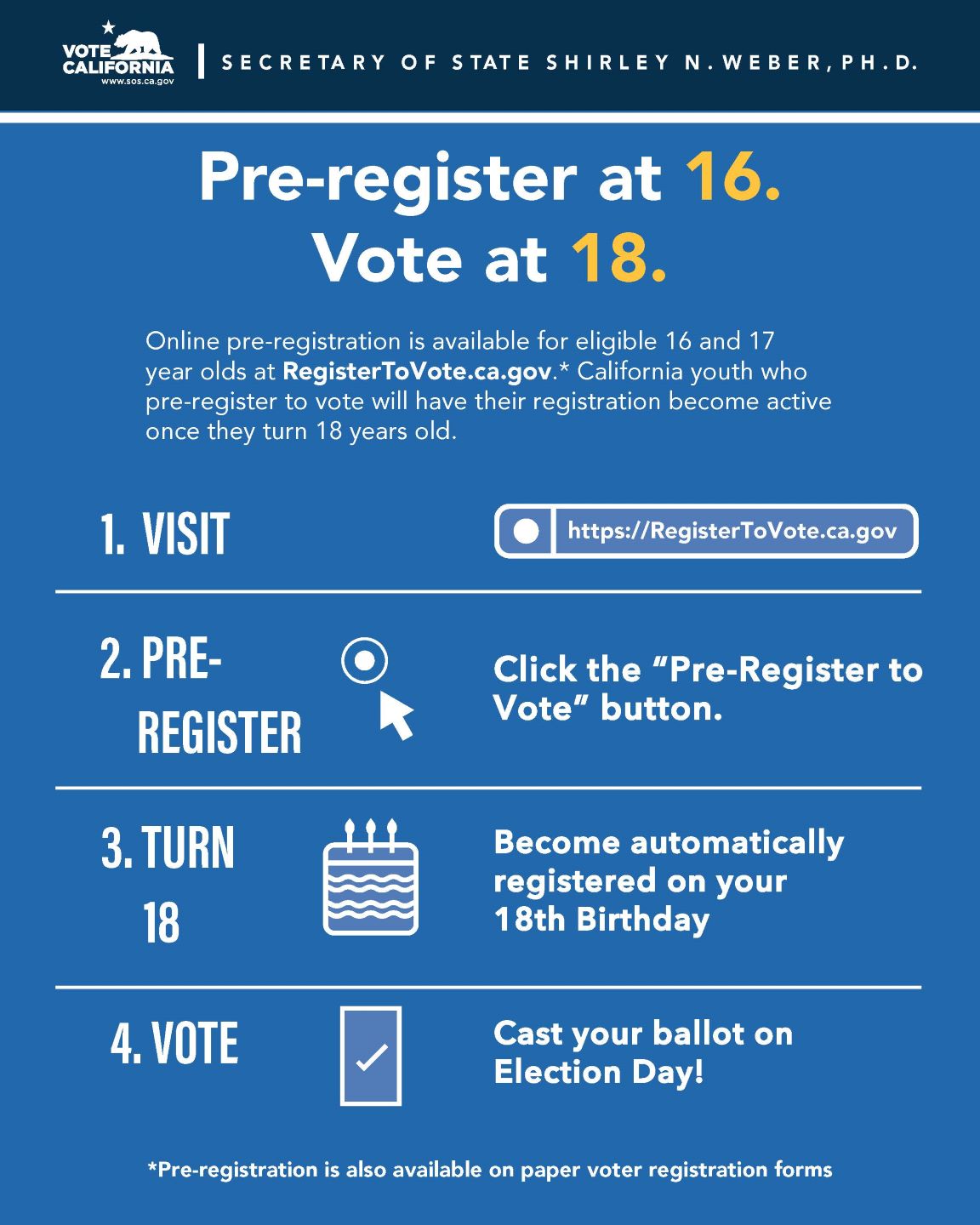
- 18 years of age or older on Election Day: Individuals can pre-register to vote at 16 or 17 years old, but they must be at least 18 by the date of the election to cast a ballot. This age requirement ensures a level of maturity and understanding necessary for informed civic participation.
Beyond these fundamental criteria, individuals must not be currently serving a state or federal prison term for the conviction of a felony, nor be currently found mentally incompetent to vote by a court. These stipulations underscore the responsibilities associated with the right to vote, reinforcing its role as a privilege tied to lawful and sound civic engagement.
Residency Defined: Making California Your Home
Beyond citizenship and age, establishing bona fide residency is a critical aspect of voter eligibility in California. This means that to vote in California elections, you must be a resident of the state. The concept of residency for voting purposes generally refers to the place where a person lives and intends to remain, or to which they intend to return after a temporary absence.
- No specific duration requirement: Unlike some states, California does not impose a minimum period of residency (e.g., 30 days) before one can register to vote. If you move to California with the intent to make it your permanent home, you can register immediately.
- Residency for specific elections: Voters are registered to vote in a particular precinct based on their residential address. If you move within [California](https://lifeoutofthebox.com/california], you must update your voter registration to reflect your new address to ensure you receive the correct ballot and vote in the correct local elections. This emphasis on local residency highlights how voting connects individuals directly to the communities where they live their California lifestyle, enabling them to influence local governance, services, and policies.
Navigating Voter Registration: A Step in Your New Lifestyle
Once eligibility criteria are met, the next crucial step is voter registration. This administrative process formalizes an individual’s right to vote and integrates them into the electoral system. California has made voter registration remarkably accessible, reflecting its commitment to broad civic participation.
- Online Registration: The easiest and most common method is through the California Secretary of State’s official website. This online portal allows eligible citizens to complete the registration process quickly and securely using their California driver’s license or ID card number, and the last four digits of their Social Security number.
- Paper Registration Forms: These are widely available at post offices, libraries, Department of Motor Vehicles (DMV) offices, and other government buildings. They can also be requested by mail.
- Conditional Voter Registration (Same-Day Registration): California offers Conditional Voter Registration, which allows individuals to register and cast a provisional ballot at any vote center or their county elections office up to and including Election Day. This “safety net” ensures that even those who miss the standard registration deadline can still exercise their right to vote, underscoring California’s progressive approach to civic access.

Successfully navigating voter registration is not just a bureaucratic step; it’s an affirmation of one’s commitment to and participation in the California lifestyle, offering a tangible means to shape the future of the state and its countless communities.
The Broader Impact of Your Vote on California’s Culture and Future
Understanding who can vote in California goes beyond a list of legal requirements; it delves into the very essence of how California operates and evolves. For those embracing a California lifestyle, their vote is a powerful tool to influence the policies, values, and cultural landscape that define their daily lives and the future of the state. Every ballot cast contributes to a collective voice that shapes everything from environmental protection to economic opportunity.
Shaping Local Communities: Education, Environment, and Infrastructure
The impact of voting is profoundly felt at the local level, directly influencing the quality of life within California’s diverse communities. When you vote, you are not just selecting leaders; you are making decisions about tangible aspects of your lifestyle:
- Education: Local and state elections determine funding for public schools, curriculum development, and the election of school board members. These decisions directly affect the educational opportunities available to children and the intellectual vibrancy of a community – a significant factor for families choosing a California lifestyle.
- Environment: California is a leader in environmental policy, driven by public demand and legislative action. Votes on bond measures, regulations, and elected officials can dramatically influence the state’s approach to climate change, water conservation, air quality, and the preservation of its natural beauty, all of which are central to the outdoor-centric California lifestyle.
- Infrastructure: From road maintenance and public transit projects to parks and public safety services, local and state elections allocate resources that maintain and improve the foundational infrastructure of communities. A well-maintained infrastructure directly contributes to the ease and enjoyment of daily life in California.
These decisions, made through the electoral process, directly mold the environment, services, and opportunities available, proving that one’s vote is a direct investment in the lifestyle quality of their California home.
Reflecting California’s Diverse Lifestyles Through Policy
California is renowned for its incredible diversity, encompassing a vast array of cultures, socio-economic backgrounds, and personal philosophies. This diversity is reflected in its political landscape and the broad range of issues that come before voters.
- Representation: By voting, eligible residents ensure that their unique perspectives and needs are represented in government. This is particularly crucial in a state as varied as California, where the challenges and priorities of an urban resident in Los Angeles might differ significantly from those of a rural resident in the Central Valley or a coastal community member in San Francisco.
- Social Policies: California has often been at the forefront of social change, passing pioneering legislation on issues ranging from LGBTQ+ rights and cannabis legalization to criminal justice reform and healthcare access. These policies are direct outcomes of the democratic process and profoundly impact the social fabric and individual freedoms within the California lifestyle. Your vote contributes to maintaining or shifting these social norms and protections, aligning the state’s governance with the evolving values of its people.
The act of voting, therefore, is an expression of the collective California lifestyle, allowing its diverse population to continually refine and redefine what it means to live in this progressive and dynamic state.
Beyond the Ballot Box: Other Ways to Engage
While understanding “Who Can Vote In California?” is crucial for active civic participation, a fulfilling California lifestyle often extends beyond the simple act of casting a ballot. Engagement in one’s community can take many forms, all contributing to the vibrant social and political landscape of the state.
Volunteering and Community Involvement: Enriching Your Lifestyle
Participating in local community initiatives and volunteering is a powerful way to enrich your California lifestyle and contribute to the well-being of your surroundings, irrespective of voting eligibility. This direct involvement allows individuals to address local needs, build relationships, and foster a stronger sense of belonging.
- Local Causes: Whether it’s preserving California’s stunning natural environment through beach clean-ups, supporting educational programs in underprivileged areas, assisting at food banks, or joining neighborhood watch groups, there are countless opportunities to make a tangible difference.
- Cultural and Social Groups: Engaging with local cultural organizations, sports clubs, or social advocacy groups provides avenues for personal growth and collective action. These activities not only enhance one’s personal lifestyle but also strengthen the social capital of the entire community, creating a more cohesive and supportive environment for all residents.
Volunteering and active community involvement bridge the gap between individual experience and collective prosperity, offering a hands-on approach to shaping the California you desire.
Staying Informed: News, Local Issues, and Advocacy
A well-informed populace is the cornerstone of a healthy democracy and an engaged lifestyle. For those living in or planning to move to California, staying current with local and state issues is paramount, whether or not one is eligible to vote.
- Reliable News Sources: Subscribing to local newspapers, following reputable news websites, and tuning into public radio or television channels ensures awareness of ongoing debates, legislative proposals, and community events that impact your daily life.
- Public Meetings and Forums: Attending city council meetings, school board discussions, or public forums allows for direct interaction with elected officials and provides insight into decision-making processes. Many of these meetings are accessible online, offering a convenient way to stay engaged.
- Advocacy and Petitions: Even without voting rights, individuals can participate in advocacy efforts, sign petitions, and contact their representatives to express their views on issues that matter to them. Grassroots movements play a significant role in California’s political landscape, and participation in these efforts can influence policy and public opinion.
Embracing the full California lifestyle means more than just enjoying its climate and attractions; it involves a commitment to understanding and participating in its civic life, whether through the ballot box or through other forms of community engagement. Knowing who can vote is the starting point, but the journey of active citizenship in California is rich with diverse opportunities to contribute and belong.
LifeOutOfTheBox is a participant in the Amazon Services LLC Associates Program, an affiliate advertising program designed to provide a means for sites to earn advertising fees by advertising and linking to Amazon.com. Amazon, the Amazon logo, AmazonSupply, and the AmazonSupply logo are trademarks of Amazon.com, Inc. or its affiliates. As an Amazon Associate we earn affiliate commissions from qualifying purchases.