
Understanding the function of a U.S. Representative for California extends beyond mere political jargon, particularly when considering the profound impact their work has on the state’s vibrant tourism sector. While the title might initially suggest a focus on individual politicians, the true insight for travelers and tourism enthusiasts lies in grasping the collective legislative and advocacy efforts that shape California‘s appeal as a world-class destination. These elected officials, serving in the United States Congress (specifically the House of Representatives), play a critical, albeit often unseen, role in preserving, promoting, and developing the attractions, infrastructure, and unique experiences that draw millions of visitors to the Golden State each year. From the sun-drenched beaches of San Diego to the majestic forests of Redwood National Park and the bustling metropolises of Los Angeles and San Francisco, the legislative decisions and advocacy of California’s representatives directly influence the quality and accessibility of these destinations.
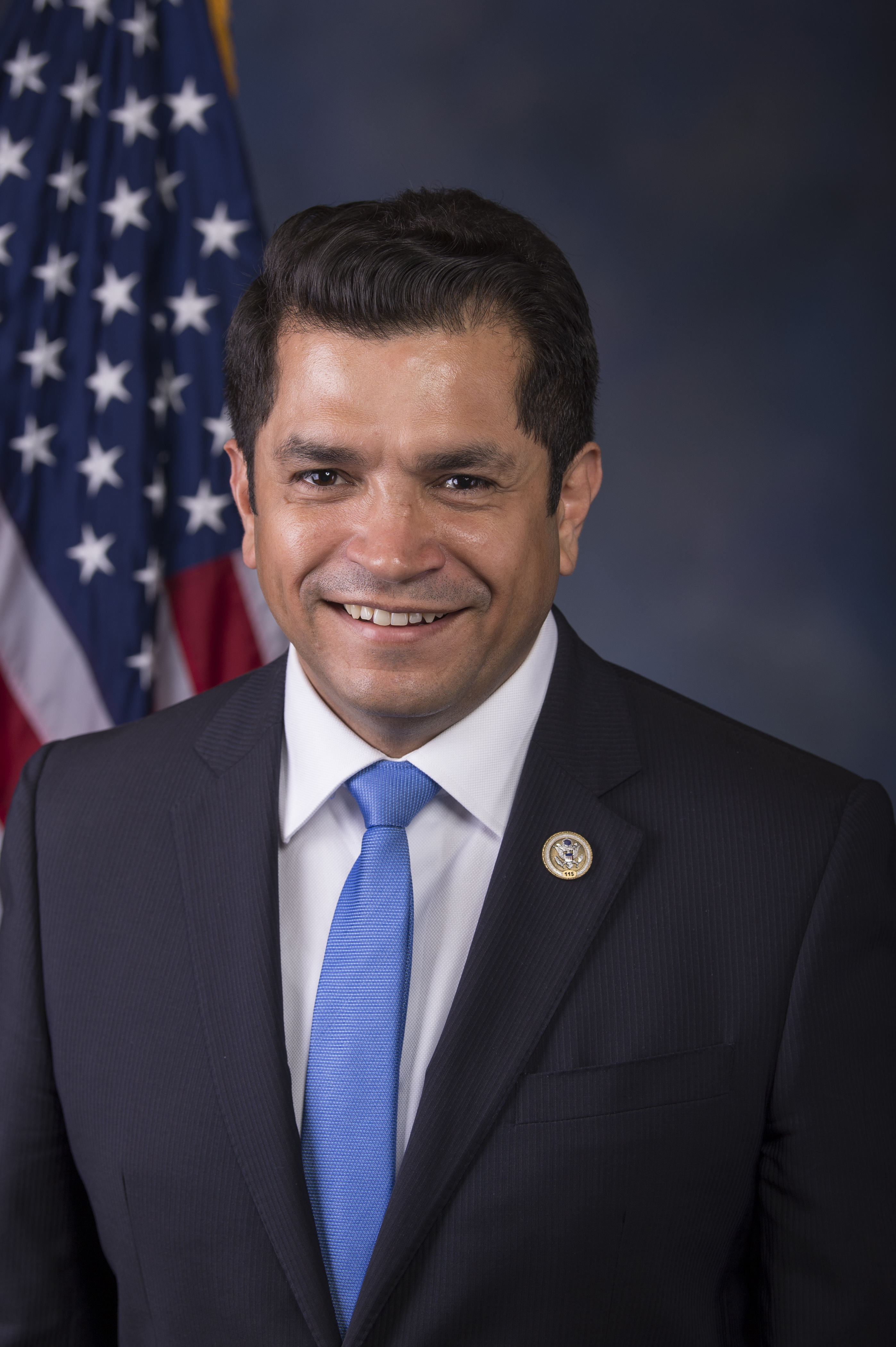
Shaping California’s Tourism Landscape
The legislative responsibilities of a U.S. Representative from California are broad, but many have direct implications for the state’s tourism industry. Their work in Washington, D.C., often translates into tangible benefits for travelers, from maintaining natural wonders to ensuring smooth transit.
Legislative Influence on Attractions and Infrastructure
Representatives champion legislation that secures funding for the upkeep and enhancement of California’s diverse attractions. This includes critical support for national parks like Yosemite National Park and Death Valley National Park, ensuring trails are maintained, visitor centers are operational, and unique ecosystems are protected for future generations of tourists. Beyond natural landscapes, they advocate for cultural institutions, historic sites such as the Golden Gate Bridge, and even iconic entertainment hubs in Hollywood and theme parks like Disneyland Resort and Universal Studios Hollywood.
Equally important is their role in infrastructure development. Robust transportation networks are vital for tourism. Representatives often push for federal investments in airports like Los Angeles International Airport and San Francisco International Airport, ensuring they can handle increasing passenger volumes and offer seamless experiences. Improvements to highways, including scenic routes like the Pacific Coast Highway, and public transit systems also fall under their purview, making it easier for visitors to explore the state. These infrastructure projects not only facilitate travel but also connect disparate regions, allowing tourists to experience the full breadth of what California offers, from wine country in Napa Valley to the tech innovation of Silicon Valley.
Promoting Cultural Heritage and Local Experiences
California’s identity is a rich tapestry of cultures, and its representatives play a role in safeguarding and promoting this heritage, which in turn enhances local tourism. They support funding for arts and culture programs that highlight the state’s indigenous roots, diverse immigrant communities, and historical narratives. This support helps local museums, cultural centers, and festivals thrive, offering authentic and immersive experiences to travelers seeking more than just landmarks. By advocating for policies that empower local communities, representatives help preserve the unique character of towns and cities, preventing over-commercialization and ensuring that visitors can engage with genuine California life, from farm-to-table culinary scenes to vibrant neighborhood art districts.
Federal Funding and Destination Development
The ability of a U.S. Representative to secure federal funding is a cornerstone of destination development, translating directly into enhanced visitor experiences and opportunities.
Grants for Parks and Public Lands
Many of California’s most cherished tourism assets are its national and state parks. A representative’s advocacy is crucial for securing federal grants that maintain these pristine environments. These funds are used for trail maintenance in Yosemite National Park, visitor education programs in Redwood National Park, and vital conservation efforts across vast landscapes. The National Park Service, managing many of these treasures, relies heavily on congressional appropriations. Without the dedicated work of California’s representatives, the accessibility, quality, and ecological integrity of these natural wonders—cornerstones of the state’s tourism appeal—would be significantly compromised. Their efforts ensure that visitors can continue to enjoy breathtaking vistas, engage in outdoor activities, and connect with nature in protected, well-managed settings like Lake Tahoe or the desert landscapes of Death Valley National Park.
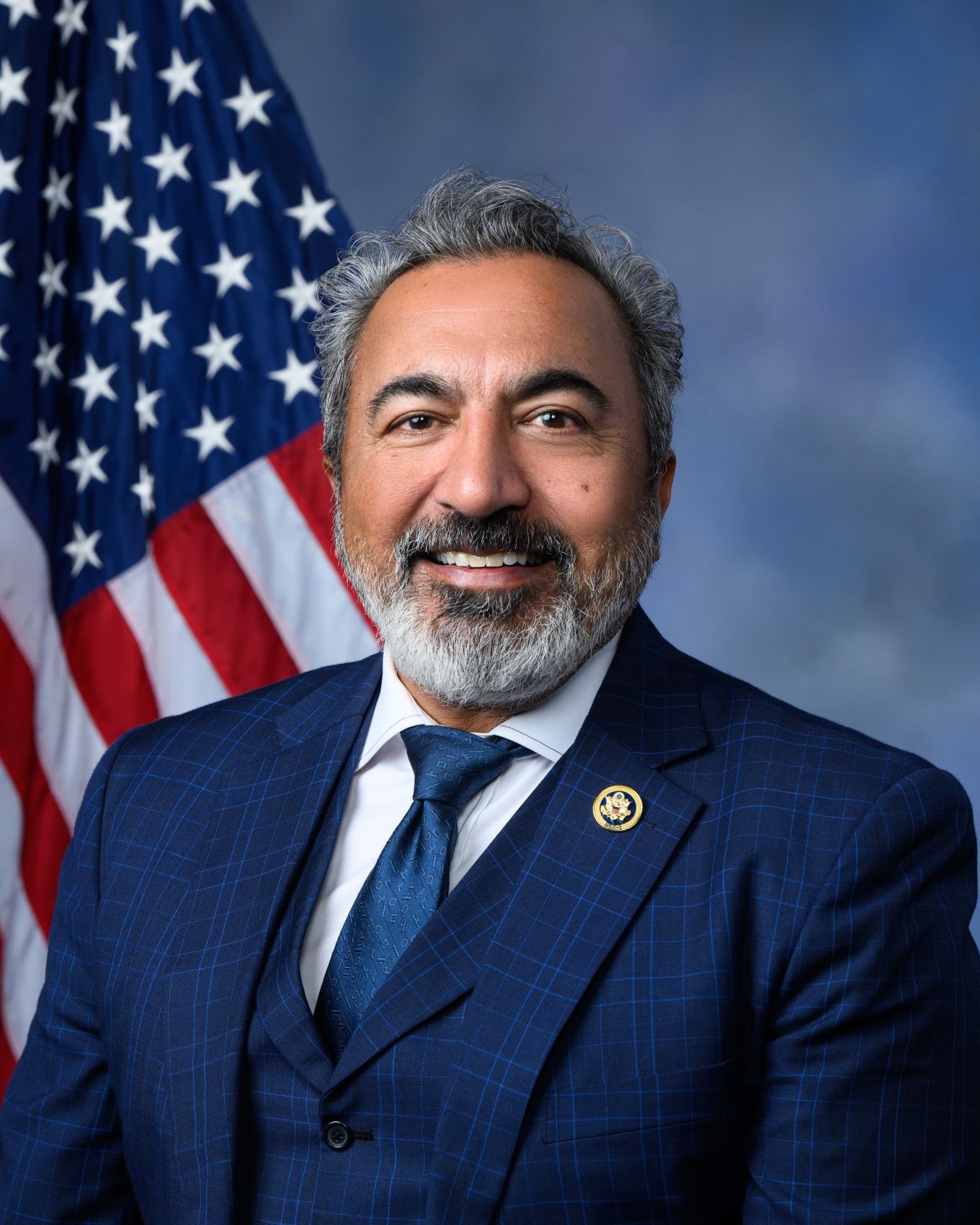
Supporting Transportation Networks
Modern, efficient transportation is paramount for a seamless travel experience. California’s representatives actively lobby for federal investments in transportation infrastructure, which includes everything from airport expansions and railway upgrades to improvements in road networks. Funds allocated through federal bills often go towards enhancing major hubs like Los Angeles International Airport and San Francisco International Airport, making arrivals and departures smoother for international and domestic tourists alike. Furthermore, support for rail services like Amtrak can open up new opportunities for scenic travel across the state, reducing reliance on personal vehicles and offering more sustainable travel options. These investments not only ease the burden on travelers but also bolster California’s capacity to welcome more visitors, directly impacting tourism revenue and local economies.
Advocating for Sustainable Tourism Practices
In an era of increasing environmental awareness, the role of California’s U.S. Representatives in promoting sustainable tourism is more critical than ever. Their legislative actions and advocacy directly contribute to preserving the natural beauty and resources that attract tourists.
Environmental Protections and Conservation Efforts
California’s stunning natural environment is its most significant tourism draw. Representatives are instrumental in crafting and supporting legislation that protects coastal areas, forests, rivers, and wildlife. They advocate for stronger environmental regulations, fund conservation programs, and work to mitigate the impacts of climate change, which could otherwise threaten popular tourist destinations. For instance, their collaboration with agencies like the California Coastal Commission ensures responsible development along the state’s iconic coastline. By prioritizing ecological health, they ensure that the scenic beauty of destinations like Big Sur or the pristine waters of Lake Tahoe remain unspoiled for current and future generations of travelers.
Community-Based Tourism Initiatives
Beyond large-scale environmental protection, representatives also support initiatives that foster community-based tourism. This involves backing programs that empower local residents to participate in and benefit from tourism development in a sustainable manner. From supporting local agritourism projects in the Central Valley to promoting eco-tourism in rural communities, these efforts ensure that the economic benefits of tourism are broadly distributed and that local cultures are respected and celebrated. By working with local governments and non-profits, representatives help secure resources for small businesses, cultural heritage projects, and infrastructure improvements in less-visited areas, thereby diversifying California’s tourism offerings and encouraging more responsible travel practices that benefit both visitors and residents.
The Global Stage: International Tourism and Trade
California’s appeal extends far beyond national borders, and its U.S. Representatives play a vital role in positioning the state as a premier international destination.
Attracting International Visitors to California
Representatives engage in diplomatic efforts and support policies that facilitate international travel to the United States, including streamlining visa processes and promoting America abroad. Their work on trade agreements and international relations can indirectly boost California’s tourism by fostering goodwill and economic ties with other nations. They often participate in congressional delegations that showcase California’s unique offerings to a global audience, highlighting its innovation, cultural diversity, and natural wonders. By ensuring that the United States remains an attractive and accessible destination, these representatives help maintain California’s status as a top choice for international travelers seeking world-class experiences, from the vineyards of Napa Valley to the tech marvels of Silicon Valley.

Diplomatic Ties and Cultural Exchange Programs
Cultural exchange is a powerful driver of tourism, fostering understanding and inspiring travel. California’s representatives support various federal programs that promote cultural exchange, educational tourism, and sister-city initiatives. These programs often result in increased international visits as people seek to experience the cultures they’ve learned about firsthand. Furthermore, by advocating for policies that support the state’s diverse immigrant communities, they indirectly enhance California’s appeal as a melting pot of global cultures, offering visitors authentic experiences ranging from vibrant ethnic festivals in Los Angeles and San Francisco to diverse culinary landscapes. In essence, while their work might seem removed from a traveler’s immediate concerns, the collective actions of California’s U.S. Representatives are deeply intertwined with the state’s ability to offer unforgettable and enriching tourism experiences. They are, in a functional sense, key architects of the travel landscape that millions come to explore.
LifeOutOfTheBox is a participant in the Amazon Services LLC Associates Program, an affiliate advertising program designed to provide a means for sites to earn advertising fees by advertising and linking to Amazon.com. Amazon, the Amazon logo, AmazonSupply, and the AmazonSupply logo are trademarks of Amazon.com, Inc. or its affiliates. As an Amazon Associate we earn affiliate commissions from qualifying purchases.