
Understanding Realtor Fees in California’s Accommodation Market
Securing long-term accommodation in California, whether through purchase or rental, often involves navigating the complexities of realtor fees. These fees, essentially commissions paid to real estate agents for their services, are a significant component of the overall transaction costs. For individuals and families seeking a permanent or extended stay, understanding who is responsible for these payments is crucial for budgeting and financial planning. Real estate agents play an indispensable role in the California market, connecting prospective buyers and renters with suitable properties, negotiating terms, and guiding clients through intricate legal processes. Their expertise is particularly valuable in a diverse and often competitive market known for its distinct regions, from the bustling urban centers to the serene coastal communities.

The Buyer’s Agent vs. Seller’s Agent
In a typical property transaction for long-term accommodation, two primary agents are usually involved: the seller’s agent (or listing agent) and the buyer’s agent. The seller’s agent works on behalf of the property owner to market and sell their home, aiming to achieve the best possible price and terms. Conversely, the buyer’s agent represents the individual or entity looking to purchase a property, assisting them in finding suitable accommodation, evaluating properties, and negotiating on their behalf. In some scenarios, a single agent may represent both parties in a “dual agency” arrangement, which requires full disclosure and informed consent from both buyer and seller due to potential conflicts of interest. Understanding this dynamic is fundamental to comprehending the commission structure. Each agent is compensated for their services, but the source of that compensation has historically followed a specific pattern, now subject to significant evolution.
The Traditional Model: Seller Bears the Cost (Mostly)
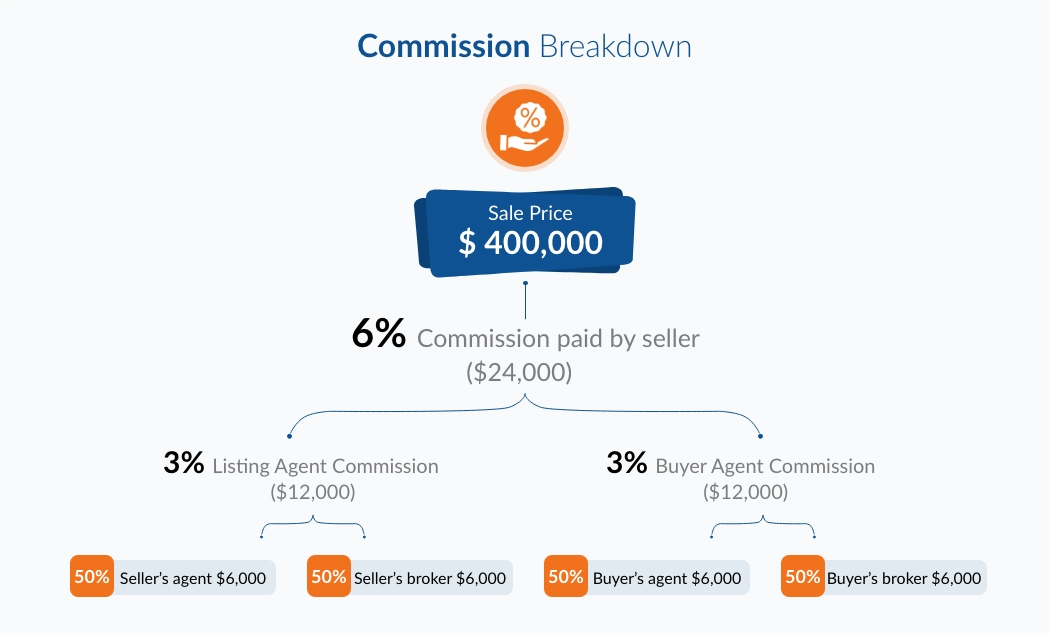
For decades, the standard practice in the United States, including California, dictated that the seller of a property was responsible for paying the entire real estate commission. This commission was typically a percentage of the final sale price and was then split between the seller’s agent and the buyer’s agent. While this arrangement meant that buyers did not directly cut a check to their agent at closing, the cost was implicitly baked into the purchase price of the home. Sellers, when setting their asking price, would factor in these anticipated commission expenses, effectively passing a portion of the cost onto the buyer seeking long-term accommodation.
This model provided a strong incentive for buyer’s agents, as their compensation was assured from the seller’s side, encouraging them to bring buyers to the market without the immediate financial burden of agent fees falling directly on the buyer. For a long time, this system was viewed as efficient for facilitating transactions, particularly for those looking to acquire their first long-term residence.
How Commissions are Calculated
Real estate commissions are almost universally calculated as a percentage of the property’s final sale price. In California, these percentages typically range from 5% to 6%, though they can vary based on market conditions, the specific brokerage, the agent’s experience, and the services provided. For instance, on a $1,000,000 home, a 5% commission would amount to $50,000, which is then divided between the seller’s agent and the buyer’s agent, often in a 50/50 split or similar pre-agreed ratio. These percentages are not set in stone by law; rather, they are negotiable between the seller and their listing agent. The listing agent then typically offers a portion of their total commission to attract buyer’s agents to show the property. This negotiation directly impacts the overall cost of acquiring long-term accommodation for both parties involved.
Shifting Sands: Recent Changes and Future Outlook
The traditional commission structure is currently undergoing a significant transformation due to recent legal challenges and settlements. The National Association of Realtors (NAR) reached a landmark settlement in March 2024 that is set to reshape how buyer’s agents are compensated. This settlement, pending court approval, is expected to fundamentally alter the long-standing practice of sellers automatically paying the buyer’s agent commission. The changes are slated to take effect in mid-2024, and while the full implications are still unfolding, they will undoubtedly impact individuals seeking long-term accommodation across California.
The primary outcome of the settlement is the elimination of rules that allowed listing agents to make blanket offers of compensation to buyer’s agents through multiple listing services (MLS). This means that buyer’s agents will no longer be able to assume their commission will be covered by the seller. Instead, buyers will likely need to directly negotiate and pay their agents for their services. This shift could lead to more transparency in commission structures and may empower buyers to negotiate fees more directly, potentially through flat fees, hourly rates, or a percentage agreed upon upfront.
The Buyer-Broker Agreement
In the wake of these changes, the buyer-broker agreement will become an even more critical document for anyone looking to secure long-term accommodation. These agreements formalize the relationship between a buyer and their agent, outlining the agent’s responsibilities, the duration of the agreement, and, most importantly, the terms of compensation. Prior to these changes, while buyer-broker agreements existed, the compensation clause often stipulated that the agent would seek payment from the seller’s commission offer. Moving forward, these agreements will likely detail how the buyer will directly compensate their agent, whether through a retainer, a success fee, or another agreed-upon model.
This new environment necessitates that individuals seeking to buy a home for long-term residence in California have clear discussions with their prospective agent about fees from the outset. It will encourage buyers to evaluate the value proposition of their agent’s services and negotiate terms that align with their budget and needs. For agents, it means clearly articulating their services and demonstrating their worth to clients who will now be directly responsible for their fees.
Realtor Fees in California’s Rental Market
While the primary focus of realtor fee discussions often centers on property sales, real estate agents also play a significant role in California’s robust long-term rental market. The payment structure for rental agent fees differs from sales commissions and can vary considerably.
In many parts of California, particularly in competitive markets like Los Angeles and San Francisco, it is common for the tenant to pay a “finder’s fee” or “broker’s fee” to the rental agent. This fee typically equates to one month’s rent or a percentage thereof. The agent’s role here is to help the tenant find suitable long-term accommodation, screen properties, assist with applications, and negotiate lease terms. This is particularly prevalent when a tenant enlists an agent specifically to find them a rental.
However, there are also scenarios where the landlord or property owner covers the agent’s fee. This occurs when the landlord hires an agent to market their property and find qualified tenants. In such cases, the agent’s fee might be a flat rate, a percentage of the first month’s rent, or a portion of the annual lease value. The practice varies by region and by the specific services rendered. In less competitive rental markets or for properties that are easier to lease, landlords might absorb the cost to attract good tenants.
For individuals seeking long-term rental accommodation, it is crucial to clarify who is responsible for any agent fees before engaging their services or signing a lease agreement. This ensures transparency and avoids unexpected costs in an already expensive rental landscape.

Navigating Realtor Fees for Your California Accommodation
Given the complexities and evolving nature of realtor fees in California, careful planning and clear communication are paramount for anyone seeking long-term accommodation.
For Buyers:
- Understand the New Landscape: Be aware that you will likely be responsible for compensating your buyer’s agent directly.
- Engage in a Buyer-Broker Agreement: Insist on a written agreement that clearly outlines the scope of services, the agent’s responsibilities, and the specific terms of their compensation (e.g., flat fee, hourly rate, percentage of purchase price, or a capped amount).
- Negotiate Fees: Don’t hesitate to negotiate the commission rate or structure with your agent. Agents offer various services, and their fees should reflect the value they provide.
- Budget for All Costs: When planning your budget for purchasing accommodation, remember to factor in potential agent fees, in addition to down payments, closing costs, and other associated expenses.
For Renters:
- Clarify Rental Agent Fees: Before signing any agreements or viewing properties with an agent, ask directly about any fees involved and who is responsible for paying them (tenant or landlord).
- Read Lease Agreements Carefully: Ensure that any agent fees are clearly itemized and understood in the lease or separate agreement.
- Consider Your Options: Evaluate whether hiring a rental agent is necessary for your situation. In some markets, direct searching or using online platforms might suffice, avoiding agent fees.
In both buying and renting scenarios for long-term accommodation, choosing a qualified and trustworthy real estate agent remains crucial. A skilled agent can provide invaluable market insights, negotiation expertise, and guidance through complex paperwork. Their value lies in securing the best possible terms for your long-term stay, streamlining the process, and avoiding potential pitfalls. By being informed and proactive, individuals can navigate the evolving landscape of realtor fees in California effectively and confidently secure their desired accommodation.
LifeOutOfTheBox is a participant in the Amazon Services LLC Associates Program, an affiliate advertising program designed to provide a means for sites to earn advertising fees by advertising and linking to Amazon.com. Amazon, the Amazon logo, AmazonSupply, and the AmazonSupply logo are trademarks of Amazon.com, Inc. or its affiliates. As an Amazon Associate we earn affiliate commissions from qualifying purchases.