
California’s real estate market is notoriously dynamic, and understanding its unique property tax landscape is crucial for homeowners and prospective buyers alike. At the heart of this system lies Proposition 13, a landmark amendment to the state’s constitution passed in 1978. While often discussed, the specific qualifications and implications of this measure can remain a mystery to many. For those seeking long-term stability in their housing costs and a clear path to financial planning, grasping the nuances of Proposition 13 is an essential aspect of the California lifestyle.
Understanding Proposition 13: A Cornerstone of California Property Taxation
Proposition 13 dramatically altered the way property taxes are assessed in California, creating a system that differs significantly from most other states. Its passage was a direct response to rapidly escalating property values and subsequent tax bills that were forcing many long-time residents out of their homes. For a state where homeownership is a significant life goal and investment, understanding this foundational law is key to managing one’s financial future.

The Genesis and Core Principle
Before Proposition 13, property taxes were based on the current market value of a home, which often led to unpredictable and substantial increases. The initiative’s passage in 1978 introduced two fundamental changes:
First, it capped the ad valorem property tax rate at 1% of the property’s “full cash value” (also known as the base year value). This base year value is established at the time of purchase or new construction.
Second, it limited annual increases in a property’s assessed value to no more than 2% per year, regardless of how much the market value might appreciate. This cap provides remarkable stability in property tax bills over time, protecting homeowners from sudden surges in property value leading to unaffordable taxes. These two principles are the bedrock of property tax qualification in California.
Impact on Property Values and Tax Bills
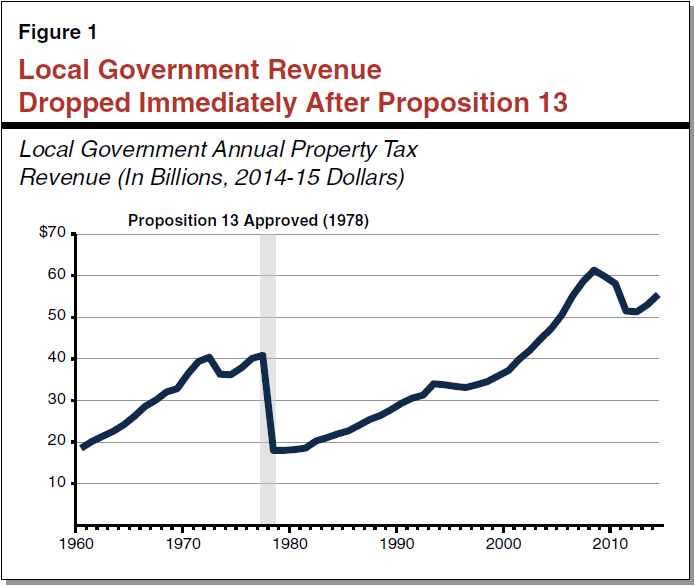
The immediate effect of Proposition 13 was to roll back property assessments to their 1975 market values, significantly reducing tax burdens for existing homeowners. Since then, the system has created a distinct disparity between the property tax bills of long-term homeowners and recent buyers. An individual who purchased a home in Los Angeles in 1980 will likely pay considerably less in property taxes than a neighbor who bought a similar home in 2023, even if both properties have appreciated significantly. This aspect defines the primary qualification for the proposition’s benefits: the timing of ownership and the establishment of a base year value.
Primary Qualification: The Acquisition Value Base
The core tenet of qualifying for Proposition 13’s tax benefits revolves around establishing an “acquisition value” or “base year value” for your property. This value serves as the foundation for all future property tax calculations, subject only to limited annual increases.
Initial Purchase or Change in Ownership
The most straightforward way to qualify for a Proposition 13 assessment is through the outright purchase of real property. When a property changes hands, it triggers a reassessment to its current fair market value. This newly established market value becomes the new base year value for the property.
For example, if you purchase a home in San Francisco for $1.5 million, that $1.5 million becomes your base year value. Your property taxes will initially be calculated at 1% of this amount (plus any approved local bonds or special assessments), and this base will only increase by a maximum of 2% annually. This reassessment applies to almost all changes of ownership, ensuring that each new owner begins with a tax basis reflecting their acquisition cost.
How “Fair Market Value” is Established
When a property is purchased in an arm’s length transaction, the purchase price typically dictates the fair market value. However, if a property transfer occurs outside of a typical sale (e.g., gift, inheritance not covered by an exclusion), the county assessor will determine the fair market value as of the date of transfer. This assessment will then become the new base year value. Understanding this mechanism is vital for individuals considering non-traditional property transfers, as it can have significant, long-lasting implications for property tax liabilities. The new owner effectively “qualifies” for a new Proposition 13 base, which locks in their initial tax burden.
Navigating Exclusions from Reassessment
While a change in ownership generally triggers a reassessment, California law provides several crucial exclusions. These exclusions allow certain property transfers or circumstances to occur without resetting the base year value, thereby preserving the existing Proposition 13 protections and offering significant financial advantages. These are vital lifestyle considerations for families and seniors.
Intergenerational Transfers: Parent-Child and Grandparent-Grandchild
One of the most impactful exclusions involves transfers between family members, particularly through Proposition 19, which significantly modified prior laws like Proposition 58 and Proposition 193 (which focused on grandparent-grandchild transfers).
Proposition 19 (Parent-Child)
Effective February 16, 2021, Proposition 19 allows a primary residence to be transferred between a parent and child (or child and parent) without triggering a full reassessment, provided the child (or parent) uses the property as their own primary residence within one year of the transfer. Critically, if the transferred property’s market value exceeds its current Proposition 13 assessed value by more than $1 million, a partial reassessment will occur. Only the amount exceeding the $1 million threshold will be added to the adjusted base year value. This offers a substantial benefit for families looking to pass on homes while maintaining a stable property tax burden, directly impacting multi-generational lifestyle planning.
Proposition 19 (Grandparent-Grandchild)
A similar, though more restricted, exclusion exists for transfers from grandparents to grandchildren. This exclusion applies only if all of the grandchildren’s parents are deceased. Like the parent-child transfer, the grandchild must use the property as their primary residence within one year, and the same $1 million market value threshold applies before any partial reassessment. These exclusions are powerful tools for preserving the financial legacy of a family home.
Base Year Value Transfers: Seniors and Disabled Persons (Proposition 19)
Proposition 19 also offers a significant benefit for homeowners aged 55 or older, or those severely disabled, who wish to sell their primary residence and purchase another within California.
Relocating Within California
Eligible individuals can transfer their existing primary residence’s Proposition 13 base year value to a replacement primary residence anywhere in the state, up to three times. This is a game-changer for seniors looking to downsize, move closer to family, or relocate to a more affordable area without incurring a massive property tax increase. The replacement property must be purchased or newly constructed within two years of the sale of the original residence.
Requirements for Eligibility
To qualify, the replacement property must be of equal or lesser value than the original primary residence to fully transfer the base year value. If the replacement property is more expensive, the original base year value can be transferred and adjusted upwards by the difference in value. This provision directly supports the lifestyle choices of older adults and disabled individuals, offering unprecedented flexibility in California’s housing market.
Disaster Relief
In instances where a primary residence is substantially damaged or destroyed by a natural disaster, homeowners may qualify to transfer their base year value to a comparable replacement property within the same county, or to another county that has adopted a reciprocal ordinance. This exclusion provides a critical safety net, ensuring that victims of natural disasters are not penalized with a higher property tax burden when rebuilding their lives.
Co-Ownership and Business Entity Transfers
Other more nuanced exclusions exist for certain transfers between co-owners or specific changes in the ownership structure of business entities, provided certain conditions are met regarding proportional ownership. These are complex areas that often require consultation with a property tax expert or the county assessor’s office to ensure proper qualification and application.
The Mechanics of Annual Property Tax Adjustments
Even after establishing a base year value, understanding how that value can change annually is crucial for long-term financial planning related to homeownership.
The 2% Annual Cap (CPI Adjustment)
The core stability offered by Proposition 13 is the cap on annual increases to the assessed value. By law, the assessed value of a property cannot increase by more than 2% per year, or the percentage increase in the California Consumer Price Index (CPI), whichever is lower. This means that even if market values skyrocket, a homeowner’s property tax bill will only see a modest, predictable increase each year, provided no change in ownership or new construction occurs. This predictability is a significant lifestyle benefit for homeowners, allowing for more accurate budgeting and financial forecasting.
New Construction and Additions
While the 2% cap applies to the existing base year value, new construction or additions to a property will trigger a reassessment of only the newly constructed portion. For example, adding a new room or a second story to a home will establish a new base year value for that specific addition, while the original portion of the home retains its existing Proposition 13 base. This ensures that improvements are taxed at their current value, while the long-standing value of the original structure remains protected.
Supplemental Assessments
When a property changes ownership or new construction is completed, a “supplemental assessment” is issued. This is a separate tax bill that accounts for the difference between the old assessed value and the new, higher assessed value for the remainder of the fiscal year. This ensures that the new property tax rate applies immediately, rather than waiting for the next annual tax bill. Understanding supplemental assessments is key for new homeowners to avoid unexpected costs shortly after purchase.
Implications for California Homeowners and Prospective Buyers
Proposition 13 has profoundly shaped the residential real estate market and the financial landscape for residents in California. For many, it’s a cornerstone of their long-term lifestyle planning.
Long-Term Financial Planning and Stability
For homeowners who have owned their properties for many years, Proposition 13 provides incredible property tax stability, allowing them to remain in their homes even as surrounding property values surge. This stability is a significant factor in retirement planning and maintaining a consistent cost of living, which is particularly valuable in high-cost areas like California.
Market Dynamics and Affordability
While beneficial for long-term owners, Proposition 13 has also been cited as a factor contributing to California’s housing affordability crisis. The incentive to hold onto properties with low tax bases can reduce housing turnover, limiting supply and driving up prices for new buyers who face significantly higher property tax burdens from day one. This creates a dichotomy in the lifestyle experiences of homeowners across the state.
Seeking Professional Guidance
Navigating the complexities of Proposition 13 and its various exclusions can be challenging. For anyone considering a property purchase, sale, or transfer in California, especially those involving family members or eligibility for senior/disabled person exclusions, consulting with a real estate attorney, a tax professional, or the local county assessor’s office is highly recommended. These experts can provide personalized guidance, ensure compliance, and help maximize the benefits available under California property tax law, thereby protecting your lifestyle and financial well-being for years to come.
LifeOutOfTheBox is a participant in the Amazon Services LLC Associates Program, an affiliate advertising program designed to provide a means for sites to earn advertising fees by advertising and linking to Amazon.com. Amazon, the Amazon logo, AmazonSupply, and the AmazonSupply logo are trademarks of Amazon.com, Inc. or its affiliates. As an Amazon Associate we earn affiliate commissions from qualifying purchases.