
Understanding the eligibility requirements for the Supplemental Nutrition Assistance Program (SNAP), known as CalFresh in California, is crucial for residents seeking assistance with food costs. For many individuals and families, access to nutritious food is a foundational element of a stable and healthy lifestyle. CalFresh plays a vital role in ensuring food security, enabling households to allocate their financial resources to other essential aspects of their lives, thereby supporting overall well-being and quality of life. This program is not merely about providing food; it’s about empowering communities and fostering a baseline of stability that allows individuals to pursue personal growth, educational opportunities, and engage more fully in their chosen lifestyle.
Understanding CalFresh: A Lifeline for California Residents
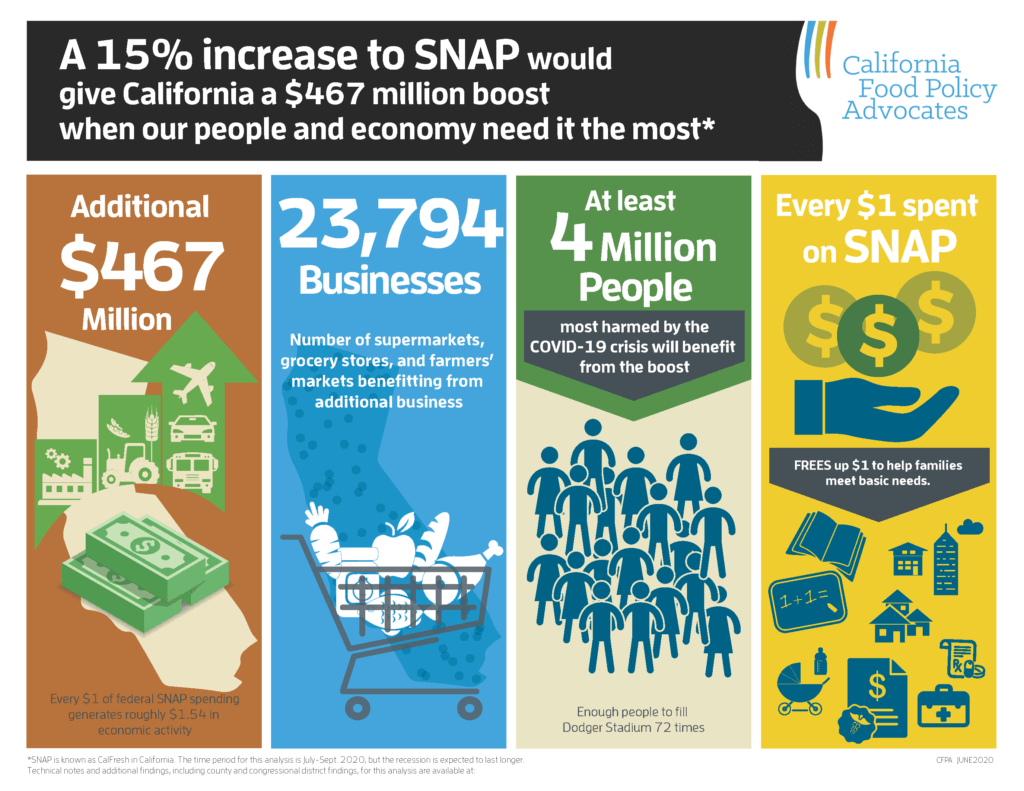
CalFresh is California’s implementation of the federal Supplemental Nutrition Assistance Program (SNAP), overseen by the U.S. Department of Agriculture (USDA) and administered at the state level by the California Department of Social Services and locally by county social service agencies. Its primary purpose is to help low-income individuals and families purchase healthy food, improving nutrition and reducing food insecurity. For many California households, the cost of living, particularly in urban centers, presents significant financial challenges, making access to affordable, healthy food a constant struggle. CalFresh benefits, provided monthly on an Electronic Benefit Transfer (EBT) card, can be used at most grocery stores, farmers’ markets, and even some online retailers that accept SNAP payments. This program not only provides direct relief to families but also injects billions of dollars into California’s economy, supporting local businesses and agricultural producers. A secure food supply is a cornerstone of a resilient community and a fundamental aspect of a healthy, productive lifestyle for all residents.
Key Eligibility Requirements for CalFresh (SNAP)
Eligibility for CalFresh is determined by several factors, including household income, size, residency, and citizenship status. While the general guidelines are set federally, California has adopted certain policies to expand access, making it one of the more inclusive states for SNAP benefits.
Income Thresholds and Household Size
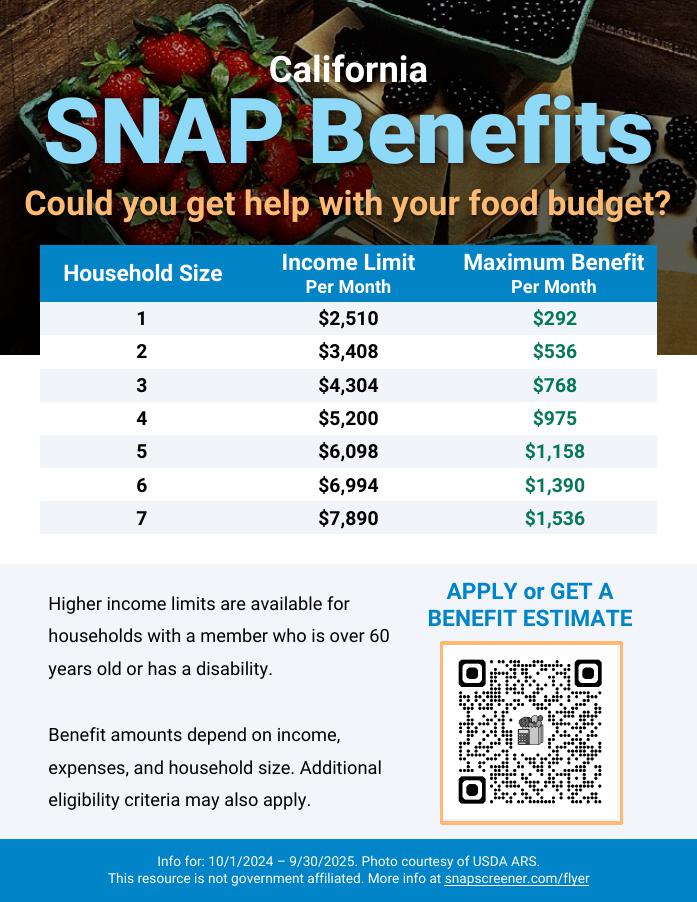
The most significant factor in determining CalFresh eligibility is a household’s gross and net monthly income relative to its size. Gross income refers to total income before any deductions, while net income is what remains after certain allowable deductions are applied.
- Gross Income Limit: For most households, the gross monthly income must be at or below 200% of the Federal Poverty Level (FPL). This threshold allows many working families to qualify, recognizing that even with employment, wages may not be sufficient to cover all basic needs, including food.
- Net Income Limit: After allowable deductions (such as a standard deduction, earned income deduction, dependent care costs, medical expenses for elderly/disabled, and shelter costs), a household’s net income must be at or below 100% of the FPL.
- Household Size: Both income limits increase with household size. For example, a single individual will have lower income limits than a family of four. The program is designed to provide benefits that supplement a household’s existing resources, ensuring a healthy diet is within reach regardless of family structure.
It’s important to note that California has largely eliminated the asset test for most CalFresh applicants, meaning that a household’s savings, property, or other resources generally do not count against their eligibility, making it easier for low-income individuals to retain some savings without jeopardizing their food assistance. This policy reflects an understanding that modest assets are crucial for financial stability and future planning, which are integral to a sustainable lifestyle.
Residency and Citizenship Status
To qualify for CalFresh, applicants must be residents of California. Additionally, there are specific requirements regarding citizenship and immigration status:
- U.S. Citizens: All U.S. Citizens who meet other eligibility criteria are eligible.
- Qualified Non-Citizens: This category includes lawful permanent residents (green card holders), refugees, asylees, certain victims of trafficking, and other specific immigrant statuses. Generally, many qualified non-citizens must have lived in the U.S. for five years or meet other specific conditions to be eligible. California has also expanded eligibility to certain non-citizens who were previously excluded, underscoring the state’s commitment to supporting all its residents.
- Undocumented Individuals: Undocumented immigrants are not eligible for CalFresh benefits. However, mixed-status households (households with both eligible and ineligible members) can still apply, and the eligible members may receive benefits.
These provisions demonstrate an inclusive approach to food security, recognizing that nutritional needs transcend national origin and are critical for the well-being of the entire community and the broader societal lifestyle.
Special Circumstances and Exemptions
While income and residency are primary factors, several special circumstances can influence eligibility:
- Students: College students aged 18-49 who are enrolled at least half-time generally have stricter eligibility rules. However, they may qualify if they meet specific criteria, such as working a certain number of hours per week, participating in a work-study program, having dependents, receiving Temporary Assistance for Needy Families (TANF) benefits, or having a disability.
- Elderly and Disabled Individuals: Households with members who are elderly (60+) or have a disability often have different income deductions and may be exempt from certain work requirements. They may also be able to deduct significant medical expenses from their income.
- Work Requirements: Able-Bodied Adults Without Dependents (ABAWDs) aged 18-50 typically must meet work requirements (working or participating in a work program for at least 20 hours per week) to receive CalFresh for more than three months in a 36-month period. However, there are numerous exemptions, including those living in areas with high unemployment or individuals who are homeless, pregnant, or medically unable to work.
- Homeless Individuals: Homeless individuals are often eligible and can qualify for a standard utility allowance, which can increase their benefits. Addressing food insecurity among the homeless population is a critical component of supporting basic human dignity and an improved quality of life.
These exemptions and special considerations reflect a nuanced understanding of the diverse circumstances that can impact an individual’s ability to secure adequate nutrition, ensuring the program effectively serves those most in need to sustain a stable lifestyle.
The Application Process: Navigating the System
Applying for CalFresh in California is designed to be accessible, though it requires attention to detail. The process typically involves several steps:
- Application Submission: Individuals can apply online through BenefitsCal.com, which is the state’s unified public assistance portal. Applications can also be submitted in person at a local county social services agency, by mail, or by phone. The online portal offers a streamlined experience, allowing applicants to upload necessary documents directly.
- Interview: After submitting an application, most applicants will need to complete an interview with a county eligibility worker. This interview can often be conducted over the phone. During the interview, the worker will verify information provided in the application and clarify any details.
- Verification: Applicants must provide documentation to verify their identity, residency, income, expenses, and household composition. Common documents include utility bills, pay stubs, birth certificates, and proof of identification.
- Decision: Once all information is verified, the county will determine eligibility and the benefit amount. Applicants are notified of the decision by mail. If approved, benefits are typically issued within 30 days of the application date, often sooner for expedited service for those in immediate need.
- Reporting Changes: Approved households must report changes in income, household size, or other circumstances to their county office within ten days of the change. This ensures that benefits are adjusted appropriately.
Navigating the application process effectively is a crucial step towards securing food assistance and, by extension, achieving greater financial stability and an improved lifestyle. Various community organizations and legal aid services also offer free assistance to help applicants complete the process, ensuring no eligible individual is left behind.
Beyond Food: The Broader Impact of CalFresh on Lifestyle
While CalFresh primarily addresses food insecurity, its impact extends far beyond the grocery aisle. For households struggling to make ends meet, the program frees up financial resources that can then be redirected to other critical areas, profoundly influencing their overall lifestyle and well-being.
For instance, parents may be able to afford better housing, necessary medical care, or educational supplies for their children when they no longer have to worry as much about how to put food on the table. This stability can lead to improved health outcomes, better academic performance for children, and reduced stress for adults. A less stressful home environment, coupled with adequate nutrition, fosters a more positive atmosphere that supports mental health and family cohesion.
For individuals, the assurance of food security can be transformative, allowing them to focus on personal development, job training, or community engagement rather than the daily struggle for sustenance. This foundational support system enables a broader range of lifestyle choices and opportunities that might otherwise be out of reach. Ultimately, CalFresh is an investment in human capital, enhancing the quality of life for California’s most vulnerable residents and contributing to a more resilient and equitable society where everyone has the chance to thrive and lead a fulfilling life.
LifeOutOfTheBox is a participant in the Amazon Services LLC Associates Program, an affiliate advertising program designed to provide a means for sites to earn advertising fees by advertising and linking to Amazon.com. Amazon, the Amazon logo, AmazonSupply, and the AmazonSupply logo are trademarks of Amazon.com, Inc. or its affiliates. As an Amazon Associate we earn affiliate commissions from qualifying purchases.