
California has long been synonymous with opportunity, innovation, and an enviable lifestyle. However, for many seeking accommodation, whether for a short-term relocation or a long-term dream home, the state also represents a formidable financial hurdle. The astronomical cost of housing and rentals in California is not a mere anomaly but the result of a complex interplay of economic, geographic, regulatory, and social factors that collectively drive prices skyward, making securing a comfortable stay a significant consideration for anyone planning to settle or even temporarily reside in the Golden State.
The Bedrock of Scarcity: Supply vs. Demand
At the heart of California’s expensive accommodation market lies a fundamental imbalance: robust demand continuously outstrips limited supply. This classic economic principle is exacerbated by the state’s unique characteristics and enduring appeal.
Geographic Constraints and Environmental Imperatives
A significant portion of California’s available land is simply not developable for residential purposes. The state is framed by natural barriers like the Pacific Ocean to the west and expansive mountain ranges such as the Sierra Nevada to the east. Furthermore, vast tracts of land are designated as national parks, forests, agricultural preserves, or are otherwise environmentally protected. Cities like San Francisco and Los Angeles are geographically constrained, hemmed in by water, hills, and existing development, leaving little room for new construction. This inherent scarcity of buildable land, coupled with strict environmental regulations designed to protect California’s natural beauty and resources, severely limits the potential for expanding housing inventory, thereby driving up the value of existing properties and available rental units.
Relentless Population Growth and Economic Magnetism
Despite the high cost of living, California continues to be a magnet for people from across the nation and around the world. Its powerful economy, particularly in the technology sector centered around Silicon Valley, biotechnology, entertainment, and agriculture, creates a wealth of high-paying job opportunities. This economic vitality attracts a steady stream of new residents, all of whom require accommodation. Major metropolitan areas like San Francisco, Los Angeles, and San Diego experience particularly intense demand pressures. While some regions, such as parts of the Central Valley, offer relatively more affordable options, the proximity to major employment hubs often comes with a significant premium. This continuous influx of people, combined with the limited housing stock, creates a fiercely competitive market, whether one is looking to rent an apartment for a few months or purchase a family home.
The Cost of Doing Business in the Golden State
Developing new accommodation in California is an inherently expensive undertaking, a cost that is inevitably passed on to consumers through higher purchase prices and rental rates. Several factors contribute to these elevated development costs, making it challenging to build affordable housing at scale.
Regulatory Hurdles and Development Expenses
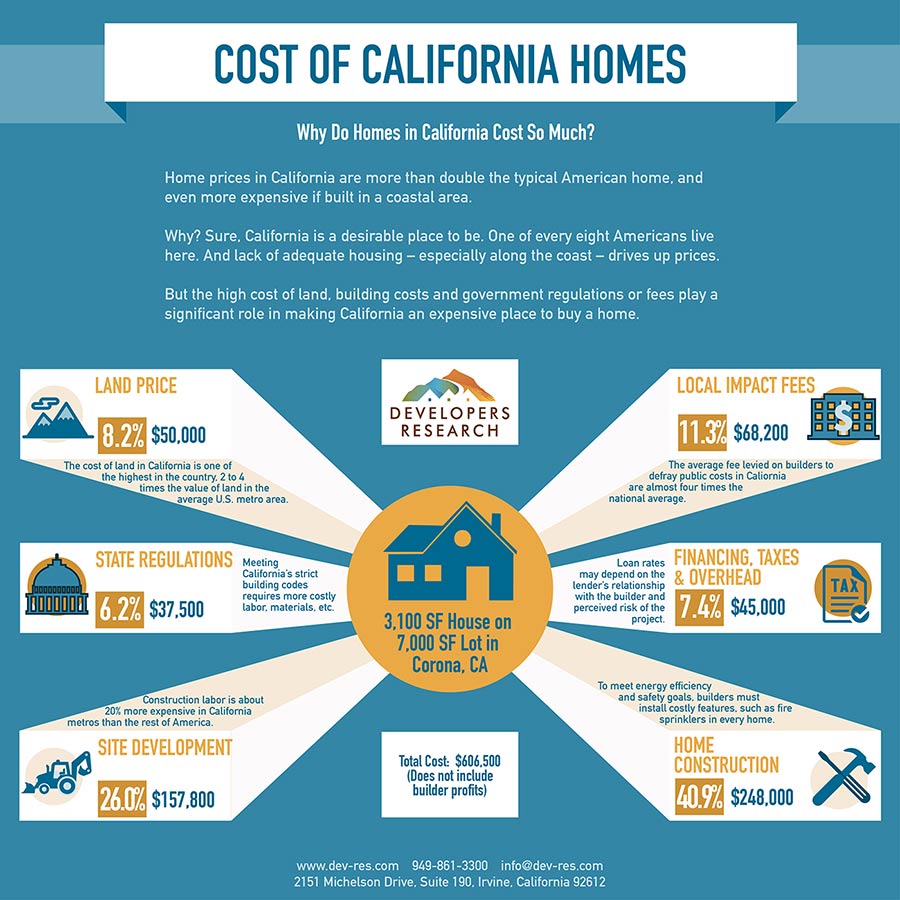
California is renowned for its stringent building codes, zoning regulations, and extensive permitting processes. Local governments often impose complex requirements for new developments, including environmental impact reviews, community benefit agreements, and design standards. These regulations, while sometimes intended to preserve neighborhood character or ensure safety, often lead to significant delays and added expenses for developers. Navigating the bureaucratic labyrinth can take years and require substantial legal and consulting fees before a single foundation is laid. Furthermore, “NIMBY” (Not In My Backyard) sentiment from existing residents can frequently lead to opposition against new housing projects, particularly higher-density developments, further delaying construction and limiting the supply of new units. These regulatory burdens directly translate into higher per-unit costs for any new accommodation brought to market.
Labor, Materials, and the Premium for Quality

The cost of construction labor in California is among the highest in the nation, reflecting the state’s high cost of living and strong union presence. Skilled tradespeople, electricians, plumbers, and carpenters command higher wages, which significantly impacts overall building expenses. Additionally, the cost of building materials can be elevated due to transportation costs, environmental requirements for certain materials, and tariffs. The demand for higher quality, earthquake-resistant construction, and energy-efficient designs also adds to the expense. For any developer, these rising input costs necessitate charging higher prices for new homes and apartments to ensure profitability. This impacts not just new construction but also influences the value of existing properties, as the cost of replacement or renovation remains high, ensuring that even older homes retain substantial market value.
Affluence, Investment, and Lifestyle Premium
Beyond supply and demand and construction costs, the unique financial dynamics of California’s economy and the intangible value of its lifestyle also play a crucial role in its high accommodation prices.
The Tech Boom and High-Income Influx
The unprecedented growth of the technology industry, particularly in Silicon Valley and extending into San Francisco, has created immense wealth. Tech companies, including giants like Apple, Google, and Meta, employ hundreds of thousands of individuals who often earn exceptionally high salaries. This concentration of high-income earners dramatically inflates housing prices in surrounding areas. These affluent individuals are willing and able to pay a premium for accommodation, whether purchasing luxury homes or renting upscale apartments, creating a ripple effect that pushes up prices across the entire market, making it challenging for those with more modest incomes to find affordable housing options. The concentration of wealth also fuels demand for luxury amenities and larger properties, further driving up the average cost of accommodation.
Speculation and the Lure of California Living
California real estate is often viewed as a sound long-term investment, attracting both domestic and international investors. This perception can lead to speculation, where properties are purchased not just for personal use but with the expectation of significant appreciation. Investors, eager to capitalize on California’s sustained economic growth and limited housing supply, can drive up prices, sometimes even beyond what local residents can afford. Furthermore, the intangible value of the “California lifestyle”—characterized by pleasant weather, diverse landscapes, vibrant culture, and abundant recreational opportunities—commands a significant premium. People are willing to pay more to live near beaches, mountains, world-class dining, and cultural institutions, or simply to enjoy the state’s iconic sunshine. This lifestyle premium is embedded in accommodation costs, making it a key factor in the state’s expensive housing market.
Navigating California’s Unique Accommodation Market
Understanding the underlying causes of high accommodation costs is the first step toward navigating California’s challenging housing landscape. For residents and newcomers alike, strategic planning is essential.
Rental Market Realities and Long-Term Stays
For those not ready to purchase, the rental market in California presents its own set of challenges. Rents are notoriously high, particularly in major metropolitan areas, often consuming a substantial portion of a resident’s income. Securing a long-term rental frequently requires excellent credit, substantial security deposits, and a willingness to act quickly in a competitive environment. Rent control ordinances exist in some cities, such as San Francisco, Los Angeles, and Oakland, offering some tenant protections and limiting rent increases, but they do not typically apply to newer construction or single-family homes, and they don’t lower the initial market-rate price. For short-term stays, options like corporate apartments or furnished rentals often come at a premium due to the demand for flexible, ready-to-move-in solutions in desirable locations.
Strategies for Securing Value in a High-Cost Landscape
While affordability is a relative term in California, there are strategies to consider for those seeking accommodation. Exploring areas slightly outside primary job centers, such as the Inland Empire east of Los Angeles or certain suburbs of Sacramento, can yield more favorable prices, though this may necessitate a longer commute. Considering smaller units, roommates, or co-living arrangements can also significantly reduce individual housing expenses. Additionally, for long-term residents, taking advantage of first-time homebuyer programs or exploring options in less densely populated counties might provide an entry point into homeownership. Ultimately, finding accommodation in California requires a realistic budget, a deep understanding of market dynamics, and often, a willingness to prioritize location, space, or amenities based on individual financial capacity.
LifeOutOfTheBox is a participant in the Amazon Services LLC Associates Program, an affiliate advertising program designed to provide a means for sites to earn advertising fees by advertising and linking to Amazon.com. Amazon, the Amazon logo, AmazonSupply, and the AmazonSupply logo are trademarks of Amazon.com, Inc. or its affiliates. As an Amazon Associate we earn affiliate commissions from qualifying purchases.