
California, often romanticized as the Golden State, is synonymous with innovation, natural beauty, and a coveted lifestyle. However, this allure comes at a significant cost, particularly when it comes to housing. For anyone considering long-term accommodation, whether renting or buying, understanding the intricate web of factors contributing to the state’s sky-high home prices is paramount. This isn’t merely a regional quirk; it’s a complex economic and social challenge impacting residents, businesses, and the very fabric of communities across the state.
The Relentless Demand: A Golden State Magnet
The fundamental principle of supply and demand plays a colossal role in California’s housing crisis. The state consistently ranks among the most desirable places to live in the United States, attracting a steady stream of residents despite its housing challenges. This sustained demand is fueled by several powerful magnets:
Economic Opportunities and Innovation Hubs
California is home to some of the world’s most dynamic industries, particularly technology, entertainment, and biotechnology. Regions like Silicon Valley, encompassing cities like San Jose and parts of the Bay Area, are global centers for tech giants and startups, drawing highly skilled workers from around the globe. Similarly, Los Angeles remains the epicenter of the entertainment industry, while San Diego boasts a thriving biotech sector. These robust job markets, often offering high-paying positions, create a powerful draw, leading to intense competition for available housing. People are willing to pay a premium to live close to these economic engines, where careers can flourish and innovation thrives.
Desirable Climate and Lifestyle
Beyond economics, California’s Mediterranean climate, diverse landscapes ranging from pristine beaches to majestic mountains, and vibrant cultural scenes are undeniable draws. The promise of year-round sunshine, access to outdoor activities, and a perceived higher quality of life persuade many to make California their home. This lifestyle appeal contributes to a sustained influx of residents, further intensifying demand for all forms of accommodation, from rental apartments to family homes. The perceived value of living in such an environment directly translates into a higher willingness to pay for housing.
Population Growth and In-Migration
While some narratives focus on out-migration, California continues to experience significant population growth, both from natural increase and net international migration. Even with some domestic outflows to more affordable states, the sheer number of people seeking to establish long-term residency within its borders keeps the demand pressure high. Each new resident requires accommodation, and when the housing supply isn’t keeping pace, prices inevitably climb.
The Supply-Side Squeeze: A Scarcity Crisis
While demand is robust, the supply of new housing in California has notoriously lagged behind. This persistent shortage is perhaps the most critical factor driving up home values, creating an environment where existing homes become increasingly valuable assets.
Geographical Constraints
Much of California’s prime real estate is naturally constrained. The state is characterized by significant topographical features, including mountain ranges (like the Sierra Nevada and coastal ranges), the Pacific Ocean to the west, and protected open spaces. These natural barriers limit the amount of developable land, particularly in highly desirable coastal regions and metropolitan areas like the Bay Area and Los Angeles. With finite space, competition for land suitable for residential development becomes fierce, driving up land costs which are then passed on to home buyers.
Restrictive Zoning and Land Use Regulations
California’s municipalities have historically adopted stringent zoning laws that often prioritize single-family housing and low-density development. These regulations, while sometimes intended to preserve neighborhood character or environmental quality, significantly restrict the construction of multi-family dwellings, townhouses, and other higher-density housing types that could alleviate supply shortages.
- NIMBYism (Not In My Backyard): Local opposition from existing residents, often termed NIMBYism, frequently complicates and delays new housing projects. Concerns about traffic, parking, school overcrowding, and changes to neighborhood aesthetics can lead to protracted battles, increasing development costs and stifling supply.
- Environmental Protections: California has some of the most robust environmental protection laws in the nation, such as the California Environmental Quality Act (CEQA). While vital for safeguarding natural resources, CEQA can be a powerful tool for opponents of development to slow down or halt projects through extensive review processes and litigation, adding years and millions of dollars to development timelines.
Regulatory Landscape and Development Hurdles

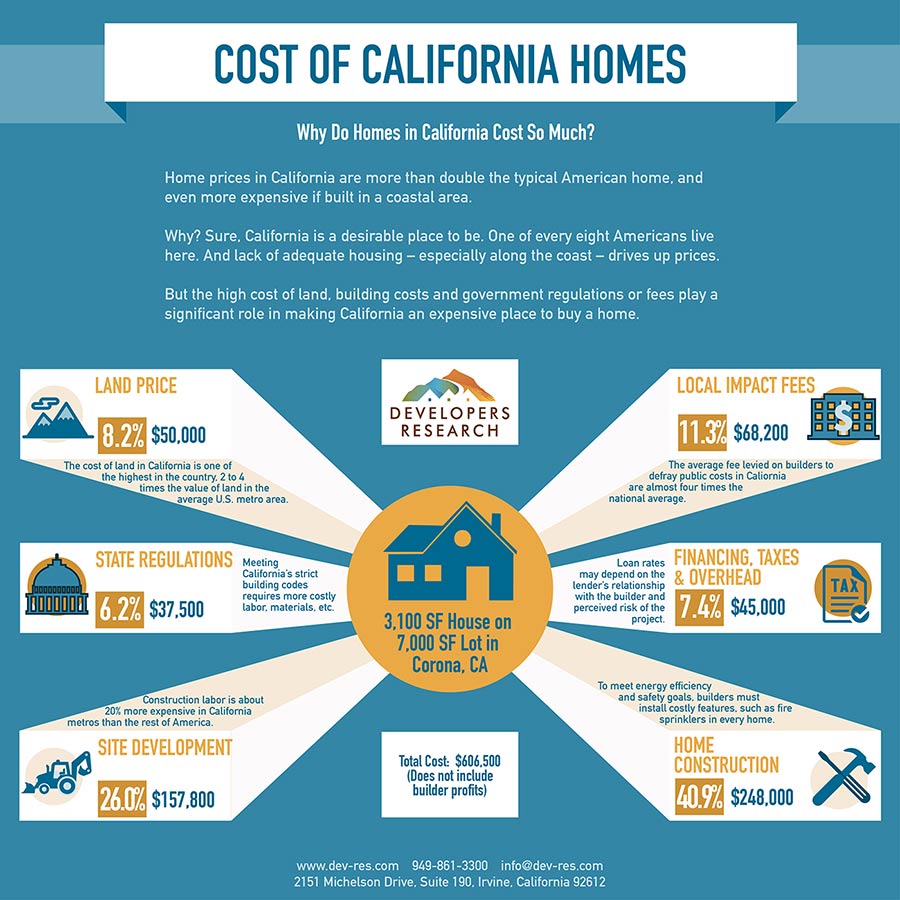
Beyond zoning, a complex web of regulations and high construction costs further hinders housing development, making it financially challenging to build new homes, especially affordable ones.
High Construction Costs and Fees
Building homes in California is exceptionally expensive. This is due to several factors:
- Labor Costs: High wages for skilled construction workers in California contribute significantly to overall project expenses.
- Material Costs: Supply chain issues and general inflation have driven up the cost of construction materials nationwide, but the impact is often amplified in California due to logistical challenges and demand.
- Permitting and Impact Fees: Developers face a multitude of state and local fees, including those for permits, infrastructure improvements, and school impacts. These fees can add tens of thousands of dollars to the cost of a single home, pushing up the final price for consumers.
- Seismic and Building Codes: The need to adhere to rigorous seismic safety standards and other advanced building codes, while ensuring safety, adds complexity and expense to construction.
Lengthy Approval Processes
The time it takes to get a housing project approved in California is notoriously long. Developers often navigate a bureaucratic maze involving multiple agencies, public hearings, and detailed environmental reviews. This extended timeline increases carrying costs for developers (interest on loans, property taxes), which are ultimately passed on to the buyer or renter. The uncertainty and duration of the approval process can deter potential developers, further constricting supply.
Economic Drivers: Tech Boom and Income Disparity
The economic success of California, particularly in its tech sector, has been a double-edged sword for housing affordability.
The Silicon Valley Effect
The explosive growth of tech companies in Silicon Valley and the Bay Area has created unprecedented wealth and high-paying jobs. While beneficial for the state’s economy, this influx of high-income earners has dramatically skewed the housing market. They can afford to pay more for homes, driving up prices beyond the reach of middle- and lower-income residents, not just in tech hubs like San Francisco and San Jose, but radiating outwards to surrounding communities.
Income Disparity and the “Missing Middle”
The vast gap between the incomes of highly paid tech workers and those in other essential professions has created a “missing middle” in California’s housing market. Teachers, nurses, first responders, and service workers often find themselves priced out of the communities they serve. This disparity exacerbates the crisis, as the market caters to those with the highest purchasing power, leaving a significant portion of the workforce struggling to find suitable long-term accommodation.
Investor Activity
California real estate is often viewed as a stable and appreciating investment. This attracts both domestic and international investors who purchase properties, sometimes for rental income or simply as appreciating assets. While investor activity can contribute to development in certain segments, it can also reduce the inventory of homes available for owner-occupancy, intensifying competition and contributing to rising prices.
The Long-Term Accommodation Outlook
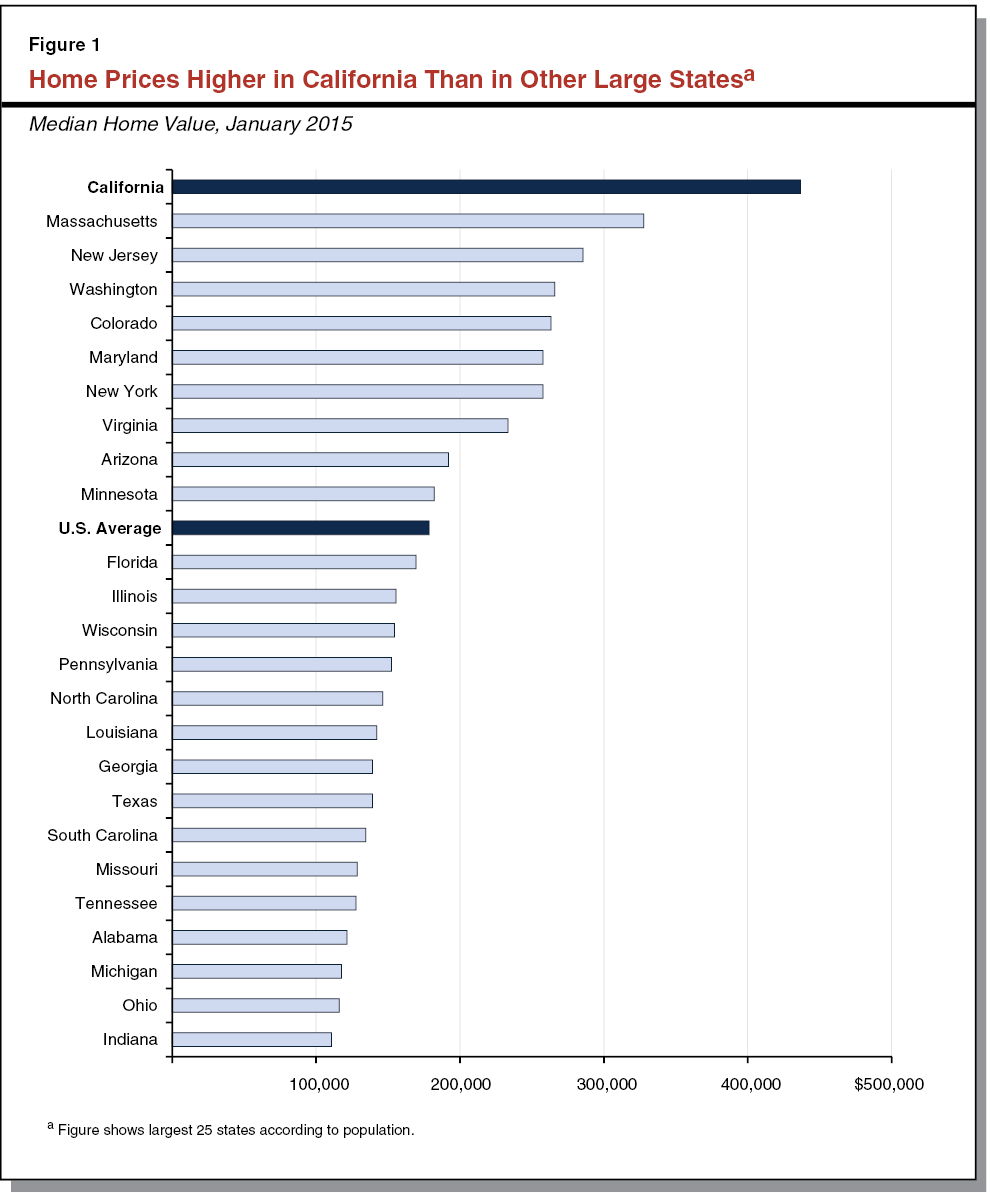
The confluence of high demand, constrained supply, complex regulations, and robust economic drivers creates a unique and challenging housing market in California. For those seeking long-term accommodation, the implications are profound:
- Higher Rental Costs: The high cost of purchasing homes directly translates into high rental prices, as landlords seek to cover their mortgage payments, property taxes, and generate a return on their significant investment.
- Commuting Challenges: Many residents are forced to live in more affordable areas further from their workplaces, leading to long commutes and increased transportation costs.
- Reduced Homeownership Rates: California consistently has one of the lowest homeownership rates in the nation, particularly among younger generations and minority groups, due to the immense financial barrier to entry.
- Impact on Workforce: Businesses, especially those not in high-paying tech sectors, struggle to attract and retain employees who cannot afford to live near their jobs. This can lead to broader economic challenges for the state.
Addressing California’s housing affordability crisis requires a multi-faceted approach, including reforming zoning laws, streamlining permitting processes, investing in infrastructure, and exploring innovative housing solutions. Until significant changes are implemented, the Golden State’s homes will likely remain among the most expensive in the nation, fundamentally shaping the experience of long-term accommodation for millions.
LifeOutOfTheBox is a participant in the Amazon Services LLC Associates Program, an affiliate advertising program designed to provide a means for sites to earn advertising fees by advertising and linking to Amazon.com. Amazon, the Amazon logo, AmazonSupply, and the AmazonSupply logo are trademarks of Amazon.com, Inc. or its affiliates. As an Amazon Associate we earn affiliate commissions from qualifying purchases.