
California, a state synonymous with innovation, natural beauty, and a progressive spirit, is also a vibrant hub of civic engagement and public discourse. For visitors exploring its diverse cities, stunning coastlines, and national parks, understanding the local context, including the reasons behind public demonstrations, offers a richer appreciation of its dynamic culture. Protests in the Golden State are not mere isolated incidents but often reflect deep-seated social, economic, and environmental concerns that shape the lives of its residents and, by extension, the local culture a tourist might encounter.
Unpacking California’s Civic Landscape and Protest Culture
California’s history is inextricably linked with activism and social movements. From the labor movements that shaped its agricultural industry to the civil rights struggles and environmental protection efforts, the state has long been a crucible for change. This legacy continues today, manifesting in various forms of public expression, including protests. Understanding this historical backdrop is key to grasping why demonstrations remain a common feature of the Californian landscape.

A History of Activism in the Golden State
The spirit of protest is woven into the fabric of California. The fight for farmworkers’ rights led by figures like Cesar Chavez, the free speech movement at the University of California, Berkeley, and the environmental preservation efforts that gave rise to organizations like the Sierra Club are just a few examples. This history instilled a culture where public assembly and peaceful dissent are not only protected but often seen as crucial tools for societal advancement. Today’s protests, while addressing contemporary issues, draw from this rich tradition, emphasizing the importance of community voice in shaping policy and public opinion. For a tourist, recognizing this historical thread can transform a simple observation of a protest into an insight into the state’s enduring democratic ideals.
Key Issues Driving Contemporary Movements
Today, protests in California are often multifaceted, reflecting the state’s complex challenges and diverse population. While specific triggers vary, recurring themes include economic inequality, housing affordability, environmental justice, and social equity. These movements are not confined to a single city but can be observed across major metropolitan areas like Los Angeles, San Francisco, and the state capital, Sacramento. They highlight the aspirations and frustrations of communities grappling with rapid change and persistent societal issues, offering a direct window into the local concerns that shape daily life for many Californians.
Understanding the Drivers: Economic, Social, and Environmental Factors
The reasons behind protests in California are deeply rooted in the state’s unique economic, social, and environmental landscape. As a global economic powerhouse and a leader in technology and innovation, California also faces significant disparities and challenges that fuel public discontent and collective action.
The Cost of Living Crisis and Housing Advocacy
Perhaps one of the most prominent drivers of protest in California is the severe housing crisis and escalating cost of living. Cities like San Francisco and Los Angeles consistently rank among the most expensive places to live globally. This situation has led to widespread housing insecurity, homelessness, and displacement, sparking numerous tenant rights movements, affordable housing advocacy groups, and protests against gentrification. Visitors might encounter demonstrations advocating for rent control, increased public housing, or support for unhoused populations. These movements underscore a fundamental tension in the state: immense wealth alongside significant poverty, creating a fertile ground for activism centered on economic justice.
Environmental Concerns and Climate Action
Given California’s vulnerability to climate change impacts—from wildfires and droughts to coastal erosion—environmental activism is another powerful force. Protests often target fossil fuel industries, advocate for stricter environmental regulations, demand climate justice for disproportionately affected communities, or call for urgent action on sustainable practices. The state’s progressive stance on environmental policy often clashes with economic interests or national policies, leading to public demonstrations that seek to influence lawmakers and corporations. For tourists, these protests are a visible manifestation of California’s commitment to, and struggles with, environmental stewardship, a key aspect of its modern identity.
Social Justice and Equity Movements

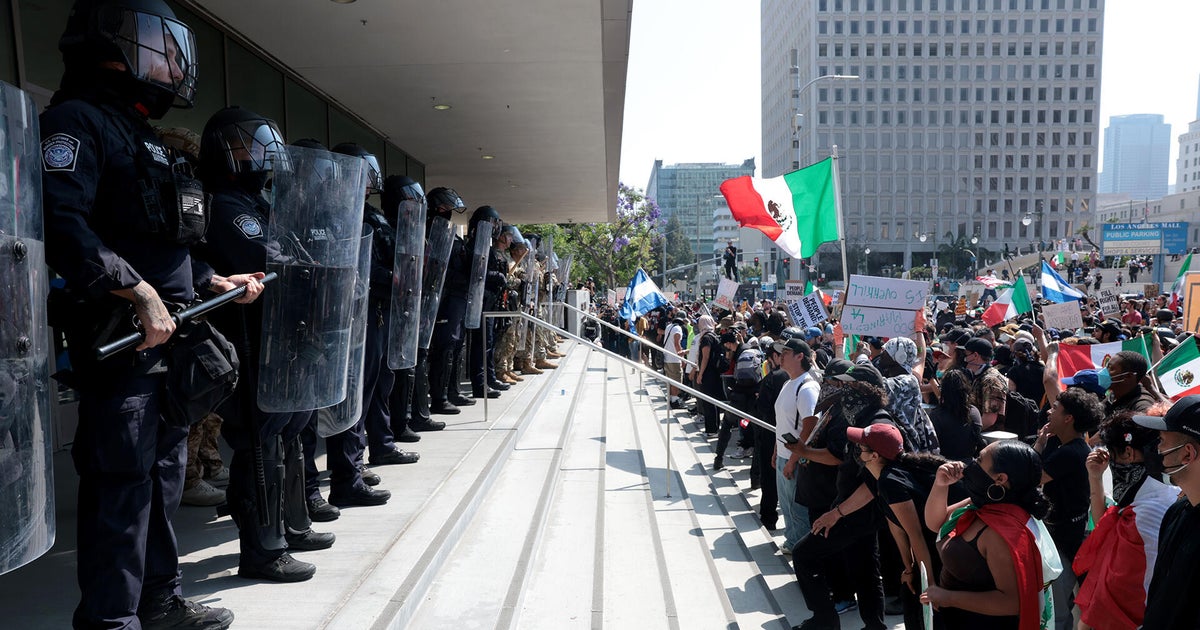
California’s diverse population, with its rich tapestry of cultures, ethnicities, and socio-economic backgrounds, also makes it a focal point for social justice movements. Issues such as racial equity, immigration rights, LGBTQ+ rights, and criminal justice reform frequently draw public attention. Protests on these topics reflect ongoing efforts to dismantle systemic inequalities and promote a more inclusive society. These demonstrations are often deeply personal for participants and represent a vital expression of community solidarity and the pursuit of fundamental human rights. Observing such movements, even from a distance, can offer a profound insight into the social fabric and values prevalent in various Californian communities.
Navigating California as a Visitor: Tips for Tourists
While protests are a part of California’s vibrant local culture, they are generally localized and peaceful. For tourists, awareness and respectful engagement are key to a safe and enjoyable visit. Understanding these movements can enhance your travel experience, providing a deeper understanding of the destination.
Staying Informed and Aware
Before and during your trip, it’s advisable to stay informed about local news, especially if you plan to visit major urban centers or areas known for public gatherings, such as near the State Capitol Building in Sacramento or city halls in Los Angeles and San Francisco. Local media outlets, social media, and your accommodation’s front desk can be excellent resources for real-time information regarding planned demonstrations, potential road closures, or public transit disruptions. Being informed allows you to adjust your itinerary if necessary and avoid unintentional detours.
Safety and Respectful Observation
If you happen to encounter a protest, prioritize your safety. Most protests in California are non-violent and well-organized, but it’s always prudent to maintain a respectful distance, especially if you are not directly involved. Avoid joining crowds or engaging in actions that could be misinterpreted. Photography is generally permitted in public spaces, but always be mindful and respectful of individuals’ privacy, especially if capturing close-up shots. Remember that you are a visitor observing local events; your role is to be a respectful guest. If an area feels unsafe or too crowded, it is best to calmly remove yourself from the vicinity.
Experiencing Local Culture Beyond the Headlines
While protests capture headlines, they are just one facet of California’s rich local culture. The state offers an incredible array of experiences, from its world-class museums and diverse culinary scene to its stunning natural landscapes and innovative spirit. Engage with local communities through farmers’ markets, neighborhood festivals, and small businesses to gain a comprehensive understanding of daily life. Many Californians are passionate about their state and its issues; respectful conversations can offer even deeper insights into the cultural and political landscape that shapes these movements.
The Impact on Tourism and Local Experiences
For the vast majority of tourists, protests will have minimal to no impact on their overall travel experience in California. The state is vast, and most demonstrations are localized, temporary, and focused on specific areas.
Localized Disruptions vs. Widespread Impact
Protests typically occur in specific public spaces, such as government buildings, major thoroughfares in city centers, or university campuses. While they might cause temporary traffic delays or rerouting of public transportation in the immediate vicinity, they rarely affect entire cities or regions. Tourist attractions, hotels, and restaurants usually operate as normal. Major destinations like Disneyland Resort, Universal Studios Hollywood, or the vineyards of Napa Valley are rarely, if ever, directly impacted. It is essential to distinguish between localized events and any widespread disruption.
Embracing California’s Dynamic Spirit
Ultimately, observing and understanding the reasons behind protests in California can be an enriching part of your travel experience. It offers a unique window into the state’s civic consciousness, its challenges, and its ongoing pursuit of progress. California is not just a collection of beautiful sights; it is a living, evolving society with a strong commitment to public engagement. By approaching your visit with an open mind and a desire to understand the local culture in its entirety, you’ll gain a deeper appreciation for this truly unique and dynamic destination.
LifeOutOfTheBox is a participant in the Amazon Services LLC Associates Program, an affiliate advertising program designed to provide a means for sites to earn advertising fees by advertising and linking to Amazon.com. Amazon, the Amazon logo, AmazonSupply, and the AmazonSupply logo are trademarks of Amazon.com, Inc. or its affiliates. As an Amazon Associate we earn affiliate commissions from qualifying purchases.