
The allure of California has long been synonymous with a desirable lifestyle: sun-drenched beaches, pristine national parks, bustling metropolitan centers, and a spirit of innovation. From the luxurious escapism of Malibu to the vibrant cultural tapestry of San Francisco and the natural wonders of Yosemite National Park, the state offers a myriad of experiences for every “lifestyle” choice—be it luxury travel, a budget-friendly family trip, or extended business stays. Yet, beneath this glossy façade, a profound shift has been underway, significantly impacting the state’s economic landscape and, by extension, the very fabric of its lifestyle and tourism economy. Major insurance companies have begun to curtail or completely withdraw their operations, creating ripples that extend far beyond policyholders, touching every aspect of living, visiting, and doing business in the Golden State.
The Shifting Sands of Risk: Climate and Commerce Collide
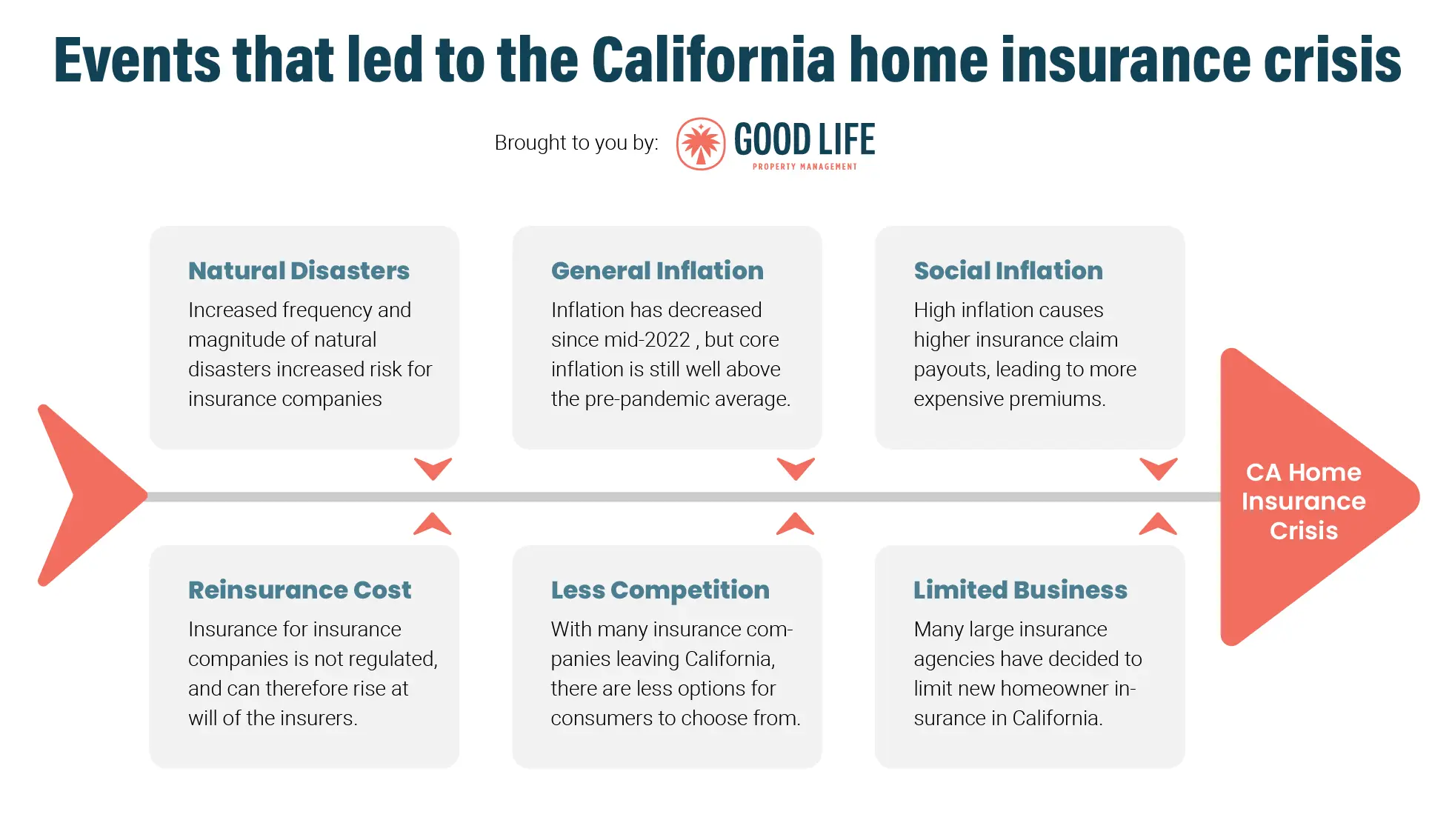
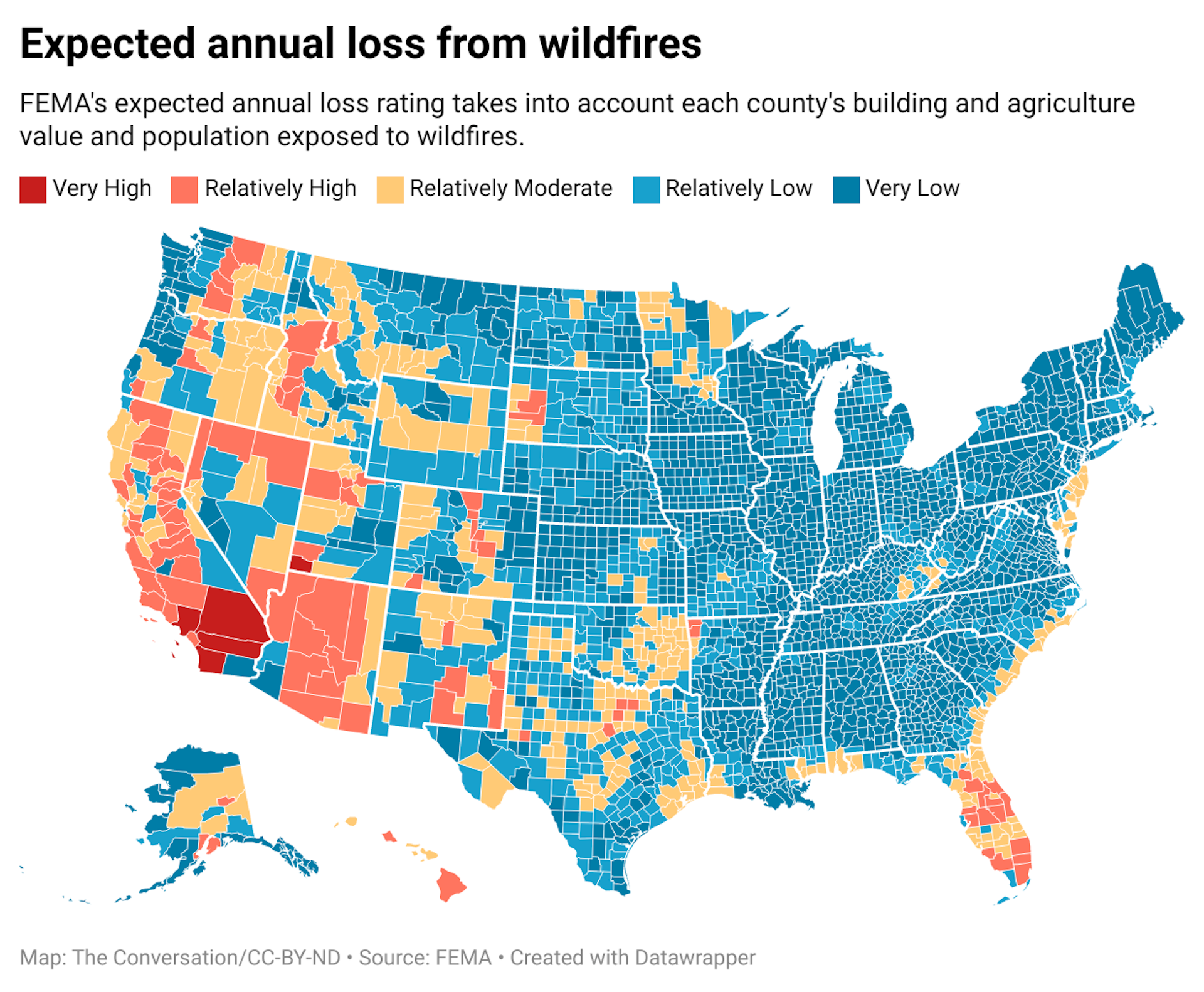
At the core of the insurance exodus lies an escalating crisis driven primarily by climate change and, crucially, the regulatory environment unique to California. The state has grappled with a dramatic increase in the frequency and severity of natural disasters, particularly wildfires. Historic wildfire seasons, like those that ravaged communities from the North Bay to the Sierra Nevada, have resulted in billions of dollars in insured losses, turning once-profitable regions into high-risk zones.
The Wildfire Factor: Reshaping Residential and Recreational Lifestyles
For many, the dream of a California lifestyle involves a home nestled among rolling hills or near scenic forests. However, these idyllic settings are precisely where the wildfire risk has spiked. Insurance companies, facing colossal payouts and unsustainable liabilities, found themselves in an untenable position. The business model of pooling risk across a broad base faltered as the scale of destruction became too localized and too frequent. This directly impacts the lifestyle of property ownership, particularly for those with second homes, vacation rentals, or those considering retirement in scenic, fire-prone areas. The inability to secure affordable, comprehensive insurance makes such a lifestyle not just financially precarious but, in some cases, outright impossible. It forces a fundamental reevaluation of where and how one can enjoy the outdoor-centric California lifestyle.
Regulatory Constraints: A Double-Edged Sword for Business Stays
California’s regulatory framework, while designed to protect consumers, has inadvertently created a challenging environment for insurers. Historically, state law has restricted how quickly and by how much insurance companies can raise premiums to reflect actual and projected risks. This means that even as wildfire risks soared, insurers found themselves unable to price their policies adequately to cover potential losses and remain profitable.
This regulatory bottleneck impacts the lifestyle of doing business in California. For hotels, resorts, and various hospitality businesses catering to both luxury travel and business stays, the cost of property insurance has either skyrocketed or become unavailable from standard carriers. This forces businesses to resort to the state’s insurer of last resort, the California FAIR Plan, which often provides more limited coverage at higher prices. Such increased operating costs invariably trickle down, affecting pricing for guests, reducing investment in property upgrades, and potentially leading to business closures—all of which diminish the quality and range of available options for visitors, from high-end corporate retreats to budget-conscious family trips.
Ripple Effects on Accommodation and Travel Lifestyles
The insurance crisis extends far beyond individual homeowners; it casts a long shadow over the entire accommodation sector and the lifestyle choices of travelers.
Vacation Rentals and Second Homes: A Precarious Investment Lifestyle

For those who embrace the lifestyle of owning a vacation rental in California, perhaps in a charming beach town like Carmel-by-the-Sea or a mountain retreat near Lake Tahoe, the insurance crunch presents a severe threat. Without adequate coverage, the financial risk of operating a short-term rental becomes immense. Property owners might face difficulties securing mortgages or refinancing, impacting their ability to maintain or expand their properties. This scarcity of insured vacation properties could lead to reduced availability and increased costs for travelers seeking that quintessential California lifestyle experience through rental accommodations. The “Airbnb lifestyle” for both hosts and guests becomes significantly more challenging and expensive.
Hotels and Resorts: Sustaining the Luxury and Business Stay Lifestyle
The hospitality industry, a cornerstone of California’s appeal for luxury travel and business stays, is also feeling the squeeze. Large hotel chains and boutique resorts require substantial property insurance to protect their multi-million-dollar assets. As traditional insurers retreat, these businesses face the prospect of higher premiums, reduced coverage, or a reliance on surplus lines markets, which are typically more expensive and less regulated.
This financial pressure can impact guest experiences. Increased operational costs may lead to higher room rates, potentially pricing out budget travelers and making California less competitive as a destination for family trips. For luxury travelers, while less price-sensitive, a decline in investment due to rising insurance costs could subtly impact the quality of amenities, the pace of renovations, and the overall premium experience they expect. Business stays, in particular, rely on stable, predictable operating environments; insurance instability adds another layer of complexity for corporate event planners and companies considering California for conferences and conventions.
Broader Lifestyle Implications: From Budget to Business
The insurance crisis isn’t an isolated financial event; it’s a systemic challenge that can reshape the broader lifestyle available within California for residents and visitors alike.
The Cost of Living: Affecting Family Trips and Budget Travel Lifestyles
When insurance costs rise for businesses and residents, the overall cost of living and operating in California increases. This can contribute to inflation across various sectors, from dining to local services, making the state a more expensive destination for all types of travelers. For families planning budget travel, every dollar counts, and rising incidental costs can significantly impact the feasibility and enjoyment of their trip. The aspirational California lifestyle, already perceived as high-cost, becomes even more exclusive, potentially pushing some visitors to explore other destinations.
Economic Stability and Community Resilience: Supporting Diverse Lifestyles
A healthy insurance market is vital for economic stability. It enables businesses to rebuild after disasters, encourages new investments, and provides a crucial safety net for communities. The departure of insurers weakens this safety net, potentially deterring entrepreneurs from starting new hospitality ventures and making it harder for existing businesses to recover from unforeseen events. This erosion of economic resilience can negatively impact the vibrancy of local communities, which often serve as attractions for tourists seeking authentic cultural experiences or niche lifestyle offerings like Napa Valley‘s wine country. Without robust insurance, the lifestyle of confidence and forward-looking investment is diminished.
The Future of California’s Lifestyle and Travel Economy
Addressing the insurance crisis requires a multi-faceted approach, balancing consumer protection with the economic realities faced by insurers. Regulatory reforms are underway, aiming to allow insurers more flexibility in pricing and risk assessment, while also encouraging investment in wildfire mitigation efforts. For California to retain its magnetic pull for diverse lifestyles—from the adventure seeker to the luxury connoisseur, the business traveler to the family on vacation—it must rebuild trust and stability in its insurance market.
The challenge is immense, but the stakes are higher. The Golden State’s identity, tied intrinsically to its promise of an unparalleled lifestyle and boundless opportunity, depends on finding sustainable solutions. Without a robust and willing insurance industry, the dream of living, working, and experiencing the best of California could become an increasingly exclusive and precarious endeavor, fundamentally altering the diverse tapestry of lifestyles it has long offered to the world.
LifeOutOfTheBox is a participant in the Amazon Services LLC Associates Program, an affiliate advertising program designed to provide a means for sites to earn advertising fees by advertising and linking to Amazon.com. Amazon, the Amazon logo, AmazonSupply, and the AmazonSupply logo are trademarks of Amazon.com, Inc. or its affiliates. As an Amazon Associate we earn affiliate commissions from qualifying purchases.