
California, often celebrated for its stunning coastlines, vibrant cities, and diverse landscapes, also holds the distinction of having some of the highest gas prices in the United States. For residents and visitors alike, this can significantly impact daily living and travel budgets. Understanding the underlying reasons for this premium is crucial, especially for those planning a California adventure or considering a long-term stay. The elevated cost of fuel directly influences everything from planning a scenic drive down the Pacific Coast Highway to budgeting for a family vacation exploring Los Angeles or San Francisco.

The Golden State’s Unique Fuel Challenges
Several intertwined factors contribute to California’s consistently high gas prices, setting it apart from other states. These elements create a complex market dynamic that drives up costs at the pump, affecting the lifestyle choices of its inhabitants and the travel experiences of its guests.
Environmental Regulations and Reformulated Fuel
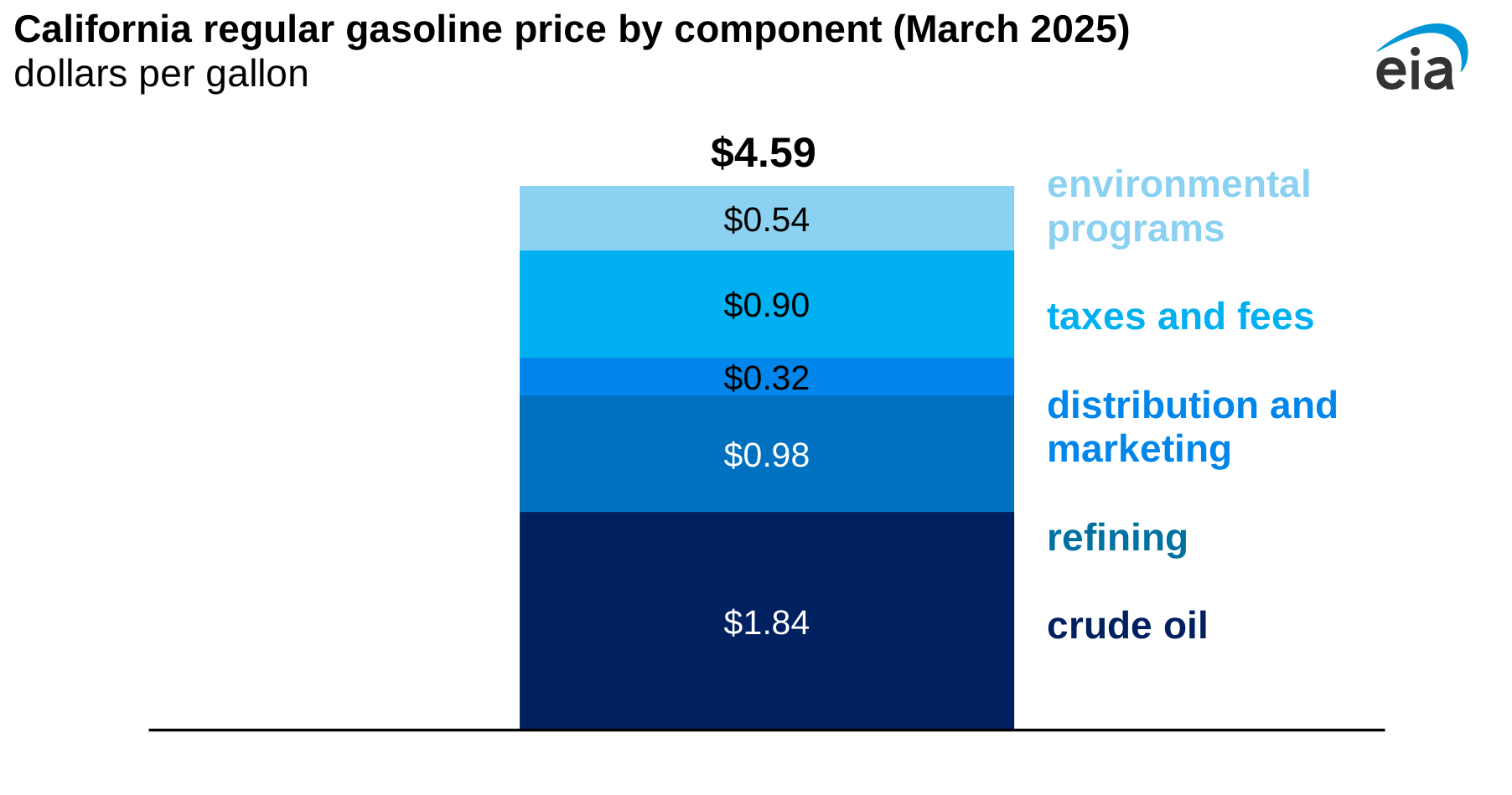
One of the primary drivers of California’s fuel costs stems from its stringent environmental regulations. To combat smog and improve air quality, the state mandates a unique blend of gasoline known as “CARB gasoline,” after the California Air Resources Board. This specialized formulation reduces emissions but is more expensive to produce and distribute than conventional gasoline.
The complexity lies in its seasonal variations. Different blends are required for summer and winter months, making it challenging for refineries outside of California to supply the market. This creates a somewhat isolated supply chain, where a limited number of in-state refineries produce the majority of the state’s fuel. When these refineries experience unexpected maintenance or operational issues, the limited alternative supply options can lead to immediate and significant price spikes. For travelers planning road trips across multiple states, this means that even a short drive across the state border can result in a dramatic change in fuel prices.
High State Taxes and Fees
Beyond the cost of production, a substantial portion of the price consumers pay at the pump in California is attributed to taxes and fees. The state imposes one of the highest gasoline excise taxes in the nation, funding vital infrastructure projects and transportation improvements. In addition to the excise tax, there are sales taxes, a cap-and-trade program cost designed to reduce greenhouse gas emissions, and other local fees.
These cumulative taxes and environmental fees add a significant premium per gallon compared to most other states. While these revenues support critical public services and environmental initiatives, they undeniably contribute to the higher cost of living and travel within California, directly impacting how residents budget for their commutes and how tourists plan their driving itineraries. Understanding these financial layers helps explain why a gallon of gas in San Diego might be substantially more expensive than in neighboring Arizona or Nevada.
Limited Refinery Capacity and Market Dynamics
California’s specific fuel requirements mean that few refineries are equipped to produce the state’s unique gasoline blends. This limited refinery capacity, combined with a relatively isolated market, means that any disruption to the supply chain can have an outsized impact on prices. Unplanned outages, pipeline issues, or even strong demand surges during peak travel seasons (like summer or holidays) can quickly deplete inventories and push prices upward.
Furthermore, the state’s geography, being largely isolated from other major refining centers by mountains and desert, means that transporting fuel from out-of-state sources is complex and costly. This further entrenches the reliance on in-state production, making the market highly sensitive to local supply fluctuations. For the average traveler, this translates to less predictable fuel costs, requiring a more agile budgeting approach, especially for extensive road trips from Sacramento to Death Valley.
Impact on Travel and Lifestyle
The perpetually high gas prices in California profoundly influence the lifestyle choices of its residents and the travel plans of those visiting the state. From daily commuting decisions to grand vacation schemes, fuel costs are a constant consideration.
Budgeting for California Road Trips
For many, exploring California’s vast and varied attractions necessitates a car. Road trips are an iconic way to experience the state, from wine tasting in Napa Valley to hiking in Yosemite National Park. However, the cost of gas can easily become one of the most significant expenses, potentially eclipsing accommodation or activity costs for budget-conscious travelers.
This necessitates careful budgeting and planning. Travelers must factor in not just the mileage but also the consistent premium price per gallon. This might mean adjusting the length of a trip, prioritizing destinations closer together, or opting for more fuel-efficient vehicles. For instance, a drive from San Francisco down to Los Angeles along the coast, while scenic, requires multiple fill-ups that can add up quickly.
Exploring Urban Centers and Rural Escapes
High gas prices influence how people move within and between California’s vibrant urban centers and serene rural escapes. In cities like Los Angeles or San Francisco, where traffic is already a concern, the added cost of fuel can push residents and tourists toward public transportation or ridesharing services, even if they initially preferred the flexibility of a private vehicle.
Conversely, accessing many of California’s natural wonders, such as national parks or secluded beaches, often requires driving. The cost of gas here directly impacts the accessibility and frequency of such recreational trips for families and adventurers. It can make a spontaneous weekend getaway less feasible, prompting more deliberate planning and potentially fewer trips overall.
Ridesharing and Public Transportation Alternatives
In response to both traffic congestion and high fuel costs, many California cities have robust public transportation networks and widespread ridesharing options. For travelers, leveraging these alternatives can be a strategic way to manage budgets, especially when exploring dense urban areas. Taking the BART in San Francisco or the Metro in Los Angeles not only saves on gas but also often on parking fees, which can be equally exorbitant.
For longer distances, however, personal vehicles remain essential. This creates a hybrid lifestyle where urban exploration might be car-free, but adventures into the state’s natural beauty or visits to spread-out attractions still rely heavily on driving. The decision to rent a car, and what type of car, becomes a crucial part of the travel budget calculation.
Navigating High Gas Prices as a Traveler
While gas prices in California are largely beyond individual control, travelers can employ several strategies to mitigate their impact on their lifestyle and travel budget. Smart planning and conscious choices can make a significant difference.
Fuel-Efficient Vehicle Choices
When renting a vehicle for a California trip, prioritizing fuel efficiency is paramount. Opting for a compact car, a hybrid, or even an electric vehicle (EV) can substantially reduce overall fuel expenses. While EVs might require planning charging stops, their “fuel” cost can be a fraction of gasoline. Rental car agencies in California typically offer a range of options, making it possible to select a vehicle that aligns with budget goals. For those driving their own cars, ensuring the vehicle is well-maintained and tires are properly inflated can also improve fuel economy.
Strategic Fueling Stops
Gas prices can vary significantly even within a few miles or between different cities in California. Generally, gas stations located off major highways, in less affluent areas, or near wholesale clubs (like Costco or Sam’s Club, if membership is available) tend to offer lower prices. Using gas price comparison apps (e.g., GasBuddy) can be an invaluable tool for finding the cheapest fuel nearby, potentially saving several dollars per fill-up. Planning to refuel before entering more isolated or tourist-heavy areas, such as national parks or coastal towns, can also prevent paying inflated prices.
Loyalty Programs and Discounts
Many gas station chains offer loyalty programs that provide per-gallon discounts. If traveling extensively through California and sticking to a particular brand, signing up for these programs can yield savings over time. Additionally, some credit cards offer cashback or bonus points on gas purchases, which can indirectly offset the higher costs. Exploring these options before hitting the road can be a simple yet effective way to trim expenses.
Broader Economic and Lifestyle Implications
The sustained high cost of gas in California reflects and influences broader economic and lifestyle trends within the state, impacting residents and the tourism industry alike.
Cost of Living and Tourism
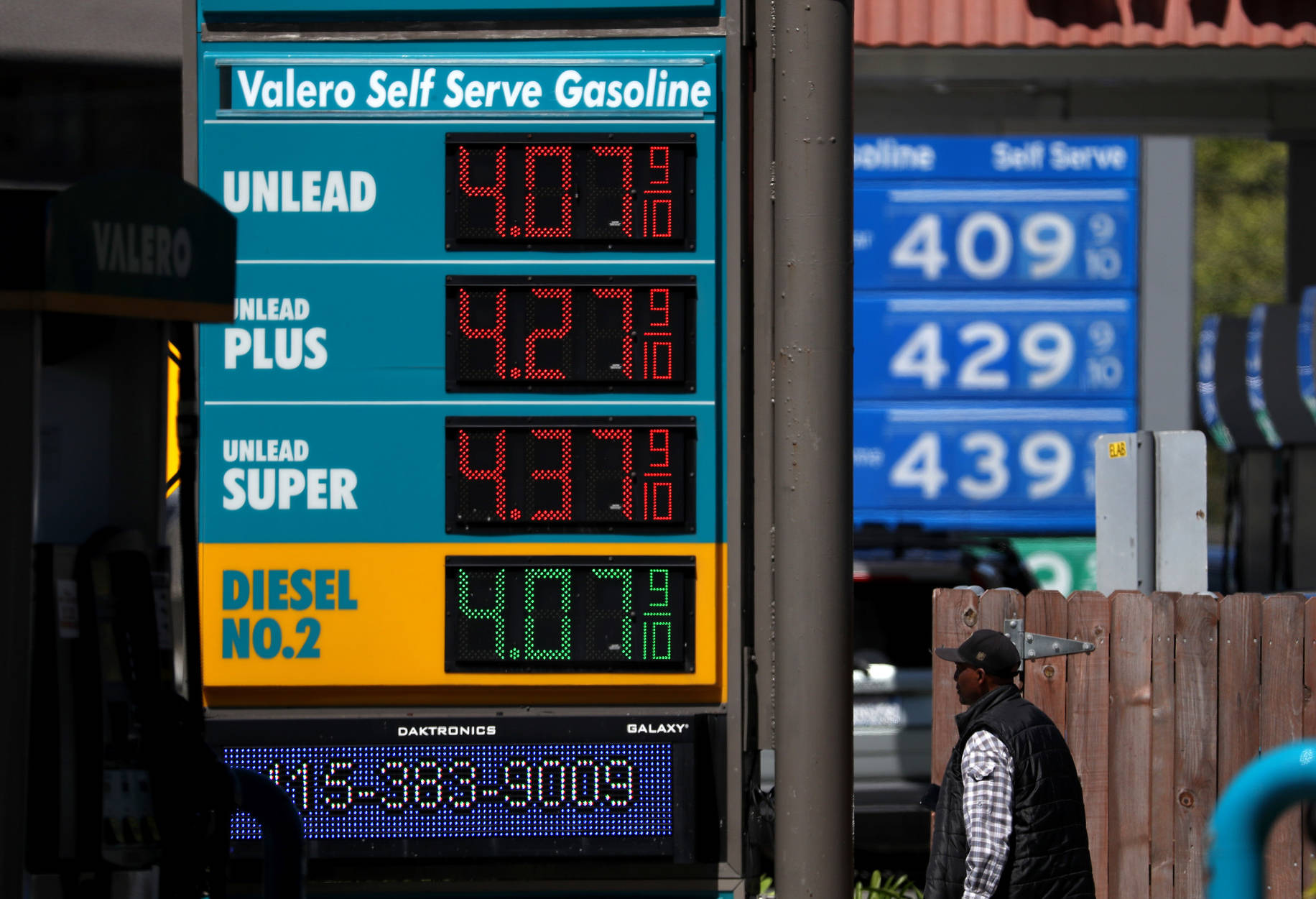
High gas prices contribute significantly to California’s overall high cost of living, affecting everything from daily commutes to the cost of goods transported across the state. For the tourism industry, while [California](https://lifeoutofthebox.com/california]’s allure remains strong, the added expense of fuel can influence travel decisions. Tourists might choose shorter trips, consolidate their driving, or opt for destinations outside the state if budget constraints are tight. The lifestyle of Californians often involves budgeting tightly for transportation, which directly affects disposable income for other leisure activities.
Shifting Travel Habits
Over time, high gas prices encourage a shift in travel habits. There’s a growing trend towards more localized tourism, exploring closer-to-home attractions, and an increased reliance on public transport or alternative vehicle types. For long-distance travel within the state, flying between major cities might become a more financially attractive option than driving, especially for solo travelers or small groups. This adaptation in travel behavior reflects an ongoing effort to maintain the vibrant California lifestyle while navigating its unique economic realities. Ultimately, while gas prices present a challenge, they also foster innovation and conscious planning in how people experience this dynamic state.
LifeOutOfTheBox is a participant in the Amazon Services LLC Associates Program, an affiliate advertising program designed to provide a means for sites to earn advertising fees by advertising and linking to Amazon.com. Amazon, the Amazon logo, AmazonSupply, and the AmazonSupply logo are trademarks of Amazon.com, Inc. or its affiliates. As an Amazon Associate we earn affiliate commissions from qualifying purchases.