
Owning a truck in California often comes with a unique set of registration rules that can surprise many owners. What might be considered a personal vehicle in another state could easily be classified as a commercial vehicle by the California Department of Motor Vehicles (DMV). This classification has significant implications for your finances, daily operations, and overall lifestyle, extending beyond just the initial purchase. Understanding the nuances of California’s vehicle code is crucial for any truck owner to avoid unexpected costs and compliance issues.
The California Classification Conundrum for Truck Owners
The primary reason many trucks, even those used purely for personal errands, find themselves registered as commercial vehicles in California stems from the state’s specific definition of a “commercial vehicle.” Unlike some other states that primarily consider the purpose for which a vehicle is used (i.e., for hire or business), California often bases its classification on the vehicle’s design and weight capabilities.
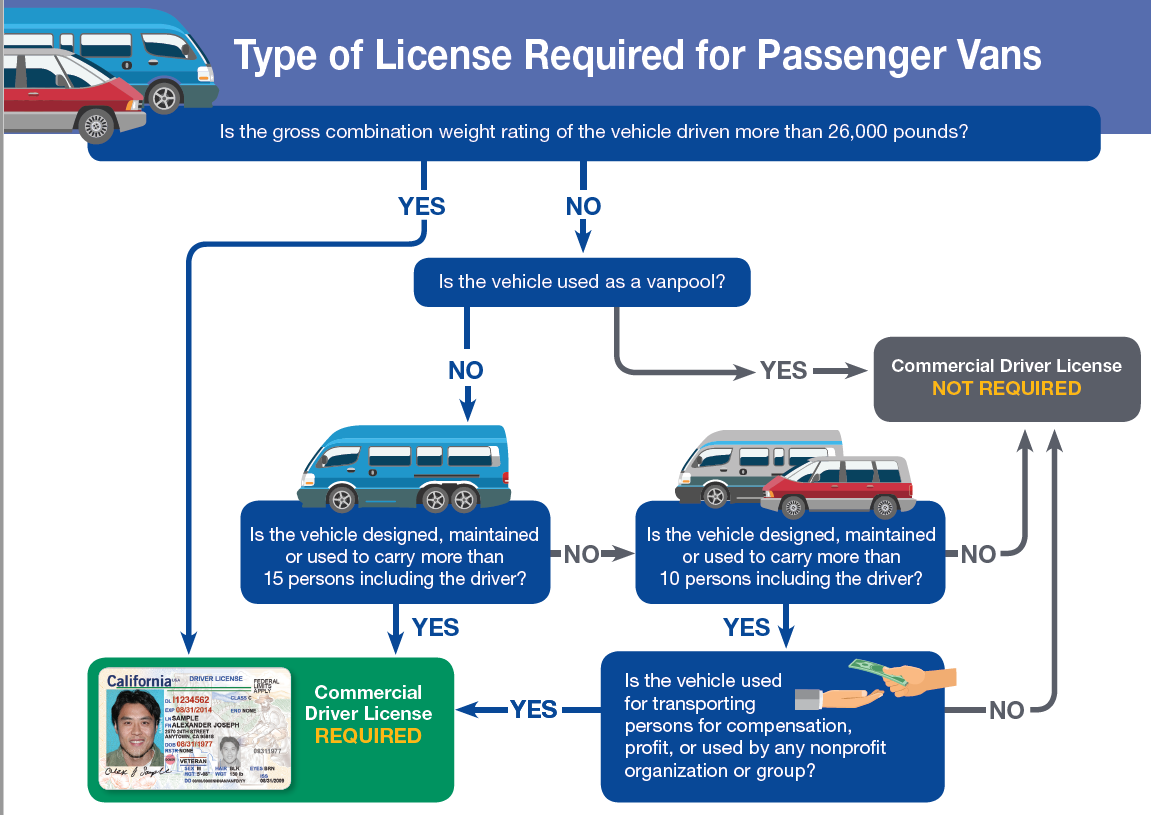
Gross Vehicle Weight Rating (GVWR) and Unladen Weight
One of the most significant factors is the Gross Vehicle Weight Rating (GVWR) or the vehicle’s unladen weight. California Vehicle Code (CVC) Section 260 and 471 define commercial vehicles partly by their design and weight. Any motor vehicle designed, used, or maintained primarily for the transportation of property for hire, compensation, or profit, or that is a motor vehicle (other than a passenger vehicle) with a manufacturer’s gross vehicle weight rating of 10,000 pounds or more, or is used in conjunction with a trailer having a GVWR of 10,000 pounds or more, typically falls into the commercial category.
However, even lighter trucks can be caught in this net. The most common trigger for many pickup truck owners is the “unladen weight” criteria. If your truck has an unladen weight of 8,000 pounds or more, it will likely be registered as commercial. Furthermore, if your truck is designed for transporting property, regardless of its weight, it might be classified as commercial, even if you only use it to transport personal items or simply drive it as a family vehicle. This distinction is particularly relevant for many modern full-size pickup trucks, which often exceed these thresholds.
Pickup Trucks and Their Unique Classification
Pickup trucks are a common point of confusion. In California, a pickup truck is defined as a motor vehicle with an open box-type bed, or a similar configuration, which is designed primarily for the transportation of property. Because of this design intent, most pickup trucks are automatically registered as commercial vehicles, irrespective of whether they are used for business purposes. The assumption by the DMV is that the vehicle’s design dictates its primary function, leading to a commercial registration and the associated fees and regulations. This applies even if the truck serves as the family’s primary mode of transportation, hauling children to school or groceries from the store.
The “Primarily for Transport” Clause
The “primarily for transport of property” clause is central to California’s classification system for trucks. While a sedan might carry groceries, its primary design is for passenger transport. A pickup truck, by its very nature and design (an open bed, heavy-duty suspension), is deemed by the state to be primarily for hauling. This design-based classification is why your personal-use pickup truck could be subject to commercial registration, even if it never hauls a single item for profit. This impacts the lifestyle choices of many, who choose a truck for its versatility and utility, only to find themselves subject to a different set of rules.
Understanding the Financial Ripple Effect on Your Lifestyle
The commercial classification isn’t just a label; it translates into tangible financial impacts that can significantly alter your budget and lifestyle choices. These costs are often higher than those for passenger vehicles and include increased registration fees, additional weight fees, and potentially higher insurance premiums.
Higher Registration Fees and Taxes
One of the most immediate financial consequences of commercial registration is the higher annual registration fee. Unlike passenger vehicles, commercial vehicles are subject to additional fees. These fees contribute to the maintenance of California’s extensive road infrastructure, which commercial vehicles, by their heavier nature and design, are perceived to impact more significantly. This can mean hundreds of extra dollars annually, directly impacting your household budget and discretionary spending, potentially limiting funds for travel or other lifestyle pursuits.
Commercial Insurance Premiums
While not always a direct DMV requirement for non-business-use commercial vehicles, insurance companies may classify your vehicle differently due to its commercial registration. Some insurers might charge higher premiums for trucks registered as commercial, even if you explicitly state it’s for personal use. They might perceive a higher risk associated with vehicles capable of carrying heavy loads or used for specific purposes, even if that’s not your personal intent. It’s crucial to be transparent with your insurance provider about your vehicle’s registration status and intended use to ensure adequate coverage and avoid policy complications, which could otherwise disrupt your financial planning.
Weight Fees and Their Purpose
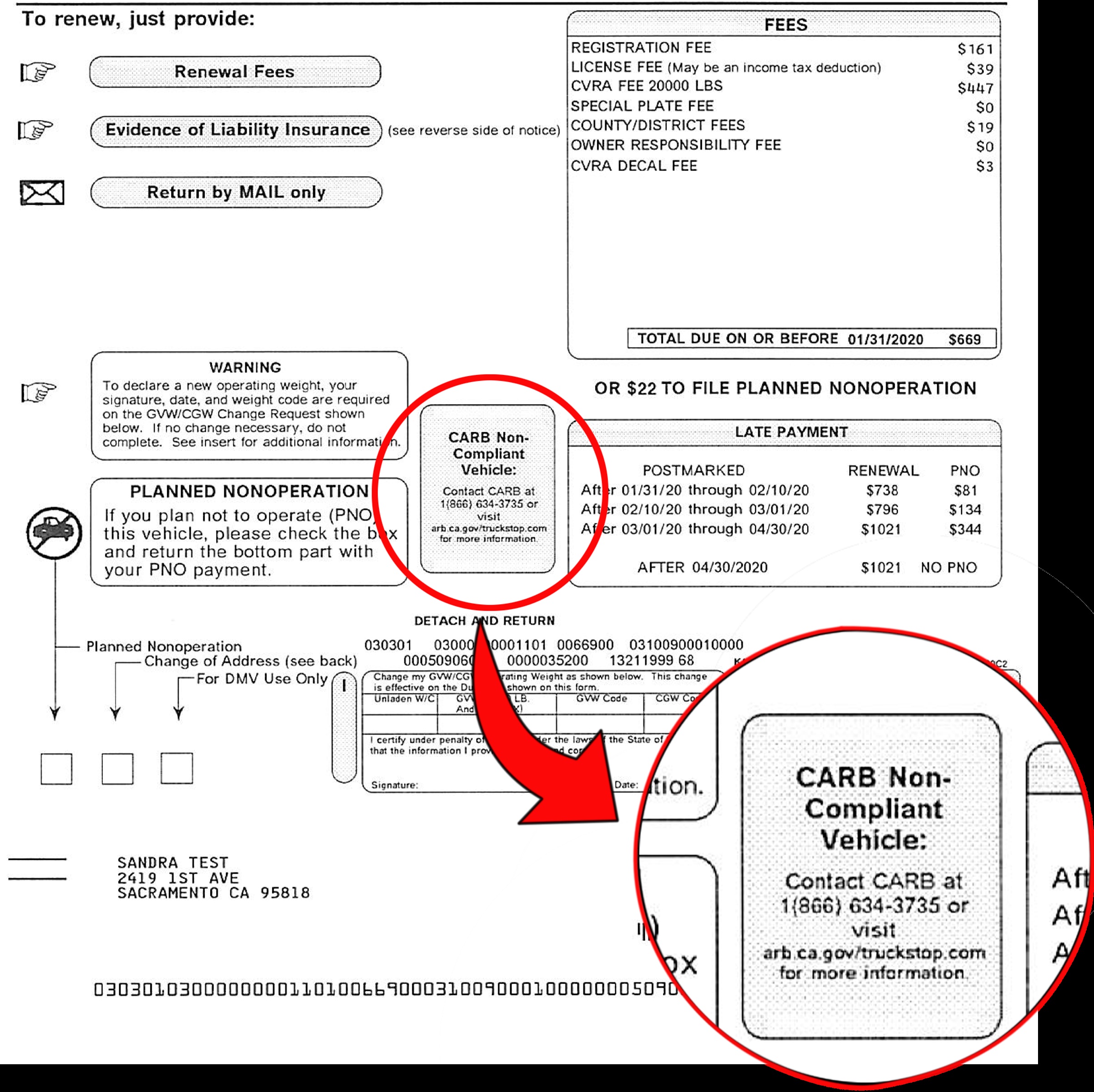
Beyond the standard registration fees, California imposes “weight fees” on commercially registered vehicles. These fees are based on the vehicle’s unladen weight, meaning the weight of the truck itself without any cargo or passengers. The heavier the truck, the higher the weight fee. These fees are specifically designed to account for the increased wear and tear on roads caused by heavier vehicles. For a truck owner, these weight fees are a non-negotiable part of the annual registration process, adding another layer of cost to vehicle ownership that many might not anticipate when purchasing a pickup.
Navigating Daily Life and Travel with a Commercial Registration
The implications of commercial registration extend beyond financial considerations, affecting your daily driving experience and travel plans within California. While not as restrictive as a truly commercial operation (like an 18-wheeler), certain regulations can still influence how you use your truck.
Restrictions and Regulations
While most personal-use commercial trucks are not subject to the same stringent rules as large commercial fleets (e.g., hours of service regulations, specialized licenses), there are still some considerations. For instance, some specific lanes on freeways, often designated for passenger vehicles, might implicitly or explicitly exclude commercial vehicles, even if they are personally owned. Truck routes, typically designed for heavier vehicles, might be mandated or recommended in certain areas, potentially altering your usual commute or travel path. Additionally, some residential areas or scenic roads might have restrictions on the types or sizes of vehicles allowed, which could impact where you can drive or park your commercial-registered truck.
DMV Inspections and Maintenance
While California does not typically require separate annual safety inspections for light-duty commercial vehicles used for personal use, the DMV does have specific requirements for heavier commercial vehicles. For personal pickup truck owners, adhering to maintenance schedules becomes even more important. Any modifications or accessories, especially those increasing the vehicle’s weight or altering its load-carrying capacity, should be carefully considered as they might further solidify or even change its commercial classification. Ensuring your vehicle meets all safety standards is not just about compliance but also about safeguarding your family’s lifestyle and well-being.
Impact on Personal Use and Travel
For many, a truck is chosen for its utility—hauling camping gear, towing a boat, or navigating challenging terrain for recreational purposes. While a commercial registration doesn’t outright prohibit these activities, the added costs and minor restrictions can influence lifestyle choices. A higher registration cost might mean a little less budget for that weekend getaway. Awareness of potential lane restrictions might alter a travel route. The overall implication is that while your truck serves your lifestyle, its classification in California subtly dictates some of the parameters within which that lifestyle operates.
Deciphering the Regulations and Seeking Clarity from the DMV
Understanding the specific criteria that led to your truck’s commercial registration is the first step toward clarity. The California DMV provides comprehensive information, and there are avenues to confirm or, in rare cases, challenge the classification if you believe an error has occurred.
Reviewing Your Vehicle’s Specifications
Start by carefully reviewing your truck’s manufacturer specifications, particularly the Gross Vehicle Weight Rating (GVWR) and its unladen weight. These figures are usually found on a sticker inside the driver’s side door jamb or in the owner’s manual. Compare these numbers against California’s commercial vehicle definitions. This will give you a clear understanding of why your vehicle was categorized as it was, providing peace of mind and informing future vehicle purchase decisions.
Consulting the California DMV
If you’re still uncertain or believe there might be an error, directly contacting the California DMV is the most reliable course of action. Their representatives can provide clarification on specific vehicle codes, explain the fees applied to your vehicle, and address any unique circumstances. The DMV website also offers detailed publications and FAQs that can help demystify the registration process for commercial vehicles. Being proactive in seeking information ensures you remain compliant and can budget accurately for your truck-owning lifestyle.
Potential for Reclassification
While uncommon for pickup trucks due to their inherent design, in very specific circumstances, a vehicle’s classification might be challenged or changed. For example, if a vehicle was mistakenly identified as primarily for property transport but its design genuinely indicates otherwise (a rare occurrence for standard pickups), or if specific modifications change its fundamental character, there might be a case. However, for most standard pickup truck owners, the commercial registration is a direct consequence of California’s vehicle code and its interpretation of truck design and weight, making reclassification challenging. It’s important to understand that this is not a common or easy process and typically applies to highly specialized vehicle types rather than conventional pickups.
Ultimately, your truck is likely registered as a commercial vehicle in California due to a combination of its design (primarily for property transport) and its unladen weight or GVWR. While this might entail higher costs and a few operational considerations, it’s a standard aspect of truck ownership in the state. Understanding these regulations allows you to budget effectively, drive confidently, and continue enjoying the utility and lifestyle benefits that owning a truck provides.
LifeOutOfTheBox is a participant in the Amazon Services LLC Associates Program, an affiliate advertising program designed to provide a means for sites to earn advertising fees by advertising and linking to Amazon.com. Amazon, the Amazon logo, AmazonSupply, and the AmazonSupply logo are trademarks of Amazon.com, Inc. or its affiliates. As an Amazon Associate we earn affiliate commissions from qualifying purchases.