
California, a state synonymous with sunshine, golden beaches, and endless outdoor adventures, often prompts travelers to envision clear skies and warm temperatures. Yet, the question, “Did it rain in California?” is far more nuanced than a simple yes or no, especially for those planning an unforgettable journey through its diverse landscapes. Understanding California’s intricate weather patterns, particularly its rainfall, is crucial for optimizing travel experiences, from coastal drives to urban explorations and mountain excursions. Far from being a deterrent, understanding the wet season can unlock unique perspectives and less crowded opportunities for the savvy traveler.

Understanding California’s Diverse Climate and Rainfall Patterns
California’s sheer size and varied topography result in a multitude of microclimates, each with distinct rainfall characteristics. While the state is broadly known for its Mediterranean climate—hot, dry summers and mild, wet winters—the reality is far more complex, directly influencing the best times and ways to travel through its regions.
Northern California’s Wet Winters
The northern reaches of the state, including destinations like San Francisco, Napa Valley, and the redwood forests, experience the most significant rainfall during the winter months, typically from November through March. San Francisco, with its iconic fog, often sees persistent drizzle and heavier downpours that can influence plans for visiting outdoor attractions like the Golden Gate Bridge or Alcatraz Island. The lushness of the Northern California landscape, from the towering trees of Redwood National Park to the verdant vineyards of Sonoma, is a direct result of these winter rains. Travelers exploring these areas during this period should be prepared for wet conditions, which can, in turn, offer dramatic misty vistas and a refreshing perspective on popular sights.
Southern California’s Arid Charm
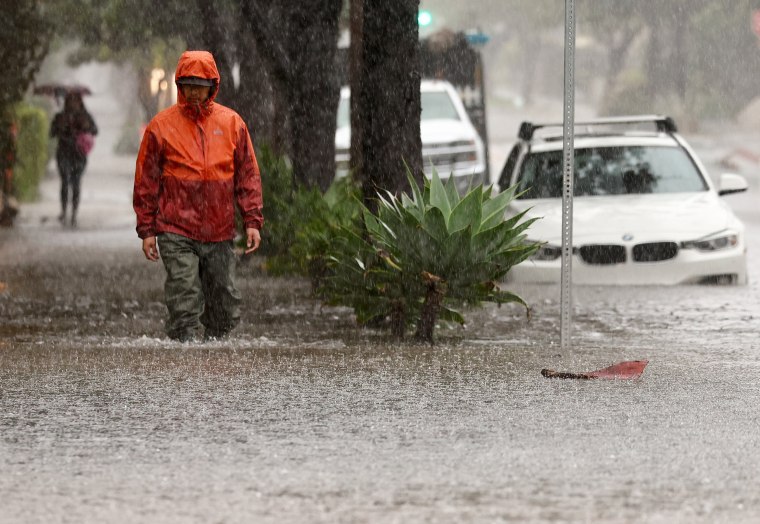
In contrast, Southern California, encompassing major hubs like Los Angeles and San Diego, experiences a much drier climate overall. While it still adheres to the winter wet season pattern, the rainfall is generally less frequent and often lighter than in the north. The region’s deserts, such as Joshua Tree National Park and Death Valley, receive minimal precipitation, making them accessible year-round, although winter temperatures are far more comfortable. When rain does fall in Southern California, it can be an event, occasionally leading to flash floods in dry riverbeds or mudslides in recent burn areas, something travelers should be mindful of during prolonged wet spells. However, these sporadic rains also bring the desert to life with stunning wildflower superblooms in certain years, a breathtaking spectacle for those fortunate enough to witness it.
The Sierra Nevada’s Snowpack
High in the Sierra Nevada mountains, precipitation transforms into snow, which is vital for California’s water supply and its renowned ski resorts. Destinations like Lake Tahoe and Yosemite National Park receive substantial snowfall from late fall through spring. This creates a winter wonderland for skiing, snowboarding, and other snow sports, but it also means road closures and restricted access to certain park areas. Travelers planning mountain adventures during the colder months must monitor weather forecasts and road conditions vigilantly. The spring melt of this snowpack feeds California’s powerful waterfalls and rivers, creating spectacular scenes that are a draw for visitors in late spring and early summer.
Navigating Rainy Day Travel in the Golden State
Rain in California does not mean a trip is ruined; it simply means adjusting one’s approach to discovery. Many of the state’s most cherished experiences can be enhanced or even transformed by a little precipitation.
Coastal Escapes: Adapting to Pacific Showers
While beach days are typically associated with sun, a rainy day along the California coast offers a different kind of beauty. Stormy seas can be mesmerizing, providing dramatic photographic opportunities along stretches like Big Sur or the rugged cliffs near Mendocino. Coastal towns like Santa Cruz or Carmel-by-the-Sea become cozy havens, perfect for exploring unique boutiques, art galleries, and waterfront restaurants. Consider a drive along Highway 1 on a misty day; the fog rolling in over the ocean creates an ethereal atmosphere, offering a moody, introspective experience far removed from the usual sunny bustle. Many lighthouses, like Pigeon Point Lighthouse, offer tours that are perfectly enjoyable regardless of the weather.
Urban Adventures: Museums, Arts, and Indoor Delights
California’s major cities are treasure troves of indoor activities, making them ideal rainy-day destinations. In Los Angeles, visitors can immerse themselves in art at the Getty Center or the Los Angeles County Museum of Art (LACMA), explore cinematic history at the Academy Museum of Motion Pictures, or enjoy a show in Hollywood. San Francisco boasts world-class institutions such as the California Academy of Sciences (which includes an aquarium, planetarium, and rainforest exhibit under one roof) and the de Young Museum. San Diego’s Balboa Park offers a concentration of museums, including the San Diego Natural History Museum and the San Diego Air & Space Museum, ensuring endless entertainment regardless of the weather outside. These cities also thrive with vibrant culinary scenes, offering an array of indoor dining experiences, from casual eateries to Michelin-starred restaurants.

Wine Country Wonders: Tastings Beyond the Vines
The rain can lend a unique charm to California’s famous wine regions like Napa and Sonoma. While vineyard strolls might be out, winery tours and tastings move indoors to elegant cellars and cozy tasting rooms. The experience becomes more intimate, focusing on the nuanced flavors and the history of winemaking. Many wineries offer special events, cooking classes, or guided tours that are less affected by the weather. The misty backdrop can also make for stunning photographs of dormant vineyards, capturing a different facet of their seasonal beauty.
Preparing for California’s Wet Season: Essential Tips for Travelers
Embracing California’s rainy season requires a bit of foresight but promises rewarding experiences.
Packing Smart for Variable Weather
Layers are key when traveling in California, especially during the wetter months. A waterproof jacket, comfortable waterproof shoes, and an umbrella are essential. Even on a rainy day, temperatures can fluctuate, so versatile clothing that can be added or removed is advisable. Don’t forget a waterproof bag or cover for electronics if you plan to be outdoors.
Flexing Your Itinerary
Maintain flexibility in your travel plans. Have backup indoor activities in mind for each day, especially if your primary plan involves outdoor exploration. Booking accommodations with good access to public transport or indoor attractions can also be beneficial, particularly in urban areas. Check weather forecasts daily and be prepared to pivot your activities. Many attractions and museums offer online ticket booking, which can save time on a rainy day.
Leveraging Off-Peak Advantages
Traveling during the rainy season often coincides with California’s off-peak tourist season. This means fewer crowds at popular attractions, potentially lower prices for flights and accommodations, and a more relaxed pace. Iconic spots that are usually teeming with visitors, like Disneyland Park or Universal Studios Hollywood, can offer a more enjoyable experience with shorter lines on a rainy weekday.
Beyond the Drops: The Ecological Impact and Beauty of Rain
Rain in California is more than just weather; it’s a vital force that sustains the state’s diverse ecosystems and agricultural industry, bringing a unique aesthetic that many travelers overlook.
Respite for the Landscape
After months of dry heat, rain breathes life back into California’s landscapes. The hills turn from golden brown to vibrant green, flowers bloom, and the air feels fresh and clean. This period is critical for replenishing reservoirs and nourishing the state’s iconic flora, including the giant sequoias and coastal redwoods, which thrive on moisture. Experiencing the state after a significant rainfall reveals a lushness that is often surprising to those who only imagine California as perpetually sun-drenched.
Unique Photographic Opportunities
Rainy conditions can transform familiar scenes, offering photographers unique opportunities. The soft, diffused light on an overcast day is perfect for capturing vibrant colors, while wet streets and reflections add depth and drama to urban photography. Mist and fog rolling over mountains or through redwood forests create ethereal, moody landscapes that are strikingly beautiful and distinct from their sunny counterparts. A rainbow arching over the Pacific Ocean or a city skyline is a spectacular sight that only comes with the rain.
Ultimately, the question “Did it rain in California?” should not be met with apprehension but with an understanding of its implications for a richer, more varied travel experience. While the sun certainly has its allure, the occasional rain showers invite a deeper engagement with the state’s natural beauty, cultural offerings, and resilient spirit. By preparing thoughtfully and embracing the unexpected, travelers can discover a side of California that is just as enchanting, if not more so, than its sunny facade.
LifeOutOfTheBox is a participant in the Amazon Services LLC Associates Program, an affiliate advertising program designed to provide a means for sites to earn advertising fees by advertising and linking to Amazon.com. Amazon, the Amazon logo, AmazonSupply, and the AmazonSupply logo are trademarks of Amazon.com, Inc. or its affiliates. As an Amazon Associate we earn affiliate commissions from qualifying purchases.