
The question of whether major insurance providers are adjusting their operations in California is a critical concern for anyone seeking to secure, maintain, or invest in accommodation within the state. For many, a primary goal is finding a stable, insured place to live, whether that’s a home they own, a long-term rental, or a short-term residential lease. Recent announcements from prominent insurers, particularly State Farm, have sent ripples through the housing and accommodation markets, sparking widespread discussion about the availability and affordability of property insurance, which is inextricably linked to the feasibility of any long-term stay. While the headline may imply a complete withdrawal, the reality is more nuanced, focusing on a significant change in policy and a suspension of new applications for certain types of coverage. This shift profoundly affects the ability of individuals and families to obtain and protect their dwelling places across the Golden State.

The Evolving Landscape of California Accommodation Insurance
The decision by large insurers to modify their offerings in California is not an isolated event but rather a response to a complex interplay of environmental, economic, and regulatory factors. For anyone considering a move, purchasing a home, or even managing a rental property for long-term stays, understanding these underlying dynamics is paramount to navigating the evolving accommodation landscape. The availability of comprehensive insurance is not merely a preference; it is a fundamental requirement for most property transactions and a cornerstone of financial security for homeowners and landlords alike.
State Farm’s Announcement and Its Ramifications
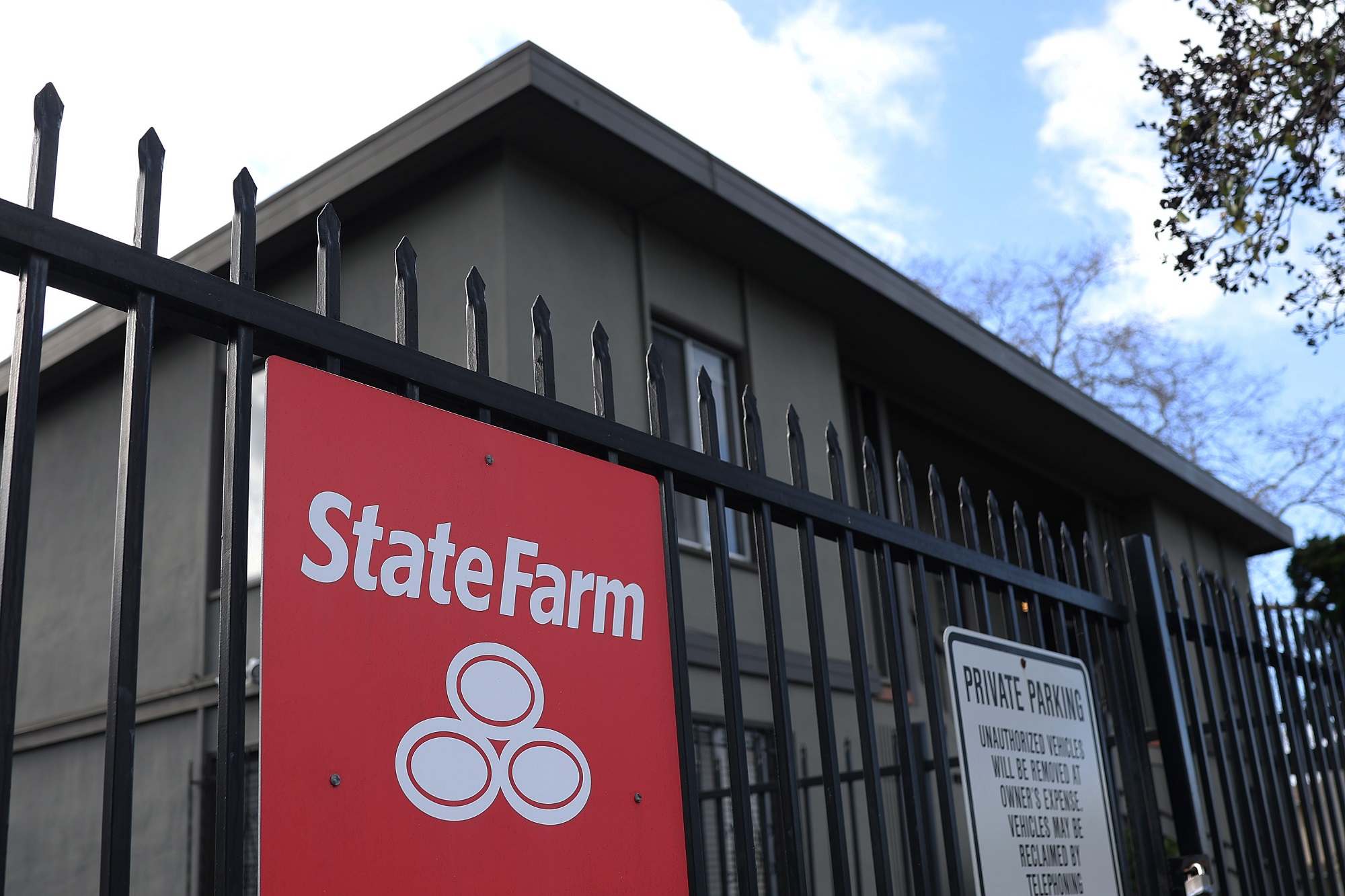
In May 2023, State Farm General Insurance Company announced it would cease accepting new applications for all business and personal lines property and casualty insurance in California, effective immediately. This includes homeowner’s insurance, which is essential for nearly all forms of owned accommodation, from single-family homes to condominiums. It also affects commercial apartment policies and other coverage vital for businesses offering accommodation services. Crucially, this was not an announcement to leave California entirely, but rather to pause new business. Existing customers would retain their policies, subject to renewal. However, for prospective homeowners, new landlords, or those seeking new rental properties, this meant one less major player in an already tight market. The immediate ramification was a significant constriction in choices for new accommodation seekers, potentially driving up costs and extending the search for adequate coverage for their future homes or investment properties. This move by such a significant insurer signals a broader challenge that could impact the accessibility and affordability of residential accommodation across various segments.
Understanding the Underlying Pressures on Insurers
The decisions made by insurers like State Farm stem from a confluence of factors that have made underwriting property in California increasingly challenging. The primary driver cited is the escalating risk of catastrophic events, particularly wildfires, which have become more frequent and destructive in recent years. These events lead to massive claims payouts, often exceeding actuarial projections. Beyond wildfires, other climate-related events like severe storms and flooding also contribute to the heightened risk profile. Adding to this is the rising cost of rebuilding, driven by inflation in labor and material costs. Insurers argue that regulatory constraints in California limit their ability to raise premiums sufficiently to reflect these increased risks and costs, making it difficult to maintain profitability and solvency. When an insurer cannot adequately price risk, they become less willing to take on new policies, directly impacting the pool of available insurance options for new accommodation purchases or long-term rental investments. This pressure creates an environment where securing appropriate insurance for any form of accommodation becomes a more complex and critical aspect of property ownership or management.
Impact on Prospective Homeowners and Existing Accommodation
The shifting insurance landscape in California extends far beyond the boardroom of an insurance company; it directly affects the dreams of homeownership, the stability of long-term rental agreements, and the overall health of the housing market. For anyone looking to establish long-term accommodation, these changes introduce new hurdles and considerations that were less prominent just a few years ago.
Securing a Mortgage: Insurance as a Prerequisite
For the vast majority of prospective homeowners, securing adequate property insurance is not optional; it’s a strict prerequisite for obtaining a mortgage. Lenders require borrowers to have a comprehensive homeowner’s insurance policy in place to protect their investment against potential damage from perils like fire, theft, and natural disasters. Without a binding insurance policy, mortgage applications cannot be finalized, effectively putting the brakes on property transactions. When a major insurer like State Farm stops accepting new applications, it significantly shrinks the pool of available options for new buyers. This can lead to increased stress, delays, and potentially higher costs as buyers are forced to explore smaller, more specialized, or non-admitted carriers. The search for a suitable policy can become a critical bottleneck in the home-buying process, directly delaying or even derailing plans for long-term accommodation. For first-time buyers in competitive markets, this added layer of complexity can be particularly daunting, making the dream of owning a home feel even more out of reach.
The Ripple Effect on Property Values and Sales
The difficulty in obtaining affordable and comprehensive insurance can have a tangible ripple effect on property values and the overall sales market. If potential buyers struggle to find insurance, or if the available policies are prohibitively expensive, it can cool buyer demand, especially in high-risk areas. Properties in regions prone to wildfires, for example, might see their marketability diminished not just by the inherent risk, but by the practical hurdle of insuring them. This reduction in demand can, in turn, exert downward pressure on property values. Furthermore, existing homeowners looking to sell their accommodation may find their properties sitting on the market longer if prospective buyers face insurance challenges. The uncertainty surrounding future insurance costs can also deter investors from purchasing properties to convert into long-term rentals or other accommodation options, slowing development and reducing housing stock. This creates a challenging environment for both sellers and buyers, making the process of transitioning into new accommodation more complex and financially uncertain.
Challenges for Rental Property Owners
Landlords and property management companies, who provide a significant portion of long-term accommodation, also face substantial challenges. While tenant insurance covers personal belongings, landlords rely on commercial property insurance to protect their buildings and investments. If major insurers limit their offerings or significantly increase premiums, the cost of operating rental accommodation rises. These increased costs may be passed on to tenants in the form of higher rents, further exacerbating California’s already pressing affordability crisis. In some cases, if insurance becomes too expensive or difficult to obtain, landlords might choose to sell their properties, reducing the overall supply of rental accommodation. This not only impacts tenants seeking long-term stays but also affects the viability of businesses focused on providing housing solutions across the state. The stability of the rental market is directly tied to the ability of property owners to adequately insure their assets, ensuring that safe and affordable accommodation remains available.
Navigating the California Insurance Market for Accommodation
In response to the evolving insurance landscape, individuals and entities engaged in providing or seeking accommodation in California must adopt proactive strategies. Understanding the available alternatives and taking steps to mitigate risk can make a significant difference in securing appropriate coverage for long-term stays, whether owner-occupied or rented.
Exploring Alternative Providers and Policies
With major players like State Farm pausing new business, it becomes imperative to explore other insurance providers. Many smaller, regional, or specialized insurers continue to operate in California. These might include companies that focus on high-risk properties or those with specific underwriting criteria. Working with an experienced independent insurance broker can be invaluable. Brokers have access to a wider array of carriers and can help navigate the complexities of finding coverage that meets both lender requirements and individual needs. It is also wise to investigate policies offered by “non-admitted” carriers, which are not regulated by the California Department of Insurance but may offer coverage where admitted carriers do not. While these policies often come with higher premiums and fewer consumer protections, they can serve as a crucial option when no other viable alternatives exist for securing accommodation.
The FAIR Plan: A Safety Net with Limitations
For properties unable to secure coverage in the traditional insurance market, California offers the FAIR Plan (Fair Access to Insurance Requirements). The FAIR Plan acts as an insurer of last resort, ensuring that virtually all property owners can obtain basic fire insurance, which is a fundamental requirement for most mortgages and essential for protecting one’s accommodation. However, the FAIR Plan is often more expensive than conventional policies and provides only limited coverage, primarily for fire and related perils. It typically does not include coverage for liability, theft, water damage, or other common risks. Therefore, homeowners or landlords relying on the FAIR Plan usually need to purchase a “wrap-around” or “difference in conditions” policy from a separate carrier to obtain more comprehensive protection for their long-term accommodation. Understanding the FAIR Plan’s scope and limitations is crucial for making informed decisions about property protection.
Proactive Measures for Homeowners and Buyers
To improve insurability and potentially lower premiums for accommodation, proactive risk mitigation is key. For existing homeowners, this includes creating defensible space around their properties, clearing vegetation, updating roofs with fire-resistant materials, and maintaining strict fire safety protocols. For buyers, it means conducting thorough due diligence on a property’s risk profile, including its proximity to wildfire-prone areas, flood zones, and earthquake faults. Investing in home hardening measures before purchasing can also make a property more attractive to insurers. Additionally, buyers should factor potential insurance costs into their overall budget from the outset, rather than treating it as an afterthought. Engaging with local fire departments and community programs for wildfire preparedness can also offer valuable resources and guidance for protecting one’s long-term accommodation.
Long-Term Implications for California’s Housing and Accommodation Sector
The actions of major insurers like State Farm are not just temporary market adjustments; they signal a fundamental shift that will have enduring consequences for California’s housing and accommodation sector. The state’s ability to provide stable, affordable, and insurable living spaces for its growing population will depend heavily on how these challenges are addressed.
The Role of Climate Change and Catastrophic Events
Undeniably, the increasing frequency and intensity of catastrophic events, particularly wildfires, are at the heart of the insurance crisis. As climate change continues to manifest in more extreme weather patterns, the risk profile for many California properties will continue to evolve. This necessitates a long-term strategy that goes beyond reactive insurance adjustments. It requires significant investment in climate resilience, infrastructure improvements, and widespread adoption of building codes that promote fire-resistant construction and landscaping. For the accommodation sector, this means a future where the location and construction of a property will weigh heavily on its insurability and, by extension, its value and affordability. Communities and policymakers must collaborate to create safer environments, thereby stabilizing the risk profile for insurers and making long-term accommodation more secure for residents.
Regulatory Responses and Market Stability
The California Department of Insurance plays a critical role in balancing consumer protection with the financial health of the insurance industry. The current situation highlights the tension between keeping premiums affordable for residents and allowing insurers to price risk adequately. Potential regulatory reforms might include allowing insurers more flexibility in using forward-looking catastrophe models (rather than solely relying on historical data) to set rates, and streamlining the rate-approval process. Conversely, regulators may explore measures to ensure that homeowners in high-risk areas do not face insurmountable barriers to obtaining essential coverage for their accommodation. Striking the right balance will be crucial to maintaining a healthy and competitive insurance market that can support the state’s housing needs and ensure the continued availability of secure, insured accommodation for all residents. Without a stable and accessible insurance market, the broader housing economy, including long-term rental and ownership opportunities, faces significant headwinds.

The Future of Accommodation Affordability
Ultimately, the decisions made by insurers like State Farm have direct implications for accommodation affordability in California. When insurance costs rise, or when policies become harder to obtain, it adds another layer of financial burden to homeowners, landlords, and ultimately, tenants. This can exacerbate the existing housing crisis, making it more challenging for low- and middle-income families to afford stable, long-term accommodation. The goal must be to foster an environment where insurance remains available and reasonably priced, supporting both property ownership and the robust rental market. This requires a collaborative effort between state government, local communities, property owners, and the insurance industry to address the root causes of the crisis, implement effective mitigation strategies, and ensure that the dream of secure accommodation remains within reach for all Californians.
LifeOutOfTheBox is a participant in the Amazon Services LLC Associates Program, an affiliate advertising program designed to provide a means for sites to earn advertising fees by advertising and linking to Amazon.com. Amazon, the Amazon logo, AmazonSupply, and the AmazonSupply logo are trademarks of Amazon.com, Inc. or its affiliates. As an Amazon Associate we earn affiliate commissions from qualifying purchases.