
When considering the rich tapestry of American history, few states offer a narrative as dramatic and compelling as that of Texas. Its journey from an independent republic to the 28th state in the Union is a story etched in revolution, expansion, and a spirit of self-determination that continues to define its identity. Understanding the year Texas officially joined the United States is not merely an academic exercise; it’s a gateway to appreciating the historical forces that shaped the Lone Star State and its enduring significance in the American narrative. This exploration delves into the pivotal moments leading to statehood, the considerations that influenced this monumental decision, and the lasting legacy of Texas’s accession into the United States.

The Road to Statehood: From Republic to Union
The path to statehood for Texas was neither swift nor straightforward. Following its hard-won independence from Mexico in 1836 after the Texas Revolution, the new Republic of Texas faced a complex geopolitical landscape. For nearly a decade, Texas existed as a sovereign nation, navigating diplomatic relations, managing its economy, and grappling with internal political divisions.
The Republic of Texas Era (1836-1845)
The period of the Republic of Texas was a formative one. Leaders like Sam Houston and Mirabeau B. Lamar guided the young nation through its nascent years. Key challenges included securing international recognition, defending its borders from potential Mexican incursions, and establishing a viable governmental structure. Despite its independence, the Republic of Texas often looked towards its powerful neighbor, the United States, with aspirations of annexation.
Reasons for Seeking Annexation
Several compelling factors drove the Republic of Texas to seek annexation by the United States. Economically, Texas struggled with a fragile currency and significant national debt incurred during the revolution and its subsequent years of independence. Joining the United States promised access to a larger, more stable economy and greater trade opportunities.
Militarily, the ongoing threat from Mexico, which never formally recognized Texan independence, posed a constant danger. Annexation would provide the security of the U.S. military, bolstering Texas’s defenses.
Culturally and politically, many Texans felt a strong affinity with the United States. A significant portion of the population had migrated from the U.S. and shared similar customs, language, and political ideals. The prospect of becoming part of the larger nation was a deeply ingrained desire for many.
The Annexation Debate in the United States
The idea of admitting Texas into the Union was not met with universal acclaim in the United States. The debate was fierce, primarily centering on the issue of slavery.
The Slavery Question
At the time of its independence, Texas was a slaveholding territory. The admission of a new state with a substantial enslaved population would tip the delicate balance of power in the U.S. Senate between free and slave states. Abolitionist sentiment in the North strongly opposed the expansion of slavery, while pro-slavery factions in the South saw annexation as a crucial victory. This contentious issue prolonged the annexation process, as politicians grappled with the potential ramifications for national unity.
Political Maneuvering and Treaties
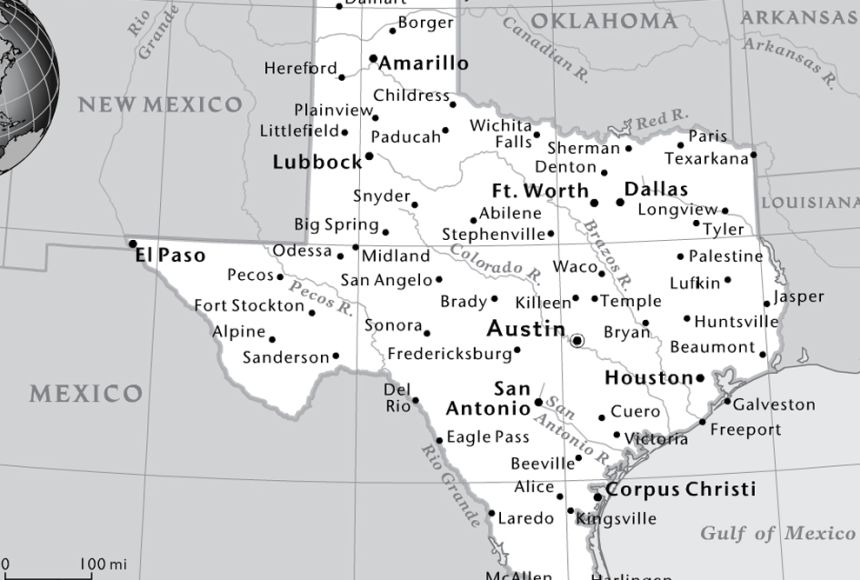
The process of annexation involved complex political negotiations. An initial treaty of annexation was proposed in 1844 but failed to pass the U.S. Senate due to the slavery controversy and concerns about potential conflict with Mexico. However, the election of James K. Polk in 1844, a staunch expansionist who campaigned on a platform that included the annexation of Texas, signaled a shift in political will. Utilizing a joint resolution of Congress, a less stringent legislative process than a treaty, the annexation of Texas was finally approved.
The Year Texas Became A State
After years of deliberation, negotiation, and political wrangling, the Republic of Texas officially ceased to exist, and its territory was absorbed into the United States. The pivotal year for this monumental event was 1845.
December 29, 1845: The Official Date
On December 29, 1845, President James K. Polk signed the act admitting Texas into the Union as the 28th state. This date marks the formal end of Texas’s independence and its integration into the federal structure of the United States.
Conditions of Annexation
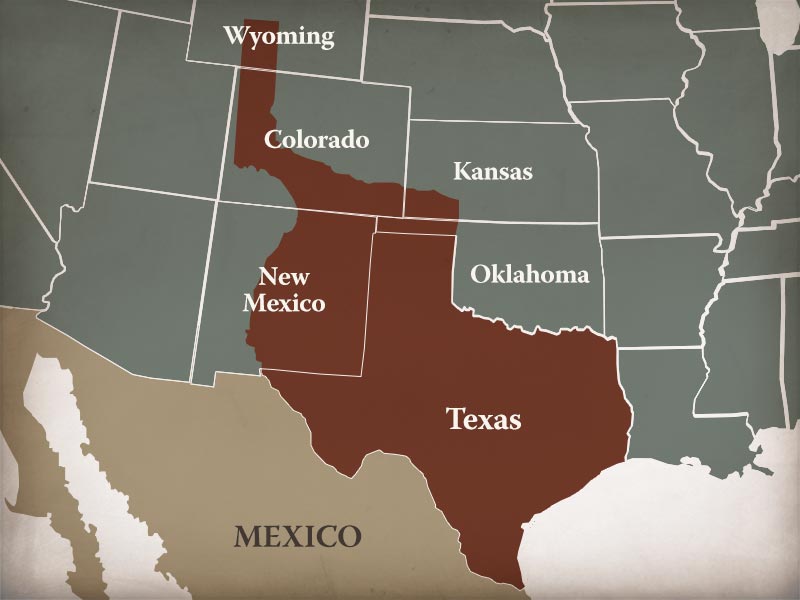
The terms of annexation were significant and reflected the unique history of the Republic of Texas. Crucially, Texas was allowed to retain its vast public lands. This provision was a major incentive for Texas to join the Union, as it meant the state could continue to manage and sell its lands to fund its government and future development, a privilege not afforded to other states. Furthermore, Texas was granted the right to divide itself into as many as five new states in the future, should it choose to do so, although this provision has never been fully exercised beyond the creation of West Texas as a distinct cultural and political region within the broader state.
The Impact of Statehood on Texas and the Nation
The annexation of Texas had profound and lasting consequences for both the state and the United States, exacerbating existing sectional tensions and fueling westward expansion.
Expansion and Conflict
The admission of Texas directly contributed to the outbreak of the Mexican-American War in 1846. Mexico viewed the annexation as an act of aggression, and disputes over the southern border of Texas quickly escalated into open conflict. The war resulted in a decisive American victory and the acquisition of vast territories from Mexico, including present-day California, Nevada, Arizona, Utah, and parts of New Mexico, Colorado, and Wyoming. This expansion further intensified the national debate over the expansion of slavery into new territories, a key factor leading to the American Civil War.
Shaping the Texan Identity
Becoming a state of the United States did not erase Texas’s unique heritage. The experience of self-governance as an independent republic left an indelible mark on the Texan psyche, fostering a strong sense of individualism and pride. This independent spirit, often referred to as “Texan exceptionalism,” continues to shape the state’s political culture and identity. Texas has retained many of the characteristics that defined it as a republic, including its vast size, its entrepreneurial drive, and its deep connection to its frontier history.
A Lasting Legacy
The year 1845 represents a critical turning point in the history of both Texas and the United States. It was the year Texas transitioned from a fledgling republic to a constituent part of a growing nation. This decision, born out of necessity and ambition, set in motion a chain of events that would dramatically alter the map of North America, redefine the balance of power within the Union, and solidify the legend of the Lone Star State. The legacy of this pivotal year is evident in the state’s enduring identity, its significant economic and political influence, and its continued contribution to the diverse mosaic of the American.
LifeOutOfTheBox is a participant in the Amazon Services LLC Associates Program, an affiliate advertising program designed to provide a means for sites to earn advertising fees by advertising and linking to Amazon.com. Amazon, the Amazon logo, AmazonSupply, and the AmazonSupply logo are trademarks of Amazon.com, Inc. or its affiliates. As an Amazon Associate we earn affiliate commissions from qualifying purchases.