
Traveling from the vibrant metropolis of Chicago to the sunny shores of Miami is a popular route for both business and leisure travelers. While the direct flight itself is relatively quick, understanding the full scope of your journey involves more than just the time spent in the air. From factors influencing flight duration to optimizing your overall travel experience, planning ahead ensures a smooth transition from the Windy City to South Florida’s tropical embrace.
The Direct Flight Experience: Averages and Realities
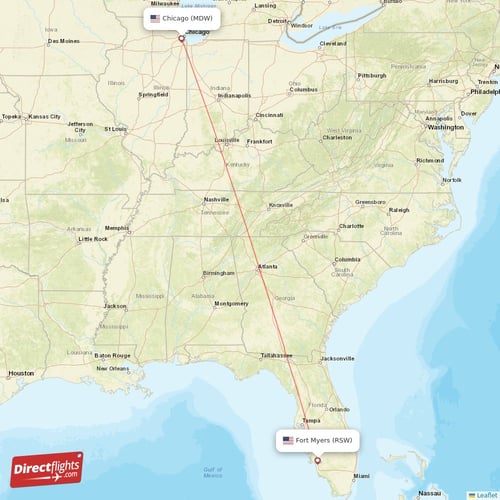
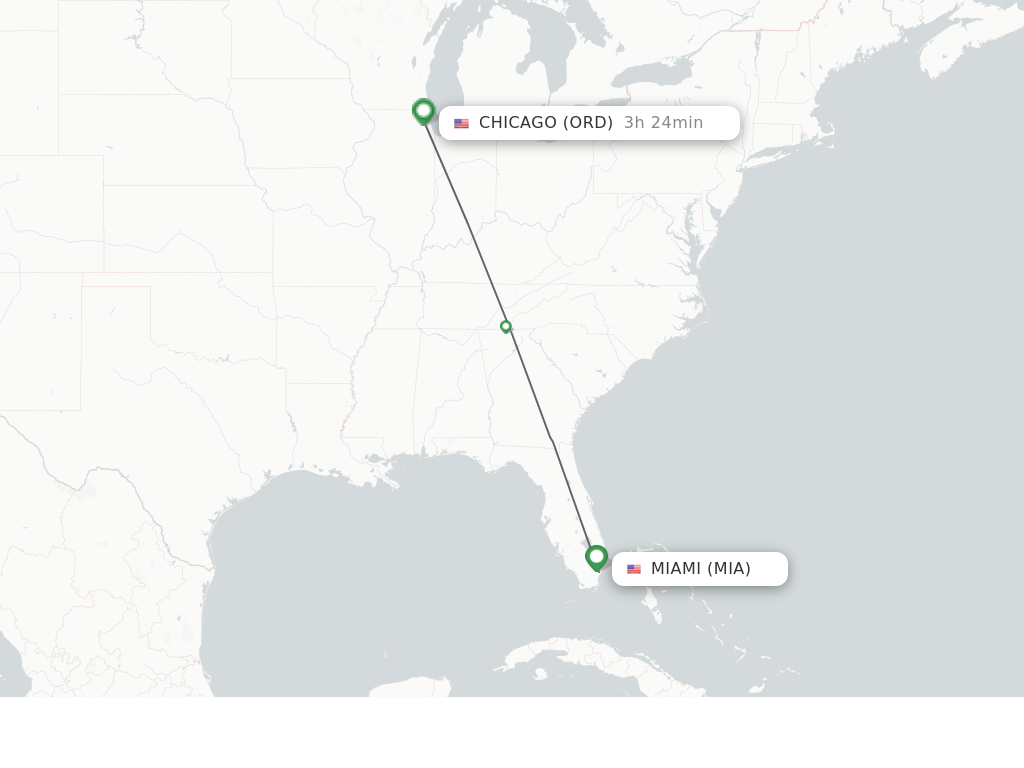
For those prioritizing speed and convenience, a non-stop flight is undoubtedly the best option. The aerial distance between Chicago and Miami spans approximately 1,180 miles (1,900 kilometers), a distance that modern commercial aircraft cover efficiently.
Standard Non-Stop Duration
A direct flight from Chicago to Miami typically ranges from 2 hours and 50 minutes to 3 hours and 30 minutes. This window accounts for standard flight paths, ascent, and descent procedures. The primary airports serving this route are Chicago O’Hare International Airport (ORD) and Chicago Midway International Airport (MDW) on the Chicago end, connecting to Miami International Airport (MIA) or sometimes Fort Lauderdale-Hollywood International Airport (FLL) for those heading to the greater Miami area.
Several major airlines offer direct services, providing travelers with multiple options throughout the day. Carriers such as United Airlines, American Airlines, Spirit Airlines, Southwest Airlines, and Frontier Airlines frequently operate on this busy corridor.
Factors for Minor Fluctuations
While the average flight time is a good benchmark, several variables can cause slight variations:
- Headwinds and Tailwinds: The jet stream and prevailing winds can impact flight duration. A strong tailwind can shave minutes off the journey, while headwinds can extend it.
- Air Traffic Control (ATC) Delays: Both Chicago and Miami are major air hubs, and air traffic congestion, especially during peak travel times or adverse weather, can lead to holding patterns or ground delays, adding to the overall flight time.
- Aircraft Type: Different aircraft models have varying cruising speeds. While the differences are usually minor on this route, a faster jet might complete the journey a few minutes quicker than another.
- Specific Flight Path: Air traffic controllers route flights to optimize efficiency and safety, which can sometimes lead to minor deviations from the shortest possible distance.
Navigating Indirect Routes and Layover Logistics
While direct flights are often preferred, connecting flights can sometimes offer cost savings or be the only option available depending on your specific travel dates and times. However, choosing an indirect route inherently means a longer overall travel duration.
Understanding Connecting Flight Durations
For flights with one stop, the total travel time can range significantly, typically from 5 hours to upwards of 10 hours or more. This includes the flight segments and the time spent during the layover. Common layover cities for flights between Chicago and Miami often include major airline hubs like Atlanta, Charlotte, Dallas, or Houston.
Optimizing Layover Experience
If a connecting flight is unavoidable or preferred, strategic planning can make the experience more manageable:
- Minimum Connection Time (MCT): Pay close attention to the layover duration. An MCT typically ranges from 1 to 2 hours for domestic flights, but this can vary by airport and whether you need to change terminals. Booking flights with too short a layover increases the risk of missing your connection due to delays.
- Longer Layovers: Conversely, a longer layover (3-4 hours) can be an opportunity. Many major airports offer a range of amenities, including diverse dining options, shops, and even spas. If you have lounge access through an airline status or credit card (e.g., United Club, American Airlines Admirals Club), this can provide a comfortable space to relax or catch up on work.
- Airport Navigation: Research the layover airport’s layout beforehand. Knowing if you need to switch terminals or re-clear security can save valuable time and reduce stress.
Beyond Airtime: Calculating Total Journey Duration
The actual flight time is just one component of your overall journey. To accurately estimate how long it will take to get from your origin in Chicago to your final destination in Miami, you must factor in all ground logistics and airport procedures.
Pre-Flight Essentials
The time spent at the airport before your flight can add a significant chunk to your travel day.
- Airport Arrival: For domestic flights, arriving at the airport 2 hours before your scheduled departure is a widely accepted recommendation. For major hubs like O’Hare, especially during peak hours, 2.5 to 3 hours might be safer. This accounts for check-in, baggage drop, and transit within the airport.
- Security Checkpoints: Wait times at TSA security can be unpredictable. Enrolling in programs like TSA PreCheck or CLEAR can drastically reduce this time, often allowing you to clear security in minutes. Without these, you could face waits of 30 minutes to over an hour during busy periods.
- Boarding Process: Airlines typically begin boarding 30 to 45 minutes before the scheduled departure time. You’ll need to be at the gate by this time to ensure you don’t miss your flight.
Post-Flight Procedures
Once your plane touches down in Miami, the journey isn’t quite over.
- Deplaning: Depending on your seat location, it can take anywhere from 10 to 20 minutes to exit the aircraft after it arrives at the gate.
- Baggage Claim: If you’ve checked a bag, factor in an additional 20 to 45 minutes for your luggage to arrive at the carousel at MIA or FLL.
- Ground Transportation: This is a crucial and often underestimated part of the total travel time.
- From MIA: Getting from the airport to popular areas like South Beach, downtown Miami, or Brickell can take 20 to 45 minutes by taxi or ride-share, heavily depending on traffic conditions. Public transport options include the MIA Mover connecting to the Metrorail system, which offers a more economical but potentially longer journey.
- From FLL: If you land at Fort Lauderdale-Hollywood International Airport, reaching Miami proper will add another 30 to 60 minutes of ground travel. The Brightline high-speed rail offers a convenient and fast connection from Fort Lauderdale to MiamiCentral station downtown.
Considering all these elements, a direct flight journey from your doorstep in Chicago to your final destination in Miami can easily take 5 to 7 hours total.
Maximizing Your Journey: Tips for a Seamless Trip
To make your trip from Chicago to Miami as enjoyable and efficient as possible, consider these proactive strategies:
Booking Strategies
- Flexibility: If your schedule allows, flying mid-week (Tuesday to Thursday) or during off-peak seasons can result in lower fares and potentially less crowded airports and flights.
- Direct vs. Connecting: For a route like Chicago to Miami, where direct flights are plentiful and relatively short, the convenience of a non-stop journey often outweighs the minimal cost savings of a connecting flight. Evaluate the trade-off between time, comfort, and price carefully.
- Airline Choice: Consider not just the fare, but also baggage allowances, seat pitch, Wi-Fi availability, and any loyalty program benefits you might have with specific airlines.
In-Flight Comfort and Productivity
Even on a shorter flight, making yourself comfortable can significantly enhance the experience.
- Seat Selection: An aisle seat offers easy access to the restroom and stretching, while a window seat provides views and a wall to lean against. For a flight under 3.5 hours, personal preference usually dictates this choice.
- Entertainment: While some airlines offer seat-back screens, it’s always wise to download movies, TV shows, podcasts, or e-books onto your devices before you depart. This ensures you have entertainment regardless of in-flight Wi-Fi or entertainment system availability.
- Connectivity: If staying connected is crucial, check if your chosen airline offers Wi-Fi on your specific flight and understand the pricing structure.
- Essentials: Pack a travel pillow, noise-canceling headphones, and a light snack and water bottle to avoid reliance on expensive airport or in-flight options.

Arriving in Miami: Getting Started
Upon arrival, having a clear plan for reaching your accommodation will save time and stress.
- Ground Transportation Preparedness: Research and pre-book shuttles, taxis, or understand ride-share pickup zones at MIA or FLL. Familiarize yourself with public transport routes if you plan to use them to reach areas like South Beach, Coral Gables, or Wynwood.
- Accommodation Details: Have the address and contact information for your hotel or rental readily accessible, along with any check-in instructions.
By considering all these components, your journey from Chicago to Miami can be more predictable, comfortable, and ultimately, a smoother part of your travel adventure.
LifeOutOfTheBox is a participant in the Amazon Services LLC Associates Program, an affiliate advertising program designed to provide a means for sites to earn advertising fees by advertising and linking to Amazon.com. Amazon, the Amazon logo, AmazonSupply, and the AmazonSupply logo are trademarks of Amazon.com, Inc. or its affiliates. As an Amazon Associate we earn affiliate commissions from qualifying purchases.