
Embarking on a journey from Chicago, the bustling heart of the Midwest United States, to the distant, sun-drenched shores of Australia is an epic undertaking. It’s a voyage that spans hemispheres, crosses the vast Pacific Ocean, and inevitably involves a significant amount of time in the air. The question of “how long” is central to planning such an adventure, influencing everything from flight selection and packing strategies to managing jet lag and maximizing your arrival experience. This guide delves into the realities of this long-haul travel, offering insights into typical flight durations, the factors that shape them, and practical advice for making the journey as smooth as possible.
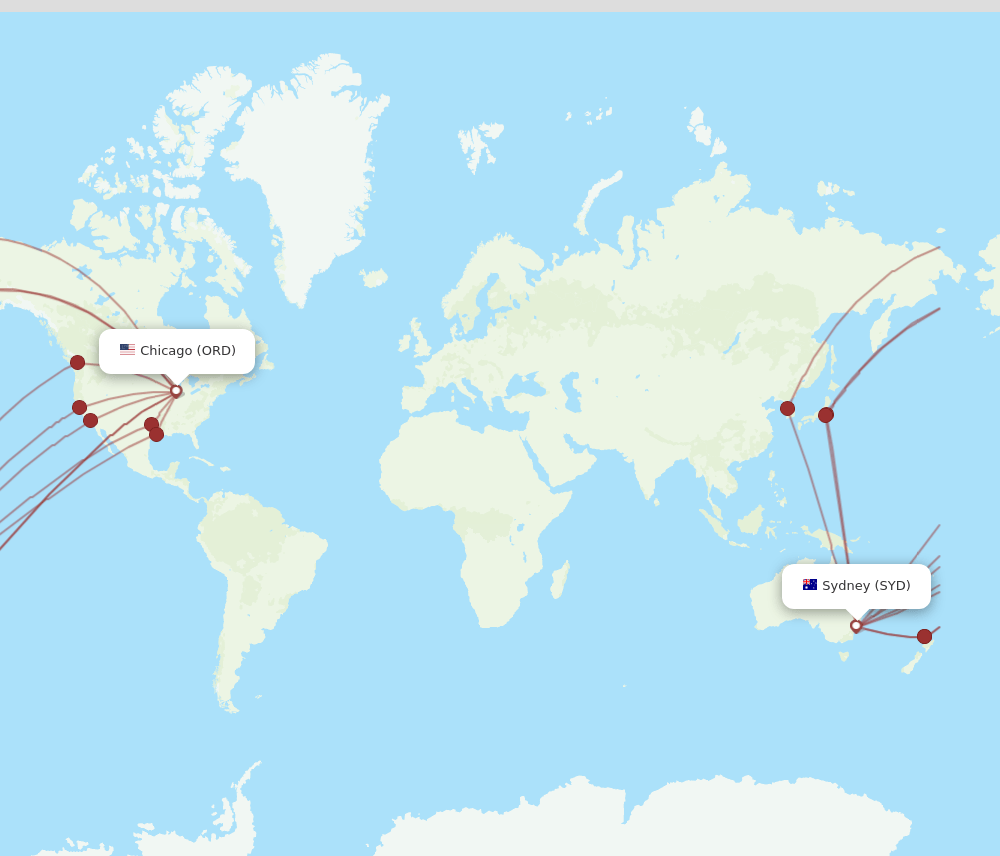
The Great Distance: Understanding Flight Duration to Australia
Australia is approximately 9,000 to 10,000 miles (14,500 to 16,000 kilometers) from Chicago, depending on the specific destination city. This immense distance necessitates a lengthy flight time, often involving multiple segments and significant layovers. There are no direct, non-stop flights from Chicago to any city in Australia due to the sheer distance exceeding the operational range of most commercial aircraft for continuous flights at viable loads, and the limited demand for such an ultra-long-haul route from a non-coastal United States hub.
Consequently, all flights will involve at least one stop, typically on the United States West Coast or occasionally in other international hubs. The total travel time, encompassing all flight segments and layovers, can range significantly.
Typical Travel Times
For flights from Chicago to major Australian cities like Sydney or Melbourne, passengers can expect the following ranges:
- Total Travel Time (including layovers): Approximately 20 to 30 hours. This is the most realistic expectation for a journey of this magnitude.
- Actual Flying Time: The cumulative time spent in the air typically ranges from 17 to 22 hours. This is the sum of all flight segments.
- Shortest Possible Journey: Under optimal conditions with perfectly timed connections, some itineraries might shave this down slightly, but this is rare. For example, a flight from Chicago to Los Angeles (around 4-5 hours) followed by a connection to Sydney (around 14-15 hours) would total 18-20 hours of flying, plus layover time.
These figures are averages and can fluctuate based on numerous variables. Understanding these variables is key to selecting the most suitable itinerary for your trip.
Factors Influencing Your Journey Time
Several critical factors contribute to the overall duration of a flight from Chicago to Australia. Being aware of these elements can help travelers make informed decisions and set realistic expectations.
Direct vs. Connecting Flights
As established, there are no direct flights from Chicago to Australia. Therefore, the number and duration of connecting flights significantly impact total travel time.
- One-Stop Itineraries: These are generally the quickest, involving a single layover, usually at a major West Coast United States gateway such as Los Angeles International Airport (LAX) or San Francisco International Airport (SFO). The layover duration can range from a swift 1.5-hour connection to several hours.
- Two-Stop or More Itineraries: While often cheaper, these flights can extend total travel time considerably. An extra stop might be in another United States city (e.g., Dallas/Fort Worth) before heading to the West Coast, or internationally in New Zealand (e.g., Auckland) or Fiji on the way to Australia.
Layovers and Connection Times
The duration of your layover is a major determinant of total travel time.
- Optimal Layovers: A layover of 2-4 hours is often considered ideal. It provides enough time to deplane, clear security if required, find your next gate, and perhaps grab a meal without feeling rushed or enduring an excessively long wait.
- Short Layovers: While tempting for speed, very short layovers (under 1.5 hours, especially for international connections) carry a higher risk of missing your connecting flight due to delays, long security lines, or gate changes.
- Long Layovers: Some itineraries feature layovers stretching 8-12 hours or even overnight. These can be opportunities to rest, explore a new city if time permits, or simply extend your journey unnecessarily.
Aircraft Type and Airline
The type of aircraft used and the airline can subtly influence flight times.
- Aircraft Speed: While commercial aircraft speeds are relatively standardized, newer, more fuel-efficient planes (like the Boeing 787 Dreamliner or Airbus A350) might offer marginally faster cruise speeds or allow for more direct routes, though this impact is usually minimal compared to layover times.
- Airline Efficiency: Different airlines (Qantas, United Airlines, American Airlines, Air New Zealand, Fiji Airways) have varying route networks, preferred connection hubs, and operational efficiencies that can affect total travel time.
Wind and Air Traffic Control
While less predictable, atmospheric conditions and air traffic can play a role.
- Jet Streams: Flights traveling eastward typically benefit from tailwinds (jet streams), while westbound flights often face headwinds, making the journey slightly longer. From North America to Australia, this effect is complex but generally contributes to the longer duration of the southbound trans-Pacific leg.
- Air Traffic Control (ATC) Delays: Congestion at major airports, particularly during peak travel seasons, can lead to ground delays, holding patterns, and overall extended travel times.
Common Routes and Major Hubs
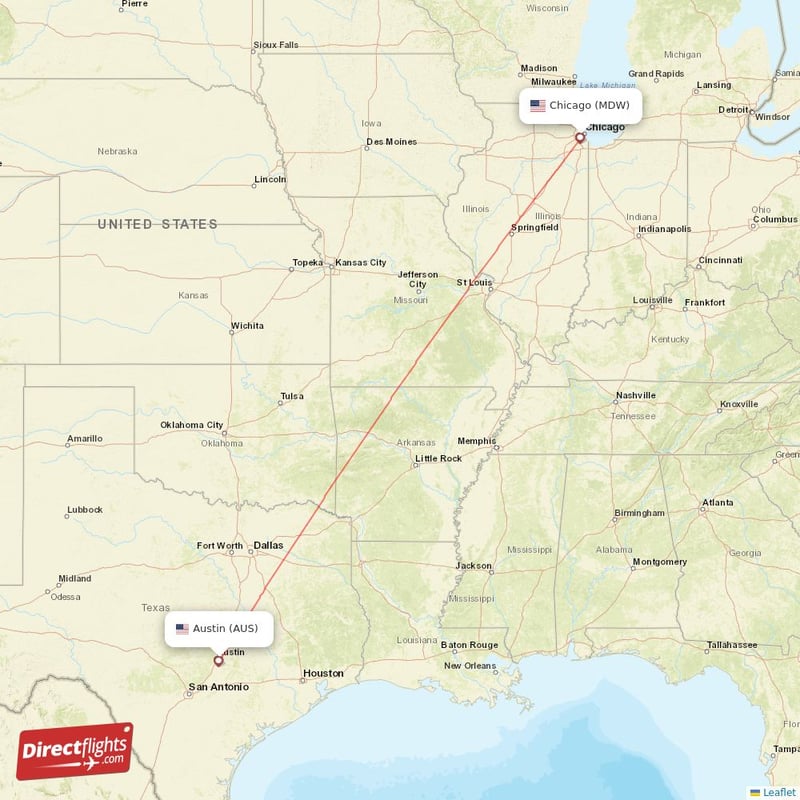
Travelers flying from Chicago to Australia will almost always begin their journey from O’Hare International Airport (ORD). The journey typically involves a series of flights, with specific hubs serving as primary connection points.
North American Gateway Cities
The first leg of the journey usually takes you to a major hub on the United States West Coast or sometimes further east.
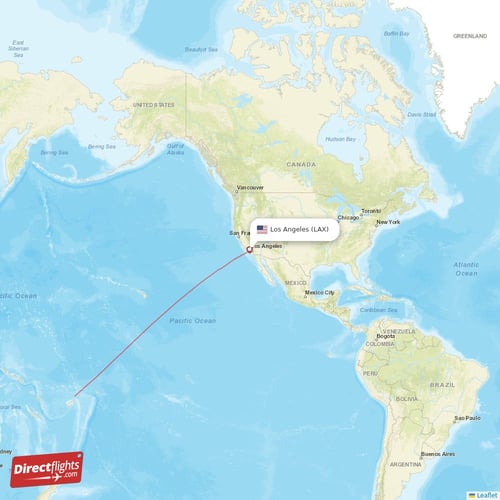
- Los Angeles (LAX): This is by far the most common gateway. Numerous airlines operate direct flights from Chicago to LAX, and from LAX to Sydney, Melbourne, and Brisbane. The Chicago-LAX segment is typically 4-5 hours, followed by a 14-15 hour trans-Pacific flight.
- San Francisco (SFO): Another popular West Coast option, offering similar flight patterns and durations to LAX. The Chicago-SFO flight is usually around 4.5-5.5 hours.
- Dallas/Fort Worth (DFW): While not a West Coast hub, DFW serves as a significant hub for American Airlines, which offers non-stop flights to Sydney and Melbourne. This route might involve a slightly longer initial flight from Chicago (around 2.5-3 hours) but can streamline the overall journey by avoiding the congestion of Californian airports.
- Vancouver (YVR), Canada: Some itineraries route through Vancouver, especially with Air Canada or partner airlines. This adds an international customs step in Canada but can sometimes offer competitive pricing or better connection times.
Oceanic Gateway Cities
Less common but possible are itineraries that make an additional international stop before reaching Australia.
- Auckland (AKL), New Zealand: Air New Zealand offers excellent connections through Auckland. After a trans-Pacific flight to AKL, a shorter flight (around 3-4 hours) connects to various Australian cities. This often provides a pleasant break from the longest leg.
- Fiji (NAN): Fiji Airways provides another option, typically via Los Angeles or San Francisco, with a layover in Nadi, Fiji. This can sometimes be a more budget-friendly option, but may involve slightly longer overall travel times.
- Honolulu (HNL), Hawaii: A less frequent but often appealing routing involves a stop in Honolulu, breaking up the long Pacific crossing into two more manageable segments.
Reaching Australian Destinations
Once you’ve crossed the Pacific Ocean, your final destination within Australia will determine the very last leg of your journey.
- Sydney (SYD) and Melbourne (MEL): These are the primary international entry points for most flights from North America. Direct flights from the United States West Coast mostly land here.
- Brisbane (BNE): Also a major international airport, Brisbane receives direct flights from LAX.
- Perth (PER) and Adelaide (ADL): If your final destination is Perth or Adelaide, you will almost certainly require an additional domestic flight within Australia from Sydney, Melbourne, or Brisbane. These domestic flights add another 2-5 hours to your total travel time.
Navigating the Long-Haul: Tips for a Comfortable Flight
While the journey is long, strategic planning can significantly enhance your comfort and overall experience.
Pre-Flight Preparation
- Choose Your Seat Wisely: If possible, select a window seat for leaning or an aisle seat for easy movement. Exit row or bulkhead seats offer more legroom but may come with restrictions.
- Pack Essentials in Carry-On: Include travel documents, medications, a change of clothes, toiletries, entertainment (books, loaded devices), a neck pillow, eye mask, and earplugs/noise-canceling headphones.
- Hydrate Before and During: Start hydrating days before your flight and continue throughout the journey. Avoid excessive alcohol and caffeine.
During the Flight
- Stay Hydrated: Drink plenty of water. Most airlines offer water frequently, but bringing a reusable bottle to fill after security is a good idea.
- Move Regularly: Get up and walk around the cabin every 2-3 hours to promote circulation. Perform simple stretches in your seat.
- Dress Comfortably: Wear loose, layered clothing. Compression socks can be beneficial for preventing swelling and improving circulation.
- Manage Your Schedule: Try to adjust your sleep schedule to your destination’s time zone as soon as you board the trans-Pacific flight.
Utilize Airline Amenities
Modern long-haul aircraft are designed for passenger comfort.
- In-Flight Entertainment: Make full use of the extensive entertainment systems.
- Meals and Snacks: Most airlines provide regular meals and snacks. Inform the airline in advance if you have dietary restrictions.
- Comfort Items: Blankets and pillows are usually provided, though you might prefer your own neck pillow for better support.
Time Zones and Jet Lag Considerations
Crossing the International Date Line and numerous time zones is an unavoidable part of flying from Chicago to Australia. This westbound journey typically means you “lose” a day, as you cross into the next calendar day when flying over the Pacific Ocean. For instance, if you depart on a Monday, you might arrive on a Wednesday, skipping Tuesday entirely.
Understanding Jet Lag
Chicago is in the Central Time Zone (CT), while Sydney is typically 15 hours ahead during standard time and 17 hours ahead during daylight saving time (depending on the time of year and specific Australian city). This significant time difference almost guarantees jet lag.
Strategies to Minimize Jet Lag
- Adjust Before You Go: A few days before departure, try to gradually shift your sleep schedule closer to Australia’s time zone.
- Sleep on the Plane: Prioritize sleep during the “night” hours of your destination. An eye mask, earplugs, and neck pillow are crucial.
- Embrace the Destination’s Schedule: Upon arrival, immediately try to adopt the local routine. Eat meals at local times and expose yourself to natural light during the day, avoiding naps if possible until evening.
- Stay Hydrated: Dehydration exacerbates jet lag symptoms.
- Light Exercise: Gentle activity can help reset your body clock and boost energy levels.
While the journey from Chicago to Australia is undeniably long, it is a well-traveled path. By understanding the typical durations, anticipating the factors that influence travel time, and preparing for the demands of long-haul travel, you can transform what might seem daunting into an exciting prelude to your Australian adventure. The vibrant cities, unique wildlife, and stunning landscapes of Australia make every hour of the flight unequivocally worth it.
LifeOutOfTheBox is a participant in the Amazon Services LLC Associates Program, an affiliate advertising program designed to provide a means for sites to earn advertising fees by advertising and linking to Amazon.com. Amazon, the Amazon logo, AmazonSupply, and the AmazonSupply logo are trademarks of Amazon.com, Inc. or its affiliates. As an Amazon Associate we earn affiliate commissions from qualifying purchases.