
The notion of sweet, juicy cherries conjures images of cool climates, crisp spring air, and rolling hills, a stark contrast to the tropical warmth and sandy soils of the Sunshine State. For many visitors and even residents, the idea of cultivating traditional temperate fruit in Florida seems implausible. Yet, the question “Can cherries grow in Florida?” isn’t as straightforward as it might appear, leading us down a fascinating path of horticultural innovation and local culinary exploration. Understanding the answer unveils a unique facet of Florida’s agricultural landscape and its impact on the local food scene, offering a fresh perspective for anyone interested in the state’s vibrant tourism offerings.
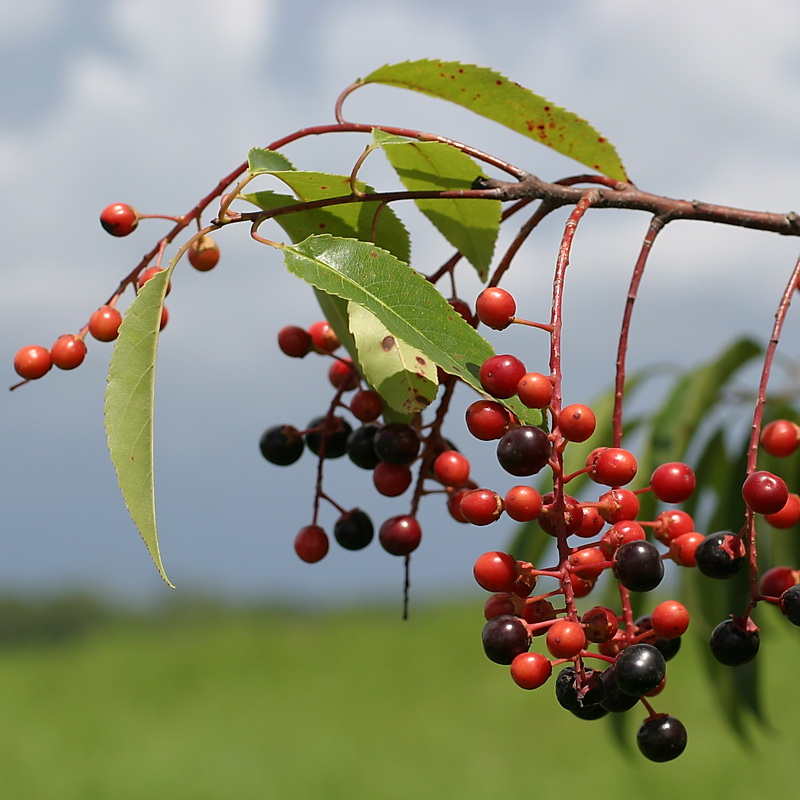
The Sunshine State’s Unique Agricultural Landscape
Florida’s agricultural prowess is undeniable, celebrated globally for its citrus, strawberries, and a vast array of tropical fruits. However, its subtropical to tropical climate presents specific challenges for plants accustomed to distinct seasons, particularly those requiring a period of cold dormancy known as “chill hours.” Cherries, in their most common forms like Bing or Rainier, typically demand a significant number of these chill hours to properly set fruit.
Florida’s Climate Challenges for Traditional Cherries
Traditional sweet and tart cherry varieties (Prunus avium and Prunus cerasus) are native to temperate regions of the Northern Hemisphere. Their life cycle is intrinsically linked to the four distinct seasons, particularly a cold winter period. During this time, the trees enter dormancy, accumulating “chill hours”—hours below a certain temperature threshold (usually 45°F or 7°C). This chilling period is crucial for breaking dormancy in their buds, allowing them to flower and fruit correctly in the spring.
Florida’s winters, while occasionally dipping into cooler temperatures, are generally mild and short-lived. Most parts of the state experience fewer than 200 chill hours annually, with central and south Florida often seeing less than 100. This dramatically falls short of the 700-1000+ chill hours required by most commercial cherry varieties. Without sufficient chill, traditional cherry trees either fail to flower, produce very few flowers, or exhibit irregular, staggered fruiting, rendering commercial cultivation unfeasible and even home gardening frustrating.
The Quest for Low-Chill Varieties
Despite these climatic hurdles, the allure of cherries has not been lost on horticulturalists and agricultural researchers in Florida. Their efforts have focused on identifying and developing “low-chill” cherry varieties—cultivars that require significantly fewer chill hours to produce fruit. This scientific endeavor is critical for expanding the range of produce available locally and enhancing Florida’s agricultural diversity, a boon for local culture and food tourism.
The development of these varieties often involves complex breeding programs, crossing existing low-chill types from other warm regions with more desirable fruiting cherries. The goal is to create trees that can withstand Florida’s heat and humidity while still delivering palatable fruit. This ongoing research underscores a broader trend in Florida agriculture: adapting to the unique environment to bring a wider variety of fresh produce to residents and visitors alike.
Unearthing Florida’s Cherry Alternatives and Success Stories
While the traditional cherry remains elusive for widespread cultivation in Florida, the state boasts a fascinating array of “cherry-like” fruits and a few genuine, albeit specialized, cherry success stories. These alternatives and innovations contribute significantly to the local food landscape, offering tourists unique tasting experiences that challenge preconceived notions of Florida produce.
Barbados Cherries: A Tropical Gem
Perhaps the most common “cherry” found thriving in Florida is the Barbados Cherry (Malpighia emarginata or Malpighia glabra), also known as Acerola. This isn’t a true cherry from the Prunus genus but earns its name from its appearance and taste. These small, bright red fruits are incredibly rich in Vitamin C, often cited as one of the highest natural sources, surpassing oranges by a significant margin.
Barbados Cherry shrubs and small trees are commonly found in Florida home gardens and are sometimes available at local farmers’ markets. Their tart, slightly sweet flavor makes them excellent for juices, jellies, and desserts. For tourists seeking local flavors and nutritional powerhouses, discovering Barbados Cherries offers a delightful surprise and a taste of Florida’s diverse tropical fruit culture.
The ‘Minnie Royal‘ and ‘Royal Lee‘ Revolution
Against the odds, genuine sweet cherries (Prunus avium) have made inroads into Florida, thanks to the diligent work of plant breeders. Varieties like ‘Minnie Royal’ and ‘Royal Lee’ were specifically bred to require very few chill hours, making them viable for cultivation in warmer climates. These cultivars are often planted together for cross-pollination, maximizing fruit production.
While still not as prevalent as traditional Florida crops, these low-chill sweet cherries represent a breakthrough. They offer the authentic taste and texture of sweet cherries, albeit often in smaller quantities than what one might find from a Pacific Northwest orchard. Their presence, even on a small scale in specialty farms or enthusiastic home gardens, signifies a growing potential for this “impossible” fruit in the state. Finding these rare Florida-grown sweet cherries can be a highlight for food-focused tourists, providing a unique story of agricultural resilience and innovation.
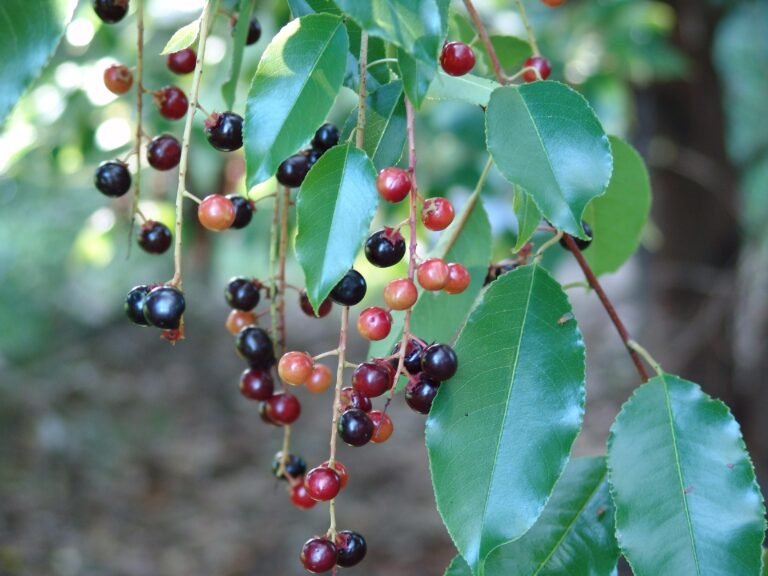
Other Berry Delights in the Florida Sun
Beyond the cherry family, Florida excels in producing other delicious berries that offer similar culinary versatility and freshness. Strawberries thrive in Florida’s winter, making the state a major producer of this popular fruit, especially in areas around Plant City. Blueberries have also seen significant expansion, particularly in central and northern Florida, with varieties specifically adapted to the climate. These readily available berries fill the void left by traditional cherries, providing ample opportunities for U-pick experiences and fresh consumption. For tourists, exploring Florida’s berry farms offers a quintessential agricultural experience, complete with fresh air, sunshine, and bountiful harvests.
The Impact on Florida’s Culinary Scene and Agritourism
The cultivation of cherries and cherry-like fruits, coupled with the state’s diverse berry production, enriches Florida’s culinary identity and bolsters its growing agritourism sector. Visitors looking to connect with local culture through food will find a surprising array of experiences, moving beyond the typical theme park attractions to embrace the authentic flavors of the land.
From Farm to Table: Local Produce Markets
Florida’s farmers’ markets are bustling hubs where the agricultural bounty of the state truly shines. These markets, found in cities like Sarasota, Orlando, and Miami, are prime locations to discover fresh, locally grown produce, including the more obscure Barbados Cherries or, on rare occasions, the low-chill sweet cherries. Beyond the cherries, visitors can find an abundance of seasonal fruits like strawberries, blueberries, citrus, and a variety of tropical fruits. Engaging with local farmers, understanding their growing practices, and sampling unique varieties are integral parts of the Florida tourism experience, connecting guests directly to the source of their food.
U-Pick Experiences and Farm Tours
Agritourism in Florida offers hands-on experiences that are particularly appealing to families and those seeking authentic local activities. While U-pick sweet cherry farms are exceedingly rare, U-pick Barbados Cherry opportunities occasionally arise, especially in the southern parts of the state. More commonly, visitors can enjoy plentiful U-pick strawberry and blueberry farms, primarily in regions like Plant City and Gainesville. These farm visits provide not just fresh fruit but also an educational experience, demonstrating the effort and innovation behind Florida’s agricultural success. They are perfect activities for a sunny Florida day, allowing tourists to taste the freshness directly from the source.
Culinary Creations Featuring Local Fruits
Florida’s chefs and home cooks alike embrace the state’s diverse fruit production, incorporating it into a wide range of culinary delights. Restaurants throughout Florida, from upscale dining in Tampa to casual cafes in Key West, often feature seasonal, local produce on their menus. This can include anything from refreshing Barbados Cherry smoothies to elegant desserts showcasing Florida strawberries or blueberries. Exploring these culinary offerings provides tourists with a delicious way to experience the local food culture, highlighting the freshness and unique flavors that define the Sunshine State’s gastronomic landscape.
Tips for Tourists: Savoring Florida’s Fruitful Bounty
For travelers keen on experiencing Florida’s local food scene, a focus on fresh, seasonal produce is key. While finding conventional cherries might be a delightful rarity, embracing the state’s other offerings guarantees a delicious and insightful journey into its agricultural heart.
Locating Farmers’ Markets and Roadside Stands
To truly taste Florida, prioritize visits to local farmers’ markets. Websites and local tourism boards often provide up-to-date schedules and locations. Don’t overlook small roadside stands, especially when driving through agricultural areas like Homestead or around Lake Placid in Highlands County. These often offer the freshest, most authentic local produce, and sometimes, unexpected treasures like Barbados Cherries or other tropical fruits not commonly found in supermarkets. Engaging with the vendors can also provide valuable insights into what’s in season and where to find unique items.
Engaging with Local Farms
Seek out opportunities for agritourism. Many farms open their gates for U-pick experiences, farm tours, or special events. This is especially true for strawberry and blueberry farms during their respective seasons (roughly winter/spring for strawberries, spring/early summer for blueberries). These experiences are fantastic for families and offer a memorable way to understand the origins of Florida’s food. A quick online search for “U-pick farms Florida” or “farm tours Florida” will yield a wealth of options.

Experiencing Florida’s Seasonal Flavors
Embrace the seasonality of Florida’s produce. While citrus is a year-round staple, specific fruits shine at different times. Winter brings peak strawberry season and many tropical fruits. Spring ushers in blueberries. By understanding what’s in season during your visit, you can tailor your culinary explorations to enjoy the freshest and most flavorful options. Ask locals, check restaurant menus for seasonal specials, and visit markets regularly to truly immerse yourself in the rich and diverse food culture that Florida offers, proving that while conventional cherries may be a challenge, the state’s fruitful bounty is anything but lacking.
LifeOutOfTheBox is a participant in the Amazon Services LLC Associates Program, an affiliate advertising program designed to provide a means for sites to earn advertising fees by advertising and linking to Amazon.com. Amazon, the Amazon logo, AmazonSupply, and the AmazonSupply logo are trademarks of Amazon.com, Inc. or its affiliates. As an Amazon Associate we earn affiliate commissions from qualifying purchases.