
Traveling between two of America’s most dynamic urban centers, Chicago and Washington, D.C., is a common journey for business professionals, tourists, and families alike. While the precise duration of a flight can fluctuate due to a myriad of factors, understanding the typical flight times and the elements that influence them is crucial for efficient travel planning. This guide delves into the specifics of this popular aerial route, offering insights into direct flights, the variables at play, and how to navigate connecting options for a smoother travel experience.
The Direct Route: A Quick Overview
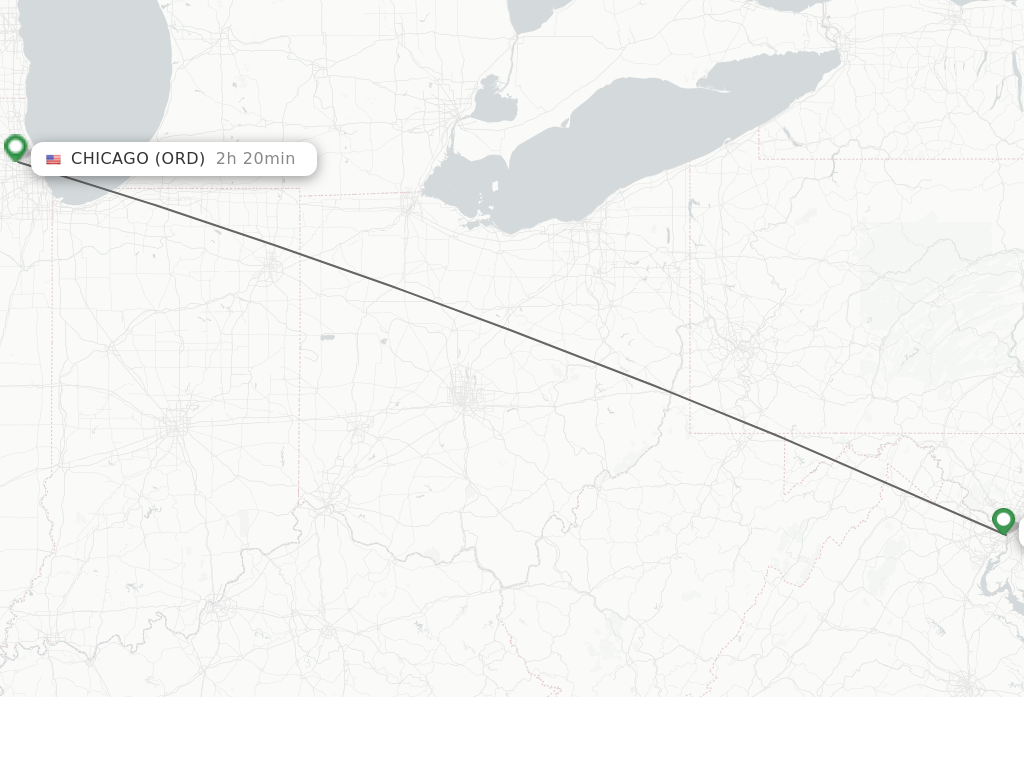
For travelers prioritizing speed and convenience, direct flights offer the most straightforward path from the Midwest to the nation’s capital. The air distance between Chicago and Washington, D.C. is approximately 600 miles (about 965 kilometers). This relatively short distance translates into a manageable flight duration, making it a popular choice for day trips or quick weekend getaways.

Departure and Arrival Hubs
In Chicago, travelers primarily depart from two major international airports:
- Chicago O’Hare International Airport (ORD): One of the busiest airports in the world, offering extensive domestic and international routes.
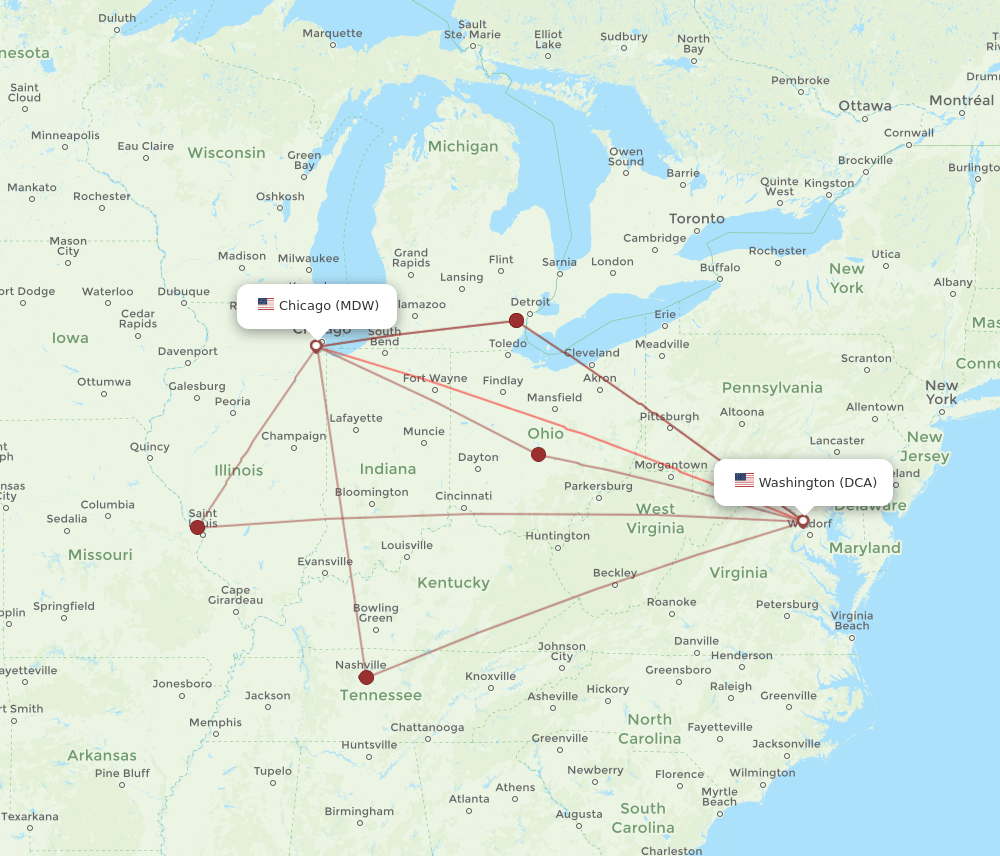
- Chicago Midway International Airport (MDW): A smaller, often more manageable airport popular with budget airlines and domestic travelers.
For arrivals in the Washington, D.C. metropolitan area, there are three primary airports to consider:
- Ronald Reagan Washington National Airport (DCA): The closest airport to downtown D.C., highly convenient for central city destinations.
- Dulles International Airport (IAD): A major international hub located further west of the city, serving a wide array of airlines and destinations.
- Baltimore/Washington International Thurgood Marshall Airport (BWI): Located south of Baltimore, it’s a popular choice for budget carriers and travelers heading to the northern D.C. suburbs or Baltimore itself.
Each airport offers distinct advantages depending on your final destination within the D.C. area and your preferred airline or budget.
Average Non-Stop Duration
A direct, non-stop flight from Chicago to Washington, D.C. typically ranges from 1 hour and 45 minutes to 2 hours and 15 minutes. This duration accounts for the time spent in the air from takeoff to landing, but does not include pre-flight boarding, taxiing, or post-landing procedures. While seemingly short, even minor atmospheric or air traffic conditions can slightly push these figures toward the upper end of the spectrum. When planning your travel, it’s always wise to factor in the full airport experience, including check-in, security, and potential gate changes, which can easily add 2-3 hours to your total journey time from door to door.
Variables That Shape Your Journey
While the average flight time provides a solid baseline, several dynamic factors can influence the actual duration of your flight from Chicago to Washington, D.C.. Understanding these variables allows travelers to anticipate potential delays and plan more effectively.
Atmospheric Conditions and Airspace Congestion
Weather plays a significant role in aviation. Strong headwind can increase flight time as the aircraft has to work harder against the opposing air current, while a tailwind can shorten it. Similarly, adverse weather conditions such as thunderstorms, heavy fog, or snow at either Chicago or D.C. airports can lead to delays, diversions, or rerouting, all of which extend the flight duration.
Beyond direct weather impact, the sheer volume of air traffic in the busy corridors between these major cities can also cause delays. Air Traffic Control (ATC) might hold flights on the ground, create longer taxiing routes, or direct planes to take less direct paths to manage congestion, especially around peak travel times. The airspace over the Northeastern United States is among the busiest globally, which means even a clear day can see ATC managing complex traffic flows that affect individual flight durations.
Aircraft Specifics and Flight Paths
The type of aircraft used by an airline can subtly influence flight speed and thus duration. Larger, more modern jets might fly at higher cruising altitudes or slightly faster speeds than older or smaller regional jets. However, for a relatively short domestic route like Chicago to D.C., this difference is usually marginal, perhaps only a few minutes.
The specific flight path taken by an aircraft also contributes to the overall time. While a direct route appears to be a straight line on a map, actual flight paths are determined by various factors including optimizing for favorable winds, avoiding restricted airspace, or navigating around adverse weather systems. Airlines and ATC continuously adjust these paths for safety, efficiency, and fuel economy, which can sometimes result in a slightly longer aerial journey than the crow flies.
Seasonal and Daily Fluctuations
Travel patterns often dictate flight availability and, consequently, how quickly an airport can process departures and arrivals. During peak travel seasons, such as summer holidays, Thanksgiving, or Christmas, airports experience increased traffic, which can lead to longer taxi times on the runway, increased holding patterns in the air, and general operational slowdowns. Weekends and early morning/late afternoon flights often see higher demand, contributing to potential delays.
Conversely, off-peak seasons or mid-week, mid-day flights tend to be less prone to delays. Knowing these patterns can help travelers select flight times that are historically more reliable for on-time departures and arrivals, thus minimizing the overall flight duration. Booking flights during periods of lower demand can sometimes shave a few minutes off the total travel time by reducing ground delays.
The Calculus of Connecting Flights
While direct flights are often preferred, connecting flights can be a more economical option or sometimes the only choice depending on airline schedules or specific destinations within the D.C. area. Understanding how layovers impact total travel time is crucial for making an informed decision.
Common Layover Points and Their Influence
For flights originating in Chicago and heading to Washington, D.C., if a direct route isn’t available or preferred, layovers typically occur at major airline hubs in the central or eastern United States. Common connecting airports include:
- Charlotte Douglas International Airport (CLT)
- Hartsfield-Jackson Atlanta International Airport (ATL)
- Detroit Metropolitan Wayne County Airport (DTW)
- Philadelphia International Airport (PHL)
The duration of the layover itself is the primary determinant of total travel time for connecting flights. Layover times can range from a short 45-minute sprint between gates to an extended several-hour wait. Travelers should consider the minimum connection time recommended by the airline and airport, especially if they need to change terminals or re-check luggage. A very short layover, while seemingly efficient, carries a higher risk of missing your connecting flight due to delays from the first leg.
Evaluating Total Travel Time
When opting for a connecting flight, the calculation for total travel time becomes:
(Flight 1 Duration) + (Layover Duration) + (Flight 2 Duration)
For example, a typical connecting flight might look like:
- Chicago to Charlotte: 1 hour 45 minutes
- Layover in Charlotte: 1 hour 30 minutes
- Charlotte to Washington, D.C.: 1 hour 15 minutes
This scenario results in a total travel time of 4 hours 30 minutes. This is significantly longer than a direct flight but may come at a lower cost or offer more flexible scheduling. When evaluating connecting flights, it’s essential to weigh the trade-off between cost savings and the additional time spent traveling. Longer layovers can also be an opportunity to stretch, grab a meal, or even explore a new city, depending on the duration and your adventurous spirit.
Strategic Planning for Seamless Travel
Optimizing your travel experience from Chicago to Washington, D.C. involves more than just knowing the flight duration; it’s about making informed choices that streamline your journey.
Selecting Your Ideal Airport Pair
The choice of departure and arrival airports can significantly impact your overall travel time and convenience.
- If your primary concern is reaching downtown D.C. quickly, flying into Ronald Reagan Washington National Airport (DCA) is often the best option, given its proximity and direct metro access. However, flights to DCA can sometimes be pricier due to slot restrictions and high demand.
- For international connections or if your destination is in the western suburbs of D.C. or northern Virginia, Dulles International Airport (IAD) might be more suitable. It offers a broader range of airlines and often more competitive fares.
- Baltimore/Washington International Thurgood Marshall Airport (BWI) is frequently the most budget-friendly option, particularly for those using low-cost carriers. While further from D.C., it has good rail connections to both Baltimore and Washington, D.C.
Similarly, departing from Chicago Midway International Airport (MDW) might be more convenient for those living on Chicago’s South Side or seeking a less hectic airport experience, while Chicago O’Hare International Airport (ORD) offers more flight times and airline choices. Considering the ground transportation time to and from each airport at both ends of your journey is paramount to calculating your true total travel duration.
Booking Insights and Timing Your Trip
To secure the best fares and most convenient schedules, it is generally advisable to book your flight well in advance, typically 2-3 months prior to your travel date. Flexibility with your travel dates and times can also lead to significant savings and potentially shorter overall travel times due to less crowded airports. Mid-week flights (Tuesday, Wednesday, Thursday) and early morning or late-night departures often see fewer delays and lower prices. Using flight comparison websites and setting fare alerts can help you track prices and identify optimal booking windows.
Pre-Flight Preparations to Minimize Delays
Proactive preparation can significantly reduce stress and minimize unforeseen delays.
- Check Flight Status Regularly: Airlines often update flight times and gate information in real-time through their apps or websites. Staying informed can help you adapt to any changes.
- Arrive Early: Especially at busy airports like ORD, arriving 2-3 hours before a domestic flight is recommended to allow ample time for check-in, baggage drop, and security screening.
- Expedite Security: Programs like TSA PreCheck or Clear can drastically reduce time spent in security lines, offering a smoother start to your journey.
- Pack Smart: Adhering to carry-on liquid rules and avoiding over-packed bags can help you breeze through security without additional inspections.
By taking these steps, travelers can ensure that the journey from Chicago to Washington, D.C., whether direct or with a connection, is as efficient and enjoyable as possible. The air travel component itself is relatively quick, but the overall travel experience hinges on informed decisions and meticulous planning.
LifeOutOfTheBox is a participant in the Amazon Services LLC Associates Program, an affiliate advertising program designed to provide a means for sites to earn advertising fees by advertising and linking to Amazon.com. Amazon, the Amazon logo, AmazonSupply, and the AmazonSupply logo are trademarks of Amazon.com, Inc. or its affiliates. As an Amazon Associate we earn affiliate commissions from qualifying purchases.