
Planning a trip between two major American cities like Houston and Chicago inevitably brings up the crucial question of travel time. While the flight itself is often the quickest segment of the journey, understanding the nuances of air travel, airport logistics, and various influencing factors can significantly impact your overall travel experience. For travelers making the almost 1,000-mile journey, efficiency and preparedness are key.
The Straightforward Answer: Non-Stop Flight Durations
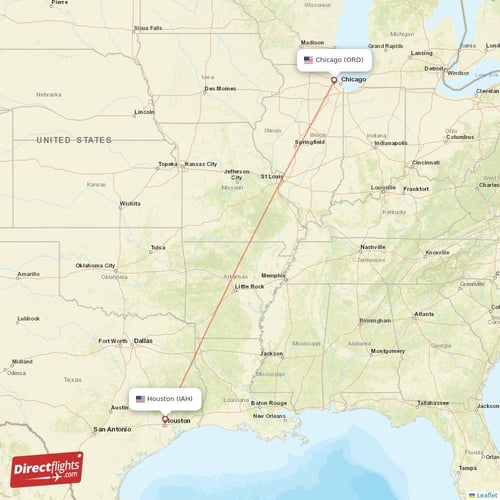
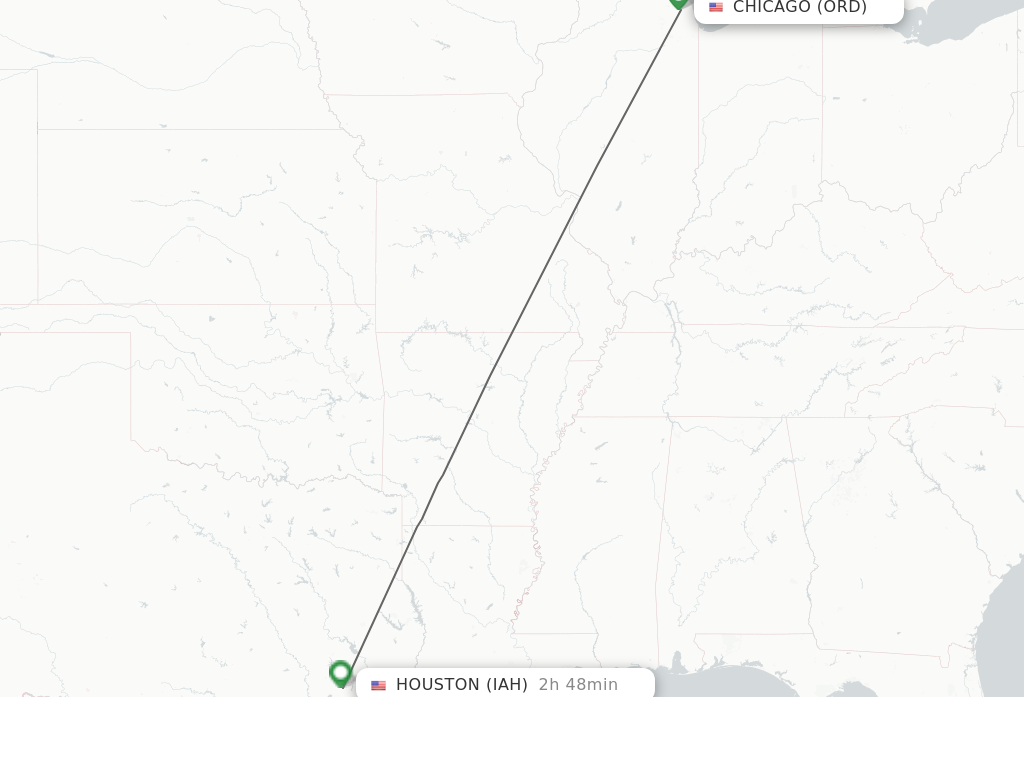
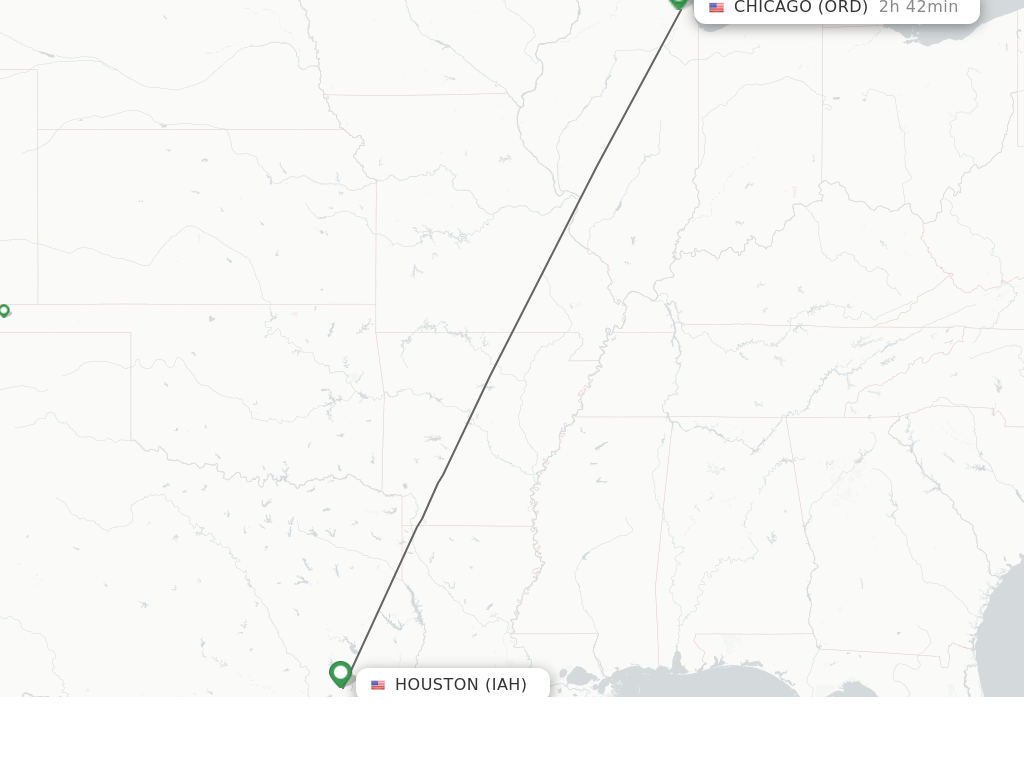
For travelers seeking the most direct path, a non-stop flight from Houston to Chicago is undoubtedly the fastest option. On average, you can expect the actual airtime for a direct flight to range from 2 hours and 30 minutes to 3 hours. This duration can vary slightly based on the specific departure and arrival airports, the type of aircraft, and real-time atmospheric conditions. For instance, a flight from George Bush Intercontinental Airport (IAH) to O’Hare International Airport (ORD) might take a few minutes more or less than a flight from William P. Hobby Airport (HOU) to Midway International Airport (MDW), primarily due to slight differences in flight paths and typical air traffic patterns at these respective hubs. When booking, airlines usually provide an estimated flight time that incorporates these averages, offering a reliable benchmark for your travel planning.
Factors That Influence Your Flight Time
While the average provides a good estimate, several variables can subtly or significantly alter the actual time your flight spends in the air. Understanding these can help set realistic expectations and even inform your flight selection.
Aircraft Type and Speed
Different aircraft models have varying cruising speeds and operational efficiencies. A modern Boeing 737 or Airbus A320, commonly used on this route, will generally maintain a consistent speed, but a slightly faster or slower model could shave off or add a few minutes to the journey. Airlines select aircraft based on route demand, fuel efficiency, and operational capabilities, which indirectly affects flight duration.
Air Traffic Control and Route Adjustments
The skies are a busy place, and Air Traffic Control (ATC) plays a critical role in managing the flow of aircraft. During peak travel times or in congested airspace around major hubs like Chicago, flights may experience holding patterns, vectors, or altered routes to ensure safe separation. These adjustments, while essential for safety, can add minutes to the flight time, especially during approach and descent. Similarly, departure delays can occur due to ground congestion, runway availability, or necessary sequencing.
Weather Conditions
Weather is an undeniable factor in air travel. Strong headwinds, particularly common when flying westward, can increase flight duration as the aircraft has to work harder against the opposing air current. Conversely, tailwinds, often experienced when flying eastward, can significantly decrease flight time, sometimes by as much as 15-20 minutes on a journey of this length. Severe weather, such as thunderstorms or heavy snowfall, can also lead to rerouting, diversions, or holding patterns, extending the time passengers spend in the air or on the ground.
Navigating Houston and Chicago Airports
The actual time spent in the air is only one component of your total travel time. The process of getting to and from the airports, as well as navigating through them, adds significant hours to your journey. Both Houston and Chicago are served by multiple major airports, each with its own characteristics.
George Bush Intercontinental Airport (IAH)
Located approximately 23 miles north of downtown Houston, IAH is the larger of Houston’s two main airports and a major hub for United Airlines. Due to its size and extensive international traffic, ground operations at IAH can sometimes involve longer taxi times to and from the runways. Security lines can also be substantial during peak hours.
William P. Hobby Airport (HOU)
HOU is closer to downtown Houston, about 11 miles southeast, and serves primarily domestic flights, with Southwest Airlines being its largest operator. Generally, HOU offers a more streamlined experience with potentially shorter security lines and taxi times compared to IAH, which can contribute to a slightly quicker overall airport process.
O’Hare International Airport (ORD)
ORD, located about 18 miles northwest of downtown Chicago, is one of the world’s busiest airports and a major hub for both United Airlines and American Airlines. Its extensive network of runways and terminals can lead to significant taxi times, sometimes adding 15-30 minutes before takeoff or after landing. Air traffic congestion, especially during inclement weather or peak periods, is a common occurrence, potentially causing delays.
Midway International Airport (MDW)
Situated closer to downtown Chicago, approximately 12 miles southwest, MDW is primarily served by Southwest Airlines and handles a high volume of domestic flights. While smaller than O’Hare International Airport (ORD), Midway International Airport (MDW) can still experience congestion. However, its more compact layout generally means shorter taxi times and often quicker processing through security and baggage claim, which can be a time-saver for many travelers.
The choice of airport in both Houston and Chicago can therefore influence the entire travel duration. While a flight might be scheduled for 2 hours and 45 minutes, the door-to-door journey could easily extend to 5-7 hours or more when considering ground transportation, check-in, security, and deplaning processes.
Beyond Airtime: Total Travel Journey Considerations
Calculating the true duration of your trip from Houston to Chicago requires looking beyond just the time spent airborne. The journey begins long before takeoff and ends well after landing.
Pre-Flight Essentials: Check-in, Security, Boarding
The time spent at the departure airport is a significant component of your overall travel. Airlines typically recommend arriving 1.5 to 2 hours before a domestic flight. This buffer allows for:
- Check-in and Baggage Drop: If you’re checking bags, this process can add time, especially at busy counters. Using online check-in and self-service kiosks can expedite this.
- Security Screening: This is often the most unpredictable part of the pre-flight process. Lines can vary dramatically depending on the time of day, day of the week, and airport specific events. Programs like TSA PreCheck or Clear can significantly reduce this wait.
- Getting to Your Gate: Depending on the airport’s size and your gate location, this can involve considerable walking, shuttle rides, or even tram transfers.
- Boarding: The boarding process itself takes about 20-40 minutes as passengers find their seats and stow their luggage.
Factoring in these elements, you could easily spend 2-3 hours at the airport before your flight even begins to push back from the gate.
Post-Landing Logistics: Deplaning, Baggage Claim, Ground Transportation
Once your plane touches down in Chicago, the journey isn’t over.
- Deplaning: It takes time for all passengers to exit the aircraft, especially if you’re seated towards the back.
- Walking to Baggage Claim/Ground Transport: Depending on your arrival terminal, this can be a lengthy walk or require internal airport transit.
- Baggage Claim: If you checked luggage, waiting for it to appear on the carousel can add anywhere from 15 to 45 minutes to your arrival time.
- Ground Transportation: Finally, the commute from the airport to your final destination in Chicago needs to be considered. This could involve taxis, ride-shares, public transit (like the CTA Blue Line from ORD or Orange Line from MDW), or rental cars. Traffic conditions, especially in a metropolitan area like Chicago, can heavily influence this leg of the journey.
All these post-landing steps can add another 1-2 hours to your travel time, meaning a non-stop flight’s door-to-door duration can easily stretch to 6-8 hours.
Choosing Your Flight: Direct, Connecting, and Airlines
The decisions you make when booking your flight have a direct impact on the overall duration and experience.
Advantages and Disadvantages of Connecting Flights
While direct flights are the quickest for airtime, they aren’t always available or the most economical. Connecting flights introduce additional layers of time and potential delays.
- Increased Airtime: The total flight time for connecting flights will obviously be longer, as it includes the duration of two or more separate flights.
- Layover Time: This is the most significant addition to your total travel time. Layovers can range from a quick 45-minute sprint between gates to several hours, or even an overnight stay. While longer layovers can be tedious, shorter ones carry the risk of missing your connecting flight due to delays in the first leg.
- Risk of Delays: Each leg of a connecting flight introduces a new opportunity for delays, whether due to weather, mechanical issues, or air traffic control. A delay on the first flight can cascade, causing you to miss your connection and adding significant time and stress to your journey.
For the Houston to Chicago route, direct flights are common and usually the preferred choice for their efficiency.
Key Airlines Operating the Route
Several major airlines offer direct service between Houston and Chicago, providing travelers with various options in terms of schedule, price, and amenities.
- United Airlines: A major presence at IAH and ORD, United Airlines offers frequent direct flights connecting these two hubs.
- Southwest Airlines: Dominant at HOU and MDW, Southwest Airlines provides numerous direct options known for their point-to-point service and no-frills approach (including two free checked bags).
- American Airlines: While American Airlines primarily hubs out of ORD, they also offer direct flights from IAH.
- Spirit Airlines and Frontier Airlines: These budget carriers may offer direct options from both IAH and HOU to ORD or MDW, often at competitive prices, though typically with additional fees for services like baggage and seat selection.
When selecting an airline, consider not just the advertised flight time but also factors like baggage allowances, seat comfort, and on-time performance records, especially if travel efficiency is a top priority.
In conclusion, while the actual flight time from Houston to Chicago is a manageable 2.5 to 3 hours, a holistic view of the travel journey reveals that a door-to-door trip can easily take half a day or more. Strategic planning around airport choice, pre-flight preparations, and understanding potential delays are essential for a smooth and efficient travel experience between these two dynamic cities.
LifeOutOfTheBox is a participant in the Amazon Services LLC Associates Program, an affiliate advertising program designed to provide a means for sites to earn advertising fees by advertising and linking to Amazon.com. Amazon, the Amazon logo, AmazonSupply, and the AmazonSupply logo are trademarks of Amazon.com, Inc. or its affiliates. As an Amazon Associate we earn affiliate commissions from qualifying purchases.