
The landscape of Oklahoma is characterized by a diverse tapestry of natural beauty, from the rolling prairies of the west to the verdant forests of the east. While many may associate [Oklahoma] with its iconic cowboys, wide-open spaces, and rich oil history, its natural heritage also holds significant cultural and symbolic value. At the heart of this natural identity lies the state tree, a living testament to the region’s ecological character and enduring spirit. Understanding the significance of the state tree offers a unique lens through which to appreciate the natural history and cultural identity of the Sooner State.
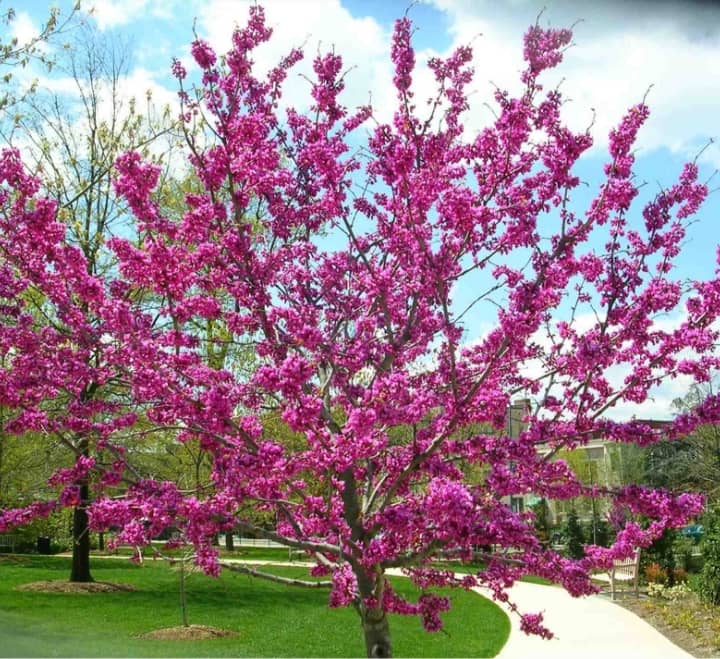
The Majestic Redbud: Oklahoma’s Official State Tree
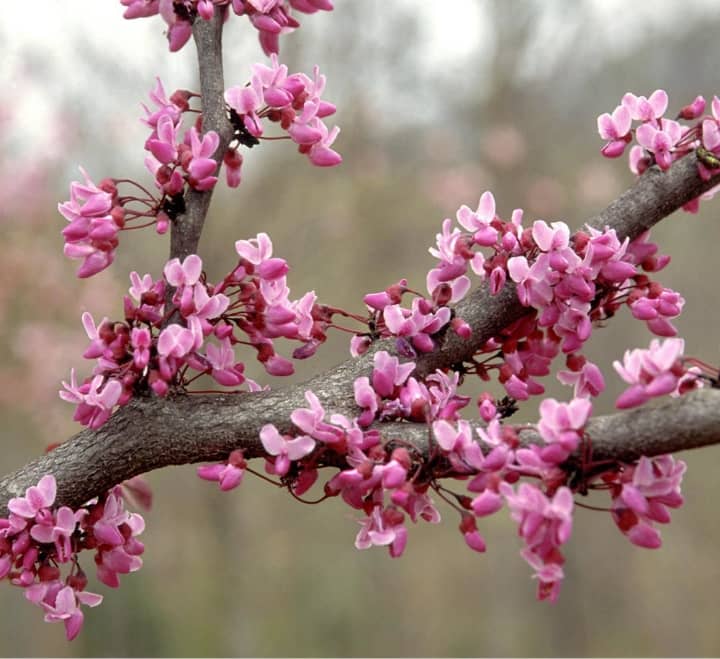
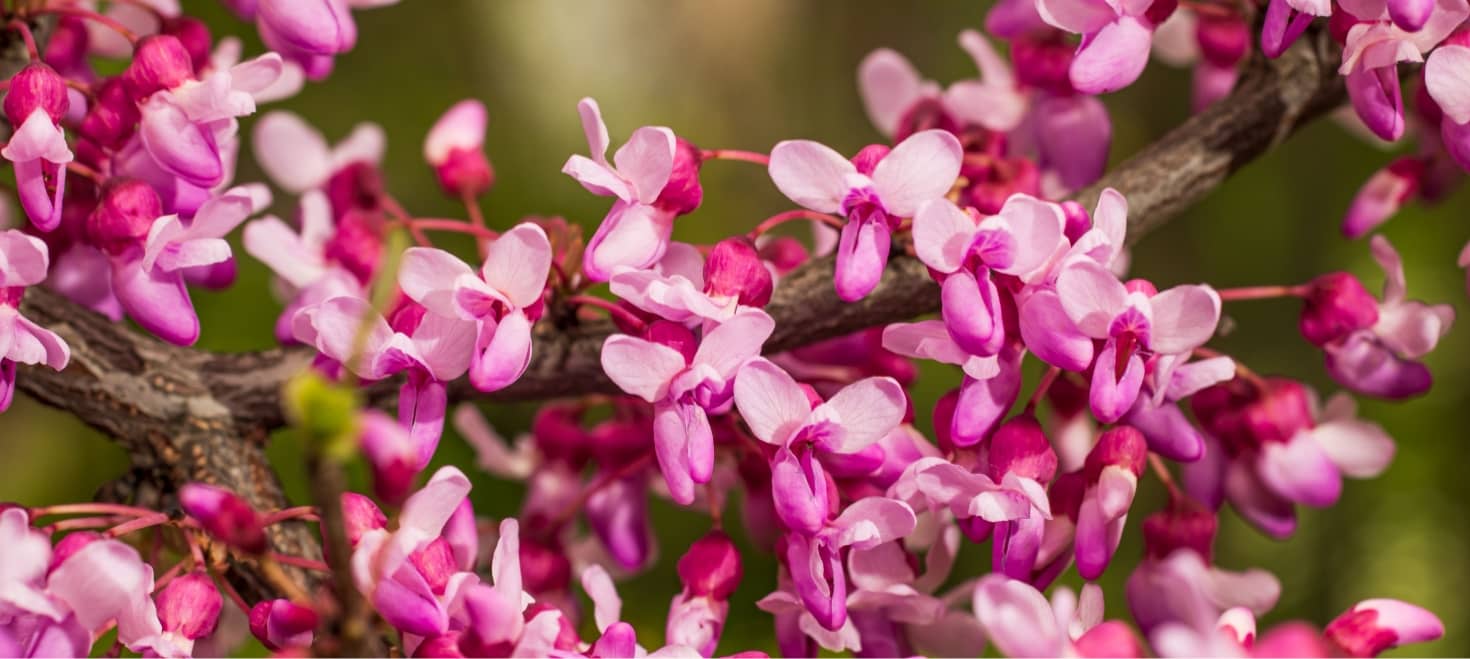
The official state tree of Oklahoma is the Eastern Redbud (Cercis canadensis). This deciduous tree, belonging to the legume family, is renowned for its stunning springtime display of vibrant pinkish-purple flowers that bloom directly on its branches and trunk, a phenomenon known as cauliflory. This striking visual characteristic makes the Eastern Redbud a beloved sight across the state, heralding the arrival of spring with an explosion of color.
Botanical Characteristics and Distribution
The Eastern Redbud is a small to medium-sized tree, typically reaching heights of 20 to 30 feet with a similar spread. Its leaves are heart-shaped and a deep green during the growing season, turning to a rich yellow in the fall. The distinctive pink to magenta flowers appear in early spring, often before the leaves emerge, creating a breathtaking spectacle against the backdrop of the awakening landscape.
This species is native to eastern North America, with its range extending from southern Canada south to Florida and west to Texas. In Oklahoma, the Eastern Redbud thrives in various habitats, including woodlands, stream banks, and open fields. It prefers well-drained soils and can tolerate a range of light conditions, from full sun to partial shade. Its adaptability has contributed to its widespread presence and enduring appeal throughout the state.
Historical Designation and Symbolism
The Eastern Redbud was officially designated as the state tree of Oklahoma on May 2, 1937. The selection of the Eastern Redbud was not arbitrary; it was a choice deeply rooted in the appreciation of its natural beauty and its common presence in the Oklahoma landscape. The early settlers and Native American tribes of the region would have been familiar with the tree’s distinctive bloom, associating it with renewal and the promise of warmer days after the harsh winter months.
The symbolism of the Eastern Redbud is multifaceted. Its vibrant spring blossoms represent hope, new beginnings, and the resilience of nature. For many Oklahomans, the sight of the Redbud in bloom is a cherished tradition, marking the transition from winter to spring and evoking feelings of joy and optimism. The heart-shaped leaves also lend a symbolic connection to love and affection, adding another layer of meaning to this beloved tree.
Exploring the Eastern Redbud in Oklahoma
The presence of the Eastern Redbud is not confined to wild spaces; it is a popular ornamental tree planted in yards, parks, and along streets throughout Oklahoma. This makes experiencing its beauty a readily accessible endeavor for residents and visitors alike.
Prime Viewing Locations and Seasons
The peak blooming season for the Eastern Redbud in Oklahoma typically occurs from late March through April, depending on regional weather patterns. During this period, the state comes alive with splashes of pink and purple, transforming its natural and urban landscapes.
- State Parks and Natural Areas: Many of Oklahoma’s state parks offer excellent opportunities to witness the Eastern Redbud in its natural habitat. Areas like the Ouachita Mountains, Talimena State Park, and the Osage Hills State Park provide diverse ecosystems where these trees flourish. Hiking trails within these parks often lead visitors through areas densely populated with Redbuds.
- Urban and Suburban Landscapes: Cities like Oklahoma City and Tulsa have embraced the Eastern Redbud as an urban tree. Driving through residential neighborhoods or visiting local parks, such as Myriad Botanical Gardens in Oklahoma City or Mohawk Park in Tulsa, will reveal numerous specimens in full bloom.
- Scenic Drives: Several scenic byways in Oklahoma become particularly picturesque during the spring when Redbuds are in bloom. The Talimena Scenic Drive, for instance, offers breathtaking views of forested hillsides adorned with the vibrant hues of the Redbud.
Cultural Significance and Appreciation
The Eastern Redbud is more than just a tree; it is a cultural icon in Oklahoma. Its annual blooming is anticipated with enthusiasm, often celebrated through local events and garden tours. The tree’s association with spring and renewal resonates deeply with the spirit of a state that has historically faced and overcome numerous challenges.
The Oklahoma Garden Clubs, Inc. and other horticultural societies actively promote the planting and conservation of the Eastern Redbud, recognizing its ecological and aesthetic contributions. Its presence in educational programs also helps to instill an appreciation for native flora in younger generations.
The Eastern Redbud’s Role in the Ecosystem
Beyond its visual appeal and symbolic meaning, the Eastern Redbud plays a vital role in the Oklahoma ecosystem. As a native species, it supports local wildlife and contributes to the biodiversity of the region.
Habitat and Food Source for Wildlife
The Eastern Redbud provides essential resources for a variety of wildlife. Its flowers offer nectar for early-season pollinators, including bees and butterflies, which are crucial for the health of many plant species.
- Pollinators: The early bloom of the Redbud is particularly important for pollinators emerging from winter dormancy, providing a vital food source when other flowering plants may be scarce.
- Birds: The seeds of the Eastern Redbud, contained in small pods, are a food source for various bird species throughout the fall and winter.
- Insects: The foliage and flowers also support various insect populations, which in turn serve as food for other animals, forming an integral part of the food web.
Ecological Benefits
As a member of the legume family, the Eastern Redbud has a symbiotic relationship with nitrogen-fixing bacteria in its root nodules. This process enriches the soil with nitrogen, benefiting not only the tree itself but also surrounding plant life. This nitrogen-fixing capability makes the Redbud a valuable component in ecological restoration efforts and a contributor to soil health in its native habitats.
Furthermore, the canopy of the Eastern Redbud provides shade, helping to moderate soil temperatures and reduce erosion, especially along waterways where they are often found. This ecological function underscores the importance of preserving and promoting native tree species like the Eastern Redbud.
Conservation and Future of the Eastern Redbud in Oklahoma
The continued appreciation and presence of the Eastern Redbud in Oklahoma depend on ongoing conservation efforts and community engagement.
Threats and Challenges
While the Eastern Redbud is a resilient species, it is not without its threats. Habitat loss due to urban development and agricultural expansion can reduce its natural populations. Additionally, certain pests and diseases can affect the health of individual trees.
- Emerald Ash Borer: Although not a direct threat to Redbuds, the spread of invasive insects like the Emerald Ash Borer highlights the vulnerability of native tree species and the importance of monitoring and management.
- Climate Change: Shifting climate patterns could potentially impact the Redbud’s distribution and ability to thrive in certain areas of Oklahoma in the long term.
Promoting and Protecting the State Tree
Various organizations and individuals are actively involved in promoting and protecting the Eastern Redbud across Oklahoma. These efforts include:
- Educational Programs: Schools and nature centers often incorporate lessons about the state tree, its importance, and how to identify it.
- Native Plant Nurseries: Many nurseries specialize in native plants, making the Eastern Redbud readily available for purchase and planting in gardens and landscapes.
- Community Planting Initiatives: Volunteer groups and local governments organize tree-planting events, often focusing on native species like the Redbud, to enhance urban forests and natural areas.
The enduring beauty and ecological significance of the Eastern Redbud ensure its place as a cherished symbol of Oklahoma. Its annual display serves as a vibrant reminder of the state’s natural heritage and the importance of preserving its botanical treasures for generations to come.
LifeOutOfTheBox is a participant in the Amazon Services LLC Associates Program, an affiliate advertising program designed to provide a means for sites to earn advertising fees by advertising and linking to Amazon.com. Amazon, the Amazon logo, AmazonSupply, and the AmazonSupply logo are trademarks of Amazon.com, Inc. or its affiliates. As an Amazon Associate we earn affiliate commissions from qualifying purchases.