
Understanding the duration of a flight is a cornerstone of effective travel planning, especially when traversing significant distances across a continent. The journey from Chicago, Illinois, to Los Angeles, California, is a popular route for both business and leisure travelers, connecting the heart of the Midwest with the vibrant West Coast. While a simple answer might suffice for the immediate question, the true flight duration is influenced by a myriad of factors, making the average journey an experience shaped by choices and circumstances. This guide delves into what defines flight times for this specific route, offering insights to help travelers prepare for their transcontinental trip.
Understanding Flight Duration: Factors at Play
The advertised flight time is often an estimate, and the actual time spent in the air can fluctuate. Several key elements contribute to these variations, transforming a seemingly straightforward journey into a dynamic airborne experience. Grasping these factors allows travelers to set realistic expectations and make more informed decisions when booking their flights.
Non-Stop vs. Connecting Flights
The most significant determinant of total travel time is whether a flight is direct or involves layovers. A non-stop flight from Chicago to Los Angeles is a continuous journey from takeoff to landing, minimizing time spent in transit. In contrast, connecting flights introduce additional legs to the journey, each with its own takeoff and landing, plus the time spent on the ground during layovers. These layovers can range from a quick 45-minute sprint between gates to an extended several-hour wait, dramatically increasing the overall travel time. While connecting flights might sometimes offer cost savings, they invariably extend the duration of the trip, requiring travelers to factor in potential delays at intermediate airports.
Aircraft Type and Air Traffic Control
The specific aircraft model used for a flight plays a subtle yet important role in determining its speed and, consequently, its duration. Larger, more modern jets designed for long-haul routes are generally more efficient and can maintain higher cruising speeds, potentially shaving minutes off a flight. Conversely, older or smaller regional jets might have slightly slower cruising speeds. Beyond the aircraft itself, the intricate system of air traffic control significantly impacts flight duration. Routes are meticulously planned and dynamically adjusted to manage airspace congestion, avoid adverse weather, and ensure safety. This can sometimes lead to slightly longer flight paths or holding patterns before landing, particularly around busy hubs like Los Angeles International Airport (LAX) or O’Hare International Airport (ORD) in Chicago.
Weather Conditions and Jet Stream
Weather is an unavoidable variable that can significantly influence flight times. Headwinds, particularly the powerful jet stream, can slow down an aircraft, extending the flight duration. Conversely, tailwinds can provide a boost, shortening the trip. For flights traveling westward, like from Chicago to Los Angeles, encountering prevailing headwinds from the west can often add 15-30 minutes, or even more, to the scheduled flight time. Eastward flights, benefiting from the same jet stream, typically experience shorter durations. Beyond the jet stream, severe weather conditions such as thunderstorms, heavy snow, or fog at either the departure or arrival airport can lead to delays, diversions, or even cancellations, all of which directly impact the total travel time. Pilots and air traffic controllers prioritize safety, and navigating around or waiting out inclement weather is a standard operational procedure.
Typical Flight Times Between O’Hare and LAX
When planning a trip from Chicago to Los Angeles, travelers will typically depart from either O’Hare International Airport (ORD) or Midway International Airport (MDW) in Chicago and arrive at Los Angeles International Airport (LAX). Understanding the average flight durations for both direct and connecting options is crucial for scheduling and logistical planning.
Direct Flight Estimates
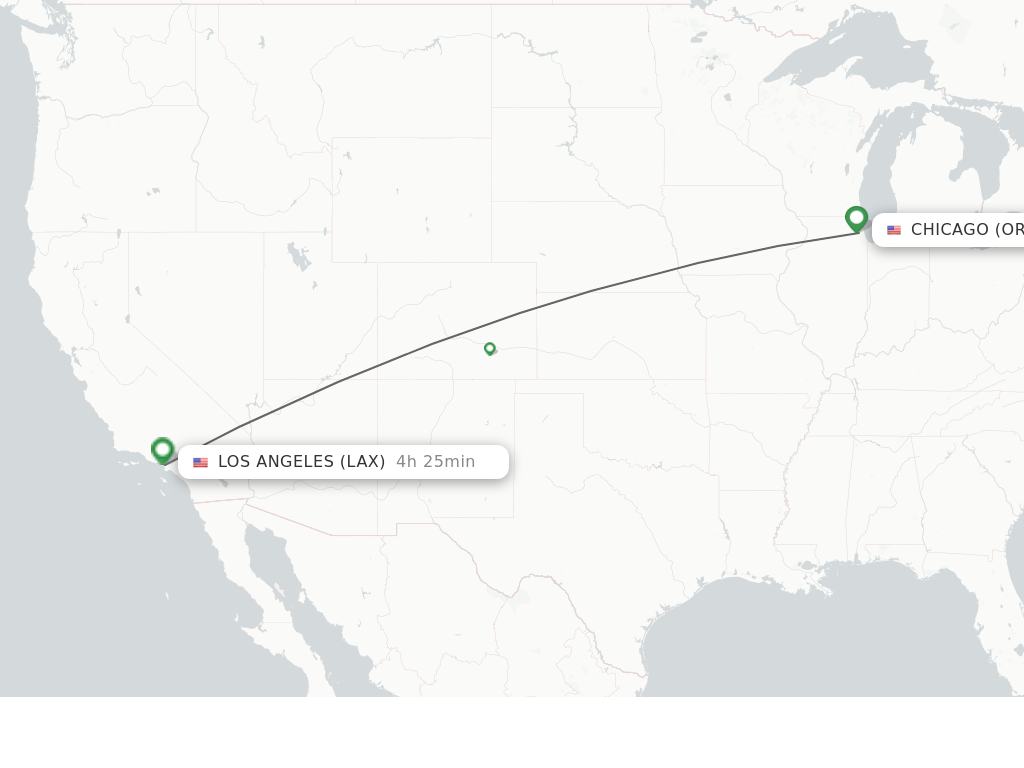
For a non-stop flight, the journey from Chicago to Los Angeles typically ranges between 4 hours and 15 minutes to 4 hours and 45 minutes. This estimate covers the actual time spent airborne. This direct flight duration is influenced primarily by the factors mentioned earlier, such as specific flight path, air traffic, and prevailing winds. While these flights offer the fastest way to get from point A to point B, it’s always wise to check the specific airline’s scheduled duration, as it incorporates buffer time for taxiing, potential minor delays, and flight plan adjustments. It’s also important to remember the time zone change: Chicago operates on Central Standard Time (CST), which is two hours ahead of Pacific Standard Time (PST) in Los Angeles. So, a flight departing at 8:00 AM CST might land around 11:30 AM PST, making it seem shorter on the clock than the actual airtime.
Connecting Flight Variations
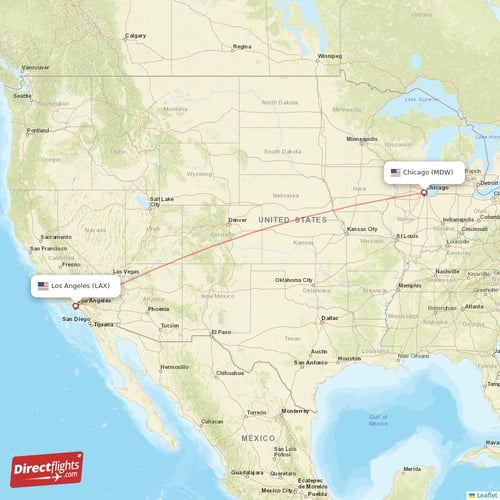
For those opting for connecting flights, the total travel time can vary significantly. A typical connecting flight will involve a layover at an intermediate airport, such as Denver International Airport, Dallas/Fort Worth International Airport, or Phoenix Sky Harbor International Airport. The total journey duration for a connecting flight usually falls between 6 to 10 hours or more. This includes the flight time for each leg and the layover period. Short layovers of 1-2 hours will keep the total travel time closer to the 6-hour mark, while longer layovers or multiple connections can easily push the total duration into double digits. When booking connecting flights, travelers should carefully consider the layover duration to ensure sufficient time for transfers, especially in large airports where gate changes might be distant or security re-screening necessary.
Optimizing Your Travel Experience
Beyond simply knowing how long the flight is, strategic planning can significantly enhance your entire travel experience from Chicago to Los Angeles. From selecting the right flight to preparing for the journey, a few considerations can make your trip smoother and more enjoyable.
Best Time to Fly
The best time to fly can depend on various factors, including cost, crowd levels, and potential weather impacts. Generally, early morning flights tend to experience fewer delays, as they are the first departures of the day, less susceptible to a ripple effect of delays from previous flights. Mid-week flights (Tuesday, Wednesday, Thursday) often see lower prices and fewer crowds compared to weekend travel. For the Chicago-Los Angeles route, avoiding peak travel seasons like major holidays or summer months can result in a more relaxed airport experience and potentially better fares. Also, consider the arrival time in Los Angeles: arriving during rush hour can lead to longer ground transportation times from Los Angeles International Airport (LAX) to your final destination.
Choosing the Right Airline and Airport
Several major airlines operate direct flights between Chicago and Los Angeles, including United Airlines, American Airlines, Southwest Airlines, Delta Air Lines, and Alaska Airlines. Each offers varying levels of service, amenities, and fare structures. Researching airline reviews and comparing pricing, baggage policies, and in-flight services can help you choose the best option for your needs.
In Chicago, most Los Angeles-bound flights depart from O’Hare International Airport (ORD), a major international hub with extensive facilities. However, Midway International Airport (MDW), while smaller, offers a more convenient location for some travelers residing in or near downtown Chicago and can sometimes provide quicker check-in and security processes. In Los Angeles, Los Angeles International Airport (LAX) is the primary gateway, though other regional airports like Hollywood Burbank Airport (BUR) or Long Beach Airport (LGB) might be options for connecting flights or if your final destination is closer to them.
Preparing for Your Journey
A comfortable flight contributes to a better travel experience. For a 4-5 hour journey, consider bringing entertainment such as books, movies pre-downloaded on devices, or music. A portable charger is invaluable. Staying hydrated by drinking plenty of water and avoiding excessive caffeine or alcohol can help mitigate fatigue. Light layers of clothing are advisable, as cabin temperatures can vary. If you are prone to ear discomfort during takeoff and landing, consider chewing gum or using earplugs. Finally, arrive at the airport with ample time, especially at large hubs like O’Hare International Airport or Los Angeles International Airport, to navigate check-in, security, and potential gate changes without stress.
Beyond the Flight: Arrival in the City of Angels
Once your flight from Chicago touches down at Los Angeles International Airport (LAX), the adventure continues. Los Angeles is a vast metropolis, and understanding its layout and initial points of interest can help kickstart your visit smoothly.
Navigating Los Angeles
Los Angeles International Airport (LAX) is a bustling airport, and navigating ground transportation is the next step. Options include ride-sharing services, taxis, shuttles, and public transportation (LAX FlyAway bus services connecting to various points, including Union Station in Downtown Los Angeles). Given the city’s infamous traffic, particularly during peak hours, planning your onward journey from the airport is crucial. Consider the time of day you arrive and whether renting a car, using ride-shares, or relying on public transit best suits your itinerary and budget. Keep in mind that distances between Los Angeles neighborhoods can be substantial, so factoring travel time between attractions into your daily schedule is essential.
First Impressions and Activities
Upon arrival, Los Angeles presents a diverse tapestry of experiences. From the glitz and glamour of Hollywood to the sun-drenched beaches of Santa Monica and Venice Beach, the city offers something for everyone. Art enthusiasts can explore world-class museums like The Getty Center or the Los Angeles County Museum of Art (LACMA). For panoramic views, a visit to the Griffith Observatory is highly recommended. Shopping aficionados can indulge in retail therapy on Rodeo Drive in Beverly Hills. Regardless of your interests, a journey from Chicago to Los Angeles is the gateway to exploring one of America’s most dynamic and iconic cities, with the flight itself being just the first leg of an unforgettable adventure.
LifeOutOfTheBox is a participant in the Amazon Services LLC Associates Program, an affiliate advertising program designed to provide a means for sites to earn advertising fees by advertising and linking to Amazon.com. Amazon, the Amazon logo, AmazonSupply, and the AmazonSupply logo are trademarks of Amazon.com, Inc. or its affiliates. As an Amazon Associate we earn affiliate commissions from qualifying purchases.