
The history of Florida is inextricably linked with the awesome power of hurricanes. A peninsula jutting into the warm waters of the Atlantic Ocean and the Gulf of Mexico, it is a state that has witnessed countless storms, each leaving an indelible mark on its landscape, architecture, and cultural memory. While defining the “worst” hurricane is subjective—dependent on metrics like loss of life, economic devastation, or structural damage—two storms stand out in the annals of Florida’s history for their sheer destructive force and profound, lasting impacts: the Great Miami Hurricane of 1926 and the Labor Day Hurricane of 1935. These events not only reshaped specific locales but also influenced the very fabric of how Florida approached development, infrastructure, and resilience.
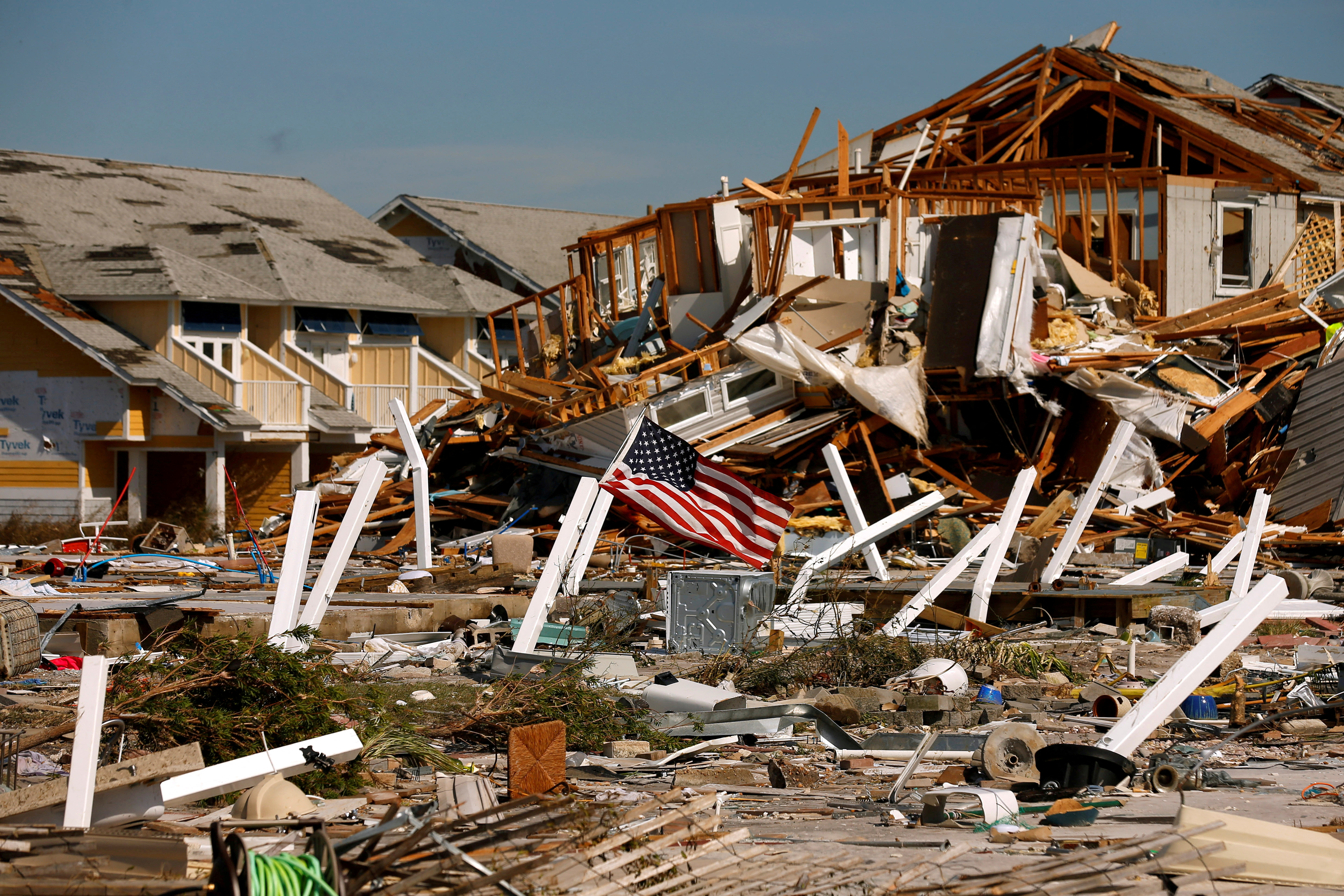
The Great Miami Hurricane of 1926: A Defining Catastrophe
The mid-1920s saw Florida booming, particularly South Florida, with the Miami land rush drawing thousands to its sun-drenched shores. Development was rapid, often unregulated, and infrastructure was still nascent. It was into this vibrant, yet vulnerable, landscape that the Great Miami Hurricane of 1926 roared. This storm is frequently cited as the event that ended Florida’s economic boom of the 1920s, ushering in a localized depression years before the national one.
Unpacking the Storm’s Ferocity
Making landfall on September 18, 1926, the hurricane struck Miami as an intense Category 4 storm on the Saffir-Simpson Hurricane Wind Scale. Its winds, estimated between 130-150 mph, pulverized the burgeoning cities of Miami, Miami Beach, and Palm Beach. The storm surge, reaching nearly 15 feet in some areas, inundated coastal properties, effectively sweeping away entire neighborhoods and altering the very coastline. What made this hurricane particularly insidious was a deceptive lull in the eye that led many residents, thinking the storm had passed, to venture outside, only to be caught in the brutal second half of the storm as winds reversed direction.
The physical devastation was almost unimaginable. Nearly every building in Miami suffered some degree of damage, with thousands of homes and businesses completely destroyed. The city’s nascent skyline was decimated, with many of the era’s new, grand structures severely compromised. Trees were stripped bare, turning lush landscapes into barren expanses. The scale of destruction was so vast that recovery efforts required monumental coordination, involving the United States Coast Guard and the Red Cross.
The Economic and Social Aftermath
Beyond the immediate physical destruction, the 1926 hurricane inflicted a staggering economic blow. Property damage was estimated at $100 million at the time, which would be several billion dollars in today’s currency. The influx of new residents and investors halted abruptly, marking the end of the land boom. Trust in Florida’s seemingly endless prosperity evaporated, leading to bankruptcies and foreclosures that predated the broader Great Depression.
Socially, the storm left deep scars. Over 370 people were officially reported dead, though unofficial estimates ranged much higher, with many victims never identified. The experience forever altered the collective memory of Floridians, embedding a profound respect and fear for the raw power of nature. While not directly leading to modern building codes, the sheer scale of structural failure served as a stark precursor to the need for more resilient construction standards, which would later be reinforced by subsequent storms. The hurricane forced a re-evaluation of development practices, highlighting the precarious balance between rapid growth and natural vulnerability, a lesson that continues to resonate in Florida’s ongoing development debates.
The Labor Day Hurricane of 1935: A Different Kind of Devastation
Just nine years after the Great Miami Hurricane, Florida faced another unparalleled catastrophe, this time focused on the remote and vulnerable Florida Keys. The Labor Day Hurricane of 1935 remains the most intense hurricane to make landfall in the United States, a Category 5 storm with devastating consequences.
Unprecedented Intensity and Tragic Loss
The 1935 hurricane struck the Upper Florida Keys on September 2nd, with sustained winds estimated at an astonishing 185 mph and a central pressure of 892 millibars – a record that stood for decades. This extraordinary intensity, coupled with a massive storm surge reported at over 18 feet, completely obliterated everything in its path, particularly around Islamorada and the Overseas Railroad camps where World War I veterans were employed on construction projects.

The devastation was absolute. Entire sections of the Overseas Railroad were washed away, including concrete bridges and railway embankments. Vegetation was scoured clean from the islands, leaving behind only the bare rock and sand. Homes, businesses, and indeed, all signs of human habitation were simply erased from the landscape. The remote nature of the Florida Keys and the lack of robust communication systems at the time exacerbated the tragedy. Warnings were difficult to disseminate effectively, and evacuation was nearly impossible for many, especially the veterans housed in isolated camps.
The loss of life was staggering. Over 400 people perished, with a disproportionate number being the veterans who were unable to evacuate. Their bodies were often swept out to sea or buried beneath the debris, making identification and recovery arduous. The tragedy sparked national outrage and investigations into the handling of the veterans’ safety, highlighting systemic failures in disaster preparedness and communication.
Its Lasting Impact on Building Codes and Preparedness
The Labor Day Hurricane of 1935 had a profound and lasting impact on how Florida and the nation approached hurricane preparedness. It exposed the extreme vulnerability of coastal infrastructure and prompted a re-evaluation of engineering standards, particularly for vital transportation links like bridges and roads in exposed areas. While the Overseas Highway would eventually replace the destroyed railway, its construction incorporated lessons learned about resilience against storm surge and wind.
Crucially, this storm, along with the subsequent 1928 Okeechobee Hurricane (which caused an even greater loss of life around Lake Okeechobee due to a storm surge over the lake’s dike), began to shape the long-term approach to hazard mitigation. It reinforced the understanding that living in a hurricane-prone region required stringent building practices and robust evacuation plans. While modern, comprehensive building codes like the Florida Building Code would take decades to fully develop and implement, the seeds of their necessity were firmly planted by the utter devastation of the 1935 storm. The event cemented the resolve to develop more accurate forecasting, better communication systems, and ultimately, a culture of preparedness that is now intrinsic to Florida life.
Other Notable Contenders and Florida’s Resilient Landscape
While the 1926 Miami and 1935 Labor Day hurricanes stand out for their historical context and catastrophic impacts, Florida has faced numerous other powerful storms that have tested its resilience and shaped its landmarks, both natural and man-made.
Hurricane Andrew (1992): A Modern Fury
Hurricane Andrew in 1992 serves as a more recent benchmark for extreme hurricane impacts. Making landfall in South Florida as a Category 5 storm, it delivered winds up to 165 mph, devastating the areas of Homestead and Florida City. While the death toll was relatively low (around 65), the economic damage was unprecedented at the time, exceeding $26 billion. Andrew’s widespread destruction of homes and businesses exposed weaknesses in existing building codes, directly leading to the adoption of the rigorous statewide Florida Building Code, which today stands as one of the most stringent in the United States. The barren landscape left behind, with entire suburban areas flattened, became a stark landmark of nature’s power and a catalyst for profound regulatory change.
Hurricane Charley (2004) and the Active Season
The 2004 hurricane season was exceptionally active for Florida, with four hurricanes making landfall. Hurricane Charley, a rapidly intensifying Category 4 storm, surprised forecasters by shifting its track at the last minute and striking Punta Gorda and Port Charlotte with extreme force. Its relatively small size but intense winds caused immense damage to structures and natural habitats in Southwest Florida, and then continued across the state to affect Orlando as a Category 1 hurricane. The sheer number of powerful storms that year—Charley, Frances, Ivan, and Jeanne—underscored Florida’s persistent vulnerability and tested the newly implemented building codes, demonstrating areas where further improvements were needed. The scars on the landscape, from downed forests to damaged coastal communities, served as a powerful reminder of the state’s ongoing battle with its climate.

Understanding Florida’s Vulnerability and Adaptation
Ultimately, pinpointing Florida’s “worst” hurricane is challenging, but the 1926 Great Miami Hurricane and the 1935 Labor Day Hurricane are arguably the most historically significant due to their respective catastrophic impacts on development and human life, and the profound policy changes they initiated. These events, alongside later storms like Hurricane Andrew, serve as enduring landmarks in the state’s natural history—not as physical structures, but as pivotal moments that reshaped its physical environment, its laws, and the collective consciousness of its inhabitants.
From the resilient coastal communities rebuilt with stronger materials to the ever-evolving emergency management systems, Florida’s landscape is a testament to both nature’s immense power and human tenacity. The state’s history of hurricane devastation is not merely a record of destruction, but a narrative of adaptation, learning, and an ongoing commitment to coexist with one of nature’s most formidable forces. Understanding these historical storms is crucial for anyone seeking to appreciate the unique character and enduring spirit of the Sunshine State, where every structure and natural vista carries the memory of past tempests and the promise of future resilience.
LifeOutOfTheBox is a participant in the Amazon Services LLC Associates Program, an affiliate advertising program designed to provide a means for sites to earn advertising fees by advertising and linking to Amazon.com. Amazon, the Amazon logo, AmazonSupply, and the AmazonSupply logo are trademarks of Amazon.com, Inc. or its affiliates. As an Amazon Associate we earn affiliate commissions from qualifying purchases.