
Embarking on a journey from the bustling metropolis of Chicago to the iconic hills and bay of San Francisco is a popular cross-country venture for both business travelers and leisure seekers. Understanding the specifics of this transcontinental flight, particularly its duration, is crucial for planning an efficient and enjoyable trip. While the exact flight time can fluctuate due to various factors, a direct flight typically offers the most straightforward and quickest route between these two vibrant American cities.
The Direct Flight Experience: What to Expect
For travelers prioritizing speed and convenience, a direct flight is undoubtedly the preferred option when journeying from the Midwest to the West Coast. This route connects two major hubs, ensuring a relatively streamlined process from takeoff to touchdown.
Typical Flight Duration
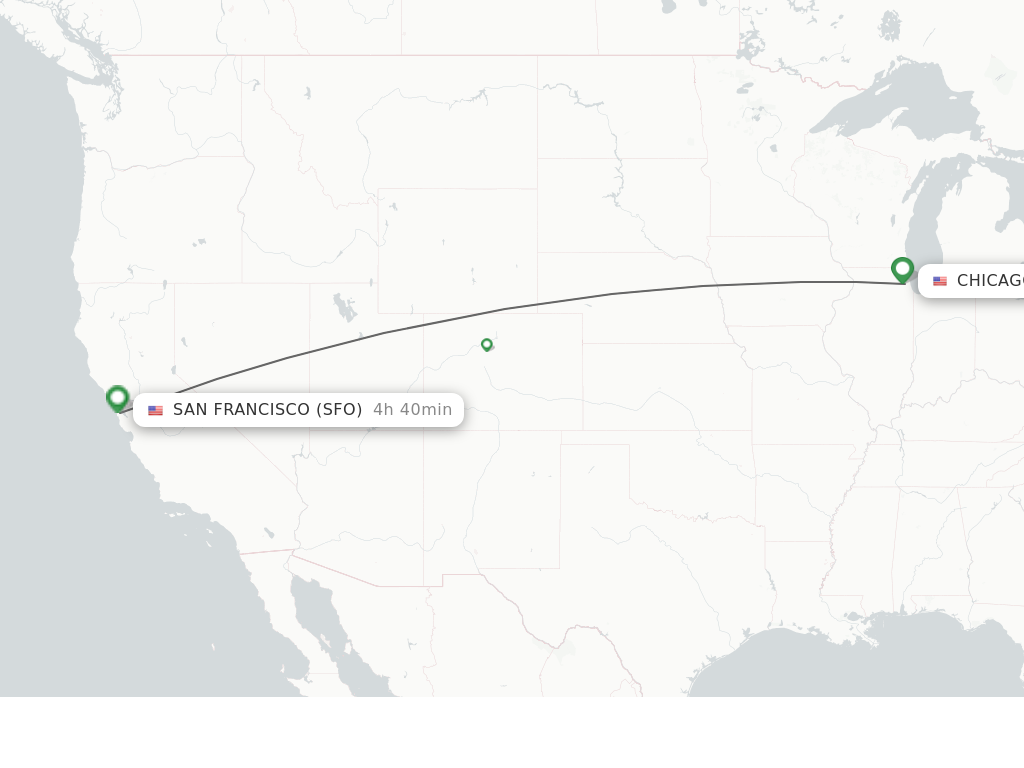
The average direct flight from Chicago to San Francisco clocks in at approximately 4 hours and 30 minutes to 5 hours and 30 minutes. This timeframe accounts for the actual time spent in the air, traversing roughly 1,850 miles (2,977 kilometers). It’s important to remember that this is an “in-air” duration, meaning it doesn’t include the time spent taxiing on the runway, waiting for takeoff clearance, or deplaning after landing. When considering the entire door-to-door travel experience, including airport check-in, security, boarding, and baggage claim, travelers should allocate significantly more time – often a total of 7 to 9 hours. This broader perspective helps in planning subsequent activities or connections on either end of the journey.
Major Airports Serving the Route
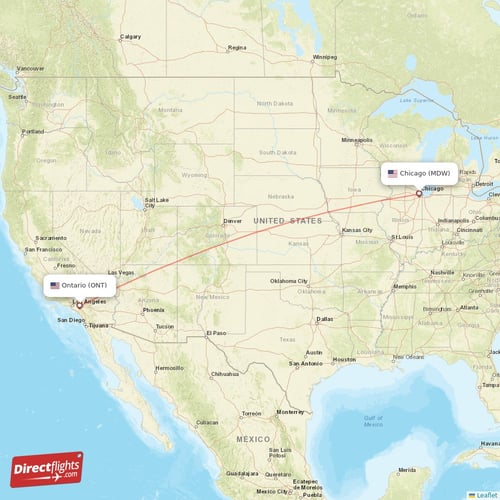
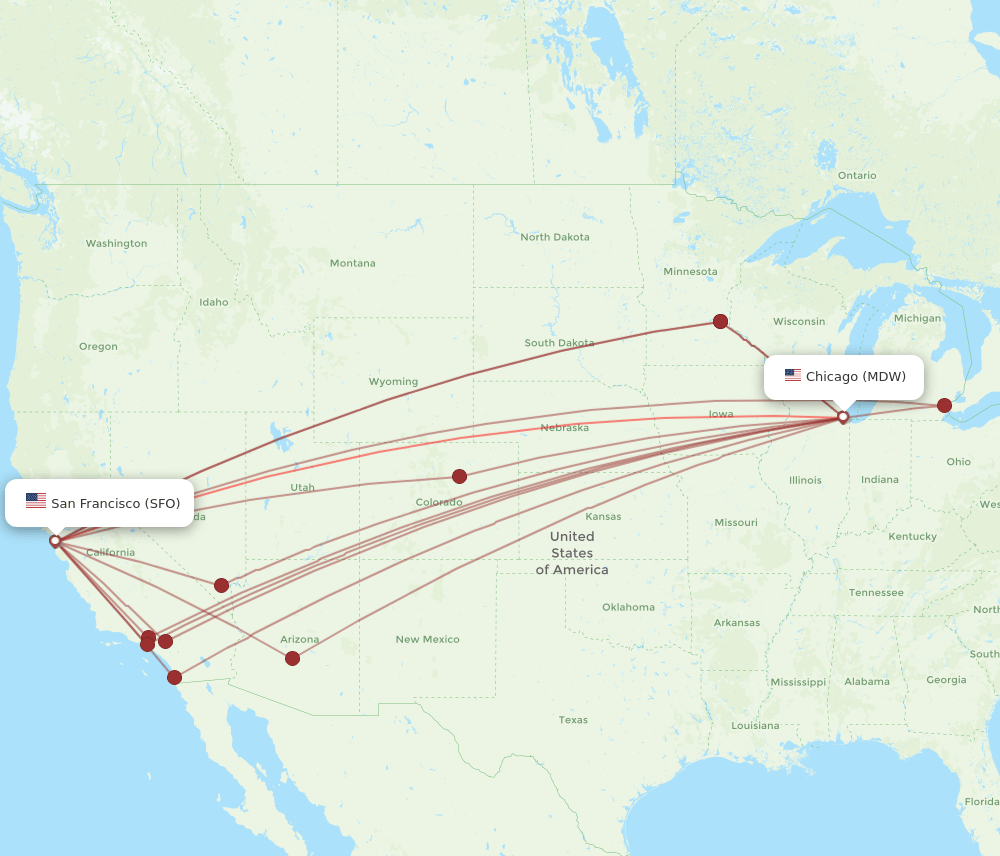
Travelers flying from Chicago will primarily depart from one of two major airports: O’Hare International Airport (ORD) or Midway International Airport (MDW). O’Hare, being one of the busiest airports in the world, offers a wider array of direct flights and airline choices, including major carriers like United Airlines and American Airlines. Midway typically serves as a hub for Southwest Airlines and can sometimes offer more budget-friendly options, though direct flights to San Francisco might be less frequent.
Upon arrival in San Francisco, the primary gateway is San Francisco International Airport (SFO). SFO is a major international airport and a significant hub for West Coast travel, well-equipped with extensive ground transportation options to connect travelers to the city and surrounding areas. Both departure and arrival airports are known for their efficiency and amenities, contributing to a smoother travel experience.
Factors Influencing Flight Time
While the average flight duration provides a good baseline, several factors can influence the actual time spent in the air. Understanding these variables can help travelers anticipate potential changes and manage their expectations.
Wind Patterns and Jet Streams
One of the most significant natural factors affecting flight duration, particularly on east-west routes like Chicago to San Francisco, are jet streams. These high-altitude, fast-flowing air currents can act as a powerful tailwind for westbound flights. However, for a flight from Chicago to San Francisco (westbound), the absence of a strong tailwind or even the presence of a headwind (wind blowing against the direction of travel) can add 15 to 30 minutes, or even more, to the flight time. Pilots strategically use weather data to plan routes that either leverage or mitigate the impact of these wind patterns, but they remain a primary determinant of in-air speed.
Aircraft Type and Speed
The type of aircraft used for the flight also plays a role. Modern airliners, such as the Boeing 737, Airbus A320 series, or larger wide-body jets often used on popular routes, are designed for efficiency and speed. While there isn’t a vast difference in cruising speed between common commercial aircraft types, newer models with advanced aerodynamics can sometimes maintain slightly higher average ground speeds, contributing to marginal reductions in flight time. Airlines typically select aircraft suitable for the route distance and expected passenger load, balancing speed with fuel efficiency.
Air Traffic Control and Route Optimization
The efficiency of air traffic control (ATC) and the chosen flight path are critical operational factors. ATC manages the flow of aircraft in the sky, ensuring safety and preventing congestion. At times, due to air traffic volume, adverse weather in certain regions, or military airspace restrictions, pilots may be instructed to take slightly longer routes or hold patterns, adding minutes to the journey. Airlines also utilize advanced flight planning software to optimize routes based on real-time weather, wind data, and air traffic, aiming for the most efficient path in terms of fuel consumption and time. However, unforeseen events or dynamic airspace conditions can necessitate adjustments mid-flight.
Connecting Flights vs. Non-Stop
While the focus here is on direct flights, it’s worth noting the significant time difference when opting for a connecting flight. A non-stop journey, as detailed, typically takes between 4.5 and 5.5 hours in the air. A connecting flight, which involves a layover at an intermediate airport, will inevitably extend the total travel time considerably. Even with a short layover of 1-2 hours, the total journey time, including the first flight, wait time, and second flight, will easily stretch to 8-12 hours or more. While connecting flights can sometimes be more economical, they demand a greater time commitment and the added hassle of transfers.
Maximizing Comfort on Your Cross-Country Journey
A flight of 4.5 to 5.5 hours, while not excessively long, is still a significant duration to spend confined in an aircraft. Ensuring comfort can dramatically improve the overall travel experience.
Pre-Flight Preparations
Effective pre-flight preparation begins well before arriving at the airport. Booking strategy is key: if possible, choose a seat with extra legroom, either by selecting an exit row, bulkhead seat, or upgrading. Consider flying during off-peak hours, as fewer passengers can sometimes lead to a less crowded cabin and more flexibility.
Packing smart is also essential. Have all necessary travel documents readily accessible. Pack a small carry-on bag with essentials that will make your flight more comfortable. This includes a good book, noise-canceling headphones, a fully charged power bank for your devices, and any personal medications. Layering clothing is advisable, as cabin temperatures can vary. A neck pillow and eye mask can also be game-changers for mid-flight relaxation or sleep.
In-Flight Essentials
Once onboard, proactively manage your comfort. Hydration is paramount; cabin air can be very dry. Drink plenty of water before and during the flight, and consider avoiding excessive alcohol or caffeine, which can contribute to dehydration.
Movement is also crucial. Stand up and stretch periodically if feasible, or perform simple stretches in your seat. Walk to the lavatory a few times during the flight to promote circulation and prevent stiffness. Compression socks can also be beneficial for preventing swelling, particularly on longer flights.
Entertainment is key to passing the time. Most airlines offer in-flight entertainment systems with movies, TV shows, and music. Alternatively, load up your personal devices with your own content. For those who prefer quiet, noise-canceling headphones can create a personal oasis, blocking out engine hum and other cabin noises.
Combating Jet Lag
While a 4.5 to 5.5-hour flight across two time zones (Central to Pacific) isn’t as severe for jet lag as an international journey, the time difference can still affect some travelers. San Francisco is two hours behind Chicago. To minimize the impact:
- Adjust your watch to San Francisco time as soon as you board the plane.
- Try to sleep or stay awake according to your destination’s time zone. If it’s nighttime in San Francisco when you’re flying, try to rest. If it’s daytime, try to stay awake and engage in activities.
- Upon arrival, seek natural light as much as possible, especially in the morning, to help reset your internal clock.
- Maintain hydration and avoid heavy meals or excessive alcohol on the first day to help your body adapt.
Arrival in San Francisco: Navigating Your Next Steps
After your flight lands at San Francisco International Airport, the next step is efficiently transitioning from the airport to your final destination in the city or surrounding Bay Area.
Ground Transportation Options
SFO offers a comprehensive array of ground transportation choices, catering to various budgets and preferences:
- BART (Bay Area Rapid Transit): This is often the quickest and most economical way to get from SFO into downtown San Francisco and other parts of the Bay Area. The SFO BART station is located in the International Terminal and is easily accessible from all terminals via the free AirTrain.
- Taxi Services: Taxis are readily available at designated taxi stands outside each terminal. They offer convenience, especially if you have a lot of luggage or are traveling with a group.
- Rideshares (Uber/Lyft): Popular rideshare services are widely available. Passengers are typically directed to a designated rideshare pick-up area, often a short walk or AirTrain ride away from the terminals.
- Shuttle Services: Various shared-ride van services provide door-to-door transportation to hotels and residences throughout San Francisco and beyond. These can be a cost-effective option for solo travelers or small groups.
- Rental Cars: For travelers planning to explore the wider Bay Area or Northern California, rental car agencies are located at the Rental Car Center, accessible via the AirTrain.
Seamless Transition to Your Destination
Regardless of your chosen mode of transport, having a plan in advance will ensure a smooth arrival. Confirm the address of your accommodation and research the best route and estimated travel time from SFO. If you’re relying on public transport like BART, understanding the stop closest to your destination is vital. For taxis or rideshares, ensure your phone is charged so you can easily communicate with your driver or navigate. Keeping all travel documents, including accommodation confirmations, handy will also streamline your check-in process.
In conclusion, a direct flight from Chicago to San Francisco is a manageable journey of roughly 4.5 to 5.5 hours in the air. By understanding the factors that influence this duration, preparing thoughtfully for the flight, and planning your arrival logistics, travelers can ensure a comfortable and efficient cross-country travel experience.
LifeOutOfTheBox is a participant in the Amazon Services LLC Associates Program, an affiliate advertising program designed to provide a means for sites to earn advertising fees by advertising and linking to Amazon.com. Amazon, the Amazon logo, AmazonSupply, and the AmazonSupply logo are trademarks of Amazon.com, Inc. or its affiliates. As an Amazon Associate we earn affiliate commissions from qualifying purchases.