
Embarking on a journey from the sun-drenched beaches of Miami to the architectural marvels and bustling streets of Chicago is a common itinerary for both business and leisure travelers. While the allure of each city is distinct, the crucial first step in planning such a trip often involves understanding the logistics of air travel. The direct flight between these two major United States hubs is surprisingly swift, yet the overall travel experience can be influenced by a myriad of factors. Delving into flight durations, layover considerations, and ground transportation nuances is essential for any traveler seeking an efficient and pleasant journey.
Understanding the Direct Flight Duration
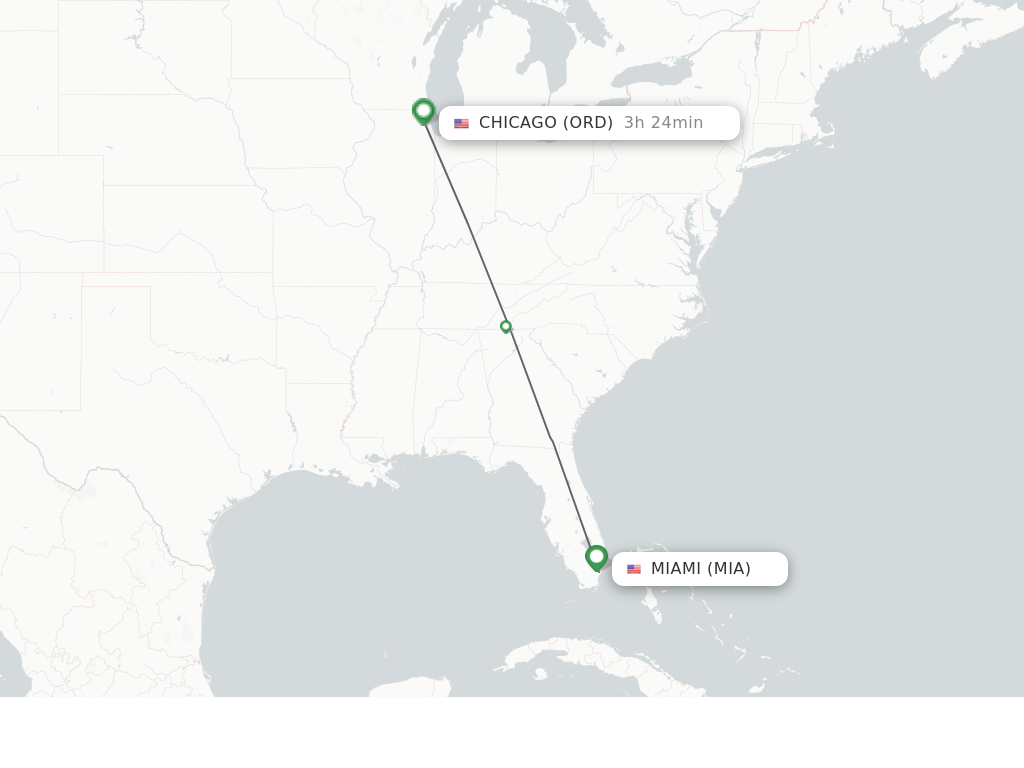
For travelers prioritizing speed and convenience, a direct flight is the optimal choice when flying from Miami to Chicago. The average non-stop flight duration typically ranges between 2 hours and 50 minutes to 3 hours and 20 minutes. This relatively quick airborne transit covers an approximate air distance of 1,180 to 1,200 miles (about 1,900 to 1,930 kilometers), making it a manageable segment of domestic air travel.
Several elements contribute to these slight variations in direct flight times:
Atmospheric Conditions and Jet Streams
One of the most significant factors is prevailing wind conditions. Flights heading northbound, from Miami to Chicago, can sometimes benefit from tailwinds, particularly the powerful high-altitude jet streams, which can shave off a few minutes from the total flight time. Conversely, strong headwinds can incrementally extend the journey. While pilots adjust for these conditions, they are a natural part of aviation that impacts flight speed.
Aircraft Type and Speed Capabilities
Different airlines operate various aircraft models, each with its own cruising speed and operational efficiencies. A modern Boeing 737 or Airbus A320, commonly used on this route, will generally maintain a similar average speed, but subtle differences exist. Newer, more fuel-efficient planes might also be programmed for slightly different cruising altitudes or speeds to optimize performance.
Air Traffic Control and Routing
The specific flight path assigned by Air Traffic Control (ATC) also plays a role. While direct flights follow a generally straight line between Miami International Airport (MIA) and either O’Hare International Airport (ORD) or Midway International Airport (MDW), minor deviations can occur due to weather avoidance, military airspace restrictions, or congestion in the skies around major metropolitan areas. ATC delays, especially around busy airports, can also lead to holding patterns or slower taxi times, adding minutes to the overall gate-to-gate duration.
The Impact of Layover Flights
While direct flights are the quickest, many travelers opt for flights with one or more layovers. These connecting flights invariably extend the total travel time, but they often come with advantages that make them a popular choice.
Reasons for Choosing a Layover Flight
- Cost Savings: Flights with layovers are frequently more affordable than non-stop options. This can be a significant draw for budget-conscious travelers or those with flexible schedules.
- Increased Flexibility: Connecting flights often offer a wider range of departure and arrival times, providing more options to fit varying schedules.
- Airline Preference: Passengers loyal to specific airlines for frequent flyer programs or comfort may choose a layover route to stick with their preferred carrier, even if it means a longer journey.
- Exploring Another City: In some cases, travelers might intentionally choose a longer layover to briefly experience another city, turning a transit into a mini-adventure.
How Layovers Affect Total Travel Time
The total travel time for a flight with a layover can vary dramatically, typically ranging from 5 hours to upwards of 15 hours, depending on the length and number of connections.
- Layover Duration: This is the most significant variable. A short, efficient layover might be 1 to 2 hours, allowing just enough time to deplane, navigate to a new gate, and re-board. Longer layovers can stretch for many hours, sometimes even overnight, turning a simple flight into an extended journey.
- Connecting Airport Efficiency: The layout and operational efficiency of the connecting airport can influence the transition time. Larger, more complex airports like Hartsfield-Jackson Atlanta International Airport (ATL) might require more time to navigate between terminals, while smaller hubs might offer quicker transfers.
- Potential for Delays: Layovers introduce additional points of failure. A delay on the first leg of the journey can easily lead to missed connections, requiring rebooking and significantly extending the total travel time.
Common Layover Cities for Miami to Chicago Routes
Several major airline hubs are frequently used for connecting flights between Miami and Chicago:
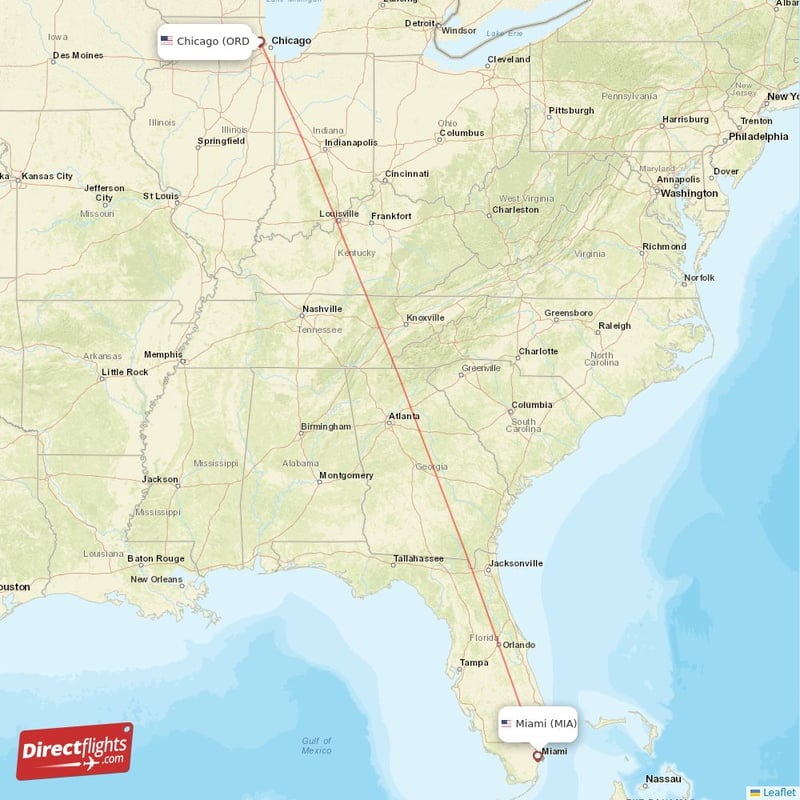
- Atlanta: As one of the world’s busiest airports, ATL is a primary hub for Delta Air Lines and offers numerous connections.
- Charlotte: Charlotte Douglas International Airport (CLT) is a major hub for American Airlines, providing many options for travelers.
- Dallas/Fort Worth: Dallas/Fort Worth International Airport (DFW) is another significant American Airlines hub, frequently used for east-to-midwest connections.
- Houston: George Bush Intercontinental Airport (IAH) serves as a key hub for United Airlines, connecting various routes across the country.
Factors Influencing Your Overall Travel Experience
While the flight time is a critical metric, it represents only a portion of the entire travel journey. A holistic view requires considering the time spent before and after the flight, which can significantly add to the total duration.
Getting To and From the Airport
The journey begins long before boarding and ends well after deplaning.
- Ground Transportation in Miami: Depending on your starting point, whether it’s South Beach, Downtown Miami, or other surrounding areas, traffic can be notoriously heavy, especially during peak hours. Budgeting ample time for ride-sharing services like Uber or Lyft, airport shuttles, or public transport such as the Metrorail is crucial.
- Ground Transportation in Chicago: Similarly, navigating from O’Hare International Airport (ORD) or Midway International Airport (MDW) to your final destination in the Loop, River North, or other neighborhoods can take significant time. Chicago’s public transit system, especially the CTA Blue Line for O’Hare and Orange Line for Midway, offers reliable options, but taxi or ride-share services can face traffic congestion.
Airport Experience
The time spent within the airport terminals contributes significantly to the overall travel duration.
- Security Checkpoints: Depending on the time of day and travel season, security lines at both MIA and ORD/MDW can be lengthy. Programs like TSA PreCheck or Clear can help expedite this process.
- Check-in and Bag Drop: Even with online check-in, dropping off checked luggage can sometimes involve queues.
- Boarding and Deplaning: The boarding process typically begins 30-45 minutes before departure, and deplaning and taxiing after landing also add time before you can exit the aircraft.
- Baggage Claim: Waiting for luggage at the carousel can add another 15-30 minutes to your arrival process.
Time Zone Changes
Miami operates on Eastern Time (ET), while Chicago observes Central Time (CT). This means there’s a one-hour difference, with Chicago being one hour behind Miami. While the flight is roughly 3 hours, your clock will only advance by approximately 2 hours if flying from Miami to Chicago. This time shift is crucial to remember when planning arrivals, meetings, or connecting ground transportation.
Tips for a Smoother Flight Experience
Optimizing your journey from Miami to Chicago goes beyond merely knowing the flight time. Strategic planning can enhance comfort and minimize potential stressors.
Booking Strategy
- Book in Advance: Generally, booking your flight several weeks or even months ahead can secure better fares and provide more seat selection options, especially for popular routes.
- Consider Off-Peak Travel: Flying on Tuesdays, Wednesdays, or Saturdays, or during early morning or late-night hours, often results in fewer crowds and potentially lower prices.
- Utilize Flight Comparison Sites: Websites that compare fares across multiple airlines can help you find the best deals, balancing cost with convenience and preferred flight times.
Before You Go
- Check Flight Status: Always verify your flight’s status on the airline’s website or app before heading to the airport. This can alert you to any delays or gate changes.
- Pack Smart: Decide whether a carry-on is sufficient or if you’ll need to check a bag. Packing light can save time at baggage claim.
- Pre-book Airport Transfers: Arranging your ride to and from the airport in advance can prevent last-minute scrambling and ensure a timely arrival or departure.
- Have Documents Ready: Keep your ID, boarding pass, and any other necessary travel documents easily accessible for smooth check-in and security processes.
During the Flight
- Stay Hydrated: Air travel can be dehydrating. Drink plenty of water before and during your flight.
- In-Flight Entertainment: Most major airlines offer some form of entertainment. Alternatively, bring a good book, download movies, or prepare a playlist to make the time fly by.
- Stretch and Move: Even on a relatively short flight, getting up to stretch or doing some in-seat exercises can improve circulation and comfort.
Choosing Your Chicago Airport
Chicago is served by two primary airports: O’Hare International Airport (ORD) and Midway International Airport (MDW).
- O’Hare (ORD): Larger, typically handles more international and full-service domestic flights. It’s further from downtown Chicago but has excellent public transport connections.
- Midway (MDW): Closer to downtown Chicago, often favored by budget airlines like Southwest Airlines and Spirit Airlines.
Your choice between ORD and MDW should factor in your final destination within Chicago, the airline you’re flying with, and your tolerance for airport size and crowds.

Airline Choice
Several airlines offer direct and connecting flights between Miami and Chicago, including American Airlines, United Airlines, Southwest Airlines, Spirit Airlines, and Frontier Airlines. Each has different amenities, baggage policies, and fare structures. Consider which airline best aligns with your priorities, whether it’s cost, comfort, or loyalty programs.
In conclusion, a direct flight from Miami to Chicago is typically a quick 3-hour journey in the air. However, the complete travel experience encompasses much more, from airport logistics to time zone adjustments. By understanding these various components and planning accordingly, travelers can ensure a smooth and enjoyable transition from the vibrant energy of Miami to the dynamic metropolis of Chicago.
LifeOutOfTheBox is a participant in the Amazon Services LLC Associates Program, an affiliate advertising program designed to provide a means for sites to earn advertising fees by advertising and linking to Amazon.com. Amazon, the Amazon logo, AmazonSupply, and the AmazonSupply logo are trademarks of Amazon.com, Inc. or its affiliates. As an Amazon Associate we earn affiliate commissions from qualifying purchases.