
Navigating Perceptions: Chicago’s Safety Profile in the Public Eye
The question “How many homicides in Chicago this year?” is one that often surfaces in public discourse, frequently shaping perceptions of the Windy City on a national and international scale. Media headlines, while drawing attention to serious issues, sometimes present a monolithic view that can overshadow the vibrant reality and diverse experiences within one of America’s most dynamic urban centers. For anyone considering a visit, a business trip, or even a relocation, understanding the nuanced truth behind these statistics is crucial for making informed lifestyle decisions. Chicago’s reputation as a major metropolitan hub for culture, commerce, and innovation often contends with a pervasive narrative about crime. This narrative, while rooted in real challenges, rarely reflects the day-to-day safety and quality of life experienced by the vast majority of residents and visitors across its many distinct neighborhoods.
The impact of these perceptions on lifestyle choices is significant. Potential tourists might hesitate, businesses might reconsider investment, and families might weigh their options when contemplating a move. However, much like any large global city, Chicago’s safety profile is complex and geographically varied. Major tourist attractions, bustling business districts, and affluent residential areas often maintain a level of safety comparable to, or even exceeding, those in other major U.S. cities. The challenge lies in distinguishing between generalized statistical trends and the specific realities that affect individual lifestyle experiences. By delving deeper into the data and understanding the city’s geographical layout, one can gain a more accurate and balanced perspective, allowing for confident planning of travel, work, and life within its diverse landscape.
Deciphering the Data: What Crime Statistics Mean for Your Chicago Lifestyle
To accurately answer the question of how many homicides occur in Chicago in any given year, one must consult official, up-to-date sources. The Chicago Police Department provides comprehensive, regularly updated crime statistics that are accessible to the public, offering transparency into the city’s safety landscape. Additionally, national organizations like the FBI also collect and disseminate Uniform Crime Reporting (UCR) data, allowing for comparisons across different municipalities and providing a broader context for local figures. When examining these statistics, it’s imperative to consider several factors beyond the raw numbers themselves.
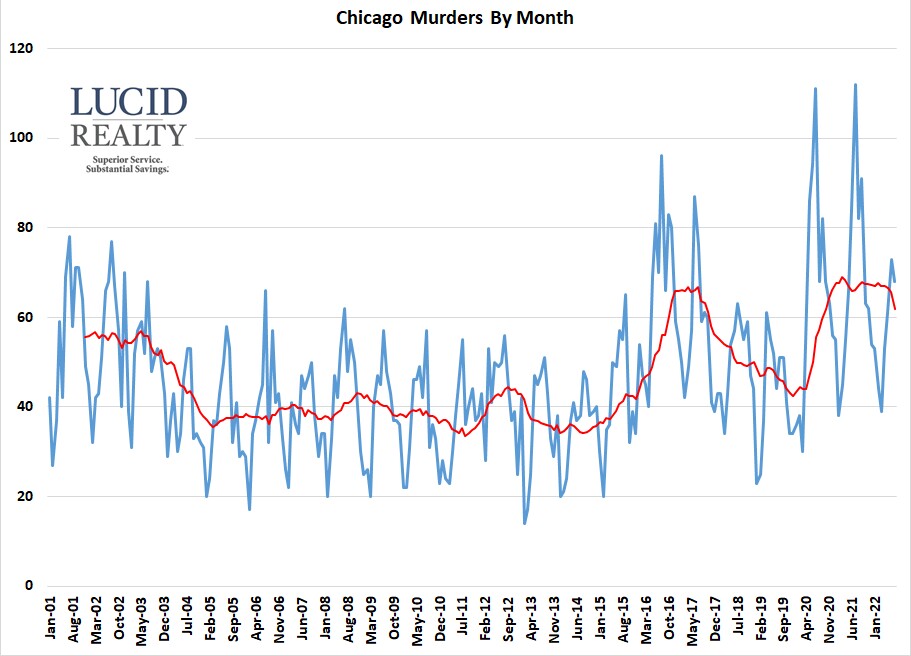
Firstly, understanding historical trends is key. Homicide rates, like other crime metrics, fluctuate year-to-year due to a myriad of socioeconomic factors, policy changes, and community dynamics. A single year’s figures, without context, can be misleading. Comparing current numbers to previous years, and even to decades past, can reveal patterns of increase or decrease that offer a more insightful perspective into the city’s overall trajectory. Secondly, national comparisons are vital. Chicago, as the third-largest city in the United States, naturally registers higher absolute numbers of various crimes than smaller cities. However, when crime rates are adjusted per capita, Chicago’s position relative to other large cities often shifts, presenting a less sensationalized and more accurate picture of its safety profile.
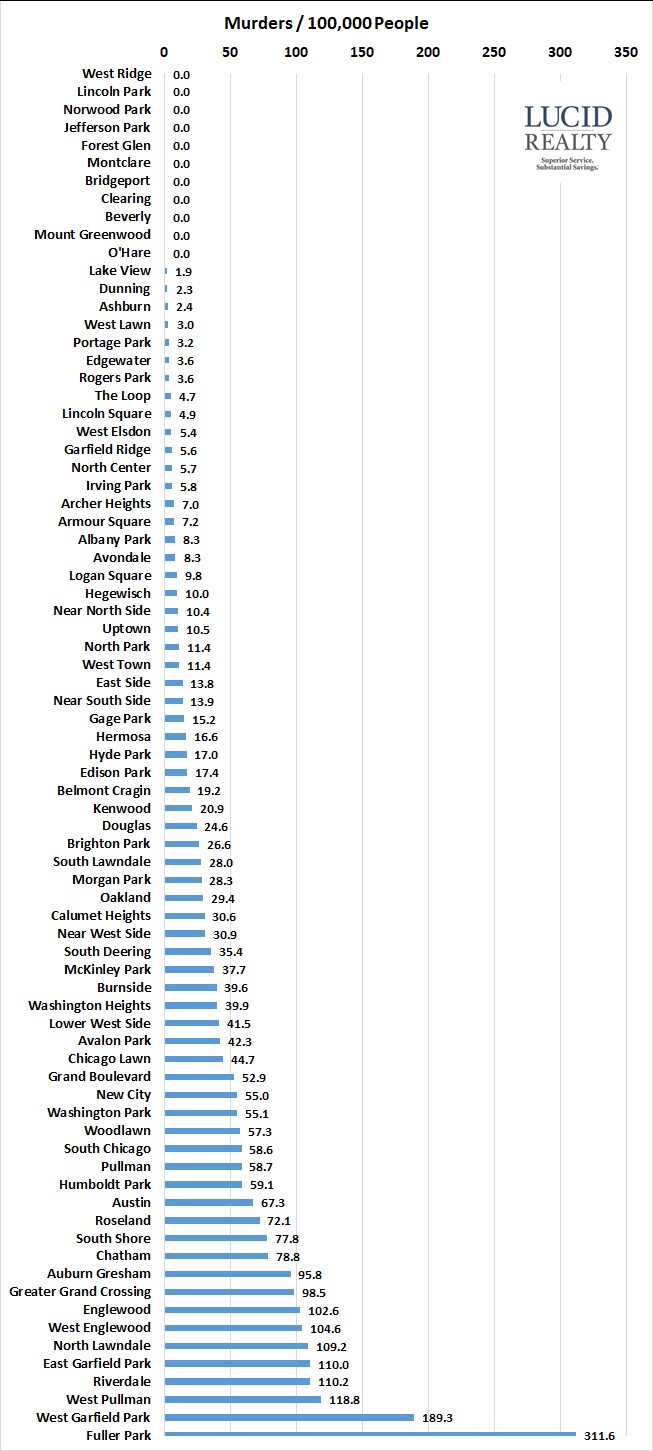
Most importantly for lifestyle planning, the geographical distribution of crime within Chicago is a critical, often overlooked, detail. Chicago is a vast metropolis comprising over 200 distinct neighborhoods, each with its unique character, demographics, and safety considerations. Homicides and other violent crimes are, unfortunately, not evenly distributed across this expansive area. Historically, these incidents have been concentrated in specific neighborhoods, often those grappling with long-standing issues of poverty, lack of opportunity, and systemic disenfranchisement. The downtown core, major tourist corridors, and many of the popular residential areas that attract visitors and new residents often maintain significantly lower crime rates, particularly for violent offenses, compared to the city-wide average. Therefore, for someone planning a visit to Millennium Park, a business stay in The Loop, or a family trip to Lincoln Park Zoo, the general city-wide homicide statistic may not be directly indicative of the safety they will experience in their chosen locale. Understanding this spatial variance allows for a more targeted and realistic assessment of risk, enabling individuals to confidently engage with the city’s offerings.
Lifestyle Choices and Urban Awareness: Experiencing Chicago Safely
Navigating any major urban environment requires a degree of situational awareness, and Chicago is no exception. For every lifestyle choice – whether you’re a tourist exploring landmarks, a professional on a business trip, or a family considering relocation – a thoughtful approach to urban safety enhances the overall experience.
For the Leisure Traveler and Sightseer
For those visiting Chicago for leisure, the primary areas of interest are typically well-patrolled, highly visible, and generally very safe. Iconic destinations such as the Magnificent Mile, home to world-class shopping and dining, the architectural marvels around Millennium Park and Grant Park, the family-friendly attractions of Navy Pier, and the cultural institutions within the Museum Campus (including the Shedd Aquarium, Field Museum, and the Adler Planetarium), all benefit from significant visitor traffic and dedicated security measures. Similarly, the Art Institute of Chicago and the vibrant theatre district are popular, well-maintained areas. Visitors should exercise the same precautions they would in any large city: be aware of your surroundings, avoid walking alone late at night in unpopulated areas, and keep valuables secure. Public transportation, including the ‘L’ train and bus system, is extensive and generally safe, especially during peak hours, but taxis and ride-sharing services are readily available, particularly after dark.
For the Business Professional and Potential Resident
Business professionals often find themselves in The Loop, Streeterville, and River North – districts characterized by skyscrapers, corporate headquarters, convention centers, and upscale hotels. These areas are highly active during the day and often into the evening, with a strong police presence. For those considering longer-term stays or family relocation, the choice of neighborhood becomes paramount. Many residential areas like Lincoln Park, Lakeview, Wicker Park, and Hyde Park offer diverse communities with varying amenities, excellent schools, and established safety records. Researching specific neighborhood crime statistics, local community reviews, and engaging with real estate professionals who understand local safety dynamics are invaluable steps. Commuting by public transport during business hours or utilizing car services remains a secure option.
Practical Tips for Everyday Safety in the Windy City
Regardless of your reason for being in Chicago, adopting general urban safety practices can enhance your experience:
- Stay Aware: Pay attention to your surroundings, especially when distracted by your phone.
- Secure Valuables: Keep wallets, phones, and other expensive items out of plain sight and in secure pockets or bags.
- Trust Your Instincts: If a situation or area feels unsafe, remove yourself from it.
- Travel Smart: Plan your routes, especially at night. Utilize well-lit, populated streets. When using ride-sharing apps, verify the driver and vehicle before entering.
- Emergency Preparedness: Know how to contact emergency services (911 in the U.S.) and identify nearest police stations or public safety points if needed. Many public areas, including major transportation hubs like O’Hare International Airport and Midway International Airport, have robust security.

Beyond the Statistics: Chicago’s Resilient Spirit and Community Initiatives
While the question of homicide rates is a serious one that warrants transparent discussion, it is equally important to acknowledge the holistic picture of Chicago. This city on the shores of Lake Michigan, in the state of Illinois, is far more than its crime statistics. It is a world-renowned center for architectural innovation, a culinary destination offering everything from Michelin-starred restaurants to iconic deep-dish pizza, and a cultural powerhouse with a thriving arts scene, numerous museums, and live music venues. The friendly spirit of its residents and the palpable sense of community pride are defining characteristics that often get lost in broader narratives.
Moreover, Chicago is a city actively engaged in addressing its challenges. Numerous community organizations, grassroots initiatives, and city programs are working tirelessly to tackle the root causes of violence, focusing on economic development, educational opportunities, youth mentorship, and mental health services in underserved neighborhoods. These efforts reflect a deep commitment from the city and its citizens to build a safer, more equitable future for all. For anyone making lifestyle decisions about Chicago, it’s crucial to look beyond sensational headlines and consider the full spectrum of experiences and realities the city offers. With informed awareness and a practical approach to urban living, Chicago continues to be an extraordinary place to visit, work, and call home.
LifeOutOfTheBox is a participant in the Amazon Services LLC Associates Program, an affiliate advertising program designed to provide a means for sites to earn advertising fees by advertising and linking to Amazon.com. Amazon, the Amazon logo, AmazonSupply, and the AmazonSupply logo are trademarks of Amazon.com, Inc. or its affiliates. As an Amazon Associate we earn affiliate commissions from qualifying purchases.