
The Oregon Trail is more than just a video game; it’s a foundational piece of educational software that simulated the arduous journey faced by pioneers in the 19th century. While its modern iterations offer a more polished experience, the core gameplay remains a compelling blend of resource management, decision-making, and historical immersion. This guide aims to equip you with the knowledge to navigate the digital plains, from initial preparations to reaching the promised land of Oregon City.
Embarking on the Journey: Initial Preparations
The success of your Oregon Trail expedition hinges on meticulous planning before you even set foot on the trail. The game typically begins with you choosing your starting profession, which significantly impacts your initial capital and potential skills.
Choosing Your Profession
Each profession offers a distinct advantage:
- Banker: Starts with the most money, ideal for purchasing ample supplies and hiring skilled wagon hands. However, bankers often possess fewer practical skills for the trail.
- Carpenter: Possesses a moderate amount of money and excels at repairing the wagon and its components. This can save significant costs on the trail.
- Farmer: Starts with the least money but gains bonuses in food production and has a higher chance of surviving sickness, as they are accustomed to manual labor and potentially poorer living conditions.
Consider your playstyle. If you prefer to buy your way through challenges, the banker is a good choice. If you enjoy a more self-sufficient and resourceful approach, the farmer or carpenter might be more appealing.
Stocking Your Wagon: Essential Supplies
Once your profession is chosen, the crucial phase of provisioning begins. The general store at Independence, Missouri is your first stop. Overstocking can be as detrimental as understocking, as a heavier wagon moves slower and consumes more resources.
Key Supplies to Prioritize:
- Food: The most critical resource. Aim for at least 200 lbs per person to start, and plan to replenish it through hunting and trading. Running out of food leads to starvation, sickness, and potentially death.
- Clothing: Essential for surviving varying weather conditions. Purchase at least two sets of clothing per person. Insufficient clothing can lead to hypothermia, especially during river crossings or unexpected cold snaps.
- Ammunition: Vital for hunting game to supplement your food supply. Don’t skimp on this, especially if you plan on relying on hunting. A good starting amount would be around 1000 bullets.
- Spare Parts: Wagons are prone to breaking down. Essential spare parts include:
- Wagon Wheels: The most common part to break.
- Wagon Tongues: Another frequent point of failure.
- Axles: Less common but critical when they fail.
Having spares drastically reduces downtime and the need for costly repairs or prolonged delays.
- Medical Supplies: While not always a direct purchase item, be prepared for sickness. Antidotes, medicine, and bandages are crucial for treating ailments.
The Art of Balancing:
It’s a delicate balance. You need enough to survive, but too much weight will slow you down. Learn to estimate the needs of your party based on the number of people, the time of year, and your intended pace. Remember, you can always purchase more supplies at forts and trading posts along the way.
Navigating the Trail: Challenges and Strategies
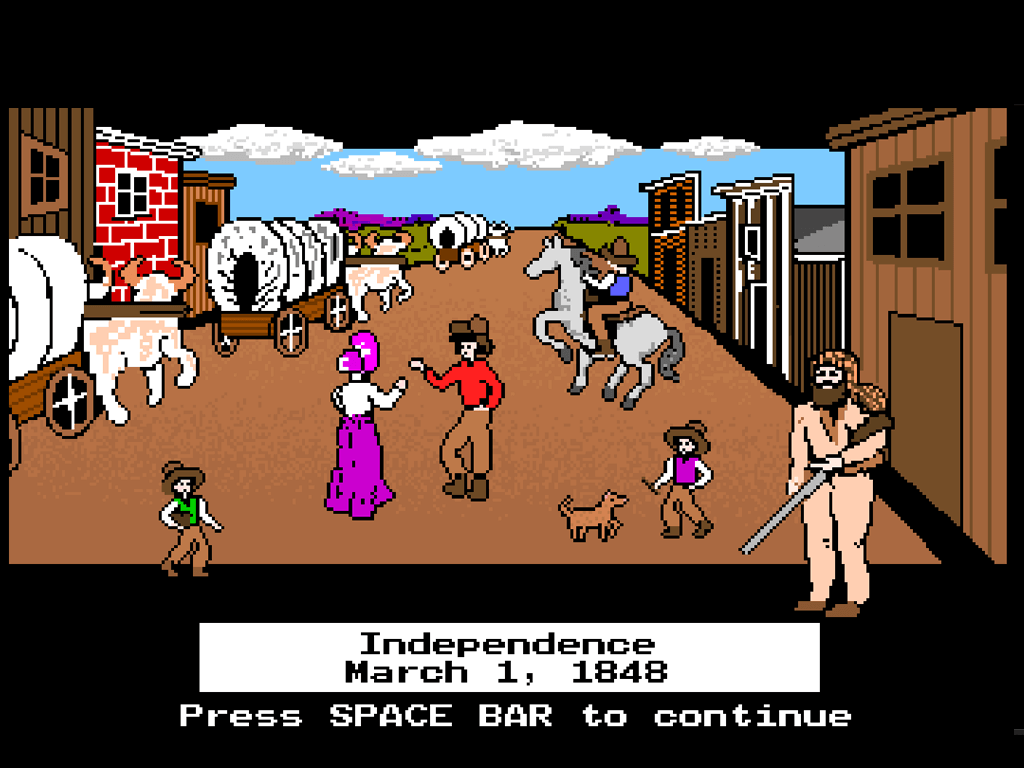
The journey from Independence, Missouri to the Willamette Valley is fraught with peril. Success requires constant vigilance and adaptability.
Daily Life on the Trail
Each day presents choices:
- Pace: You can choose to travel at a steady pace, a brisk pace, or to rest. Brisk pace covers more ground but consumes more food and increases the risk of accidents and illness. Resting allows your party to recover from sickness and fatigue.
- Rations: You can set your daily rations to meager, normal, or filling. Meager rations save food but increase the likelihood of starvation and sickness. Filling rations consume more food but keep your party healthier.
- Forage/Hunt: When you stop, you’ll have opportunities to hunt for game or forage for edible plants. Hunting is a primary source of food and ammunition can be spent here. Successful hunting can significantly boost your provisions.
Hazards and How to Mitigate Them
The trail is littered with potential dangers:
- Sickness: Dysentery, cholera, measles, typhoid fever, and snakebite are common ailments. Good rations, adequate clothing, and timely rest can help prevent sickness. When it strikes, use medical supplies wisely. Sometimes, it’s best to rest and hope for natural recovery.
- Wagon Breakdowns: Wheels, tongues, and axles can break, especially when traveling at a brisk pace or over rough terrain. Use your spare parts or pay for repairs at forts.
- River Crossings: Many rivers must be crossed, some of which can be dangerous. You can choose to caulk the wagon and float, ford the river, or pay for a ferry. Floating is risky but potentially faster. Fording is safer but can be impossible if the river is too deep or fast. Ferries are expensive but the safest option. Assess the river’s depth and current carefully.
- Landmarks and Obstacles: Landmarks like Chimney Rock and Fort Laramie serve as important waypoints. Other obstacles include difficult terrain, weather, and potential encounters with Native American tribes (often depicted as trading opportunities or, in earlier versions, hostile encounters).
- Wandering Off: Sometimes party members might wander off. This can lead to them getting lost, injured, or even dying. Keeping them close and monitoring their well-being is important.
Managing Resources
- Food: Constantly monitor your food supply. Hunt frequently and trade for food at forts. Don’t be afraid to adjust your rations based on your current stock and proximity to a replenishing source.
- Money: Your initial capital is finite. Spend wisely on essential supplies. Repairs can be costly, so preventive maintenance (having spare parts) is key.
- Health: Keep an eye on the health status of each party member. Resting, good food, and prompt medical attention are crucial. The loss of a skilled hunter or wagon hand can be a significant blow.
Reaching the Destination: The Final Stretch
The journey is long, and the final miles can be just as challenging as the first.
The Last Leg of the Journey
As you approach the Willamette Valley, the landscape may change, and weather conditions can become more unpredictable. Continue to manage your resources diligently. Even with a strong start, a lapse in judgment in the final stretch can be disastrous.
Surviving the Winter
If your journey extends into the winter months, survival becomes significantly more difficult. Food becomes scarce, and the cold poses a severe threat. Traveling during winter is generally not advised, and the game often penalizes or outright prevents progress during the harshest months. Resting at a fort or a suitable location until spring is often the wisest strategy.
Arrival and Legacy
Upon reaching the Willamette Valley, the game typically concludes by tallying your score based on the number of party members who survived, the amount of money you have left, and the overall health and preparedness of your group. The ultimate goal is not just survival, but a successful and prosperous settlement in the new territory.
The Oregon Trail teaches invaluable lessons about planning, resilience, and the harsh realities of pioneering life. By understanding the core mechanics of resource management, risk assessment, and strategic decision-making, you can increase your chances of a successful journey and experience a piece of American history in a unique and engaging way. Remember, the trail is unforgiving, but with careful preparation and a bit of luck, your wagon can make it to Oregon City.
LifeOutOfTheBox is a participant in the Amazon Services LLC Associates Program, an affiliate advertising program designed to provide a means for sites to earn advertising fees by advertising and linking to Amazon.com. Amazon, the Amazon logo, AmazonSupply, and the AmazonSupply logo are trademarks of Amazon.com, Inc. or its affiliates. As an Amazon Associate we earn affiliate commissions from qualifying purchases.