
Montana, a state synonymous with vast, untamed wilderness and breathtaking natural beauty, often conjures images of snow-capped peaks and crisp, winter air. But for those planning a visit, or perhaps contemplating a more permanent relocation, a more specific understanding of its frigid reputation is crucial. “How cold does Montana get?” is a question that deserves a detailed answer, as the state’s climate is as varied as its dramatic landscapes, influenced by elevation, proximity to mountain ranges, and continental air masses. Understanding these nuances is key to appreciating the true character of the Big Sky Country and preparing for any potential Montana adventure.
Understanding Montana’s Climatic Diversity
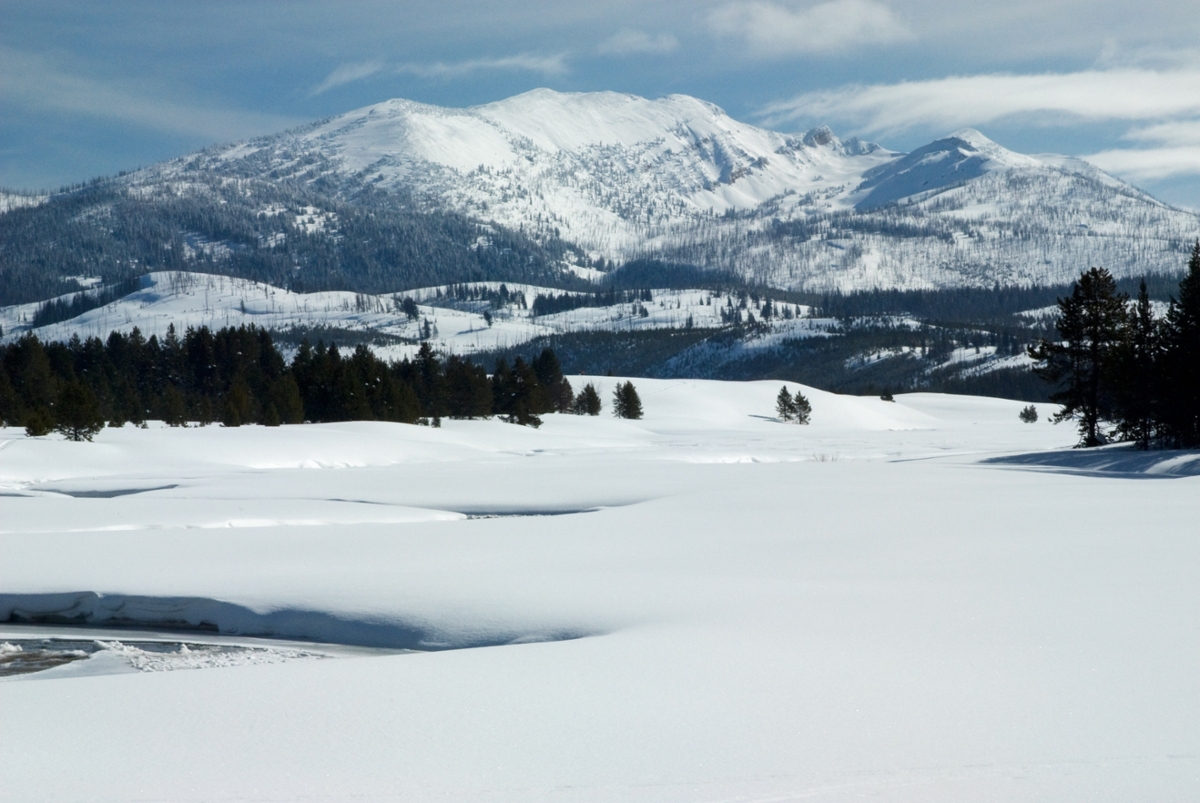
Montana’s immense geographical spread, spanning over 147,000 square miles, means its climate is far from uniform. The state is broadly divided by the Rocky Mountains, creating a distinct difference between the western, mountainous regions and the eastern, high plains. This geographical divide significantly impacts temperature ranges, precipitation, and the intensity of winter conditions.
Western Montana: The Mountain Influence
The western part of Montana is dominated by the towering Rocky Mountains. This region, including areas around Glacier National Park and cities like Missoula, experiences more extreme temperature fluctuations and heavier snowfall due to its higher elevations. The mountains act as a barrier, influencing weather patterns and creating microclimates.
Alpine and Subalpine Zones
At higher elevations, above the tree line, Montana can experience true alpine conditions. Temperatures here can plummet well below freezing for extended periods, even during the shoulder seasons. Snowfall can be abundant and persistent, transforming landscapes into winter wonderlands but also posing significant challenges for travel and outdoor activities. Visitors to areas like the Going-to-the-Sun Road in Glacier National Park during the colder months will find it closed, a testament to the severe winter conditions.
Valley Towns and Lower Elevations
Even in the valleys of western Montana, such as those around Helena and Butte, winter temperatures are considerably colder than in many other parts of the United States. Daytime highs can hover in the teens and single digits Fahrenheit, with overnight lows frequently dropping into negative double digits. The presence of mountain ranges means that cold air can become trapped in valleys, leading to prolonged periods of frost and ice.
Eastern Montana: The High Plains Experience
East of the Continental Divide, Montana transitions into rolling hills and expansive plains. Cities like Billings, Great Falls, and Miles City are situated in this region. While still experiencing significant winter weather, the eastern plains are characterized by a drier climate and more pronounced continental influence, meaning extreme temperature swings are common.
Continental Air Masses and Extreme Swings
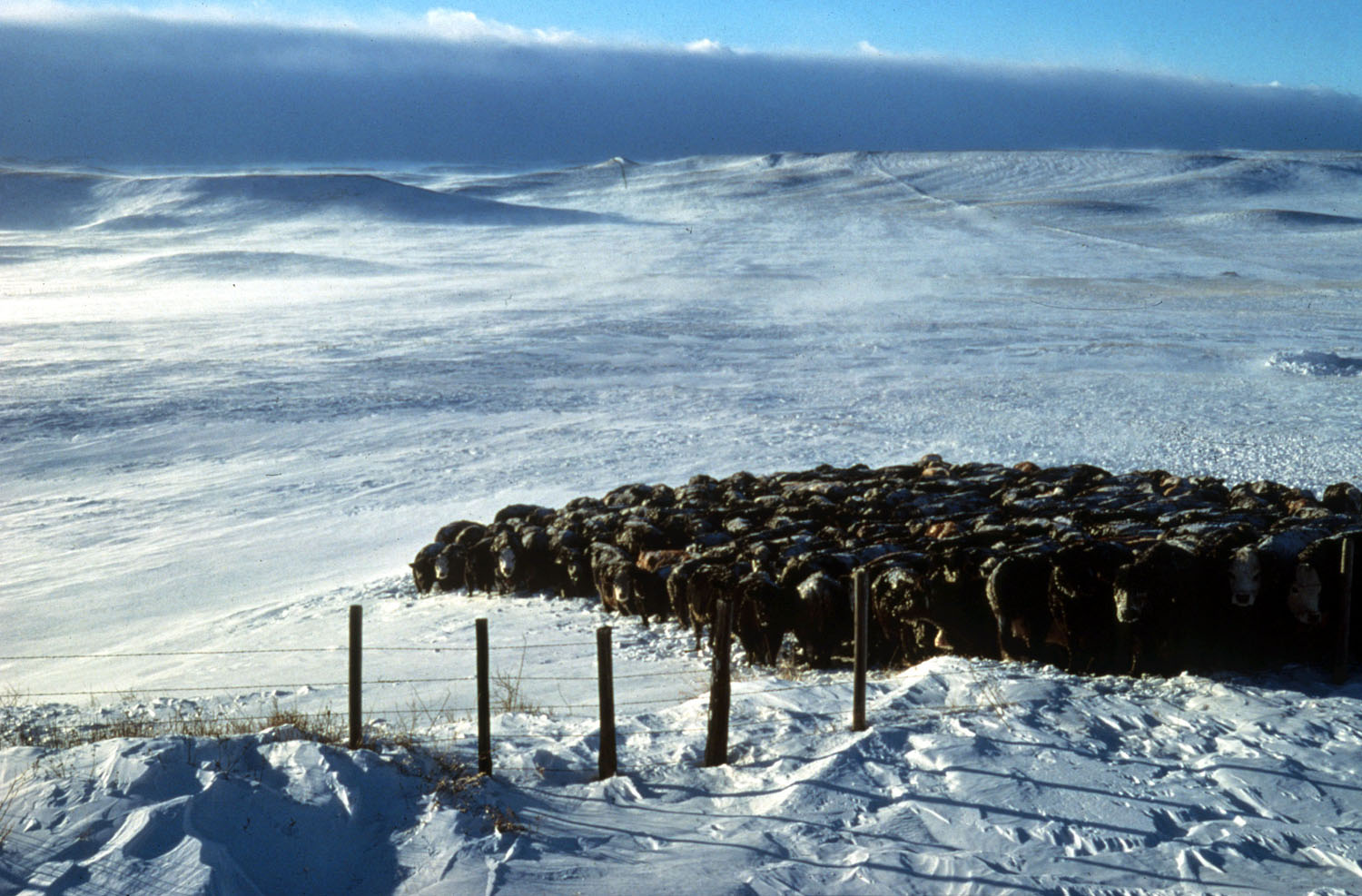
The eastern plains are more directly exposed to cold arctic air masses that can sweep down from Canada. These intrusions can cause dramatic and rapid temperature drops. It’s not uncommon for temperatures to fall by 30-50 degrees Fahrenheit in a matter of hours. While the average winter temperatures might seem comparable to some western valleys, the intensity of these cold snaps can be more severe. Blizzards are a significant concern in this region, with strong winds exacerbating the already frigid conditions.
Impact of Chinook Winds
A unique climatic phenomenon that impacts both western and eastern Montana, though perhaps more noticeably felt in certain areas like Chinook, Montana, is the Chinook wind. These warm, dry downslope winds originate on the western slopes of the Rocky Mountains and can dramatically raise temperatures in a matter of hours, melting snow and providing temporary relief from the deep cold. While they can be a welcome respite, they also contribute to the extreme temperature variability experienced in the state.
Quantifying the Cold: Average Temperatures and Record Lows
To truly grasp “how cold does Montana get,” examining average temperatures and historical record lows provides concrete data. These figures offer a realistic perspective for planning and packing.
Average Winter Temperatures
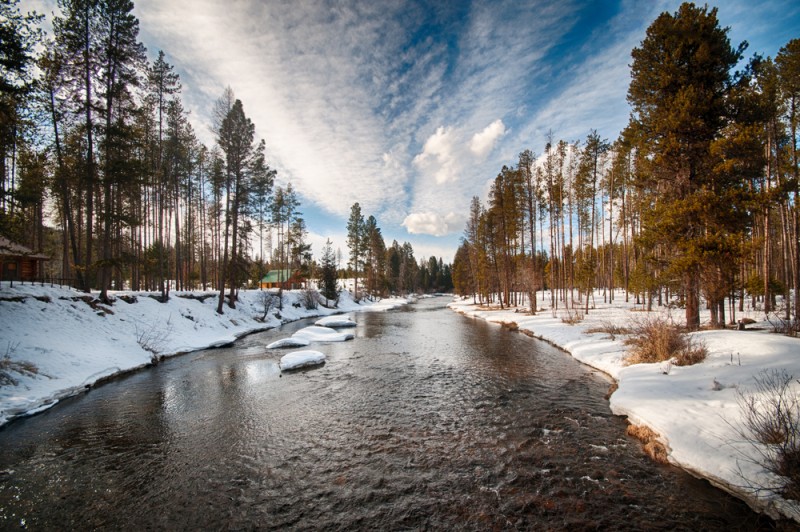
During the core winter months of December, January, and February, average daily temperatures across Montana often range from the single digits to the low 20s Fahrenheit. However, this is an average, and the reality on the ground can be far colder.
Daytime Highs
On a typical winter day, daytime highs in populated areas might range from 15°F to 30°F. However, during cold snaps, these highs can struggle to break 0°F.
Overnight Lows
Overnight lows are where the true severity of a Montana winter is most evident. It is common for temperatures to dip to 0°F to -10°F on many winter nights. In the more remote or higher-elevation areas, lows of -20°F to -30°F are not unusual.
Record-Breaking Cold
Montana holds a reputation for extreme cold, and its record lows attest to this. The state’s all-time lowest temperature was recorded in Rogers Pass on January 20, 1954, a staggering -70°F. While this is an extreme outlier, it illustrates the potential for frigid conditions. Numerous other locations have recorded temperatures below -50°F. These record lows are usually associated with strong arctic air outbreaks that settle over the state for days.
Preparing for a Montana Winter: Practical Considerations
Understanding the potential for extreme cold in Montana is essential for travelers and residents alike. Proper preparation can transform a potentially challenging experience into a memorable adventure.
Clothing and Gear
Layering is the golden rule for dressing in Montana during winter. Start with a moisture-wicking base layer, followed by an insulating middle layer (like fleece or down), and top it off with a waterproof and windproof outer shell. Crucial items include:
- Insulated, waterproof boots: Essential for keeping feet warm and dry.
- Warm hat and gloves: Covering extremities is vital, as they are most susceptible to frostbite.
- Scarf or neck gaiter: To protect the face and neck from biting winds.
- Thermal underwear: For an extra layer of warmth.
- Wool or fleece socks: Avoid cotton, as it holds moisture and can make feet cold.
Travel and Transportation
Winter driving in Montana can be hazardous. Roads are often snow-covered or icy, and visibility can be reduced by snow or fog.
- Vehicle preparedness: Ensure your vehicle has good tires (snow tires are recommended), a full tank of gas, and an emergency kit including blankets, food, water, a first-aid kit, a flashlight, and jumper cables.
- Check road conditions: Always check Montana Department of Transportation (MDT) road reports before setting out.
- Allow extra time: Journeys that might take a few hours in other seasons can take significantly longer in winter.
Activities and Experiences
Despite the cold, Montana offers a wealth of winter activities.
- Skiing and Snowboarding: Resorts like Big Sky Resort, Bridger Bowl Ski Area, and Whitefish Mountain Resort offer world-class skiing and snowboarding opportunities.
- Snowshoeing and Cross-Country Skiing: Miles of trails in national forests and state parks provide opportunities for exploration.
- Ice Fishing: A popular pastime on frozen lakes.
- Wildlife Viewing: Winter is a prime time to spot animals like elk, bison, and wolves in places like Yellowstone National Park (accessible via Gardiner or West Yellowstone in winter).
- Hot Springs: Soaking in Montana’s natural hot springs, such as those near Bozeman or Livingston, offers a warm and therapeutic escape from the cold.
Beyond the Cold: The Allure of a Montana Winter
While the question of “how cold does Montana get?” is paramount for practical planning, it’s equally important to appreciate the profound beauty and unique experiences that this intense cold enables. The crisp air, the silenced landscape under a blanket of snow, and the clarity of the night sky are all part of the magic. From the dramatic landscapes of Glacier National Park dusted in white to the cozy warmth of a lodge fireplace in Big Sky, a Montana winter is an experience that, when properly prepared for, can be profoundly rewarding. The cold is not just a statistic; it is an integral element of the state’s wild and captivating character, shaping its natural wonders and the resilient spirit of its people.
LifeOutOfTheBox is a participant in the Amazon Services LLC Associates Program, an affiliate advertising program designed to provide a means for sites to earn advertising fees by advertising and linking to Amazon.com. Amazon, the Amazon logo, AmazonSupply, and the AmazonSupply logo are trademarks of Amazon.com, Inc. or its affiliates. As an Amazon Associate we earn affiliate commissions from qualifying purchases.