
Planning a trip to the vibrant metropolis of Chicago, Illinois, often begins with a fundamental question: “How far is it?” While a seemingly simple query, the answer is multifaceted, depending entirely on your point of origin and chosen mode of transport. Understanding the distance is the first step in mapping out your adventure to this iconic Midwest hub, known for its stunning architecture, world-class museums, and unforgettable culinary scene.
The Allure of the Windy City: Why Chicago beckons
Before delving into the specifics of mileage, it’s worth briefly considering what makes Chicago such a magnetic destination. Nestled on the shores of Lake Michigan, it stands as a testament to American ingenuity and culture. From the towering heights of the Willis Tower and the John Hancock Center to the artistic masterpieces at the Art Institute of Chicago and the serene beauty of Millennium Park, the city offers an unparalleled array of experiences. Its reputation for deep-dish pizza, blues and jazz music, and a thriving sports culture means that a journey to Chicago is never just about the destination, but the immersive experiences awaiting upon arrival. This rich tapestry of attractions drives millions to calculate their travel plans, making the “how many miles” question a crucial starting point for any traveler.

Calculating Your Journey: Distance by Origin
The actual mileage to Chicago varies dramatically based on where your journey begins. The United States is vast, and a trip from one coast will naturally be a significantly longer undertaking than one from a neighboring state.
From Major U.S. Hubs
To provide a practical perspective, here are approximate driving distances from several key cities across the United States to Chicago, offering a clear picture for road trippers:
- From New York City, New York: Approximately 790 miles. This is a journey that typically takes 12-13 hours of non-stop driving, often spanning two days with an overnight stop.
- From Los Angeles, California: Around 2,000 miles. A significant cross-country trek, requiring at least 30-32 hours of driving time, spread over 3-4 days.
- From Miami, Florida: Roughly 1,380 miles. This trip often takes 20-22 hours of driving, best broken up into two days.
- From Dallas, Texas: Approximately 930 miles. A substantial drive of about 14-15 hours, often completed over two days.
- From Denver, Colorado: Around 1,000 miles. Expect about 15-16 hours of driving, suggesting a two-day journey.
- From Minneapolis, Minnesota: Roughly 400 miles. This is a manageable 6-7 hour drive, making it a popular weekend road trip option.
- From St. Louis, Missouri: Just under 300 miles. A quick 4-5 hour drive, perfect for a day trip or short getaway.
These distances serve as a guide, and actual travel times will depend on factors like traffic, rest stops, and specific routes chosen.
International Perspectives
For international travelers, the concept of “miles to Chicago” translates more accurately into flight time and layovers. From major European hubs like London or Paris, direct flights typically range from 7 to 9 hours. From Asia, flights can be anywhere from 12 to 16+ hours, often involving connecting flights. While the mileage is substantial, air travel significantly compresses the journey time, making Chicago accessible from virtually anywhere in the world.
Modes of Travel: Beyond Just Miles
Understanding the sheer mileage is only one piece of the puzzle. How you choose to cover those miles profoundly impacts your travel experience, budget, and time commitment.
By Air: The Fastest Route
For those prioritizing speed, flying is undoubtedly the best option. Chicago is served by two major airports: O’Hare International Airport (ORD), one of the busiest airports in the world, and Midway International Airport (MDW), a smaller but often more convenient option, especially for domestic travel.
- Flight Times: From New York City, a flight to Chicago is approximately 2-2.5 hours. From Los Angeles, it’s about 4 hours. These times do not include airport security, boarding, or travel to and from the airport.
- Booking Tips: For the best fares, book flights several weeks or months in advance, especially if traveling during peak season or holidays. Consider flying into Midway International Airport if your origin city offers it, as it’s closer to downtown Chicago and often has shorter lines.
By Road: The Classic American Road Trip
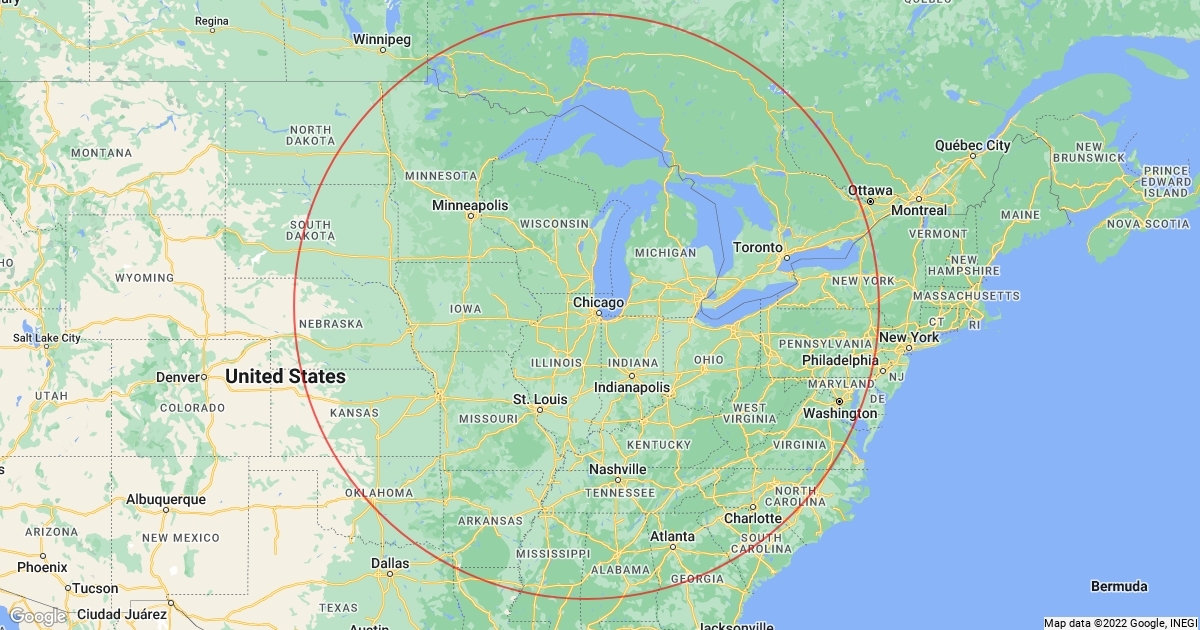
Driving offers flexibility, allowing travelers to set their own pace and explore points of interest along the way. For many, the journey itself is part of the vacation.
- Driving Experience: A road trip to Chicago can be an opportunity to discover small towns, national parks, and unique roadside attractions. Routes from the East Coast often involve traversing scenic landscapes and historic cities, while those from the West reveal diverse terrains and expansive vistas.
- Considerations: Factor in fuel costs, potential tolls (especially around metropolitan areas), and the need for overnight stops on longer journeys. Regular breaks are crucial for safety and enjoyment. Using GPS or mapping apps can help identify optimal routes and avoid traffic.
By Rail: A Journey Through Scenery
For a more relaxed travel experience, consider taking the train. Amtrak serves Chicago’s Union Station, a magnificent Beaux-Arts landmark in the heart of the city.
- Comfort and Views: Train travel offers ample legroom, dining cars, and the chance to view the passing landscape without the stress of driving. Routes like the Lake Shore Limited from New York or Boston, or the California Zephyr from the West, provide picturesque journeys.
- Duration: Train journeys are typically longer than driving, often significantly so. For example, the trip from New York City can take 18-20 hours. However, the comfort and unique experience make it a worthwhile choice for many.
By Bus: Budget-Friendly Travel
Bus services like Greyhound and Megabus offer an economical way to reach Chicago from various cities across the United States.
- Affordability: Bus tickets are generally the most budget-friendly option, particularly for last-minute travel.
- Duration: Like train travel, bus journeys are longer than driving or flying, often extending overnight for longer distances. Modern buses, however, often include amenities like Wi-Fi and power outlets, enhancing the travel experience.
Planning Your Trip to the Heart of the Midwest
Once you’ve determined the “how many miles” and chosen your mode of transport, the next step is comprehensive trip planning to ensure a smooth and enjoyable experience in Chicago.
Best Time to Travel
- Summer (June-August): Pleasant weather, perfect for enjoying Lake Michigan beaches, outdoor festivals, and open-air attractions. This is peak tourist season, so expect larger crowds and higher prices for flights and accommodations.
- Spring (April-May) and Fall (September-October): Mild temperatures, fewer crowds, and often better deals. Fall foliage is particularly beautiful, and spring brings the city back to life after winter.
- Winter (November-March): Cold and snowy, but offers a unique charm with holiday markets, ice skating, and cozy indoor activities. This is the off-peak season, meaning potentially lower costs.
What to Pack
Your packing list will largely depend on the season. In summer, light layers are key, with comfortable walking shoes being essential. For winter, prepare for extreme cold with heavy coats, hats, gloves, and waterproof boots. Regardless of the season, comfortable footwear is paramount, as exploring Chicago often involves a significant amount of walking.
Navigating Chicago Upon Arrival
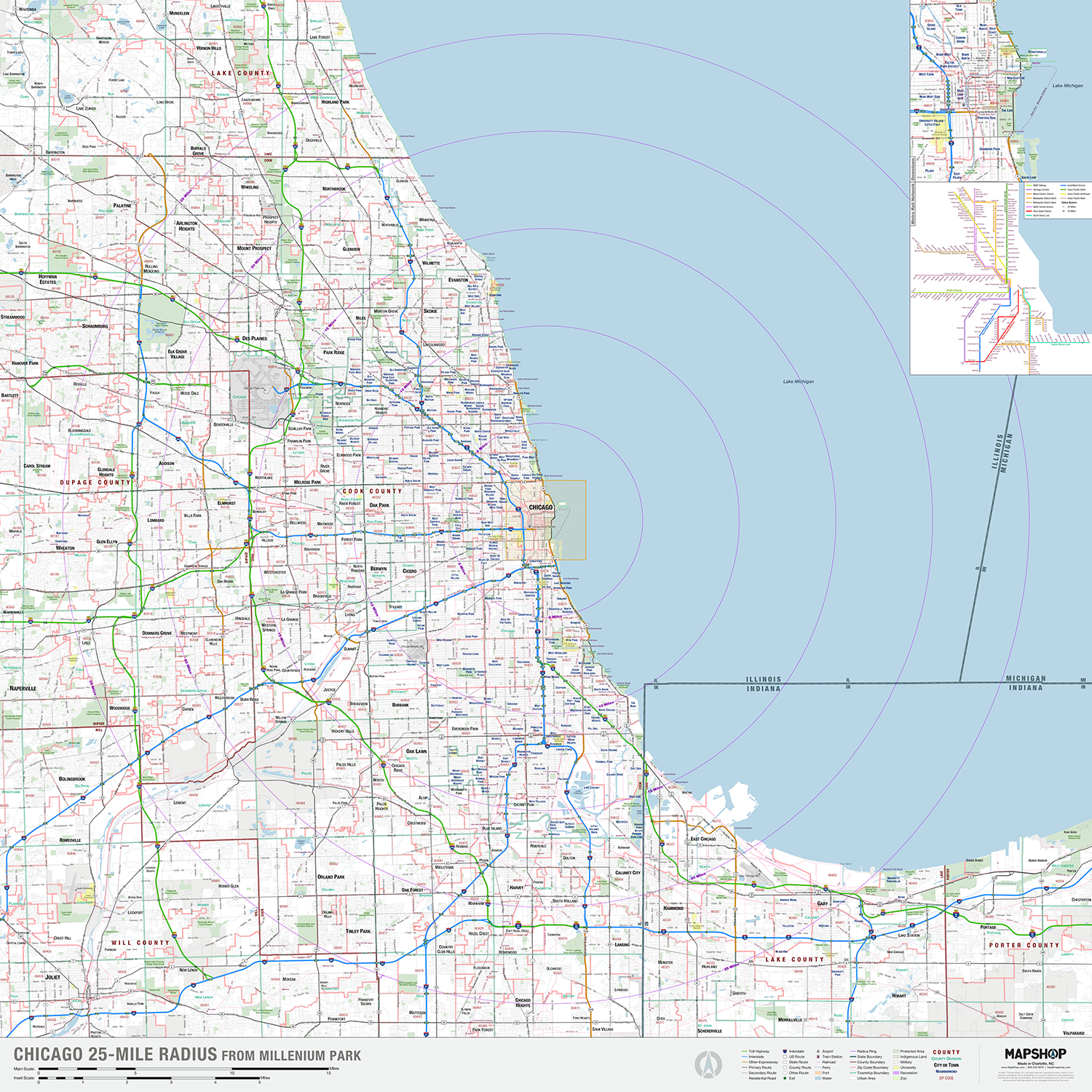
Chicago’s public transportation system, operated by the CTA (Chicago Transit Authority), is extensive and efficient. The ‘L’ train system connects both O’Hare International Airport and Midway International Airport directly to downtown, making arrival and initial navigation straightforward. Buses cover areas not reached by the ‘L’. Ride-sharing services and taxis are also readily available. For walking, the grid system of downtown Chicago makes it relatively easy to navigate on foot.
The Journey Itself: Part of the Experience
Ultimately, “How many miles to Chicago, Illinois?” is more than just a numerical question. It’s the beginning of a travel narrative. Whether you’re soaring through the clouds, cruising down the highway, or rumbling along the tracks, the journey to Chicago is an integral part of the overall experience. Each mile brings you closer to the vibrant energy, cultural richness, and architectural marvels that define this magnificent city. Embrace the planning, savor the travel, and prepare to be captivated by all that Chicago has to offer.
LifeOutOfTheBox is a participant in the Amazon Services LLC Associates Program, an affiliate advertising program designed to provide a means for sites to earn advertising fees by advertising and linking to Amazon.com. Amazon, the Amazon logo, AmazonSupply, and the AmazonSupply logo are trademarks of Amazon.com, Inc. or its affiliates. As an Amazon Associate we earn affiliate commissions from qualifying purchases.