
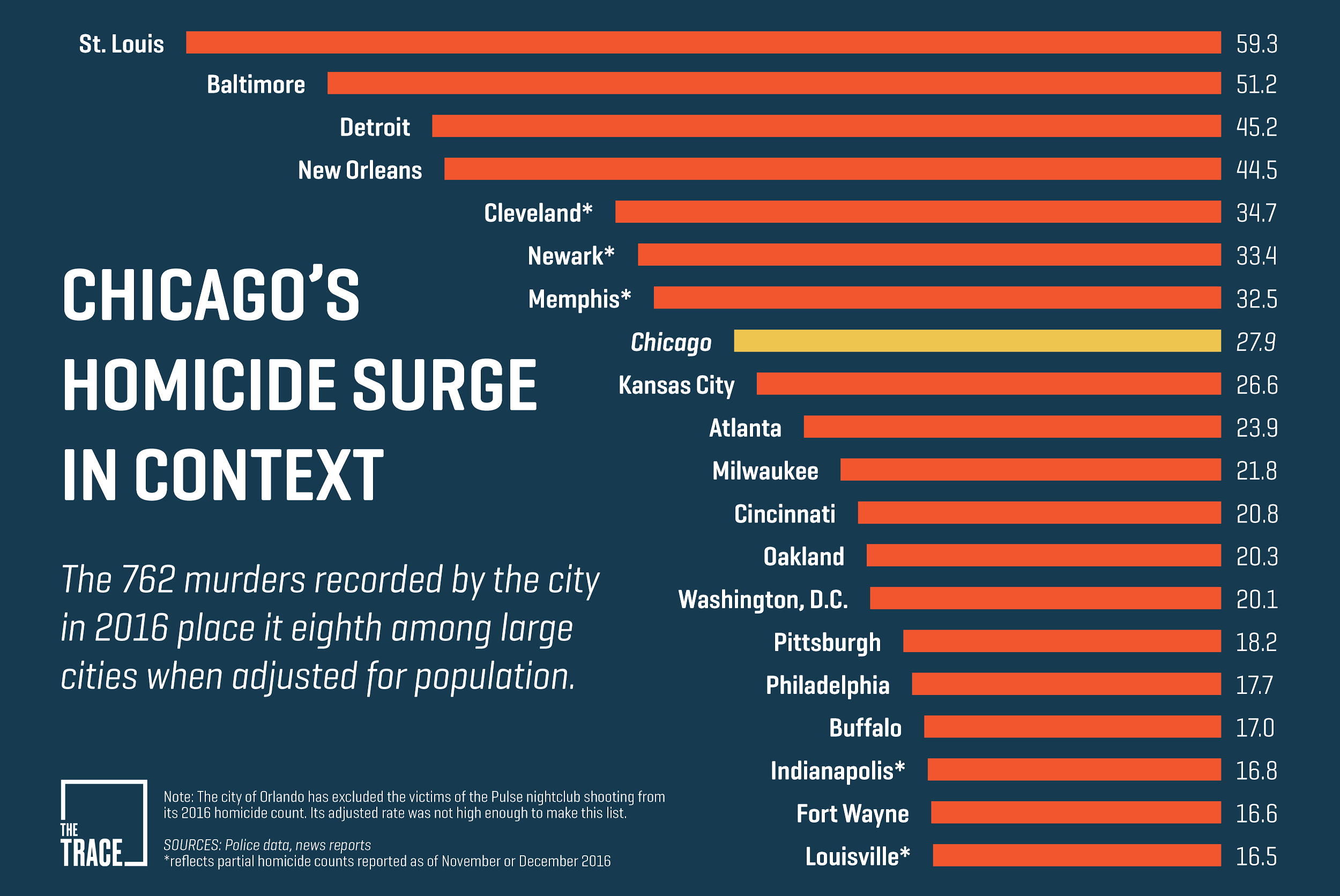
When planning a trip to a major metropolitan area, especially one with a significant media presence, travelers often encounter headlines that can shape their perceptions long before they arrive. Chicago, a city renowned for its vibrant culture, stunning architecture, and world-class dining, frequently finds itself at the center of discussions about urban crime rates. The question, “How many murders in Chicago?” is a common one, driven by media narratives that sometimes overshadow the true visitor experience. For any traveler considering a visit, it’s crucial to separate sensationalism from reality and understand what these statistics mean in the context of a sprawling, diverse city.
Navigating Perceptions vs. Reality for Travelers
The narrative surrounding crime in Chicago often paints a grim picture, yet it’s important for prospective visitors to grasp the nuances. Like any large city, Chicago experiences crime. However, the vast majority of violent incidents, particularly homicides, are concentrated in specific neighborhoods, often linked to gang conflicts and socioeconomic factors. These areas are typically far removed from the bustling tourist districts and business centers that visitors frequent.
For travelers, understanding the scale is key. Chicago is the third-largest city in the United States, home to nearly 2.7 million residents spread across hundreds of distinct neighborhoods. When crime statistics are reported, they encompass the entire city, not just the tourist hubs. To put it into perspective, a high number of incidents in a city of this size, while tragic, does not necessarily translate to an increased risk for a tourist exploring the Magnificent Mile or enjoying a show in the Loop.
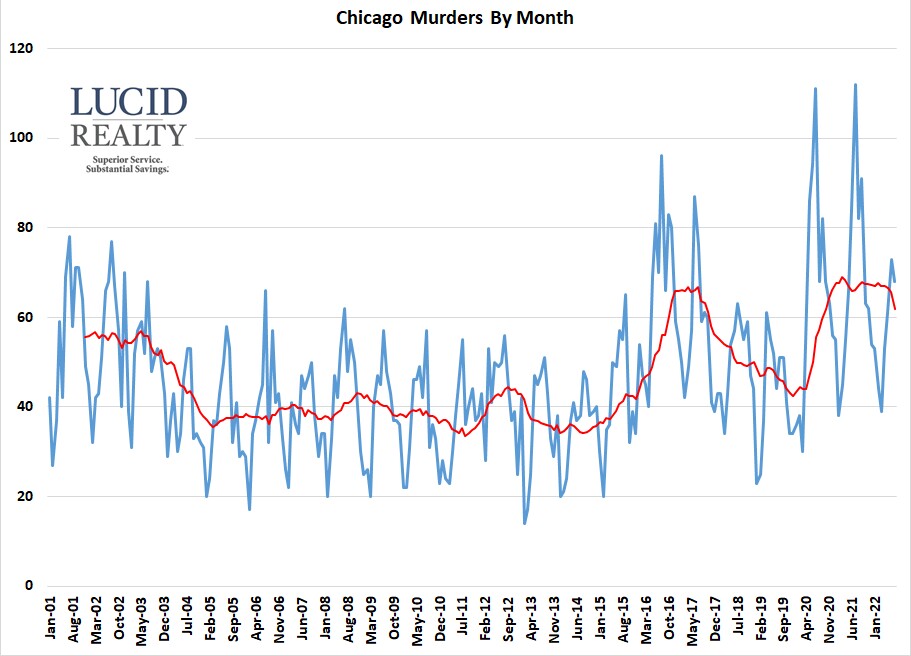
In recent years, like many cities across the U.S., Chicago saw an increase in homicides during the pandemic, a trend that began to reverse in 2022 and continued to decline significantly in 2023. The Chicago Police Department reported a notable drop in homicides and overall crime in comparison to previous years. This downward trend is a positive development and reflects ongoing efforts to enhance public safety across various communities. However, headlines often lag, and the perception can persist long after the reality has begun to shift. For travelers, relying on current, data-driven insights rather than dated or generalized narratives is paramount to making informed decisions.
Understanding Chicago’s Geographic Landscape and Safety
One of the most reassuring facts for visitors to Chicago is the clear geographical separation between tourist-centric areas and those grappling with higher crime rates. The areas most popular with travelers are consistently among the safest parts of the city.
Safe & Popular Tourist Districts
- The Loop: This downtown core is the heartbeat of Chicago, home to iconic skyscrapers, the Art Institute of Chicago, Millennium Park (with its famous “Bean” sculpture), and countless theaters and restaurants. It’s bustling with commuters, residents, and tourists throughout the day and into the evening. Security is robust, with a strong police presence, especially around major attractions and transit hubs.
- Magnificent Mile & River North: Stretching along Michigan Avenue, the Magnificent Mile is a premier shopping and dining destination. Directly adjacent, River North is known for its art galleries, upscale restaurants, and vibrant nightlife. Both areas are heavily monitored and well-lit, designed for pedestrian enjoyment and safety.
- Navy Pier & Museum Campus: Navy Pier offers family-friendly entertainment, dining, and unparalleled views of the skyline and Lake Michigan. Just south, the Museum Campus hosts the Field Museum, Shedd Aquarium, and Adler Planetarium. These attractions draw millions annually and are exceptionally safe, with dedicated security and high visibility.
- Lincoln Park & Old Town: These charming neighborhoods north of downtown offer beautiful green spaces, boutique shops, and a lively atmosphere. Lincoln Park Zoo, a free attraction, is a major draw. These areas are characterized by residential calm and a strong community feel, making them very safe for visitors.
- Wrigleyville: Home to the legendary Wrigley Field, this neighborhood is vibrant, especially on game days. The area around the stadium is well-patrolled, and the celebratory atmosphere ensures a safe environment for sports fans and visitors alike.
- Fulton Market District: Once an industrial meatpacking area, Fulton Market has transformed into a trendy culinary hot spot, with Michelin-starred restaurants and upscale hotels. Its popularity has brought increased security and a bustling evening scene that contributes to its safety.
The areas that experience higher rates of violent crime are generally on the South and West sides of the city. These neighborhoods are predominantly residential, and tourists have little reason to venture into them. While these communities face significant challenges, it’s crucial to understand that they operate separately from the visitor economy. A traveler arriving at O’Hare International Airport or Midway International Airport and heading directly to a downtown hotel will experience a city that feels as safe as any other major global destination.
Practical Safety Tips for Visiting Chicago
While Chicago’s main tourist areas are safe, adopting general travel safety practices enhances any urban exploration. These tips are universal but particularly helpful in a large, bustling city.
General Urban Safety Practices
- Situational Awareness: Always be aware of your surroundings. Avoid distractions like constantly looking at your phone, especially when walking in crowded areas or at night. Keep your belongings secure and out of sight.
- Protect Valuables: Keep wallets in front pockets, use cross-body bags, and avoid flashing large amounts of cash or expensive jewelry. Consider leaving unnecessary valuables in your hotel safe.
- Travel in Groups at Night: If possible, especially in unfamiliar areas, travel with companions after dark. If alone, stick to well-lit, populated streets.
- Use Reputable Transportation: For getting around, utilize licensed taxis, ride-sharing services like Uber or Lyft, or Chicago’s extensive public transit system (CTA). At night, especially, avoid walking long distances and opt for a ride service or taxi if unsure.
- Know Your Route: Before heading out, have a general idea of where you’re going. Using a navigation app discreetly can help you appear confident and less like a lost tourist.
- Emergency Contacts: Keep important phone numbers (hotel, emergency services) readily accessible.
- Trust Your Instincts: If a situation or an area feels off, remove yourself from it. Your intuition is a powerful safety tool.
Specific Considerations for Chicago
- Public Transportation (CTA): The CTA train and bus systems are excellent for navigating the city. During the day, they are generally safe and efficient. During late-night hours, choose crowded cars on the ‘L’ trains and avoid isolated platforms. Buses can be a good option for specific routes.
- Neighborhood Awareness: While tourist areas are safe, if you plan to explore less-traveled neighborhoods, do some research beforehand. Websites like the Chicago Police Department’s crime maps (while not meant for fear-mongering) can provide a general sense of reported incidents. However, remember the context: a single incident in a large area doesn’t define the entire neighborhood.
- Don’t Be Afraid to Ask: Chicagoans are generally friendly and proud of their city. If you’re lost or need directions, don’t hesitate to ask a police officer, a hotel concierge, or someone working in a shop or restaurant.

Experiencing the Best of Chicago Safely
Chicago is a city that offers an incredible array of experiences, from its architectural marvels and world-class museums to its deep-dish pizza and vibrant music scene. The overwhelming majority of visitors enjoy their trip without incident, taking home memories of stunning views, delicious food, and engaging cultural encounters.
Instead of being deterred by broad crime statistics, travelers should focus on the specific realities of touring a major city. By understanding that violent crime is largely localized and by adopting common-sense safety measures, visitors can confidently immerse themselves in all that Chicago has to offer. Whether you’re catching a show at the Goodman Theatre, exploring the Lincoln Park Conservatory, or enjoying a scenic boat tour on the Chicago River, a well-planned trip to the Windy City promises adventure, excitement, and a safe, unforgettable experience. The best way to engage with Chicago is with an informed perspective, recognizing its vastness and the distinct experiences it offers across its diverse landscape.
LifeOutOfTheBox is a participant in the Amazon Services LLC Associates Program, an affiliate advertising program designed to provide a means for sites to earn advertising fees by advertising and linking to Amazon.com. Amazon, the Amazon logo, AmazonSupply, and the AmazonSupply logo are trademarks of Amazon.com, Inc. or its affiliates. As an Amazon Associate we earn affiliate commissions from qualifying purchases.