
Navigating the landscape of accommodation in Florida, whether you’re considering a long-term rental, purchasing a vacation home, or simply seeking a safe haven for an extended stay, involves understanding more than just amenities and aesthetic appeal. One critical factor that often goes overlooked, yet carries significant weight for safety, financial planning, and peace of mind, is the property’s flood zone designation. Florida’s unique geography, characterized by its extensive coastline, numerous lakes, and low elevation, makes it particularly susceptible to flooding from hurricanes, tropical storms, and heavy rainfall. Knowing “What flood zone am I in Florida?” is an essential question for anyone considering accommodation within the Sunshine State.
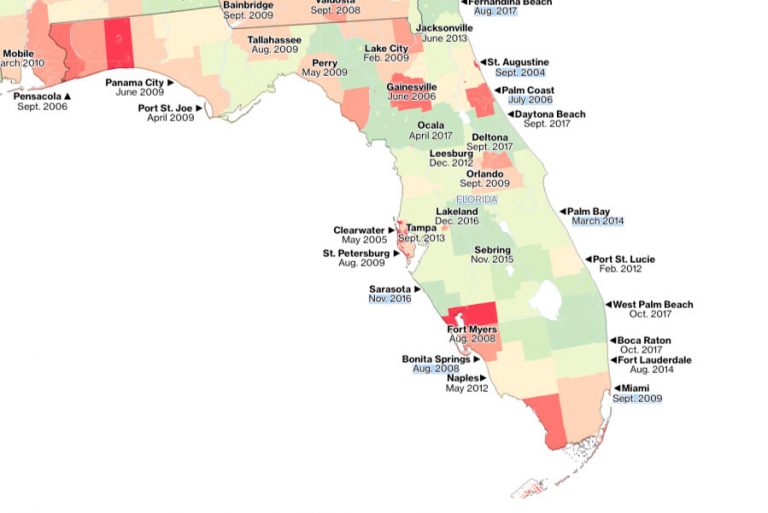
Understanding Florida’s Flood Zones: A Guide for Accommodation Seekers
Flood zones are geographical areas that the Federal Emergency Management Agency (FEMA) has delineated according to their risk of flooding. These designations are critical for property owners and renters alike, influencing everything from insurance premiums to building codes and emergency preparedness plans. For those seeking accommodation, understanding these zones is paramount to making informed decisions.
The Basics of FEMA Flood Maps
FEMA publishes Flood Insurance Rate Maps (FIRMs) that illustrate the extent of flood hazards in a community. These maps are regularly updated to reflect changes in topography, development, and hydrological patterns. When you’re researching potential accommodation—be it an apartment in Miami, a villa in Naples, or a long-term rental in Jacksonville—consulting the relevant FIRM is the first step. These maps categorize areas based on their annual chance of flooding, from minimal to high risk.
Different Flood Zone Designations and Their Meanings
FEMA utilizes a series of letters to denote different flood zones, each carrying specific implications:
- Zone A (A, AE, AH, AO, AR, A99): These are high-risk areas, often referred to as Special Flood Hazard Areas (SFHAs). They have a 1% or greater annual chance of flooding, meaning there’s a significant risk over the lifetime of a 30-year mortgage.
- Zone AE: The most common A zone, where Base Flood Elevations (BFEs) are determined. BFEs represent the water surface elevation resulting from a flood that has a 1% chance of being equaled or exceeded in any given year.
- Zone AO/AH: Areas with shallow flooding (usually 1 to 3 feet deep) or areas of ponding.
- Zone V (V, VE): These are coastal high-hazard areas, where properties are at risk from both flooding and wave action. They typically have the highest insurance premiums due to the severe damage potential. Like AE zones, VE zones have determined BFEs.
- Zone X (or Zone B/C on older maps): These are moderate-to-low risk areas.
- Shaded Zone X (or Zone B): Areas with a 0.2% annual chance of flooding, often called a 500-year flood plain, or areas protected by a levee.
- Unshaded Zone X (or Zone C): Areas with minimal flood hazard, outside the 500-year flood plain.
For accommodation comparison, understanding these zones is crucial. Properties in A and V zones often require mandatory flood insurance if financed by a federally regulated lender, impacting the overall cost of living or ownership.
Why Flood Zones Matter for Your Florida Accommodation
The flood zone designation of a property directly impacts several key aspects of your accommodation experience in Florida, from your immediate safety to your long-term financial commitments.
Safety and Preparedness
Choosing accommodation in a flood zone directly correlates with your personal safety during severe weather events. Properties in high-risk zones (A and V) are more likely to experience flooding, which can disrupt access, cause structural damage, and pose immediate threats to occupants. Renters and homeowners in these areas must have robust emergency preparedness plans, including evacuation routes and supplies. Understanding the flood risk helps you assess the immediate environment, ensuring you choose an apartment or villa that prioritizes occupant safety, especially during hurricane season.
Insurance Implications for Renters and Buyers
One of the most significant financial implications of flood zones is insurance. In SFHAs (Zones A and V), flood insurance is typically mandatory for properties with federally backed mortgages. This is separate from standard homeowner’s insurance, and its cost can vary significantly based on the zone, the home’s elevation, and its construction.
- For Buyers: If you’re considering purchasing a home or a condo for long-term stay in Florida, flood insurance premiums will be a recurring expense to factor into your budget. Properties in Zone V generally have the highest premiums due to the added risk of wave action. Elevating structures above the BFE can significantly reduce these costs.
- For Renters: While renters are not typically required to purchase flood insurance for the structure, their personal belongings are not covered by the landlord’s flood policy. Renters’ flood insurance, available through the National Flood Insurance Program (NFIP), is highly recommended in high-risk zones to protect personal property. When comparing apartments or villas, inquire about the flood zone to understand potential insurance costs for your belongings and to gauge the overall risk.
Property Value and Long-Term Considerations
For those looking at long-term accommodation, perhaps even an investment property, flood zones have long-term implications for property value and resale potential. Properties in high-risk flood zones may face challenges with marketability and appreciation, especially if flood insurance costs rise or if repetitive loss events occur. While Florida properties often appreciate, the inherent risks associated with certain flood zones can act as a counterbalance. Understanding the flood zone helps in a comprehensive comparison of accommodation options, ensuring you consider all financial facets beyond just the purchase price or monthly rent.
How to Identify Your Flood Zone in Florida
Fortunately, determining a property’s flood zone designation is a straightforward process, thanks to readily available resources.
Official Resources: FEMA Flood Map Service Center
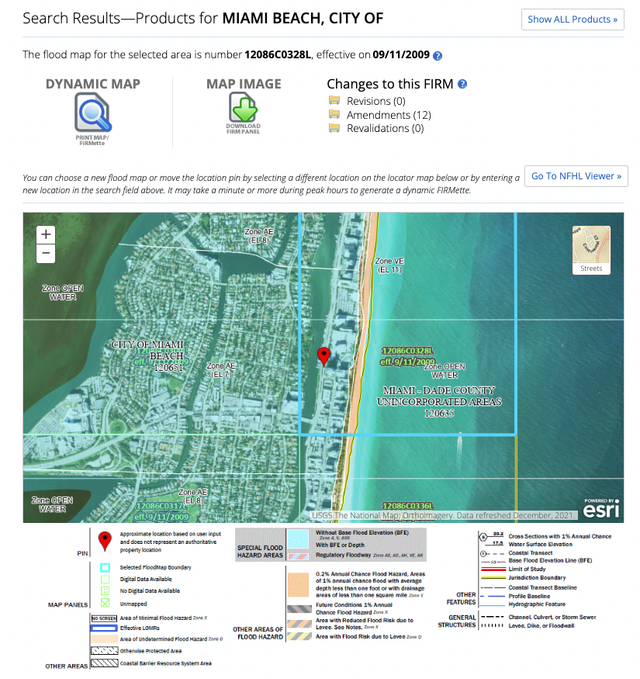
The most authoritative source for flood zone information is the FEMA Flood Map Service Center website. You can enter a specific address, crossroads, or geographic location to view the official FIRM for that area. This interactive tool provides detailed information, including the flood zone designation, the BFE (if applicable), and even allows you to print a Flood Insurance Rate Map (FIRM). This should be your first stop when vetting any potential accommodation.
Local Government Tools and Property Appraiser Websites
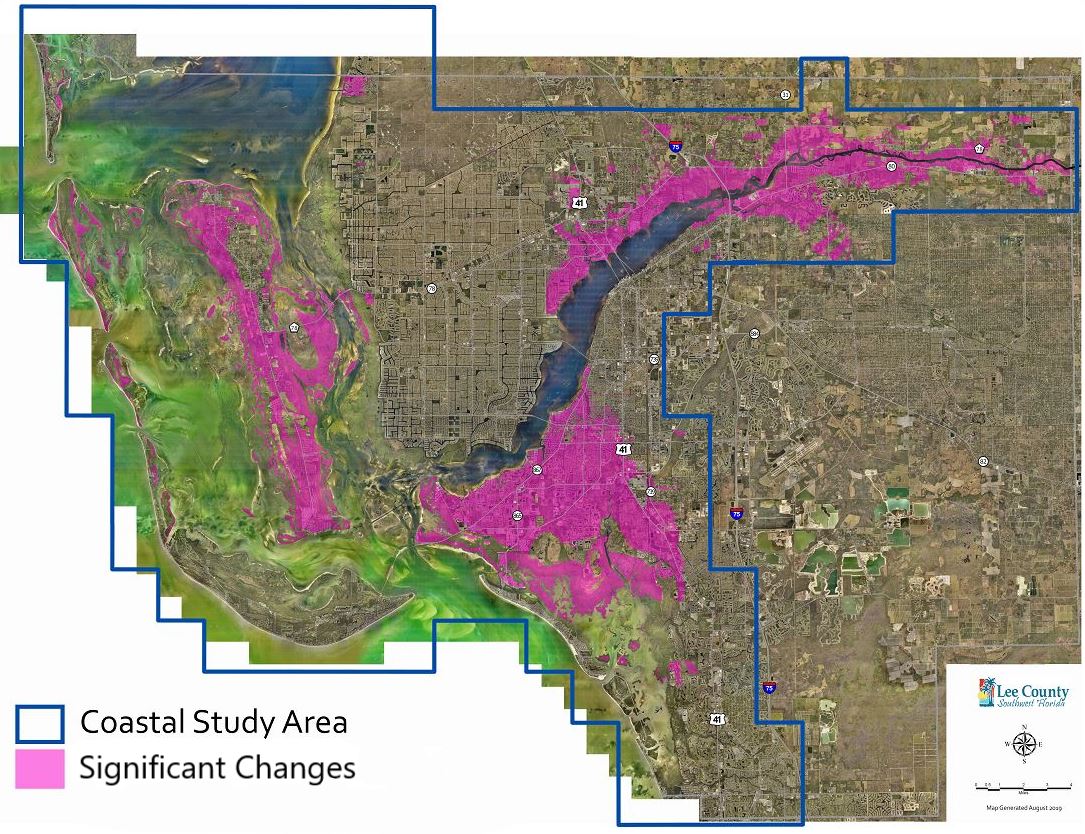
Many Florida counties and municipalities offer their own online mapping tools that integrate FEMA flood zone data with local property records. For example, counties like Sarasota County, Lee County, and Monroe County often provide detailed GIS (Geographic Information System) maps on their property appraiser or planning department websites. These local resources can sometimes offer additional layers of information, such as specific elevations or local flood mitigation projects, which are invaluable for a comprehensive accommodation review.
Consulting Real Estate Professionals
When booking a long-term stay or purchasing a property, real estate agents and brokers are excellent resources. They have access to local databases and are often knowledgeable about specific flood risks in different neighborhoods. They can help you interpret flood maps, explain local ordinances, and connect you with insurance agents who specialize in flood coverage. Don’t hesitate to ask your agent for the flood zone information for any property you’re considering. For apartment rentals, property managers should also be able to provide this information.
Making Informed Accommodation Choices in Florida’s Coastal Landscape
Choosing accommodation in Florida requires a holistic approach that balances desirability with practicality and safety. Understanding flood zones is a non-negotiable part of this process.
Weighing the Risks and Benefits
While living in a high-risk flood zone might entail higher insurance costs and a greater need for preparedness, properties in these areas often boast unparalleled access to Florida’s iconic beaches, waterways, and coastal attractions. A villa with direct beach access in Key West might be in a V zone, but the lifestyle benefits could outweigh the risks for some. Conversely, an apartment in Orlando, further inland, might be in a low-risk X zone, offering peace of mind regarding flooding but without direct ocean proximity. When comparing accommodation, assess your personal comfort level with risk and your financial capacity to mitigate it.
Mitigation Strategies for High-Risk Areas
For properties in high-risk zones, mitigation efforts can significantly reduce flood damage and insurance costs. These include elevating the structure, installing flood vents, or implementing dry floodproofing measures. When considering purchasing or long-term rental of properties in A or V zones, inquire about any existing mitigation measures. For new constructions, building codes in Florida often require specific elevations and construction techniques to minimize flood risk, which can be a strong selling point for safer accommodation.
The Importance of Due Diligence
Ultimately, the onus is on the individual to perform due diligence when selecting accommodation in Florida. Knowing “What flood zone am I in Florida?” is more than just answering a question; it’s about empowering yourself with critical information to ensure your safety, protect your assets, and secure a comfortable, worry-free stay in one of the most beautiful, yet naturally vulnerable, states in the U.S. Always verify flood zone information independently, consult professionals, and factor all associated risks and costs into your decision-making process for any accommodation choice.
LifeOutOfTheBox is a participant in the Amazon Services LLC Associates Program, an affiliate advertising program designed to provide a means for sites to earn advertising fees by advertising and linking to Amazon.com. Amazon, the Amazon logo, AmazonSupply, and the AmazonSupply logo are trademarks of Amazon.com, Inc. or its affiliates. As an Amazon Associate we earn affiliate commissions from qualifying purchases.