
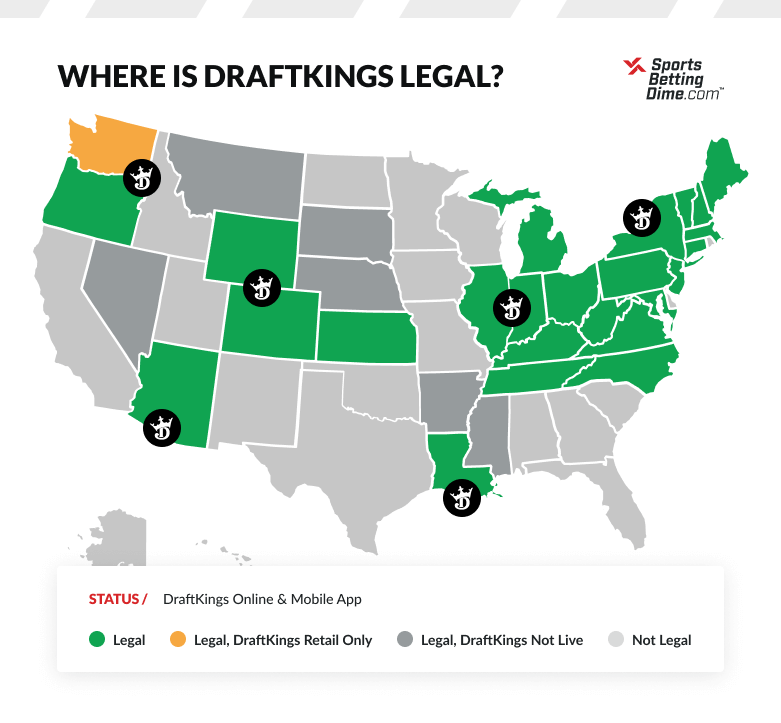
The question of whether DraftKings is legal in Mississippi is a nuanced one, deeply intertwined with the state’s approach to gambling and its specific legislative landscape. While Mississippi has embraced certain forms of legal gambling, the availability of daily fantasy sports (DFS) and online sports betting, particularly through platforms like DraftKings, is subject to ongoing interpretation and regulatory developments. Understanding the current status requires a closer look at Mississippi’s laws and how they apply to the digital age of wagering.
Mississippi’s Gambling Framework
Mississippi has a long-standing history with legalized gambling, primarily centered around its extensive network of casinos along the Gulf Coast and the Mississippi River. The state’s gambling laws are overseen by the Mississippi Gaming Commission, which regulates commercial casino operations. These operations are generally permitted to offer a wide array of traditional casino games, including slot machines, table games like blackjack and roulette, and poker.
Pari-Mutuel Wagering
One of the early avenues for legal wagering in Mississippi beyond traditional casinos was pari-mutuel wagering, particularly concerning horse racing. While Mississippi doesn’t have a large number of active racetracks compared to some other states, the framework for pari-mutuel betting has been established. This type of betting, where odds are determined by the total amount wagered, has been a recognized form of legal gambling for decades.
The Rise of Sports Betting
The landscape of sports betting saw a significant shift nationally with the Supreme Court’s decision in May 2018, which overturned the Professional and Amateur Sports Protection Act (PASPA) of 1992. This ruling effectively allowed individual states to decide whether to legalize and regulate sports betting. Mississippi was one of the states that moved to capitalize on this newfound state-level autonomy.
In-Person Sports Betting
Following the PASPA repeal, Mississippi swiftly moved to legalize sports betting, but with a crucial limitation: it was initially restricted to in-person wagers placed within the premises of licensed casinos. This meant that residents and visitors could place bets on sporting events, but only by visiting a physical casino location equipped with a sportsbook. This approach allowed the state to capture revenue from this burgeoning market while maintaining a degree of control through its existing casino regulatory structure. Many of the state’s major casino resorts, such as the Beau Rivage Resort & Casino in Biloxi and the Gold Strike Casino Resort, established their own sportsbooks to accommodate this new offering.
The Mobile Betting Conundrum
The question of mobile sports betting in Mississippi has been a more complex and evolving issue. While the state has legalized sports betting, the regulatory framework has largely confined mobile betting to within the physical boundaries of a licensed casino property. This means that patrons can use mobile apps to place bets, but only while they are physically present on the casino grounds. This is often facilitated through geofencing technology, ensuring that bets are only accepted when the user is within the designated legal area. This approach differs from many other states that have fully embraced mobile betting, allowing users to place wagers from anywhere within the state’s borders. The rationale behind this approach in Mississippi is often cited as a way to support the land-based casino industry and maintain a direct link between the betting activity and the licensed gaming establishments.
DraftKings and Daily Fantasy Sports (DFS) in Mississippi
The legality of DraftKings, and by extension other DFS platforms, in Mississippi has been a subject of considerable debate and evolving interpretation.
The Classification of DFS
A key factor in determining the legality of DFS is how it is classified under state law. In many jurisdictions, DFS has been argued to be a game of skill rather than a game of chance, which can exempt it from traditional gambling regulations. The argument for skill lies in the fact that participants draft teams of real-life athletes and accumulate points based on those athletes’ performances in actual games. Success in DFS often depends on a user’s knowledge of sports, player statistics, team matchups, and strategic lineup selection.
Mississippi’s Stance on DFS
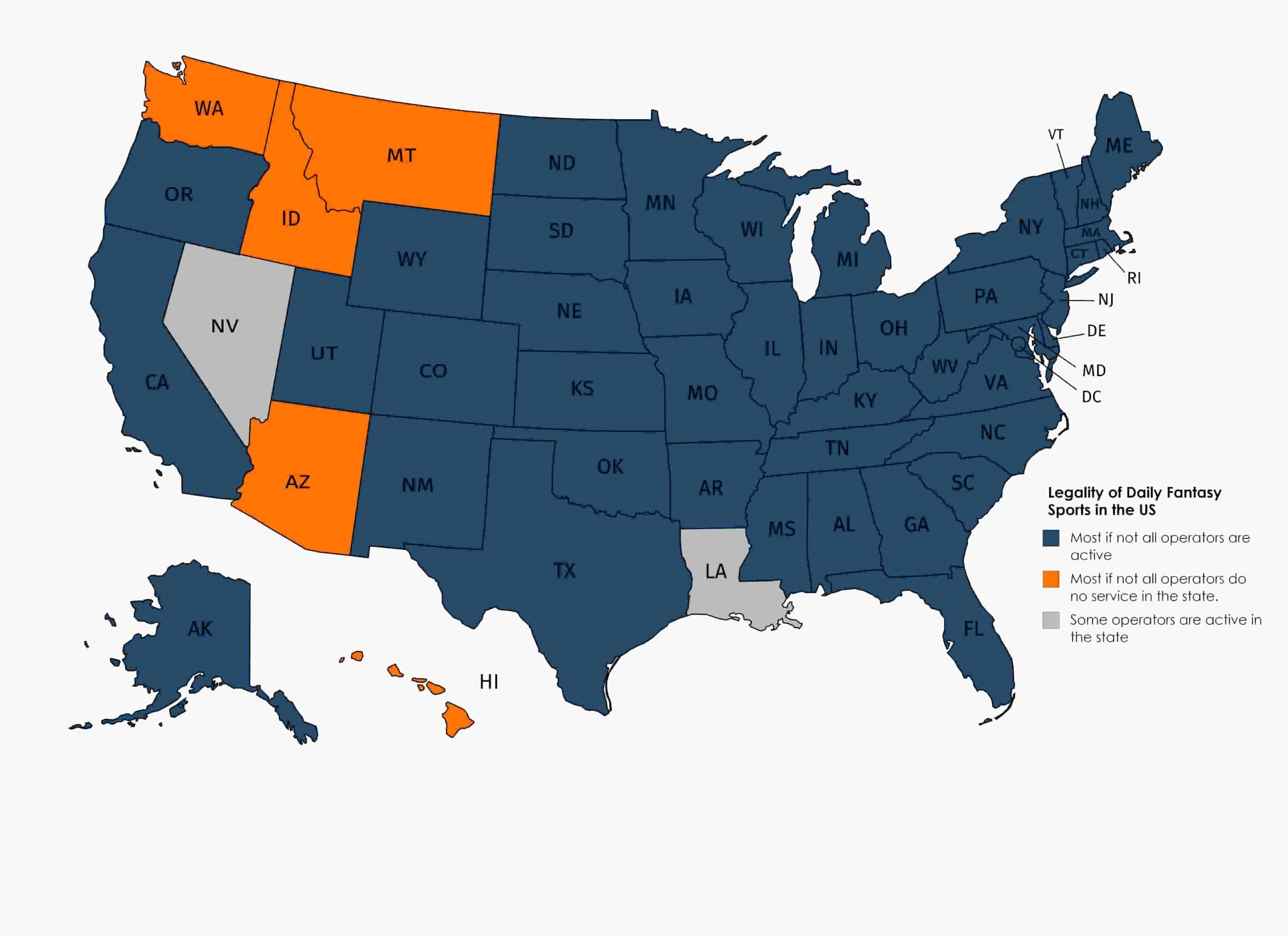
Mississippi has not enacted explicit legislation that specifically legalizes or prohibits daily fantasy sports. This lack of definitive law has led to a period of ambiguity. For a significant time, operators like DraftKings and FanDuel offered their DFS contests to residents of Mississippi without explicit state authorization. This operation was often conducted under the assumption that DFS was legal due to its perceived status as a game of skill.
However, in recent years, the interpretation of existing laws has shifted in some states, and Mississippi has also seen increased scrutiny. While there hasn’t been a definitive statewide ban or a clear legislative pathway to regulation for DFS, the general trend across the US has been towards states either explicitly legalizing DFS with regulatory frameworks or deeming it illegal. As of recent reports, DraftKings and FanDuel have ceased offering paid DFS contests in Mississippi due to the lack of a clear legal pathway and potential regulatory concerns. This move suggests a cautious approach by these major DFS operators, prioritizing legal compliance over market access in the absence of explicit legislative approval.
The Intersection of DFS and Sports Betting
The distinction between DFS and traditional sports betting is a crucial one, especially in a state like Mississippi that has legalized sports betting but with specific restrictions.
Legal Differences
Traditional sports betting involves wagering on the outcome of a specific sporting event, such as the winner of a game, the point spread, or the total score. This is generally classified as a game of chance. Daily fantasy sports, as previously discussed, is often characterized as a game of skill, involving the creation of virtual teams.
The legal framework in Mississippi clearly distinguishes between these. The state has a regulatory structure for sports betting, primarily confined to casinos. The absence of such specific legislation for DFS creates the ambiguity. If DFS were to be definitively classified as a game of chance by the state, it would likely fall under the same regulatory umbrella as sports betting, or potentially be prohibited if not explicitly licensed.
DraftKings’ Offerings
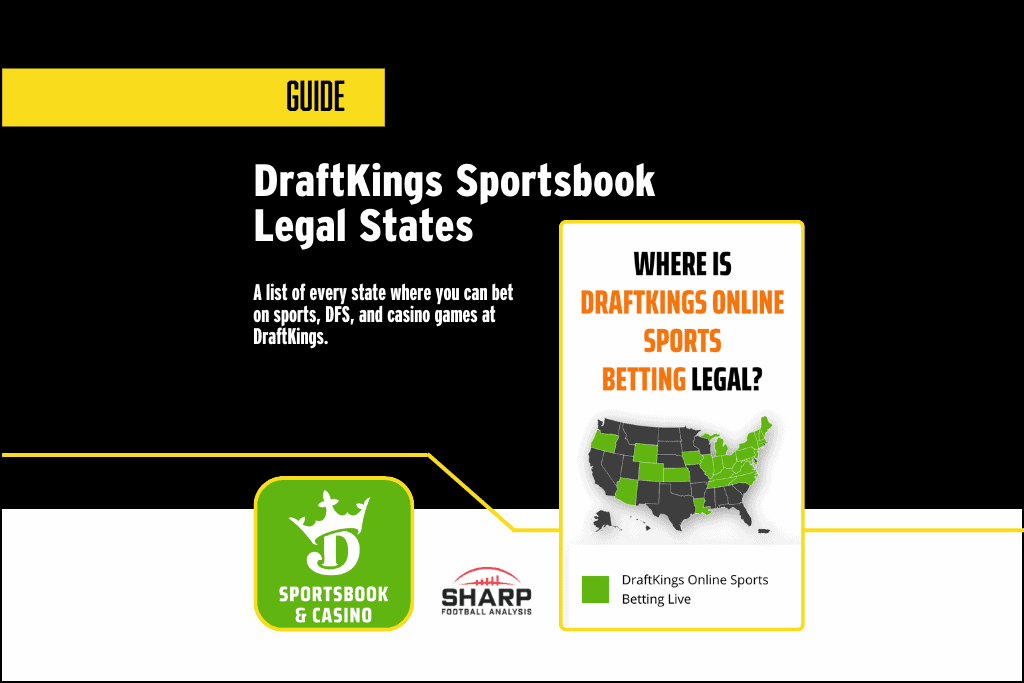
DraftKings operates both a DFS platform and an online/mobile sports betting platform in various states. In Mississippi, the situation is that their DFS offerings have become unavailable due to legal uncertainty. For their sports betting operations, DraftKings has partnered with licensed casinos in other states to offer mobile betting within the physical confines of those properties. While DraftKings does not currently operate a standalone online sportsbook app in Mississippi that allows betting from anywhere in the state, their presence through potential partnerships with casinos for in-person mobile betting remains a possibility, subject to the state’s evolving regulations.
Future Outlook and Potential Changes
The legal status of DraftKings and other online gambling platforms in Mississippi is not static and is subject to potential legislative action and judicial interpretation.
Legislative Pathways
For DraftKings to operate its full suite of services legally and without ambiguity in Mississippi, including both DFS and widespread mobile sports betting, the state legislature would need to enact specific laws to authorize and regulate these activities. This could involve creating a dedicated regulatory framework for DFS, similar to how sports betting has been addressed, or expanding the scope of mobile sports betting to be accessible statewide. Such legislative efforts often involve extensive debate, consideration of revenue generation, consumer protection, and the potential impact on existing gaming industries.
Evolving Interpretations
Even without new legislation, court rulings or updated guidance from regulatory bodies could influence the legality of existing operations. If DFS were to be definitively ruled a game of chance by the courts in Mississippi, it could necessitate a re-evaluation of how platforms like DraftKings are allowed to operate, if at all. Similarly, the interpretation of the current sports betting laws, particularly regarding the extent of mobile wagering allowed, could be clarified through future regulatory actions.
The Impact of Neighboring States
The gambling landscapes in neighboring states, such as Louisiana, Arkansas, and Tennessee, can also influence Mississippi’s approach. As these states have varying degrees of legalized online and mobile gambling, Mississippi may feel pressure to adapt its own laws to remain competitive and prevent revenue leakage to bordering jurisdictions. The success and regulatory models employed by these neighboring states could serve as benchmarks or cautionary tales for Mississippi as it considers its future in the online gaming market.
In conclusion, while Mississippi has legalized sports betting, it is primarily limited to in-person wagering within licensed casinos, with mobile betting also restricted to these premises. DraftKings has ceased offering paid DFS contests due to legal ambiguity. For DraftKings to be fully legal in Mississippi for both DFS and widespread online sports betting, significant legislative changes would likely be required.
LifeOutOfTheBox is a participant in the Amazon Services LLC Associates Program, an affiliate advertising program designed to provide a means for sites to earn advertising fees by advertising and linking to Amazon.com. Amazon, the Amazon logo, AmazonSupply, and the AmazonSupply logo are trademarks of Amazon.com, Inc. or its affiliates. As an Amazon Associate we earn affiliate commissions from qualifying purchases.