
The Enduring Legacy of “Chicago Fire” and Its Impact on Tourism in Chicago
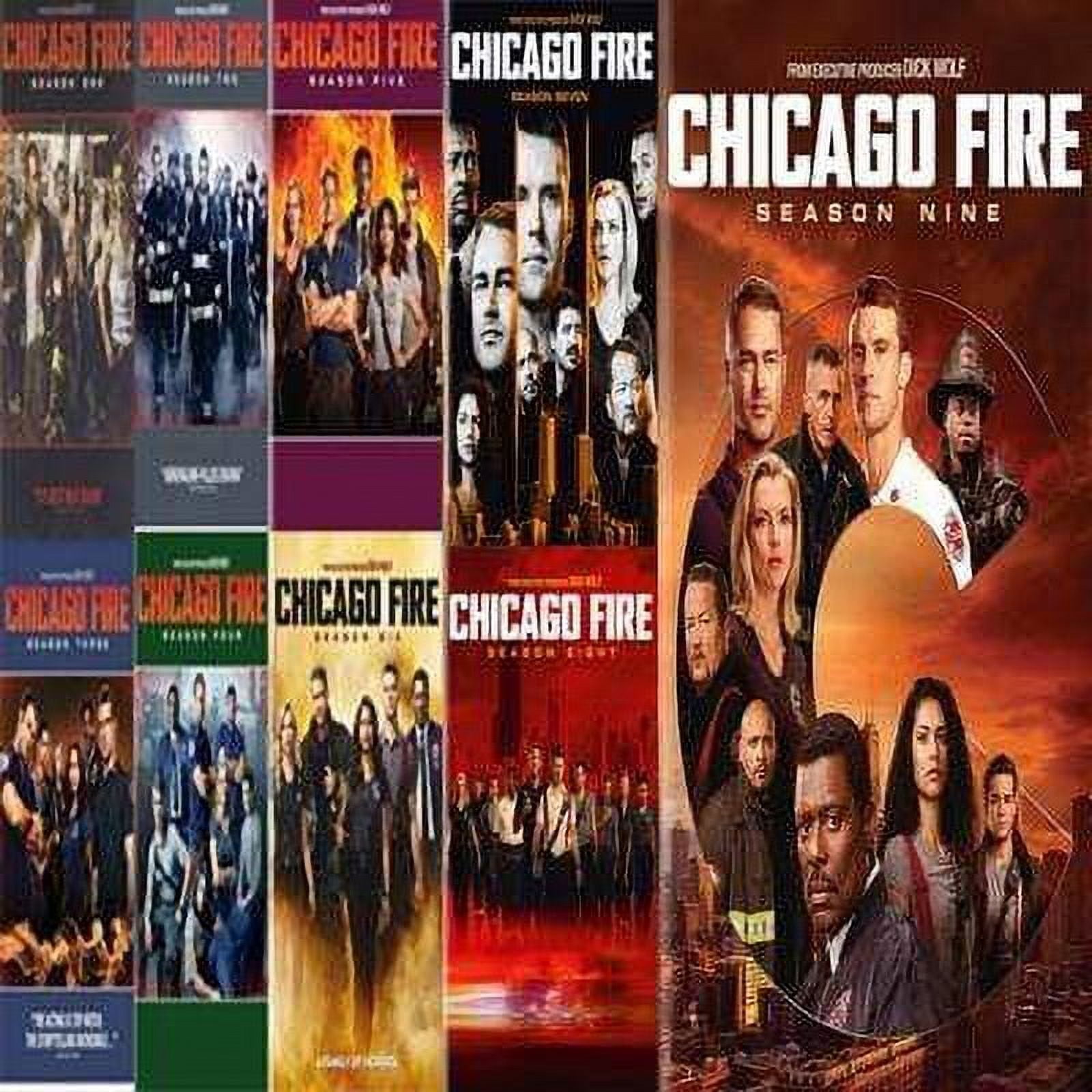
“Chicago Fire,” the flagship series of Dick Wolf’s “One Chicago” franchise, has captivated audiences worldwide since its debut, drawing millions into the high-stakes world of firefighters and paramedics at Firehouse 51. For devoted viewers and casual observers alike, a common question arises: “How many seasons are there in Chicago Fire?” As of early 2024, the series is in its twelfth season, a remarkable run that speaks volumes about its enduring popularity, compelling storytelling, and the deep connection audiences feel with its characters and the vibrant city it portrays. This longevity is not merely a testament to the show’s entertainment value; it has also cemented “Chicago Fire” as a significant cultural touchstone, profoundly influencing tourism in Chicago itself.

The phenomenon of “set-jetting,” where fans travel to destinations featured in their favorite films and television shows, has seen a considerable boost thanks to “Chicago Fire.” The show’s twelve seasons have offered a prolonged and consistent visual narrative of Chicago, showcasing its iconic skyline, diverse neighborhoods, and the unique spirit of its residents. This continuous exposure fosters a sense of familiarity and desire among viewers to experience the authentic Chicago depicted on screen. The firehouse, the city streets, and the various establishments frequented by the characters transition from fictional settings to aspirational destinations for fans. The deep imprint left by over a decade of broadcasting means that “Chicago Fire” has become more than just a show; it’s a prolonged advertisement for the city, inviting visitors to explore the real-life locales that give the series its gritty authenticity and charm. This deep immersion for over a decade allows for a connection that short-run series simply cannot achieve, fostering a unique blend of fandom and travel motivation.
Exploring Chicago Through the Lens of Firehouse 51
The authenticity of “Chicago Fire” is deeply rooted in its commitment to showcasing real Chicago locations, many of which have become de facto tourist attractions for the show’s ardent fanbase.
Iconic Filming Locations as Tourist Attractions
Central to the “Chicago Fire” experience is the real-life firehouse that stands in for the fictional Firehouse 51. Located in the Near West Side neighborhood, the Chicago Fire Department Engine 18, Ladder 27, Battalion 2 Firehouse at 1360 S. Blue Island Avenue is a pilgrimage site for fans. While it’s a fully operational fire station, respectful visitors often gather outside to snap photos, hoping to catch a glimpse of the building or even some of the cast members during filming breaks. This singular location, recognizable from countless episodes across twelve seasons, symbolizes the show’s enduring presence and its tangible connection to the city.
Beyond the firehouse, countless other Chicago landmarks and everyday spots have been featured, drawing fans to explore broader sections of the city. The majestic architecture along the Chicago River and Michigan Avenue, the modern sculptures of Millennium Park, and the lively entertainment hub of Navy Pier have all served as backdrops for dramatic rescues or character moments. Fans often create their own “Chicago Fire” location tours, seeking out not just the famous spots but also the smaller, more mundane locations like particular diners, bars (like Molly’s, based on a real local tavern), or residential streets that have appeared repeatedly over the show’s extensive run. This granular level of detail, cultivated over many seasons, allows tourists to feel a deeper, more personal connection to the city, moving beyond typical tourist hotspots to discover hidden gems.
Immersing in the Chicago Fire Department Culture
The long run of “Chicago Fire” has done more than just highlight scenic locations; it has cultivated a profound respect and admiration for the Chicago Fire Department and the broader emergency services. The series, across its numerous seasons, meticulously portrays the heroism, sacrifice, and camaraderie inherent in the firefighting profession. This depiction has inspired many to learn more about the real Chicago firefighters.
For tourists, this translates into an interest in understanding the real fire department’s history and operations. While direct tours of operational firehouses are rare due to safety protocols, visitors can gain insights at various Chicago museums and historical societies that touch upon the city’s public service history. The show’s portrayal of the tight-knit “fire family” also encourages visitors to appreciate the city’s strong sense of community and the vital role played by its first responders. Experiencing Chicago with this newfound appreciation, fostered by over a decade of television narratives, adds a rich, cultural layer to any travel itinerary, making the city not just a place of sights but a place of profound human stories.
The Authentic Chicago Spirit Portrayed by Long-Running Series
The longevity of “Chicago Fire” across twelve seasons has allowed it to paint an incredibly rich and nuanced portrait of Chicago, capturing the city’s authentic spirit in a way few other series have managed. This consistent narrative has deeply informed the city’s global image and enhanced its appeal as a tourism destination.
Capturing the City’s Essence
Through its extensive run, “Chicago Fire” has brilliantly showcased the diverse tapestry of Chicago’s neighborhoods, from the bustling downtown Loop to the more residential and historically rich areas. The show frequently utilizes the city’s stunning architecture as a dramatic backdrop, from the towering skyscrapers that define its skyline to the distinctive brick two-flats that characterize residential blocks. This consistent visual language, developed over many seasons, educates viewers about the city’s varied landscapes and architectural prowess, encouraging them to explore beyond the immediate downtown core.
The series also delves into the unique cultural fabric of Chicago, reflecting the resilience, warmth, and straightforwardness often associated with Chicagoans. It’s not just about the fires and rescues; it’s about the interactions within the community, the local establishments, and the civic pride that resonates deeply with residents. This authentic portrayal, honed over a dozen seasons, fosters a sense of connection for viewers, making them feel as if they already know the city and its people. For tourists, this translates into a desire to experience that same authentic spirit, to walk the streets, engage with the locals, and perhaps even understand the nuances of Chicago dialect and humor. The “One Chicago” universe, which includes “Chicago P.D.” and “Chicago Med,” further amplifies this effect, creating a cohesive and immersive narrative that positions Chicago as a central character in these compelling dramas. This collective impact across multiple successful series reinforces Chicago’s identity as a dynamic, real-world setting.
Beyond the Screen: Experiencing Chicagoan Lifestyle
“Chicago Fire” subtly weaves elements of the Chicagoan lifestyle into its narratives, making them appealing touchpoints for visiting fans. While not explicitly a food show, scenes often feature characters enjoying local culinary staples. The mention of deep-dish pizza or Chicago hot dogs, even in passing, highlights the city’s iconic food culture. Tourists, inspired by the show’s implicit endorsement, often seek out these authentic gastronomic experiences, turning a meal into an immersive cultural activity. Eating a classic Chicago hot dog at a local stand or sharing a deep-dish pizza with friends becomes part of experiencing the city as the characters do.
Moreover, the show encapsulates the spirit of camaraderie and resilience that defines many Chicagoans. The close-knit relationships within Firehouse 51 reflect the city’s strong community ties and blue-collar work ethic. This spirit extends to Chicago’s passionate sports culture, although rarely a direct plot point, the city’s allegiance to teams like the Cubs or Bears is an underlying current of local pride. Visitors often seek to engage with this vibrant local culture, perhaps by catching a game at Wrigley Field or simply soaking in the atmosphere of a local pub, feeling a part of the vibrant, authentic life that “Chicago Fire” has so masterfully depicted over its many seasons.
Tips for a “Chicago Fire”-Inspired Tourist Itinerary
For fans looking to immerse themselves in the world of “Chicago Fire” while experiencing the best of Chicago, a well-planned itinerary can turn a regular trip into an unforgettable journey through their favorite show’s backdrop. The twelve seasons of rich content provide a wealth of inspiration for exploring the city.
Planning Your Visit
The best time to visit Chicago for a “Chicago Fire”-inspired tour largely depends on personal preference, but generally, late spring to early autumn (May to October) offers the most pleasant weather for outdoor exploration and walking tours. This period avoids the notoriously harsh Chicago winters, which can make outdoor location scouting less comfortable. Public transportation in Chicago, particularly the CTA ‘L’ train and bus system, is excellent for navigating the city and reaching various filming sites efficiently and affordably. Purchasing a multi-day pass can be a cost-effective way to travel. Given the extensive history of the show over twelve seasons, you can find filming locations across various neighborhoods, making public transport essential.
Must-Do Activities for Fans
- Visit the Real Firehouse: A respectful visit to the Chicago Fire Department Engine 18, Ladder 27, Battalion 2 Firehouse (1360 S. Blue Island Ave.) is a must. Remember it’s an active station; maintain a respectful distance, avoid disturbing operations, and keep noise levels down. Many fans simply take photos from across the street.
- Explore Key Neighborhoods: Venture beyond downtown to explore neighborhoods like the Near West Side, Pilsen, and Little Italy, where many on-location shoots have occurred over the years. These areas offer a glimpse into the everyday Chicago depicted in the series.
- Dine Like a Local: Seek out authentic Chicago eateries, especially those serving deep-dish pizza or Chicago hot dogs. While Molly’s Bar is fictional, real local taverns offer a similar cozy, community atmosphere. This allows you to experience the city’s culinary landscape as the characters do, mirroring the casual dining scenes often interspersed throughout the show’s seasons.
- Take an Architecture Boat Tour: To fully appreciate Chicago’s magnificent skyline and riverfront architecture, a boat tour on the Chicago River is highly recommended. Many of these iconic buildings serve as the dramatic backdrop for numerous scenes in “Chicago Fire,” offering a broader context to the city’s visual grandeur.
- Seek Out Other “One Chicago” Locations: Since “Chicago Fire” is part of a larger universe, consider visiting locations featured in “Chicago P.D.” (like the Maxwell Street Police Station, an actual former police station used for filming) and “Chicago Med” (filmed at Rush University Medical Center). This enriches the overall immersive experience of the “One Chicago” world that has been built over more than a decade of television production.

Engaging with Local Culture
Beyond specific sites, truly immerse yourself in the local Chicagoan culture that “Chicago Fire” so lovingly portrays. Attend a local festival, visit one of Chicago’s world-class museums such as the Art Institute of Chicago or the Field Museum, or catch a live music performance. Engaging with the city’s vibrant arts scene, its diverse communities, and its unwavering spirit will provide a comprehensive understanding of the locale that has served as the heart and soul of “Chicago Fire” for twelve successful seasons. The show’s enduring presence on television has not only entertained millions but has also cultivated a deep curiosity and appreciation for the dynamic, resilient city of Chicago, inspiring a unique form of cultural tourism that continues to grow with each new season.
LifeOutOfTheBox is a participant in the Amazon Services LLC Associates Program, an affiliate advertising program designed to provide a means for sites to earn advertising fees by advertising and linking to Amazon.com. Amazon, the Amazon logo, AmazonSupply, and the AmazonSupply logo are trademarks of Amazon.com, Inc. or its affiliates. As an Amazon Associate we earn affiliate commissions from qualifying purchases.