
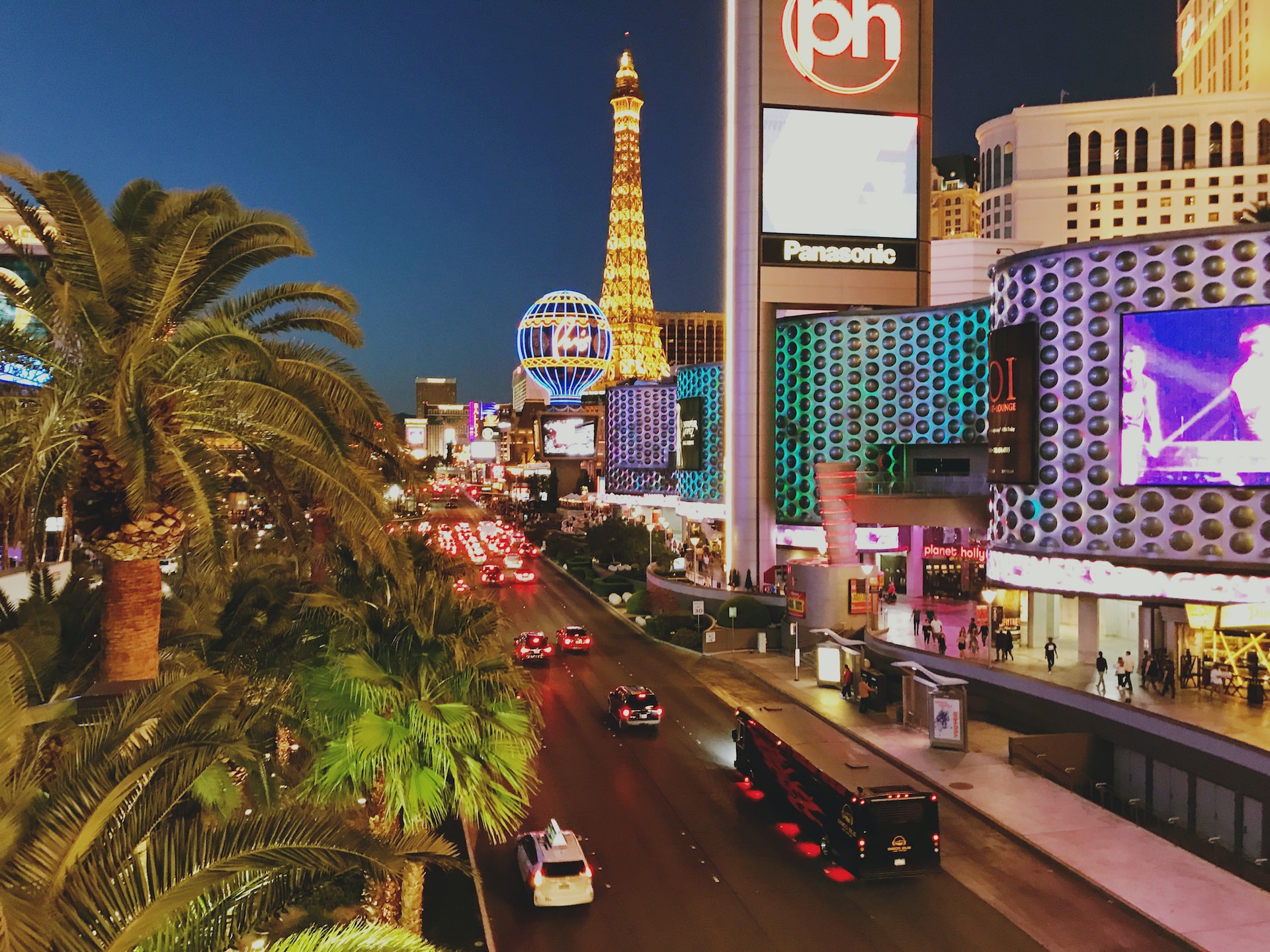
The iconic stretch of asphalt known as Las Vegas Boulevard, often synonymous with the dazzling lights and vibrant energy of Las Vegas, is more than just a street; it’s a legendary thoroughfare that defines the very essence of the city. While its exact length is a common point of curiosity, understanding its geography provides crucial context for navigating its vast expanse and experiencing all it has to offer. From the southernmost entry points to its northern reaches, Las Vegas Boulevard is a dynamic ribbon weaving through the heart of the Nevada desert, hosting an unparalleled concentration of entertainment, dining, and accommodation.
Defining the Length of Las Vegas Boulevard
Pinpointing the precise mileage of Las Vegas Boulevard requires a careful consideration of its official designations and the commonly perceived “Strip.”
The Official Las Vegas Boulevard
Officially, Las Vegas Boulevard South, the primary section associated with the famous tourist corridor, spans approximately 4.2 miles (6.8 kilometers). This is the stretch that most visitors envision when they hear the name, lined with the mega-resorts, casinos, and attractions that have earned Las Vegas its global reputation. This core section is easily walkable, though its sheer density of sights can make it feel much longer. Navigating this segment often involves strategic planning to take in the multitude of experiences without succumbing to fatigue.
The Broader Boulevard
However, the full length of Las Vegas Boulevard, extending beyond the concentrated tourist zone, is considerably longer. As a major arterial road, it stretches for an impressive 45 miles (72 kilometers) through Clark County. This expansive definition encompasses areas that are far removed from the neon glow of the Strip, including residential neighborhoods, commercial districts, and even stretches that bear little resemblance to the bustling entertainment capital. When discussing its length in the context of tourism and attractions, it’s crucial to differentiate between the commonly known “Strip” and the complete roadway. For the purposes of understanding its impact on travel and visitor experience, the 4.2-mile stretch is the most relevant measurement.
Navigating the Las Vegas Strip: A Journey Through 4.2 Miles
The 4.2 miles of the Las Vegas Strip represent a concentrated universe of entertainment. Understanding its layout is key to maximizing your visit.
Southern End: Gateway to Grandeur
The southern end of the Strip often serves as the initial point of immersion for many visitors. Here, you’ll find landmarks like the iconic Welcome to Fabulous Las Vegas sign, a must-stop for photographs. This area is also home to a cluster of resorts that set the tone for the extravagance to come. Properties such as the Mandalay Bay Resort and Casino, Luxor Hotel and Casino with its distinctive pyramid shape, and the Excalibur Hotel & Casino with its medieval theme, greet travelers with unique architectural styles and extensive amenities. Further north, the MGM Grand Hotel & Casino stands as one of the largest hotels in the world, offering a microcosm of entertainment with its own shopping, dining, and performance venues. The proximity of these resorts encourages exploration on foot, allowing visitors to hop between different themed environments.
Mid-Strip: The Heart of the Action
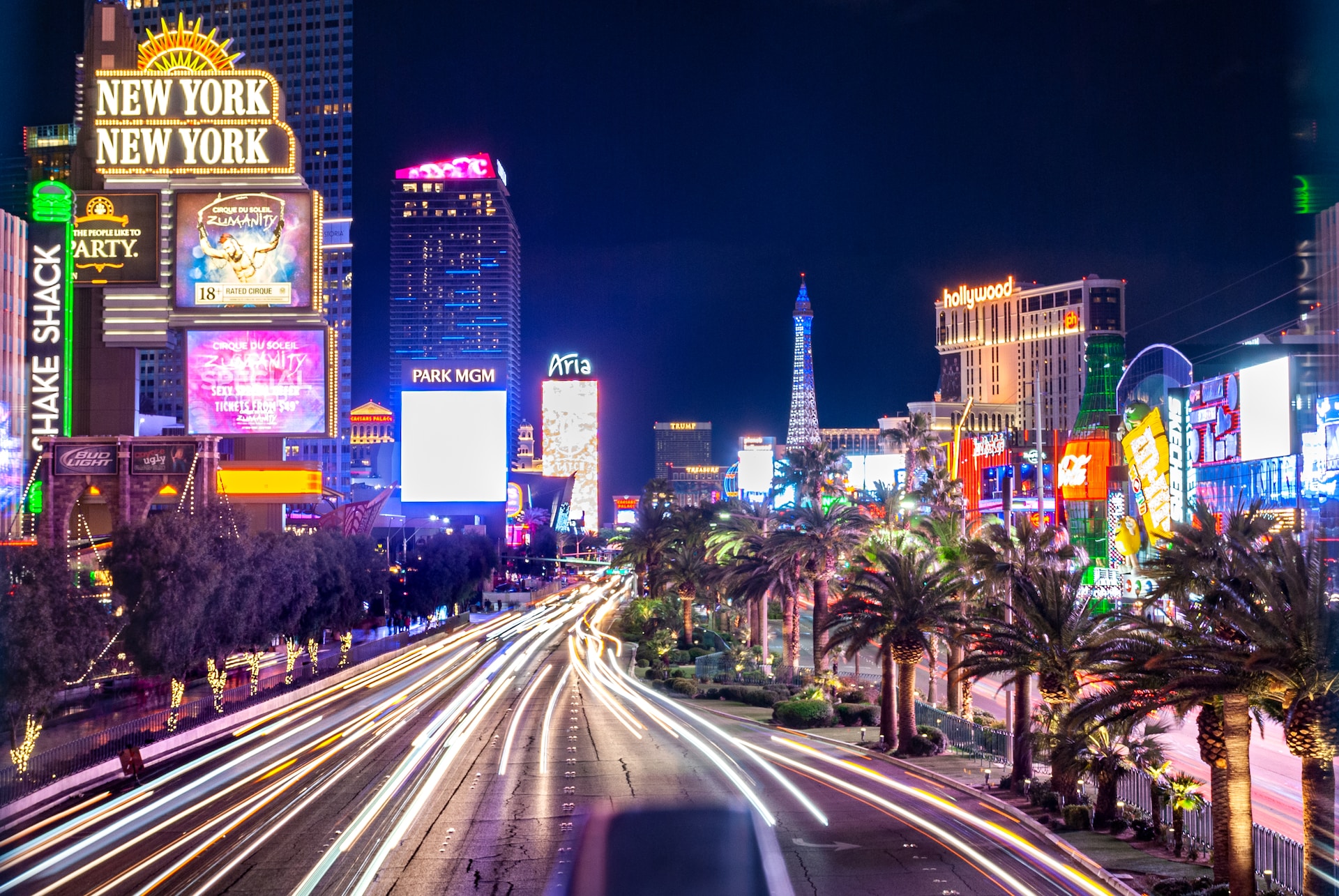
As you move towards the middle section of the Strip, the density of world-renowned resorts and attractions intensifies. This is arguably the most recognized portion of Las Vegas Boulevard, featuring some of its most celebrated landmarks and experiences. Here, you’ll encounter the opulent grandeur of the Bellagio Hotel & Casino, famous for its stunning Fountains of Bellagio. Adjacent to it, the Caesars Palace Hotel & Casino transports guests to ancient Rome with its elaborate architecture and extensive retail options. The Venetian Resort Las Vegas, with its canals and gondola rides, offers a romantic Italian escape, while its sister property, The Palazzo, provides a more contemporary luxury experience. Further along, the Paris Las Vegas Hotel & Casino boasts a half-scale replica of the Eiffel Tower, offering panoramic views of the city. This section is a testament to the sheer scale of ambition in Las Vegas, with each resort vying for attention through its unique theming, entertainment, and dining offerings. The pedestrian experience here is enhanced by numerous bridges and walkways that facilitate safe and easy movement between properties.
Northern End: Innovation and Extension
The northern segment of the Strip continues the theme of impressive resorts, often pushing the boundaries of design and experience. The Wynn Las Vegas and its adjacent Encore at Wynn Las Vegas property are renowned for their sophisticated elegance and high-end amenities. The Resorts World Las Vegas complex represents a more recent development, introducing a fresh wave of entertainment and dining options with its multiple hotel towers and vibrant atmosphere. Further north, the STRAT Hotel, Casino & SkyPod offers a different perspective, with its towering observation deck providing unparalleled vistas of the entire valley. While this section may be slightly less concentrated in terms of direct pedestrian access between every single resort compared to the mid-Strip, it remains an integral part of the 4.2-mile experience, offering distinct attractions and a slightly more spread-out feel. The diversity of resorts along this entire stretch ensures that there is something to cater to every taste and budget.
Beyond the 4.2 Miles: Understanding the Greater Boulevard
While the 4.2 miles of the Strip are the primary draw for tourists, it’s important to recognize that Las Vegas Boulevard extends far beyond this iconic stretch.
Downtown Las Vegas and Fremont Street
North of the Strip lies Downtown Las Vegas, a district that predates the Strip’s dominance and is anchored by the historic Fremont Street Experience. While technically part of Las Vegas Boulevard North, this area offers a different, more vintage “Old Vegas” vibe with its dazzling canopy of lights, street performers, and classic casinos. The distance between the northernmost resorts on the Strip and the heart of Fremont Street is manageable for transportation, but it represents a distinct shift in atmosphere and appeal. Many visitors find a day trip or an evening spent exploring downtown to be a valuable addition to their Las Vegas itinerary, offering a glimpse into the city’s roots.
Residential and Commercial Areas
As Las Vegas Boulevard continues its extensive 45-mile journey, it transitions into areas that are primarily residential and commercial. These sections serve the daily needs of the local population, featuring shopping centers, schools, residential communities, and businesses that are integral to the functioning of the wider Las Vegas Valley. For tourists, these stretches are generally not destinations in themselves, but they are a crucial part of the urban fabric that supports the Strip’s existence. Understanding this broader context highlights the scale of development and infrastructure that has grown around the famous boulevard.
Planning Your Las Vegas Boulevard Experience
Knowing the length and layout of Las Vegas Boulevard is essential for effective planning and a fulfilling visit.
Transportation and Navigation
With the 4.2-mile Strip being the focal point, efficient transportation is key. While walking is certainly an option and often encouraged for soaking in the atmosphere, the distances between resorts can be considerable. Options include the Las Vegas Monorail, which runs along the eastern side of the Strip, providing convenient access to many major hotels. Ride-sharing services like Uber and Lyft are readily available, as are traditional taxis. For those seeking a unique perspective, the Deuce, a double-decker bus service, offers an affordable way to traverse the boulevard and its surrounding areas. Renting a car is also an option, but be prepared for traffic and the challenges of finding and paying for parking at the mega-resorts.

Maximizing Your Exploration
To truly experience the breadth of attractions along the 4.2-mile Strip, it’s advisable to group your activities geographically. For instance, dedicate a day to exploring the southern end, focusing on resorts like Mandalay Bay and Luxor, and then move towards the mid-Strip to experience the grandeur of Bellagio, Caesars Palace, and The Venetian. Consider incorporating a trip downtown to Fremont Street for a contrast in atmosphere. Breaking down the boulevard into manageable segments allows for a more immersive and less overwhelming experience, ensuring you don’t miss out on the diverse array of entertainment, dining, and shopping that makes Las Vegas Boulevard a world-renowned destination. The journey along these 4.2 miles is an adventure in itself, packed with endless discovery.
LifeOutOfTheBox is a participant in the Amazon Services LLC Associates Program, an affiliate advertising program designed to provide a means for sites to earn advertising fees by advertising and linking to Amazon.com. Amazon, the Amazon logo, AmazonSupply, and the AmazonSupply logo are trademarks of Amazon.com, Inc. or its affiliates. As an Amazon Associate we earn affiliate commissions from qualifying purchases.