
Understanding the Essence of Chicago Style for Lifestyle Content
For individuals living a rich lifestyle that encompasses intellectual curiosity, cultural exploration, and the nuanced documentation of experiences, proper citation is not merely an academic formality but a cornerstone of integrity and professionalism. Whether you’re penning a sophisticated travel blog analyzing the depiction of global cultures in film, drafting a manuscript on the societal impact of cinema, or simply preparing a presentation for a community group about a captivating documentary you watched about Kyoto, understanding how to cite a movie using Chicago Style ensures your work is credible, traceable, and respected. This guide provides the practical knowledge to seamlessly integrate film references into your narrative, adding scholarly depth to your personal or professional lifestyle endeavors.

Why Citation Matters in Your Lifestyle Narrative
In an era of abundant information, discerning readers appreciate content that is well-researched and transparent about its sources. When discussing a film’s influence on your perception of a destination like Paris, analyzing its historical accuracy concerning ancient Rome, or referencing a cinematic masterpiece that shaped your lifestyle choices, providing accurate citations demonstrates intellectual honesty. It not only credits the creators but also allows your audience to explore the original source, deepening their engagement with your content. For those whose lifestyle involves continuous learning and sharing insights, mastering citation protocols like Chicago Style elevates their discourse from casual observation to authoritative commentary.
Overview of Chicago Style’s Two Systems
The Chicago Manual of Style offers two distinct documentation systems, each suited for different types of scholarly and professional writing:
-
Notes-Bibliography (NB) System: Primarily used in the humanities (literature, history, arts), this system employs footnotes or endnotes for citations within the text and a comprehensive bibliography at the end of the document. This is often preferred when extensive commentary or detailed source information is required directly in the text, allowing for a richer, more discursive style.
-
Author-Date System: Favored in the social sciences, natural sciences, and business, this system uses brief parenthetical citations in the text (author’s last name and year of publication) that correspond to a detailed list of references at the end. It’s more concise for in-text referencing, keeping the narrative flow streamlined.
Your choice of system will largely depend on the specific context of your writing and the expectations of your audience or publisher. For lifestyle-oriented blogs or personal essays, the NB system might offer a more elegant integration of source information, while academic papers related to cultural studies often lean towards Author-Date.
Citing Movies in Notes-Bibliography (NB) Style
The Notes-Bibliography system is ideal for works that benefit from rich contextual notes and a comprehensive listing of all consulted sources. When citing movies, this means providing full details in the notes and a condensed, yet complete, entry in the bibliography.
Footnotes/Endnotes: Your First Encounter
When you first reference a film in your writing, a footnote (or endnote) provides the full citation details. Subsequent references to the same film can be shortened.
First Footnote Format:
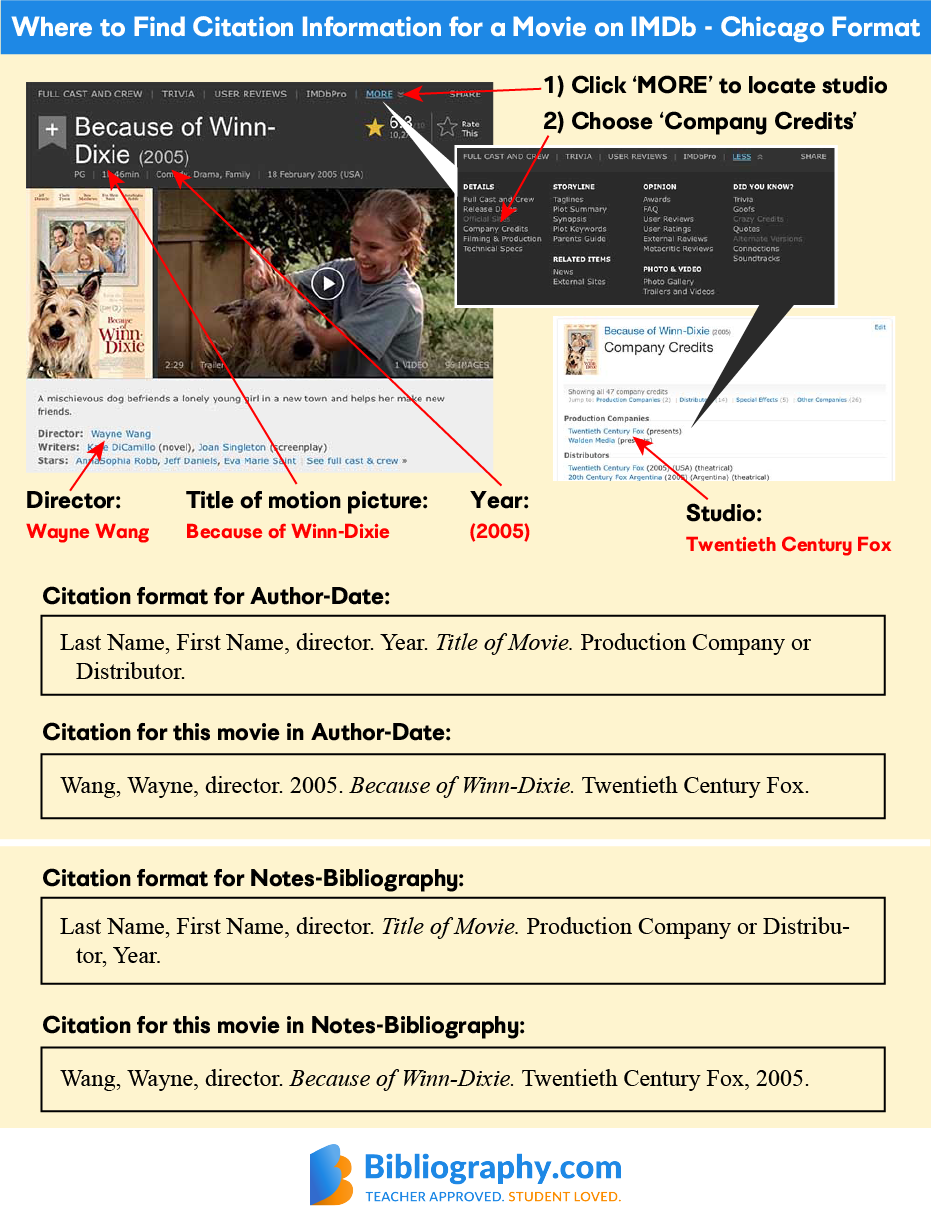
- Movie Title, directed by Director’s First Name Last Name (Production Company or Distributor, Year of Release), medium.
Example (First Footnote):
- Blade Runner 2049, directed by Denis Villeneuve (Warner Bros. Pictures, 2017), 4K Blu-ray.
If citing a specific timestamp or scene for detailed analysis related to your cultural exploration or specific observations from your travels:
- Blade Runner 2049, directed by Denis Villeneuve (Warner Bros. Pictures, 2017), 4K Blu-ray, 0:52:15.
Subsequent Footnotes:
For later references to the same film, you can use a shortened form, typically just the film title.
- Blade Runner 2049.
If you need to distinguish between multiple works by the same director or with similar titles, you might include the director’s last name or the year.
Bibliography Entries: The Definitive Record
The bibliography provides an alphabetical list of all sources cited in your work. For films, the entry format focuses on the director as the primary authorial figure, followed by the film title and production details.
Bibliography Entry Format:
Director’s Last Name, First Name, director. Movie Title. Production Company or Distributor, Year of Release. Medium.
Example:
Villeneuve, Denis, director. Blade Runner 2049. Warner Bros. Pictures, 2017. 4K Blu-ray.
Key considerations for Bibliography Entries:
- Director: Always list the director. If there are multiple directors, list them separated by “and.”
- Production Company/Distributor: Include the main company responsible for the film’s release.
- Year of Release: Use the original theatrical release year or the year of the version you viewed if significantly different.
- Medium: Specify the format you accessed (e.g., DVD, Blu-ray, streaming on Netflix, Amazon Prime Video, YouTube, digital file). This is crucial for guiding readers to the exact version you used, especially important when discussing cinematic nuances observed during your long-term stay or specific scenes.
Citing Movies in Author-Date Style
The Author-Date system streamlines in-text citations, making it suitable for academic disciplines where conciseness is valued. It relies on parenthetical references that link directly to a comprehensive reference list.
In-Text Citations: Quick References
Within the body of your text, a concise parenthetical citation directs readers to the full entry in your reference list.
In-Text Citation Format:
(Director’s Last Name Year)
Example:
(Villeneuve 2017)
If you are referring to a specific part of the film, particularly when analyzing intricate details observed during your travels or a cultural event, include a timestamp:
(Villeneuve 2017, 0:52:15)
If the director’s name is already mentioned in the sentence, you only need to provide the year in parentheses:
As Villeneuve’s Blade Runner 2049 demonstrates (2017), …
Reference List Entries: Comprehensive Details
The reference list, akin to a bibliography but structured differently, provides full publication details for every source cited in your text. It is alphabetically ordered by the director’s last name.
Reference List Entry Format:
Director’s Last Name, First Name. Year. Movie Title. Medium. Production Company or Distributor.
Example:
Villeneuve, Denis. 2017. Blade Runner 2049. 4K Blu-ray. Warner Bros. Pictures.
Key considerations for Reference List Entries:
- Year: The year immediately follows the director’s name, as it’s a key identifier in this system.
- Medium: As with NB style, clearly state the format. This helps define the specific version of the film being referenced.
- Order: Entries are alphabetized by the director’s last name.
Essential Elements and Variations for Film Citations
Accurate and complete citations require attention to detail, especially with the myriad ways films are now consumed in our modern lifestyle.
Key Information to Gather
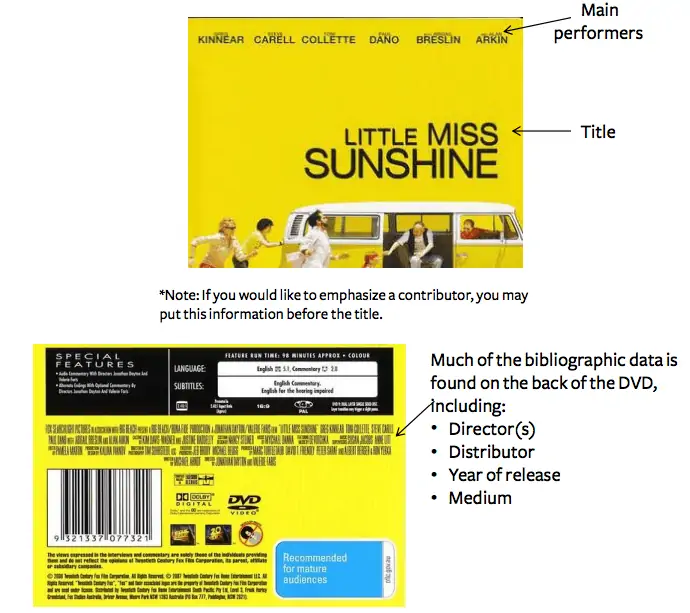
Before you begin citing, ensure you have the following details for each film:
- Director(s): The primary creative force.
- Title of the Film: Italicized.
- Production Company or Distributor: The entity responsible for bringing the film to audiences.
- Year of Release: The original theatrical release year is generally preferred.
- Medium: How you viewed the film (e.g., DVD, Blu-ray, VHS, streaming service, theatrical screening, digital file).
- Specific Timestamps (Optional but Recommended): For precise references to scenes or dialogue, vital for detailed analysis in any form of lifestyle publication.
Handling Special Cases (Streaming, TV Episodes)
The rise of streaming services and diverse media consumption habits requires specific citation adjustments to accurately reflect how a film was accessed.
Streaming Services (e.g., Netflix, Hulu, Max):
If you viewed a movie via a streaming service, include the service’s name and, if available, a URL.
NB Style (Footnote):
- Bird Box, directed by Susanne Bier (Netflix, 2018), streaming video.
- Bird Box, directed by Susanne Bier (Netflix, 2018), streaming video, https://www.netflix.com/title/80190564.
NB Style (Bibliography):
Bier, Susanne, director. Bird Box. Netflix, 2018. Streaming video. https://www.netflix.com/title/80190564.
Author-Date Style (Reference List):
Bier, Susanne. 2018. Bird Box. Streaming video. Netflix. https://www.netflix.com/title/80190564.
Television Episodes:
When citing a specific episode from a television series (e.g., a travel documentary series about Europe), the episode title takes precedence, followed by the series title.
NB Style (Footnote):
- “The One with the Embryos,” Friends, directed by Kevin Bright, written by Adam Chase and Ira Ungerleider, season 4, episode 12, aired January 15, 1998 (Warner Bros. Television, 1998), DVD.
NB Style (Bibliography):
Bright, Kevin, director. “The One with the Embryos.” In Friends: The Complete Fourth Season. Warner Bros. Television, 1998. DVD.
Author-Date Style (Reference List):
Bright, Kevin. 1998. “The One with the Embryos.” In Friends: The Complete Fourth Season. DVD. Warner Bros. Television.
Integrating Film Analysis into Your Lifestyle Discourse
Mastering film citation in Chicago Style empowers you to seamlessly weave cinematic references into your intellectual pursuits, enriching your lifestyle narrative. Whether you’re a seasoned academic, a passionate travel blogger exploring films set in South Africa, or a cultural commentator dissecting the impact of visual storytelling, accurate citations lend authority and depth to your work. This level of rigor not only enhances your personal brand but also contributes to a broader culture of respect for intellectual property and thorough scholarship. By diligently applying these guidelines, your analysis of films, documentaries, or television series will stand as a testament to your commitment to excellence, reflecting a lifestyle that values knowledge, authenticity, and credible communication.
LifeOutOfTheBox is a participant in the Amazon Services LLC Associates Program, an affiliate advertising program designed to provide a means for sites to earn advertising fees by advertising and linking to Amazon.com. Amazon, the Amazon logo, AmazonSupply, and the AmazonSupply logo are trademarks of Amazon.com, Inc. or its affiliates. As an Amazon Associate we earn affiliate commissions from qualifying purchases.