
As the allure of outdoor living and backyard gatherings remains a significant draw for residents and visitors alike in Montgomery County, Texas, understanding the local regulations surrounding open burning is paramount. The presence or absence of a burn ban directly impacts everything from routine yard maintenance to recreational activities like bonfires and barbecues. This guide delves into the intricacies of burn bans in Montgomery County, Texas, providing essential information for ensuring safety, compliance, and continued enjoyment of the region’s natural beauty.
Understanding Burn Bans and Their Impact
A burn ban, officially known as a burn ban order or outdoor burn ban, is a temporary prohibition of outdoor burning activities within a specific geographic area. These bans are typically enacted by local or county officials in response to prevailing weather conditions that increase the risk of wildfires. The primary driver for imposing a burn ban is usually a combination of high temperatures, low humidity, and dry vegetation, creating a tinderbox environment where even a small spark can rapidly escalate into a destructive blaze.

The implications of a burn ban are far-reaching. For residents, it means that activities such as:
- Yard Waste Disposal: Burning leaves, brush, and other yard debris becomes prohibited. Alternative methods like mulching, composting, or utilizing local disposal services must be employed.
- Recreational Fires: Campfires, bonfires, and even small cooking fires in designated fire pits or rings may be restricted or entirely forbidden.
- Agricultural Burning: Farmers and ranchers may face limitations on controlled burns for land management purposes.
- Industrial and Construction Burning: Certain industrial activities and construction projects that involve open burning are also subject to these restrictions.
Failure to comply with a burn ban can result in significant penalties, including fines and legal repercussions. Beyond legal consequences, the most critical impact is the increased risk to life, property, and the environment. Wildfires can cause extensive damage to homes, businesses, natural habitats, and pose a serious threat to public safety.
Factors Influencing Burn Ban Decisions in Montgomery County, Texas
The decision to implement or lift a burn ban in Montgomery County, Texas is a dynamic process, heavily influenced by a range of environmental and meteorological factors. County officials, often in conjunction with the Texas A&M Forest Service and local fire departments, continuously monitor these conditions to make informed decisions.
Key Indicators Monitored:
- Drought Conditions: The U.S. Drought Monitor is a critical resource, indicating the severity and extent of drought across the state. Prolonged periods of below-average rainfall lead to arid conditions, making vegetation highly susceptible to ignition.
- Fuel Moisture Levels: This refers to the amount of moisture present in the grasses, brush, and trees within the county. Low fuel moisture means that these natural materials can ignite more easily and burn more intensely.
- Wind Speed and Direction: High winds can quickly spread fire, making it difficult for firefighters to contain. The direction of the wind is also crucial, as it dictates the potential path of an advancing wildfire.
- Temperature and Humidity: Hot, dry weather exacerbates wildfire risk. High temperatures accelerate the drying process of vegetation, while low humidity allows moisture to evaporate from both the ground and plant material.
- Fire Danger Indices: Various fire danger indices, such as the Keetch-Byram Drought Index (KBDI) and the National Fire Danger Rating System (NFDRS), provide quantitative measures of fire risk. These indices integrate multiple environmental factors to offer a comprehensive assessment of potential fire behavior.
In Montgomery County, Texas, local authorities typically establish specific thresholds for these indicators. When these thresholds are met or exceeded, the county judge or other designated officials have the authority to declare a burn ban. The duration of the ban can vary, from a few days to several weeks, depending on how long the hazardous conditions persist.
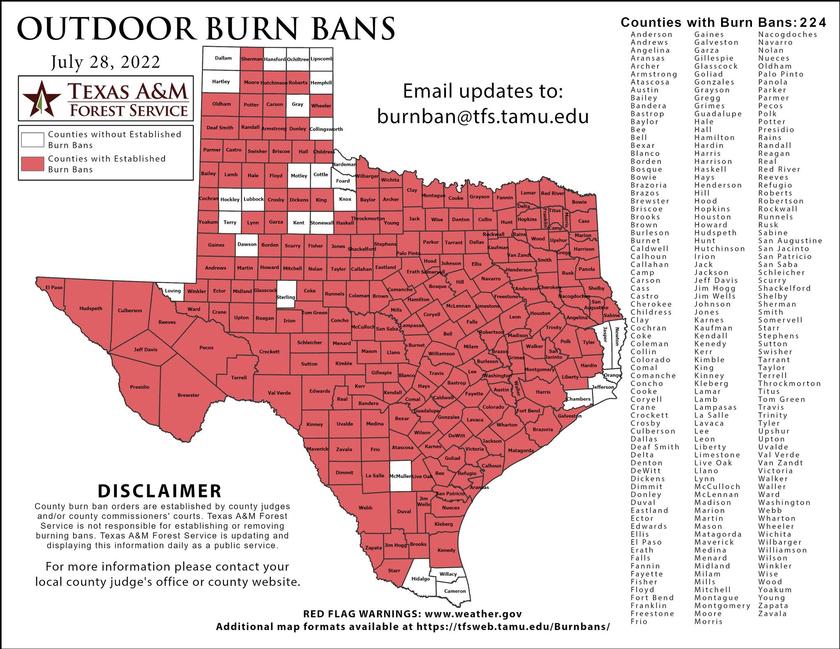
How to Stay Informed About Burn Ban Status
In today’s interconnected world, staying updated on crucial local information like burn ban status is more accessible than ever. For residents and visitors of Montgomery County, Texas, several reliable channels exist to ensure you are always informed. Proactive information gathering is key to avoiding potential penalties and ensuring the safety of yourself and the community.
Official Sources and Communication Channels:
- Montgomery County Office of Emergency Management: This is the primary authority responsible for coordinating emergency services and public safety information. Their official website and social media channels are often the first to announce burn ban declarations and updates. Look for dedicated sections on their website related to emergency alerts or fire safety.
- Montgomery County Judge’s Office: The County Judge is typically the official who signs the burn ban order. Their office will disseminate official pronouncements. Checking the Montgomery County government website for press releases or official notices is a reliable method.
- Local Fire Departments: Individual fire departments within Montgomery County, Texas, such as the Conroe Fire Department or the The Woodlands Fire Department, often provide updates through their own websites and social media platforms. Many also maintain direct lines for public inquiries regarding fire safety regulations.
- Texas A&M Forest Service: While not a direct issuer of local bans, the Texas A&M Forest Service plays a crucial role in monitoring statewide conditions and providing valuable data that informs local decisions. Their website offers state-level fire danger maps and information that can provide context.
- Local News Outlets: Reputable local news sources, including newspapers, radio stations, and television channels serving Montgomery County, Texas, are diligent in reporting on burn ban status. Many will feature alerts prominently on their websites and during their broadcasts.
- Reverse 911 / Emergency Notification Systems: Many counties utilize emergency notification systems that can send alerts directly to residents via phone calls, text messages, or emails. If you reside in Montgomery County, Texas, ensure you are registered for such services.
It is advisable to bookmark the official websites of Montgomery County, Texas and its emergency management and judge’s offices. Regularly checking these sources, especially during periods of hot, dry weather, is the most effective way to remain compliant and ensure personal and community safety.
Alternatives to Outdoor Burning During a Burn Ban
When a burn ban is in effect in Montgomery County, Texas, residents and businesses must adopt alternative methods for managing combustible materials and enjoying outdoor activities. Fortunately, a variety of safe and effective practices exist to mitigate the need for open burning. Embracing these alternatives not only ensures compliance with the law but also contributes to a healthier and safer environment for everyone.

Sustainable and Safe Practices:
-
Yard Waste Management:
- Composting: This is an environmentally friendly way to break down organic materials like leaves, grass clippings, and vegetable scraps into nutrient-rich soil. Numerous composting guides are available online and through local extension offices.
- Mulching: Shredded leaves and grass clippings can be used as mulch around trees and plants, helping to retain soil moisture and suppress weeds.
- Bagging and Disposal: Many municipalities offer curbside pickup services for yard waste. Residents can bag their yard debris and place it at the curb on designated collection days. Alternatively, drop-off locations for yard waste may be available.
- Chipping Services: For larger volumes of brush and branches, hiring a professional chipping service can reduce the material to manageable mulch that can be used on-site or disposed of.
-
Recreational Alternatives:
- Propane or Electric Grills: For cooking and outdoor gatherings, propane or electric grills are excellent alternatives to charcoal or wood fires, as they do not produce open flames or embers.
- Designated Fire Rings with Restrictions: In some instances, if a burn ban is not at its most severe level, certain pre-approved, contained fire rings or fire pits may still be permissible for small recreational fires. It is crucial to verify the specific stipulations of the current ban. Always ensure any allowed fire is well-contained, attended at all times, and has a water source readily available.
- Portable Fire Pits: Similar to designated fire rings, portable fire pits, when used responsibly and in accordance with any specific allowances of the ban, can offer a contained flame experience.
- Community Events: Many communities organize events and festivals that offer safe, controlled entertainment and food options, providing social interaction without the risks associated with open flames.
-
Agricultural and Industrial Considerations:
- Mechanical Methods: For land clearing or agricultural purposes, mechanical methods like mulching, chipping, or using heavy equipment can be employed as alternatives to burning.
- Waste Removal Services: Industrial facilities and construction sites may need to contract with specialized waste removal services to transport and dispose of burnable materials responsibly.
By proactively adopting these alternatives, individuals and businesses in Montgomery County, Texas can continue to manage their properties and enjoy their outdoor spaces safely and responsibly, even when the specter of wildfire risk necessitates a burn ban. This approach fosters a culture of preparedness and environmental stewardship that benefits the entire community.
LifeOutOfTheBox is a participant in the Amazon Services LLC Associates Program, an affiliate advertising program designed to provide a means for sites to earn advertising fees by advertising and linking to Amazon.com. Amazon, the Amazon logo, AmazonSupply, and the AmazonSupply logo are trademarks of Amazon.com, Inc. or its affiliates. As an Amazon Associate we earn affiliate commissions from qualifying purchases.