
For anyone considering a long-term stay in California, whether through homeownership, investing in rental properties, or simply understanding the true cost of living, grasping the intricacies of the state’s property tax system is paramount. Unlike many other states, California’s property tax structure is heavily influenced by Proposition 13, a landmark amendment passed in 1978. This proposition fundamentally altered how real estate is assessed and taxed, creating a system that offers both predictability and potential complexities for property owners. Understanding these mechanisms is crucial for budgeting accommodation expenses and making informed decisions about where and how to settle in the Golden State for an extended period.

Understanding California’s Property Tax System: Proposition 13
The cornerstone of California’s property tax landscape is Proposition 13. This ballot initiative capped the maximum ad valorem tax on real property at 1% of its full cash value. While this might sound straightforward, its implementation and nuances are anything but, especially for those considering long-term accommodation plans in the state. Proposition 13 was enacted during a period of rapidly rising property values, aimed at providing relief and stability to homeowners facing escalating tax bills.
The 1% Base Rate
At its core, Proposition 13 established that the base property tax rate cannot exceed 1% of the property’s “full cash value.” For properties purchased before 1975, this value was set at the 1975 market value. For properties acquired after that date, the full cash value is generally the property’s purchase price. This base rate is applied across all counties in California, providing a uniform starting point for calculating property taxes. This predictability in the base rate is a significant factor for individuals planning long-term residences, as it offers a degree of certainty regarding a substantial portion of their annual accommodation costs.
Annual Reassessment Cap
One of the most defining and beneficial aspects of Proposition 13 for long-term homeowners is the annual reassessment cap. Once a property’s base value is established (typically at the time of purchase), its assessed value can only increase by a maximum of 2% per year, or the rate of inflation, whichever is lower. This protective measure shields property owners from sudden, dramatic increases in their tax bills, even if the market value of their home skyrockets. For those looking to establish permanent roots or hold onto a property for decades, this cap provides invaluable stability in their housing budget, making long-term accommodation in California more financially predictable.
Impact of Ownership Change
The protective caps of [Proposition 13](https://lifeoutofthebox.com/proposition 13) are primarily tied to ownership. When a property changes hands, it is typically reassessed to its current market value. This means that a new owner will pay property taxes based on their purchase price, effectively resetting the 1% base rate and the 2% annual cap. This is a critical consideration for prospective buyers, as the property tax they pay will often be significantly higher than what the previous long-term owner was paying. Understanding this “reset” is vital when comparing property costs and budgeting for a new long-term accommodation in California, as what might seem like an affordable listing could come with a substantially larger annual tax burden than anticipated.
Additional Property Tax Levies
While Proposition 13 sets the base 1% property tax rate and caps annual increases, it’s crucial for prospective long-term residents to understand that this 1% is rarely the total property tax rate paid. California properties are subject to various additional levies that can significantly increase the effective tax rate. These extra charges are typically approved by local voters and fund specific services, infrastructure projects, or public facilities within a community. Factoring these into your financial planning for long-term accommodation is just as important as understanding the base rate.
Mello-Roos Community Facilities Districts
A common addition to the property tax bill, particularly in newer developments or communities requiring significant infrastructure investment, comes from Mello-Roos Community Facilities Districts. These districts are established by local governments to finance public services (like police and fire protection) and facilities (like schools, parks, and roads) that cannot be funded by traditional property taxes due to Proposition 13’s limitations. Mello-Roos taxes are not ad valorem (based on value) but are typically fixed amounts or based on property characteristics like square footage. They can add hundreds or even thousands of dollars to an annual tax bill and are a long-term commitment, often lasting for 20-40 years. For those considering long-term accommodation in developing areas of California, checking for Mello-Roos is essential for accurate budgeting.
Bond Measures and Special Assessments
Beyond Mello-Roos, local jurisdictions in California often pass bond measures and special assessments to fund a variety of public improvements. These can include funding for school districts, libraries, parks, flood control, or other local amenities that benefit the community. Unlike the 1% base rate, these levies are not capped by Proposition 13 and are added on top of the base property tax. Each voter-approved measure will specify its purpose, duration, and how it is assessed (e.g., a flat fee per parcel, based on assessed value, or per unit). The accumulation of these bond measures and special assessments can significantly inflate the total property tax burden, making thorough due diligence critical for anyone planning a long-term stay and evaluating the full cost of homeownership in a particular area.
Understanding the Effective Rate
When all these components are combined – the 1% base rate, the 2% annual increase cap, and the various additional levies like Mello-Roos and bond assessments – the actual or “effective” property tax rate in California can vary substantially from one community to another. While the 1% base is constant, the presence and magnitude of these additional charges are highly localized. It’s not uncommon for effective rates to range from 1.2% to well over 2% of a property’s assessed value, sometimes even higher in areas with extensive Mello-Roos districts. Therefore, for effective budgeting and long-term accommodation planning, prospective owners must look beyond the initial listing price and carefully examine the estimated annual property tax statement, often available through county assessor websites or real estate disclosures.
How Property Taxes are Assessed and Calculated
Understanding the property tax rate in California also requires familiarity with how property values are assessed, as this directly influences the ultimate tax bill for any long-term accommodation. The assessment process is primarily governed by county officials and adheres to the principles established by Proposition 13. This system creates a distinction between a property’s market value and its assessed value, which can have significant financial implications for homeowners.
Assessed Value vs. Market Value

In California, there’s a crucial difference between a property’s market value (what it would sell for on the open market) and its assessed value (the value used for property tax calculations). Under Proposition 13, the assessed value is initially the purchase price. After that, it can only increase by a maximum of 2% annually, regardless of how much the market value might appreciate. This often leads to situations where long-term homeowners pay taxes on an assessed value far below their property’s actual market value. Conversely, new buyers entering a hot market will have their property immediately reassessed to their purchase price, meaning their tax burden will reflect current market conditions, a key factor for those planning new long-term accommodation.
The Role of the County Assessor
Each of California’s 58 counties has a County Assessor‘s Office responsible for determining the assessed value of all real property within its jurisdiction. This office establishes the base year value for newly acquired properties, tracks annual adjustments (the lesser of 2% or inflation), and applies any permissible exemptions. The County Assessor also handles reassessments when properties undergo significant improvements or changes in ownership. For prospective long-term residents, the County Assessor’s website is an invaluable resource for looking up estimated property tax bills, understanding assessment histories, and filing for exemptions. It’s the primary point of contact for any questions regarding a property’s assessed value and subsequent tax liability.
Supplemental Assessments
Another unique feature of California property tax is the concept of supplemental assessments. When a property changes ownership or new construction is completed, a supplemental assessment is issued. This assessment covers the period between the date of the change in ownership or completion of new construction and the next regular annual tax bill. Essentially, it ensures that taxes are collected on the new assessed value as soon as the change occurs, rather than waiting for the next July 1st. This can result in two property tax bills in the first year of ownership: the original annual bill (based on the previous owner’s assessed value) and a supplemental bill (based on the new, higher assessed value for the prorated period). New long-term residents should be prepared for these initial, potentially unexpected, additional payments.
Property Tax Exemptions and Relief Programs
While California property taxes can be a significant component of long-term accommodation costs, the state also offers several exemptions and relief programs designed to alleviate the burden for qualified homeowners. Understanding these programs is vital for ensuring that you are paying only what is legally required and maximizing any available savings that can contribute to making your long-term stay more affordable.
Homeowners’ Exemption
The most widely applicable relief program is the Homeowners’ Exemption. If you own and occupy your home as your principal place of residence, you may be eligible for a reduction of up to $7,000 from your property’s assessed value. While $7,000 may seem modest in California’s high-value real estate market, it can still translate into an annual savings of approximately $70 to $80 on your property tax bill, depending on the local effective rate. This exemption is available for single-family homes, condominiums, co-ops, and even mobile homes, provided they are your primary residence. Applying for this exemption is a simple process, usually done once through your County Assessor’s office, and it is crucial for all eligible long-term homeowners to take advantage of it.
Senior Citizens and Disabled Persons Programs
California offers additional relief for vulnerable populations, including senior citizens and disabled persons. The Senior Citizens Property Tax Postponement Program allows eligible individuals aged 62 or older, or those who are blind or disabled, to postpone payment of property taxes on their primary residence. The state then places a lien on the property, and the deferred taxes (plus interest) are repaid when the property is sold, changes ownership, or the homeowner moves. Similarly, the Disabled Persons Property Tax Postponement Program caters specifically to individuals with disabilities. These programs can be lifelines for those on fixed incomes, enabling them to maintain their long-term accommodation without the immediate financial strain of property tax payments. Eligibility criteria for these programs can be detailed, involving income limits and equity requirements, making it important for interested parties to consult with the State Controller’s Office.
Veterans’ Exemptions
Qualifying veterans and their unmarried surviving spouses may also be eligible for specific property tax exemptions. The Veterans’ Exemptions can reduce the assessed value of their principal place of residence by varying amounts, depending on the nature of their service-connected disability. The basic exemption provides a reduction of $4,000 in assessed value, while a larger, more comprehensive disabled veterans’ exemption can provide a reduction of up to $100,000 or even $150,000 (adjusted annually for inflation) for severely disabled veterans. These exemptions are significant considerations for eligible military personnel and their families planning long-term accommodation in California, as they can substantially lower annual property tax obligations and contribute to overall housing affordability.
Implications for Long-Term Accommodation in California
Understanding California’s property tax system is more than just knowing a percentage; it’s about comprehending a critical component of the long-term cost of living and accommodation in the state. For anyone considering buying a home, relocating, or investing in real estate for extended stays, property taxes will significantly impact overall financial planning and decision-making.
Budgeting for Homeownership
For those dreaming of long-term homeownership in California, property taxes are an inescapable and often substantial recurring expense. Unlike mortgage payments that can sometimes be refinanced or interest rates that fluctuate, property taxes, while capped by Proposition 13’s 2% annual increase, will generally rise over time. New buyers face an immediate reset of their assessed value to the purchase price, meaning higher initial tax bills compared to what long-term owners might be paying. This needs to be meticulously factored into monthly budgets, alongside mortgage payments, insurance, and HOA fees. Failing to adequately account for property taxes can lead to financial strain and compromise the viability of long-term accommodation plans. Furthermore, the varying effective rates across different communities due to local levies mean that the same-priced home in two different towns might have vastly different annual tax bills, influencing affordability and location choices for long-term residents.
Investment Property Considerations
Investors looking to purchase properties for long-term rental or future appreciation in California also face unique property tax considerations. While the 2% cap provides a degree of predictability for holding costs, the initial reassessment upon purchase can significantly impact projected rental yields and overall return on investment. A higher property tax burden directly reduces net operating income. Investors must conduct thorough due diligence on specific properties and their respective tax histories, including any Mello-Roos or special assessments that could eat into profits. The potential for future tax increases (up to 2% annually) should also be modeled into long-term financial projections. Understanding these tax dynamics is crucial for making sound investment decisions that align with long-term accommodation strategies and financial goals.
Geographic Variations in Tax Burden
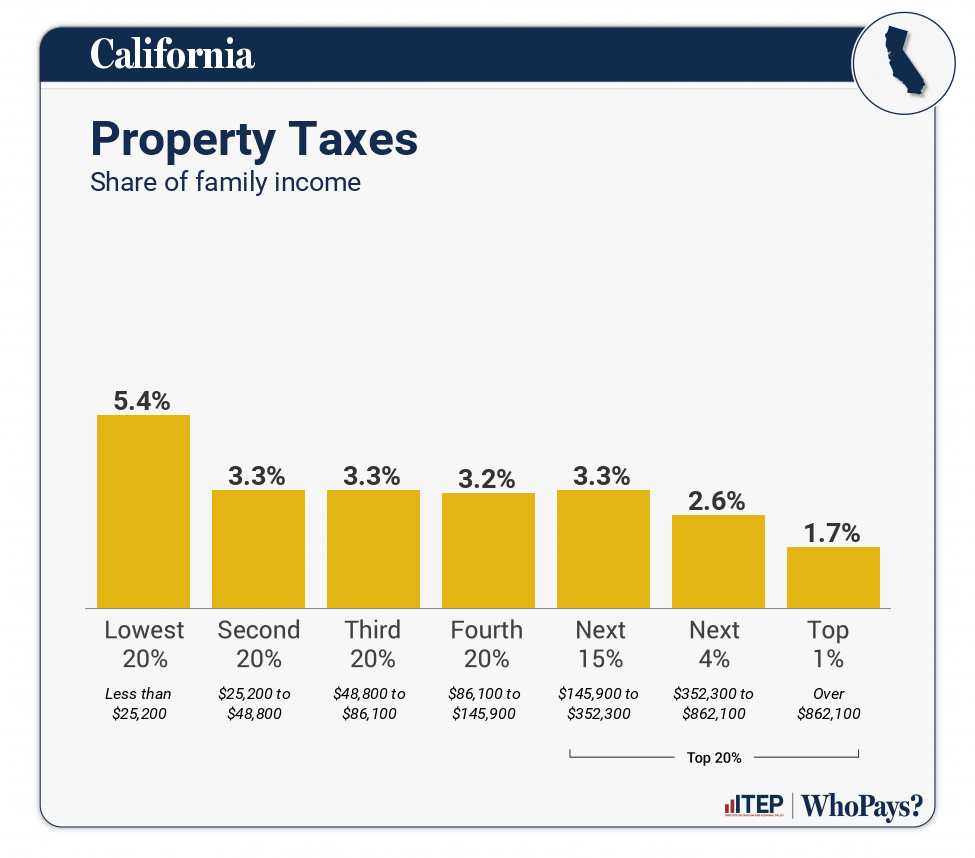
Perhaps one of the most significant takeaways for long-term planners is the substantial geographic variation in the actual property tax burden within California. While the 1% base rate is universal, the accumulation of bond measures, special assessments, and especially Mello-Roos Community Facilities Districts means that the effective tax rate can differ dramatically between neighboring cities or even within different neighborhoods of the same city. Areas with extensive new infrastructure or high voter-approved spending tend to have higher effective rates. Therefore, when evaluating locations for long-term accommodation, it is essential to research the specific tax situation for each potential property. A property’s price tag is only part of the equation; the ongoing property tax liability can make a seemingly affordable home significantly more expensive in the long run, influencing choices about community, lifestyle, and financial sustainability in California.
LifeOutOfTheBox is a participant in the Amazon Services LLC Associates Program, an affiliate advertising program designed to provide a means for sites to earn advertising fees by advertising and linking to Amazon.com. Amazon, the Amazon logo, AmazonSupply, and the AmazonSupply logo are trademarks of Amazon.com, Inc. or its affiliates. As an Amazon Associate we earn affiliate commissions from qualifying purchases.